Modern Dentistry, Timeless Smiles.

Dental Crisis in America's Deep South: How Poverty, Rural Access, and Systemic Gaps Are Creating a Generational Health Emergency in Mississippi, Arkansas, and Louisiana
Language :
Topics:
The Silent Epidemic: Dental Health and Generational Poverty in the Deep South
In the heart of America, a silent but pervasive epidemic is undermining the health, opportunities, and dignity of communities across Mississippi, Arkansas, and Louisiana. This crisis is not viral but dental, and it is inextricably linked to a cycle of generational poverty, limited healthcare access, and rural isolation.
While dental care is often viewed as a separate concern, in these states, oral health is a stark indicator of systemic inequality. For many families, a toothache is not a simple inconvenience—it is a financial catastrophe, a barrier to employment, and a source of chronic pain that goes untreated for years.
The States in Focus: A Profile of Need
Mississippi, Arkansas, and Louisiana consistently rank among the lowest in the nation for overall health outcomes, with dental health being a critical component of this disparity. The challenges are multifaceted and deeply interconnected:
-
Generational Poverty: Long-term economic hardship means that dental care is often the first necessity to be sacrificed for rent, utilities, or food. The cost of a single filling or extraction can represent a week's groceries.
-
Limited Access to Care: These states have a severe shortage of dentists, particularly in rural counties. Federally Qualified Health Centers (FQHCs) with dental services are often overwhelmed, with wait times for non-emergency care stretching for months. A 2023 report by the CareQuest Institute for Oral Health highlighted that over 60 million Americans live in designated Dental Care Health Professional Shortage Areas, with a heavy concentration in the South.
-
Educational Gaps: Preventive dental education is limited in many underfunded school systems. Without early education on brushing, nutrition, and the importance of baby teeth, problems begin early and compound over a lifetime.
-
High Unemployment & Lack of Dental Insurance: Even for those who find work, it is often in sectors like agriculture, service, or retail that rarely offer employer-sponsored health insurance, let alone dental benefits. Medicaid dental coverage for adults in these states is extremely limited or non-existent.
-
Large Rural Populations: Transportation is a monumental barrier. A dental appointment can require taking a full day off work, arranging childcare, and traveling over an hour each way—an insurmountable obstacle for many.
The Human Cost: More Than Just Teeth
The consequence of these systemic failures is a population suffering from disproportionately high rates of:
-
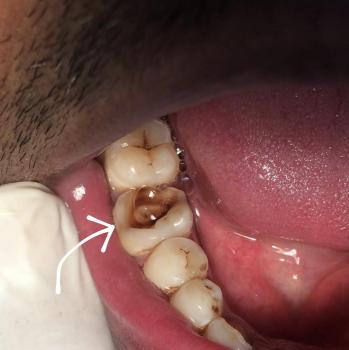
Untreated Tooth Decay: Particularly in children, leading to pain, infection, and difficulty eating and concentrating in school.
-
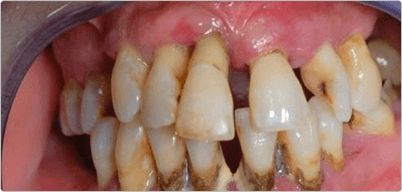
Gum (Periodontal) Disease: A chronic inflammatory condition linked to heart disease, diabetes, and stroke.
-
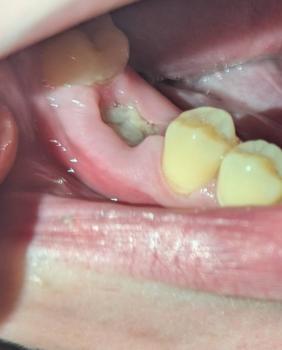
Early Tooth Loss: Which affects nutrition, speech, and self-esteem, and makes finding employment in customer-facing roles profoundly difficult.
-
Dental Emergencies: Emergency rooms across these states see thousands of patients each year for preventable dental pain, where they can only offer antibiotics and painkillers, not the definitive care (like an extraction or root canal) they desperately need. This is the most expensive and least effective way to address the problem.
A Story from the Delta: Ms. Annie's Choice
In a small town in the Mississippi Delta, Ms. Annie, a 58-year-old grandmother, faced a common dilemma. A molar had been aching for months. She could either pay $300 to have it extracted at the nearest clinic 45 miles away, or use that money to fix her car so she could keep her part-time job cleaning offices. She chose the car, managing the pain with over-the-counter medicine. The infection eventually flared into a facial swelling, landing her in the ER with a bill ten times the cost of the original extraction. Ms. Annie's story is not unique; it is the daily calculus of poverty.
How We Can Help: Action Beyond Awareness
Awareness is the first step, but concrete action is needed. For those looking to make a difference, here is where support can have a direct and meaningful impact:
1. Support Trusted Non-Profit Organizations:
Donations to established groups provide direct care and sustainable solutions.
-
Mission of Mercy Projects: Organizations like MOM-n-PA or Remote Area Medical (RAM) hold large-scale free dental clinics in these regions, treating thousands of patients in weekend events.
-
Dental Lifeline Network: Their "Donated Dental Services" program connects volunteer dentists with elderly, disabled, and medically fragile patients who cannot afford care.
-
State-Based Dental Associations: The Arkansas Oral Health Coalition or the Mississippi Dental Association Foundation often run charitable funds and mobile clinic initiatives.
2. Advocate for Systemic Change:
Consider supporting policy advocacy groups working on the root causes.
-
Lobby for the expansion of adult dental benefits under state Medicaid programs.
-
Support legislation that funds loan repayment programs for dentists who practice in underserved rural areas.
-
Advocate for integrating dental hygienists into school-based health programs.
3. The Power of Directed Donations:
If you wish to contribute, your donation can be targeted effectively:
-
$50 can provide preventive sealants for a child, preventing future decay.
-
$150 can cover the cost of a filling, saving a tooth from extraction.
-
$500 can sponsor a patient's full treatment plan at a charitable clinic.
Final Thoughts: A Matter of Dignity
Dental health in Mississippi, Arkansas, and Louisiana is not merely a medical issue; it is a matter of basic human dignity, economic mobility, and breaking the cycle of poverty. A healthy smile allows a person to eat without pain, seek a job with confidence, and smile at their grandchildren without shame.
Helping to restore oral health in these communities is one of the most tangible ways to help individuals get back on their feet. It is an investment not just in teeth, but in futures. By supporting the organizations on the front lines and advocating for smarter health policy, we can begin to address this silent epidemic and offer a foundation for better health and renewed hope.
To explore verified non-profits and make a direct donation to dental health initiatives in the Deep South, you can visit platforms like Charity Navigator (charitynavigator.org) and search for terms like "dental care," "Mississippi," or "Arkansas health."
Looking for dentist : Visit directory list
Related Clinical Cases
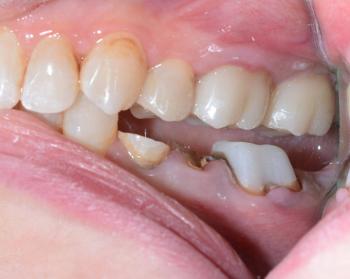
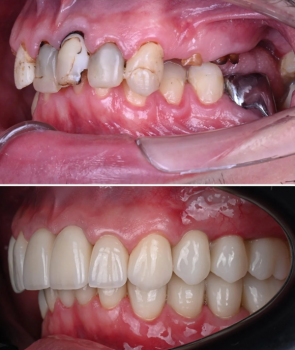
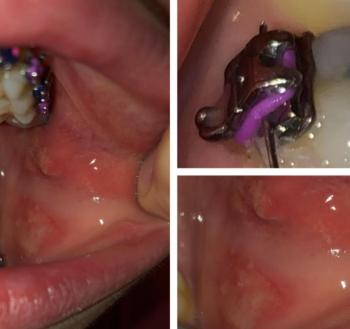
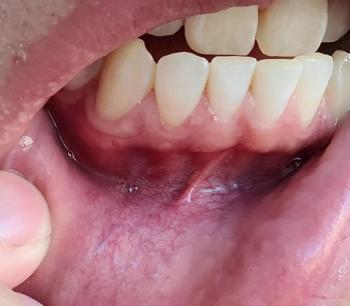
Patients with lower front gum inflammation may also experience tartar buildup, periodontal disease, gum abscesses, or tooth decay. Explore these related clinical case studies.
Other topics:
Other Dental Clinic