From Pain to Perfect — We Care for Your Smile.

Canadian Dental Care Plan (CDCP) 2026: Complete Expert Guide for Canadians
Language :
Understanding the Canada Dental Care Plan in Simple Terms
Dental treatment can become expensive for many families, seniors, and working adults. Over the past 20 years of practicing dentistry and helping patients understand treatment costs, one thing has remained clear: many people delay dental care because they are worried about affordability.
The Canada Dental Care Plan (CDCP) was introduced to help eligible Canadians access essential dental services at a lower cost. For many patients, this program can reduce financial stress and encourage earlier treatment before dental problems become severe.
This guide explains the CDCP in beginner-friendly language, including eligibility, covered services, limitations, practical advice, and how patients can maximize their benefits.
What Is the Canada Dental Care Plan (CDCP)?
The Canada Dental Care Plan (CDCP) is a federal dental program designed to help uninsured Canadians access essential oral healthcare services.
The program focuses on Canadians who:
- Do not have private dental insurance
- Meet income requirements
- Need assistance paying for preventive and restorative dental care
The plan helps reduce out-of-pocket dental costs for eligible individuals and families.
Unlike emergency-only systems, the CDCP encourages preventive care such as:
- Dental examinations
- Teeth cleaning
- X-rays
- Fillings
- Gum care
- Dentures
- Certain oral surgeries
The goal is to improve long-term oral health and reduce serious dental disease.
Why Dental Care Matters More Than Many People Realize
Many patients think dental care is only about appearance. In reality, oral health affects the entire body.
Poor oral health has been linked to:
- Heart disease
- Diabetes complications
- Gum infections
- Difficulty eating
- Chronic pain
- Sleep problems
- Low self-confidence
Over two decades in dentistry, I have seen patients lose teeth simply because they postponed routine care for years due to financial concerns.
Programs like the CDCP may help prevent these situations by making treatment more accessible earlier.
A Short Real-Life Style Story
Maria’s Experience With Delayed Dental Treatment
Maria, a retired grandmother in her late 60s, avoided visiting the dentist for nearly seven years after losing her workplace dental insurance.
At first, she ignored mild tooth sensitivity because she thought treatment would be too expensive. Eventually, the pain worsened, and she struggled to eat comfortably.
When she became eligible for dental assistance, she finally visited a dental clinic. A simple examination revealed:
- Early gum disease
- Several cavities
- One cracked tooth
Fortunately, most issues were still treatable without major surgery because she sought help before the condition became severe.
Stories like Maria’s are common. Early care almost always costs less, causes less discomfort, and saves more teeth.
Who Is Eligible for the Canada Dental Care Plan?
Eligibility rules can change over time, but the program generally targets uninsured Canadians with qualifying household income levels.
Basic Eligibility Requirements
Patients may qualify if they:
- Are Canadian residents
- Do not have dental insurance
- Filed their tax returns
- Meet household income thresholds
Some phases of the program prioritize:
- Seniors
- Children
- Individuals with disabilities
Expansion may continue to additional groups over time.
Income Levels and Cost Sharing
The amount patients pay depends partly on household income.
Lower-Income Households
Some lower-income households may receive:
- Higher coverage percentages
- Reduced co-payments
- Lower out-of-pocket costs
Middle-Income Households
Other eligible patients may still need to:
- Pay partial fees
- Cover upgraded procedures
- Pay differences if dentists charge above CDCP reimbursement rates
This is important because coverage does not always mean “completely free.”
What Dental Services May Be Covered?
Coverage may vary depending on medical necessity, dentist participation, and program updates.
Preventive Services
These services help stop dental disease before it becomes severe.
Examples Include:
- Dental exams
- Teeth cleaning
- Fluoride treatments
- X-rays
- Sealants
Preventive care is one of the smartest ways to reduce future dental expenses.
Restorative Services
Restorative treatment repairs damaged teeth.
Examples Include:
- Tooth-colored fillings
- Basic cavity treatment
- Certain crowns
- Denture repairs
Early cavity treatment can prevent root canal therapy or extraction later.
Gum Disease Treatment
Gum disease is extremely common in adults.
Covered services may include:
- Deep cleaning
- Scaling
- Root planing
- Periodontal maintenance
Ignoring gum disease can eventually lead to tooth loss.
Dentures and Tooth Replacement
Some denture-related procedures may qualify for coverage.
Potential Covered Services:
- Complete dentures
- Partial dentures
- Denture adjustments
- Denture repairs
Coverage conditions may apply depending on the treatment plan.
Oral Surgery and Extractions
Certain extractions and oral surgery procedures may be included if medically necessary.
Examples:
- Tooth removal
- Surgical extraction
- Infection management
However, cosmetic or elective procedures may not qualify.
What May Not Be Fully Covered?
This is one of the most important sections patients should understand.
Cosmetic Dentistry
Many cosmetic treatments are usually excluded.
Examples include:
- Teeth whitening
- Cosmetic veneers
- Smile makeovers
These procedures are considered optional rather than medically necessary.
Dental Implants
Dental implants are often expensive and may not be fully covered under public programs.
Some patients still need to pay:
- Implant surgery fees
- Bone grafting costs
- Implant crowns
Patients should always request a written treatment estimate.
Orthodontics
Braces and clear aligners may have limited coverage unless medically necessary.
Examples:
- Severe bite problems
- Functional jaw concerns
Routine cosmetic orthodontics may not qualify.
CDCP vs Private Dental Insurance
Comparison Table
| Feature | CDCP | Private Insurance |
|---|---|---|
| Eligibility Required | Yes | No |
| Income-Based | Yes | Usually No |
| Monthly Premiums | Generally No | Usually Yes |
| Cosmetic Coverage | Limited | Sometimes Available |
| Implant Coverage | Limited | Varies |
| Orthodontics | Limited | Often Better |
| Network Participation | Important | Depends on Plan |
CDCP vs Paying Fully Out-of-Pocket
| Feature | CDCP | Self-Pay |
|---|---|---|
| Lower Initial Costs | Yes | No |
| Access to Preventive Care | Improved | Depends on Budget |
| Coverage Restrictions | Yes | None |
| Treatment Flexibility | Moderate | Full |
| Financial Predictability | Better | Variable |
Why Preventive Dentistry Saves Money
One lesson I consistently teach patients is this:
Small dental problems become expensive when ignored.
Example Progression
Early Stage
Small cavity:
- Simple filling
- Lower cost
- Minimal discomfort
Delayed Treatment
Untreated cavity:
- Root canal
- Crown
- Tooth fracture risk
Severe Delay
Advanced infection:
- Tooth extraction
- Bone loss
- Tooth replacement needed
Preventive care almost always costs less than emergency dentistry.
Practical Advice for CDCP Patients
1. Schedule Checkups Early
Do not wait until pain becomes severe.
Many dental diseases progress silently before symptoms appear.
2. Ask for Written Estimates
Always request:
- Treatment plan
- Coverage estimate
- Remaining balance
- Alternative options
This prevents financial surprises.
3. Maintain Excellent Oral Hygiene
Good home care reduces treatment needs.
Daily Recommendations
- Brush twice daily
- Use fluoride toothpaste
- Floss every day
- Reduce sugary drinks
- Drink water frequently
4. Do Not Ignore Gum Bleeding
Bleeding gums are not normal.
This often signals:
- Gingivitis
- Early periodontal disease
- Plaque buildup
Early treatment is much easier than advanced gum surgery.
5. Understand That Not Every Dentist Participates
Patients should confirm:
- Clinic participation
- Accepted procedures
- Billing policies
Some offices may bill differently.
Common Dental Problems the CDCP May Help Address
Cavities
Very common in both children and adults.
Early treatment helps preserve tooth structure.
Tooth Infections
Untreated decay may lead to:
- Swelling
- Pain
- Abscess formation
Serious infections can spread beyond the mouth.
Missing Teeth
Tooth loss can affect:
- Chewing
- Speech
- Jawbone support
- Confidence
Dentures may help restore function.
Gum Disease
Many adults have some level of periodontal disease.
Risk factors include:
- Smoking
- Diabetes
- Poor oral hygiene
- Aging
Regular cleaning is essential.
The Connection Between Oral Health and Overall Health
Modern dentistry strongly recognizes the mouth-body connection.
Oral Health May Affect:
- Cardiovascular health
- Diabetes control
- Nutrition
- Sleep quality
- Mental health
Patients who maintain healthier mouths often experience better quality of life overall.
How Seniors Benefit From Dental Coverage
Seniors commonly face:
- Dry mouth
- Root decay
- Worn fillings
- Missing teeth
- Denture issues
Without dental coverage, many postpone care until problems become severe.
Programs like the CDCP may improve:
- Nutrition
- Comfort
- Confidence
- Social interaction
Children and Preventive Care
Early childhood dental care is extremely important.
Healthy Habits for Children
- First dental visit by age one
- Reduced sugary snacks
- Fluoride protection
- Proper brushing habits
Preventive treatment during childhood can reduce adult dental problems later.
Signs You Should Visit a Dentist Immediately
Do not delay treatment if you experience:
- Tooth swelling
- Severe pain
- Bleeding gums
- Loose teeth
- Persistent bad breath
- Broken teeth
- Difficulty chewing
Early intervention usually improves outcomes.
Questions Patients Should Ask Their Dental Clinic
Before treatment, ask:
- Is this procedure covered?
- What will I personally pay?
- Are there alternatives?
- Is the treatment urgent?
- What happens if I delay treatment?
Good communication improves treatment decisions.
How to Maximize Your CDCP Benefits
Use Preventive Visits Regularly
Routine care often prevents expensive procedures later.
Follow Recommended Treatment Timelines
Delaying treatment may:
- Increase costs
- Reduce treatment options
- Lead to tooth loss
Keep Copies of Your Records
Maintain:
- Treatment estimates
- Receipts
- X-rays
- Insurance communication
Organization helps avoid confusion.
Frequently Asked Questions (FAQs)
Is the Canada Dental Care Plan completely free?
Not always. Some patients may still have co-payments or balance fees depending on income and treatment type.
Does the CDCP cover dental implants?
Coverage for implants is often limited or excluded. Patients should confirm directly with participating clinics.
Can seniors apply for the CDCP?
Yes. Seniors are among the major groups targeted by the program.
Does the plan include teeth cleaning?
Preventive services such as cleaning are commonly included.
Are cosmetic procedures covered?
Usually not. Cosmetic whitening and elective aesthetic treatments are generally excluded.
Can I choose my own dentist?
You may choose participating providers, but not all dental clinics participate in the program.
What if I already have private insurance?
Patients with existing dental insurance may not qualify for CDCP benefits.
Are dentures covered?
Some denture services may qualify depending on eligibility and treatment necessity.
Why is preventive dentistry important?
Preventive care helps avoid:
- Tooth loss
- Severe infections
- Higher treatment costs
- Emergency dental visits
Expert Perspective After 20 Years in Dentistry
One pattern becomes very clear after decades of clinical experience:
Patients who maintain regular preventive care usually spend less money and keep more natural teeth over time.
The biggest dental mistakes often involve:
- Delaying treatment
- Ignoring pain
- Avoiding checkups
- Waiting until emergencies occur
Programs like the Canada Dental Care Plan may encourage earlier treatment and improve long-term oral health outcomes for many Canadians.
The Canada Dental Care Plan represents an important step toward improving access to oral healthcare for eligible Canadians.
For many families, seniors, and uninsured individuals, the program may help reduce financial barriers that previously delayed treatment.
However, patients should still:
- Understand coverage limits
- Confirm clinic participation
- Practice strong oral hygiene
- Prioritize preventive care
The healthiest smiles are usually built through consistency, not emergency treatment.
Regular checkups, early diagnosis, and good daily habits remain the foundation of long-term oral health — whether you use public dental coverage, private insurance, or self-pay options.
Investing in oral health today can help prevent larger medical, financial, and dental problems tomorrow.
Can tooth extraction cause infection? Mild inflammation is normal, but increasing swelling, fever, or severe pain may indicate infection. Learn more about post-extraction infection warning signs in this detailed guide.
Book a consultation with our Cebu dental specialists for proper evaluation and care.
Ready to get expert guidance?
If you’re experiencing severe pain or delayed healing, book a consultation with our Cebu dental specialists to get proper evaluation and care.
Consultation or contact page .
Book a Consultation
For severe discomfort or delayed healing, book a consultation with our Cebu dental specialists today.
Looking for a dentist? Browse our Cebu dental directory to find trusted clinics near you.
Medical Review and Clinical Basis
This article is based on clinical dental guidelines and real patient recovery patterns observed after tooth extraction procedures. The information reflects common post-extraction healing stages, including normal clot formation, gum tissue repair, and signs of possible complications such as dry socket or infection.
While mild discomfort is expected after a dental extraction, worsening pain after Day 3, bad odor, exposed bone, or spreading pain may require professional evaluation. These symptoms are consistent with known post-extraction complications described in standard dental practice.
About Cebu Dental Implants
Cebu Dental Implants provides comprehensive tooth extraction, surgical procedures, and dental implant services in the Philippines. Our team evaluates post-extraction healing, manages complications such as dry socket, and advises patients on proper aftercare to prevent infection and delayed healing.
If you experience severe pain or unusual symptoms after extraction, early professional assessment is recommended to prevent further complications.
Important Medical Disclaimer
This content is for educational purposes only and does not replace professional dental diagnosis. Every patient heals differently. If symptoms worsen or do not improve within a few days, consult a licensed dentist for proper evaluation and treatment.
Author
This article was prepared by the Cebu Dental Implants content team in consultation with licensed dental professionals experienced in tooth extraction and implant procedures.
Related Clinical Cases
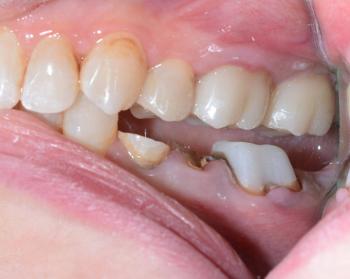
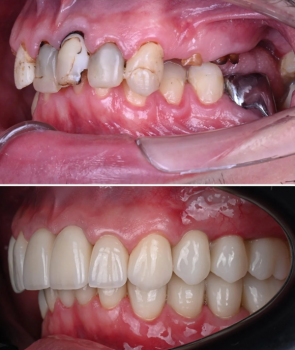
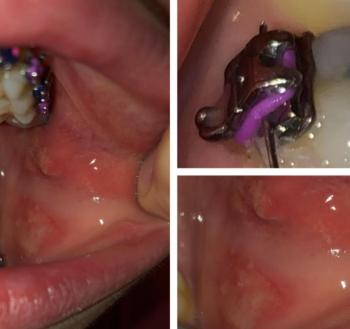
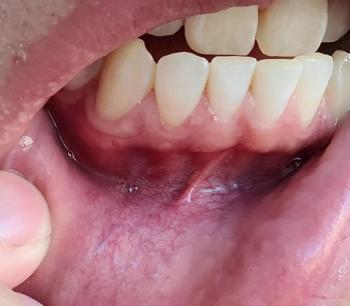
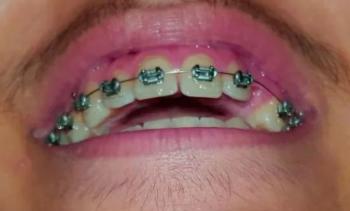
Patients with lower front gum inflammation may also experience tartar buildup, periodontal disease, gum abscesses, or tooth decay. Explore these related clinical case studies.

Other topics:
Other Dental Clinic