Modern Dentistry, Timeless Smiles.

Can You Leave a Missing Tooth Without Replacement? Michigan USA Expert Guide
Language :
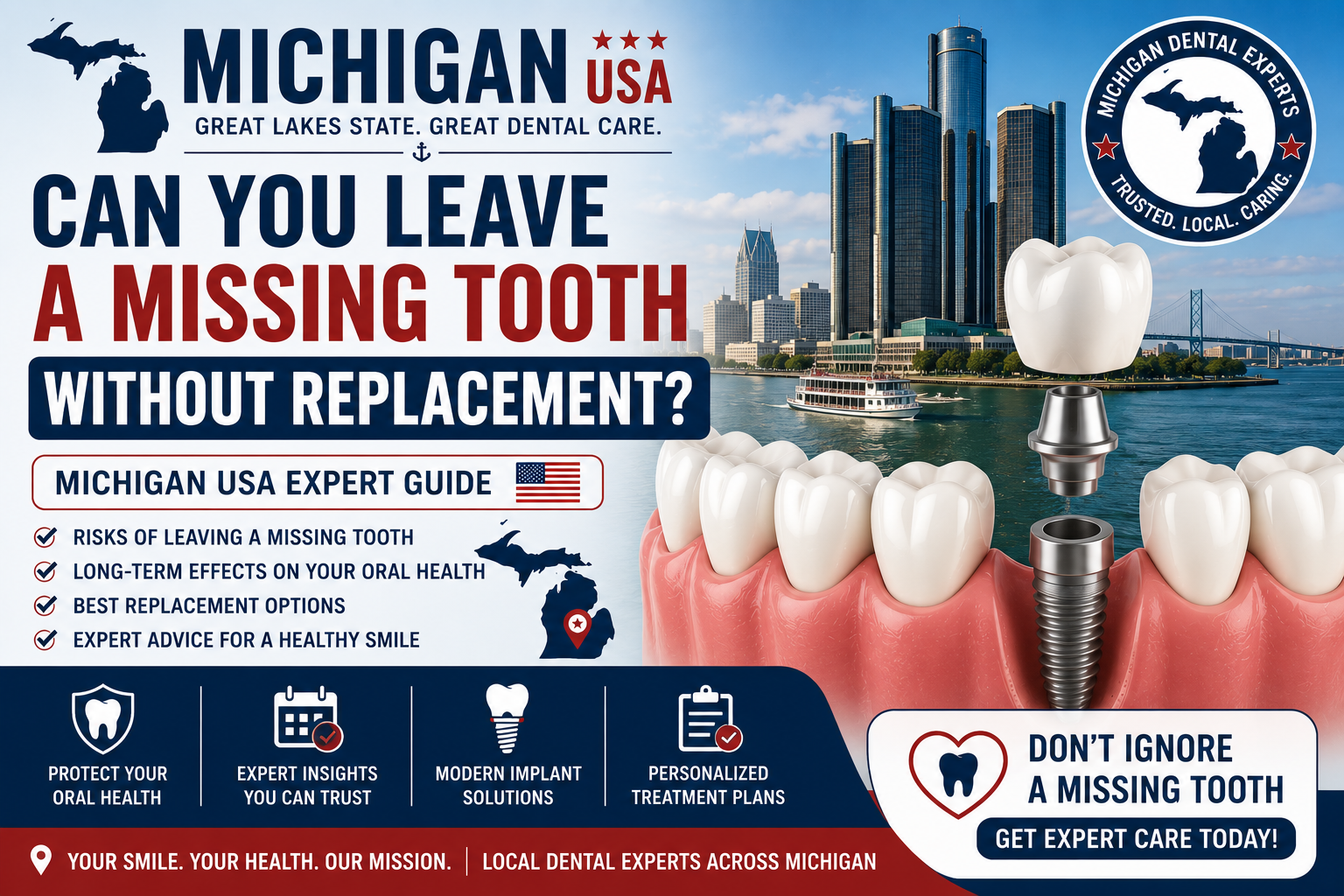
Losing a tooth can feel like a minor inconvenience at first, especially if the missing tooth is not visible when you smile. Many people in Michigan delay treatment because they believe they can live comfortably without replacing the tooth. In some situations, people may go years without noticing major problems. However, dentists across the United States regularly warn patients that leaving a missing tooth untreated can create long-term oral health complications.
Whether the tooth was lost because of decay, gum disease, trauma, sports injuries, or extraction, the empty space affects far more than appearance. Missing teeth can gradually change the way you chew, speak, and even how your jawbone functions over time.
Modern dentistry offers several tooth replacement options, including dental implants, bridges, and dentures. Among these, dental implants are often considered the gold standard because they closely mimic natural teeth and help preserve bone structure.
This comprehensive Michigan USA guide explains what happens when you leave a missing tooth without replacement, the risks involved, treatment options, costs, and expert dental advice to help you make the best decision for your long-term oral health.
Why Missing Teeth Should Never Be Ignored
A missing tooth is not only a cosmetic issue. Teeth work together as a complete system. When one tooth disappears, the surrounding teeth and jawbone begin adapting to the empty space.
The Domino Effect of Tooth Loss
Each tooth supports neighboring teeth. Once one is missing:
- Adjacent teeth may shift
- Opposing teeth may over-erupt
- Bite alignment can change
- Jawbone density may decrease
- Chewing efficiency drops
These changes can happen slowly, making them easy to overlook at first.
What Happens If You Leave a Missing Tooth Without Replacement?
Bone Loss Begins Quickly
One of the biggest concerns after tooth loss is jawbone deterioration.
Your tooth roots stimulate the jawbone every time you chew. Once the tooth is gone, that stimulation disappears. The body begins reabsorbing unused bone tissue.
How Fast Does Bone Loss Occur?
Research shows significant bone loss may begin within the first year after tooth extraction.
Potential effects include:
- Sunken facial appearance
- Weaker jawbone
- Premature aging around the mouth
- Difficulty placing implants later
Dental implants are unique because they replace the tooth root and help maintain bone stimulation.
Teeth Start Shifting
Teeth naturally move toward open spaces.
When a gap remains untreated:
- Neighboring teeth tilt inward
- Bite imbalance develops
- Food trapping increases
- Cleaning becomes harder
Over time, crooked teeth may increase the risk of:
- Cavities
- Gum disease
- Jaw pain
- Uneven tooth wear
Bite Problems and TMJ Issues
Missing teeth can affect how your upper and lower jaws align.
This may contribute to:
- Jaw discomfort
- Headaches
- Teeth grinding
- Clicking jaw joints
- TMJ disorders
Even losing one molar can change chewing patterns and place extra stress on remaining teeth.
Difficulty Chewing Food
Back teeth play a major role in chewing efficiency.
Without replacement:
- Hard foods become difficult to chew
- Patients may avoid nutritious foods
- Digestion may suffer from poor chewing
Many patients unconsciously chew on only one side of the mouth, causing uneven wear.
Speech Changes
Front teeth are especially important for pronunciation.
Missing teeth can affect:
- “S” sounds
- “F” sounds
- Clear speech patterns
Some people develop speech difficulties or embarrassment during conversations.
Increased Risk of Gum Disease
Open gaps can trap food particles and bacteria.
This raises the risk of:
- Gum inflammation
- Tooth decay
- Periodontal disease
- Further tooth loss
Poor oral hygiene around missing spaces often worsens the problem.
Is It Ever Safe to Leave a Missing Tooth Unreplaced?
Sometimes, But Not Usually
There are limited situations where replacing a tooth may not be immediately necessary.
Examples include:
- Missing wisdom teeth
- Certain non-functional teeth
- Severe medical limitations
- Temporary delays before implant treatment
However, dentists usually recommend evaluating every missing tooth carefully.
Which Missing Teeth Are Most Important to Replace?
Front Teeth
Front teeth are critical for:
- Appearance
- Speech
- Confidence
Even one missing front tooth can significantly affect self-esteem.
Molars
Molars handle most chewing forces.
Missing molars can lead to:
- Bite collapse
- Excessive wear
- Difficulty chewing
- Jaw imbalance
Many patients underestimate how important back teeth are until problems develop.
Dental Implant vs Leaving the Space Empty
Comparison Table
| Factor | Leave Tooth Missing | Dental Implant |
|---|---|---|
| Jawbone Preservation | Bone loss occurs | Helps preserve bone |
| Appearance | Gap visible | Natural appearance |
| Chewing Ability | Reduced | Restored |
| Speech | May worsen | Usually improved |
| Long-Term Stability | Teeth shift | Stable |
| Maintenance | Complications possible | Similar to natural teeth |
| Facial Structure | May collapse over time | Better support |
Why Dental Implants Are Popular in Michigan USA
Dental implants have become increasingly common throughout Michigan because they offer long-term stability and natural-looking results.
What Is a Dental Implant?
A dental implant consists of:
- Titanium implant post
- Abutment connector
- Dental crown
The implant integrates with the jawbone through a process called osseointegration.
Benefits of Dental Implants
Natural Appearance
Implants are designed to resemble natural teeth closely.
Most patients cannot distinguish implants from real teeth.
Bone Preservation
Unlike dentures or bridges, implants stimulate the jawbone.
This helps reduce:
- Bone shrinkage
- Facial collapse
- Premature aging
Long-Term Durability
With proper care, implants may last decades.
Many implants remain successful for 20 years or longer.
Better Chewing Power
Implants restore strong bite function.
Patients can often enjoy:
- Steak
- Apples
- Nuts
- Crunchy vegetables
without difficulty.
Protects Neighboring Teeth
Dental bridges may require shaving adjacent teeth.
Implants usually preserve healthy surrounding teeth.
Alternatives to Dental Implants
Not every patient chooses implants immediately.
Other options include:
Dental Bridges
A bridge uses neighboring teeth to support an artificial tooth.
Advantages
- Faster treatment
- Lower initial cost
- Fixed in place
Disadvantages
- Requires altering healthy teeth
- Does not prevent bone loss
- May need replacement later
Partial Dentures
Removable dentures replace one or more missing teeth.
Advantages
- Affordable
- Non-surgical
- Easy to make
Disadvantages
- Less stable
- Can move during eating
- May feel bulky
How Long Can You Wait Before Replacing a Missing Tooth?
Earlier Is Usually Better
Delaying replacement may reduce future treatment options.
The longer the tooth is missing:
- The more bone loss occurs
- Teeth shift further
- Bite complications increase
Some patients later require:
- Bone grafting
- Orthodontics
- Additional surgery
before implant placement becomes possible.
Signs You Should Replace a Missing Tooth Soon
You should consult a dentist promptly if you notice:
- Difficulty chewing
- Teeth shifting
- Jaw discomfort
- Speech problems
- Bone shrinkage
- Facial changes
- Gum irritation
Early intervention often reduces overall treatment complexity.
Dental Implant Procedure Explained
Step 1: Consultation and Imaging
Dentists evaluate:
- Bone density
- Gum health
- Medical history
- Bite alignment
Digital X-rays or 3D CBCT scans are commonly used.
Step 2: Tooth Extraction (If Needed)
Damaged teeth may need removal before implant placement.
Some patients qualify for immediate implants placed the same day.
Step 3: Implant Placement Surgery
The titanium post is inserted into the jawbone.
Most procedures use local anesthesia and are well tolerated.
Step 4: Healing Period
Osseointegration usually takes several months.
During healing:
- Bone bonds with the implant
- Stability improves
- Temporary restorations may be used
Step 5: Crown Placement
After healing, the custom crown is attached.
The final result aims to restore:
- Function
- Appearance
- Comfort
Are Dental Implants Painful?
Most Patients Report Mild Discomfort
Modern implant dentistry is far more comfortable than many people expect.
Common experiences include:
- Mild swelling
- Minor soreness
- Temporary tenderness
Most patients manage recovery with standard pain medications.
Who Is a Good Candidate for Dental Implants?
Ideal candidates generally have:
- Healthy gums
- Adequate jawbone
- Good oral hygiene
- Controlled medical conditions
Even patients with bone loss may qualify after grafting procedures.
Medical Conditions That May Affect Implant Success
Certain conditions require careful management:
Diabetes
Controlled diabetes usually allows successful implant treatment.
Poorly controlled diabetes may slow healing.
Smoking
Smoking increases implant failure risk.
Dentists strongly encourage quitting before surgery.
Gum Disease
Untreated periodontal disease can threaten implant stability.
Healthy gums are essential for long-term success.
How Much Do Dental Implants Cost in Michigan USA?
Costs vary depending on:
- Implant brand
- Bone grafting needs
- Number of implants
- Specialist experience
- Location within Michigan
Average Cost Estimates
| Treatment | Typical Price Range |
|---|---|
| Single Implant | $3,000–$6,000 |
| Implant Crown | Often included or separate |
| Bone Grafting | Additional cost |
| Full Mouth Implants | Much higher |
Dental insurance coverage varies significantly.
Are Dental Implants Worth the Cost?
Many patients view implants as a long-term investment.
Reasons Patients Choose Implants
- Better quality of life
- Improved confidence
- Strong chewing ability
- Long lifespan
- Bone preservation
Cheaper options may require more maintenance or replacement over time.
Risks of Ignoring Missing Teeth for Years
Long-term neglect can create serious oral complications.
Potential Problems Include
- Severe bone loss
- Multiple shifting teeth
- Gum disease
- Bite collapse
- Higher future treatment costs
What begins as one missing tooth can eventually affect the entire mouth.
Emotional and Social Effects of Missing Teeth
Missing teeth may impact:
- Self-confidence
- Smiling habits
- Social interactions
- Career confidence
Some patients avoid photos or public speaking due to embarrassment.
Replacing missing teeth often improves emotional well-being.
Practical Advice for Michigan Patients
Don’t Delay Dental Evaluations
Even if you are uncertain about implants, schedule a professional consultation.
Early assessment helps preserve options.
Ask About Bone Preservation
If extraction is unavoidable, discuss:
- Socket preservation
- Bone grafting
- Immediate implant possibilities
These procedures may reduce future complications.
Maintain Excellent Oral Hygiene
Healthy gums improve implant success.
Important habits include:
- Brushing twice daily
- Flossing carefully
- Regular dental cleanings
- Avoiding tobacco products
Consider Long-Term Value, Not Just Initial Cost
The cheapest option may not always provide the best long-term outcome.
Evaluate:
- Durability
- Maintenance
- Function
- Comfort
- Future expenses
Dental Implant Success Rates
Modern dental implants have very high success rates.
Many studies report success rates above 90% when properly planned and maintained.
Success depends heavily on:
- Skilled placement
- Oral hygiene
- Gum health
- Smoking habits
- Overall health
Frequently Asked Questions
Can you live normally with one missing tooth?
Some people function reasonably well initially, especially if the tooth is not visible. However, long-term complications often develop over time.
Does every missing tooth need replacement?
Not always, but most missing teeth should at least be professionally evaluated to prevent future oral health problems.
Is a dental implant better than a bridge?
Implants often provide better bone preservation and long-term stability. However, bridges may still be suitable in certain cases.
How long after extraction should you get an implant?
Timing varies. Some patients qualify for immediate implants, while others may wait several months depending on healing and bone condition.
What happens if bone loss becomes severe?
Advanced bone loss may require procedures such as bone grafting before implants can be placed.
Are implants safe for older adults?
Yes. Many seniors successfully receive dental implants if their overall health is suitable.
Can missing teeth change face shape?
Yes. Bone loss from missing teeth can contribute to facial collapse and an aged appearance over time.
What is the cheapest way to replace missing teeth?
Partial dentures are often the most affordable option initially, although they may not provide the same comfort or longevity as implants.
Expert Advice From a Michigan USA Dental Perspective
Dentists throughout Michigan commonly emphasize that preventing long-term damage is easier than correcting severe complications later.
While not every missing tooth creates immediate problems, oral structures continuously change after tooth loss. Acting early often allows simpler and more affordable treatment options.
The best treatment plan depends on:
- Your oral health
- Budget
- Bone condition
- Cosmetic goals
- Medical history
A personalized dental evaluation remains the most reliable way to determine the right solution.
Leaving a missing tooth without replacement may seem harmless at first, but the long-term consequences can affect your oral health, appearance, comfort, and confidence. Bone loss, shifting teeth, bite changes, chewing problems, and gum disease are common complications that gradually worsen over time.
Dental implants remain one of the most effective modern solutions because they replace both the visible tooth and the missing root. They help preserve jawbone structure, restore function, and provide natural-looking results that can last for many years.
However, bridges and dentures may still be appropriate alternatives depending on your situation, health, and budget.
If you are living with a missing tooth in Michigan, the most important step is seeking professional evaluation sooner rather than later. Early treatment often preserves more options, lowers long-term costs, and protects your overall oral health for the future.
Can tooth extraction cause infection? Mild inflammation is normal, but increasing swelling, fever, or severe pain may indicate infection. Learn more about post-extraction infection warning signs in this detailed guide.
Book a consultation with our Cebu dental specialists for proper evaluation and care.
Ready to get expert guidance?
If you’re experiencing severe pain or delayed healing, book a consultation with our Cebu dental specialists to get proper evaluation and care.
Consultation or contact page .
Book a Consultation
For severe discomfort or delayed healing, book a consultation with our Cebu dental specialists today.
Looking for a dentist? Browse our Cebu dental directory to find trusted clinics near you.
Medical Review and Clinical Basis
This article is based on clinical dental guidelines and real patient recovery patterns observed after tooth extraction procedures. The information reflects common post-extraction healing stages, including normal clot formation, gum tissue repair, and signs of possible complications such as dry socket or infection.
While mild discomfort is expected after a dental extraction, worsening pain after Day 3, bad odor, exposed bone, or spreading pain may require professional evaluation. These symptoms are consistent with known post-extraction complications described in standard dental practice.
About Cebu Dental Implants
Cebu Dental Implants provides comprehensive tooth extraction, surgical procedures, and dental implant services in the Philippines. Our team evaluates post-extraction healing, manages complications such as dry socket, and advises patients on proper aftercare to prevent infection and delayed healing.
If you experience severe pain or unusual symptoms after extraction, early professional assessment is recommended to prevent further complications.
Important Medical Disclaimer
This content is for educational purposes only and does not replace professional dental diagnosis. Every patient heals differently. If symptoms worsen or do not improve within a few days, consult a licensed dentist for proper evaluation and treatment.
Author
This article was prepared by the Cebu Dental Implants content team in consultation with licensed dental professionals experienced in tooth extraction and implant procedures.
Related Clinical Cases
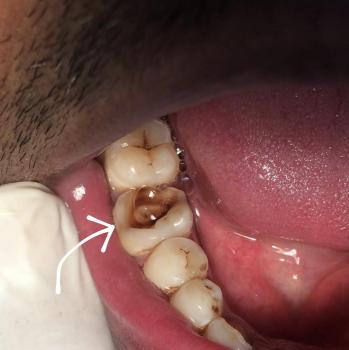
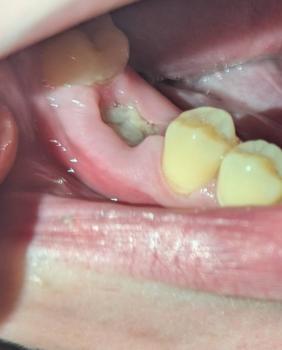
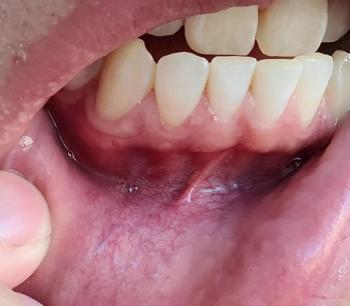
Patients with lower front gum inflammation may also experience tartar buildup, periodontal disease, gum abscesses, or tooth decay. Explore these related clinical case studies.
Other topics:
Other Dental Clinic