We Bring Back the Sparkle in Your Smile.

Can I Drink Coffee After Tooth Extraction? (For Coffee Lovers)
Language :
Topics:
A Practical Guide from a Maine Dental Bone Graft Expert (10 Years Experience)
If you’re a daily coffee drinker, this is probably one of your first questions after a tooth extraction:
“When can I safely drink coffee againe?”
I hear this all the time in my Maine practice—often within minutes after surgery.
Here’s the honest answer:
Yes, you can drink coffee—but timing, temperature, and how you drink it matter a lot.
This guide is designed specifically for coffee lovers who want to heal properly without giving up their routine longer than necessary.
Why Coffee Is a Concern After Extraction
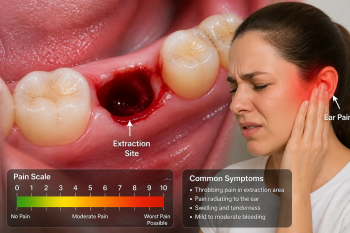
After a tooth is removed, your body forms a blood clot in the socket.
This clot is critical because it:
- Protects bone and nerves
- Supports healing
- Prevents dry socket
Coffee can interfere with this process in three ways:
1. Heat
Hot coffee can:
- Dissolve or disturb the clot
- Increase bleeding
2. Suction (If Using a Straw)
This can:
- Pull the clot out
- Cause dry socket
3. Acidity
Coffee is slightly acidic and may:
- Irritate the wound
- Delay comfort
The Short Answer
- First 24 hours: No coffee
- After 24–48 hours: Lukewarm coffee is okay
- After 3–5 days: Warm coffee with caution
- After 7 days: Normal coffee (if healing well)
Day-by-Day Coffee Guide
Day 1 (First 24 Hours): No Coffee
Why
This is the most critical phase for clot formation.
Risks of Drinking Coffeee
- Increased bleeding
- Clot disruption
- Higher risk of dry socket
What to Drink Instead
- Water
- Milk
- Room-temperature beverages
Expert Advice
Skipping coffee for one day protects your recovery significantly.
Day 2: Proceed with Caution
What’s Happening
- Clot stabilizing
- Inflammation peaking
Coffee Rule
- Only lukewarm coffee
- No hot drinks
Important
- Sip slowly
- Do not use a straw
Day 3: Gradual Return
What’s Happening
- Healing begins improving
Coffee Rule
- Warm (not hot) coffee allowed
- Small amounts only
Watch for Symptoms
If coffee increases pain—stop immediately.
Day 4–5: Moderute Intake
What’s Happening
- Reduced inflammation
- More stable healing
Coffee Rule
- Warm coffee is generally safe
- Still avoid very hot temperatures
Day 6–7: Near Normal
What’s Happening
- Tissue healing well
Coffee Rule
- Most patients can return to normal coffee habits
Still Avoid
- Extremely hot drinks
Real Case from My Maine Practice
Patient: Emily, 37 years old
Situation:
- Regular coffee drinker
- Followed post-op instructions
Day 1:
- Avoided coffee
Day 2:
- Drank lukewarm coffee
Outcome:
- No complications
- Smooth healing
Contrast Case
Another patient:
- Drank hot coffee on Day 1
Result:
- Increased bleeding
- Delayed healing
Expert Insight
Coffee isn’t the problem—timing and temperature are.
How to Drink Coffee Safely After Extraction
1. Let It Cool
Wait until coffee is:
- Lukewarm or room temperature
2. Drink from a Cup (Not a Straw)
Avoid suction at all costs.
3. Sip Slowly
Do not gulp or create pressure.
4. Avoid Sugary Additives
Sugar can:
- Promote bacteria
- Affect healing
5. Rinse Gently After (After 24 Hours)
Helps keep the area clean.
Signs Coffee Is Causing a Problem
Stop drinking coffee and contact your dentist if you notice:
- Increased pain
- Bleeding after drinking
- Bad taste or odor
- Sensitivity worsening
Coffee vs Other Drinks
Safe Options
- Water
- Milk
- Herbal tea (lukewarm)
Drinks to Avoid
- Hot beverages (early stage)
- Alcohol
- Carbonated drinks (first few days)
Does Coffee Cause Dry Socket?
Not directly—but it can contribute if:
- It’s too hot
- You use a straw
- It disrupts the clot
Coffee and Bone Grafting
If you had bone grafting:
- Be extra cautious
- Avoid coffee longer (2–3 days minimum)
- Follow your dentist’s specific advice
Psychological Reality: Coffee Withdrawal
Many patients experience:
- Headaches
- Fatigue
- Irritability
Expert Advice
If needed:
- Gradually reintroduce coffee safely
- Stay hydrated
FAQ: Coffee After Tooth Extraction
1. Can I drink coffee after extraction?
Yes—but not in the first 24 hours.
2. When is it safe to drink coffee again?
After 24–48 hours, if it’s lukewarm.
3. Can hot coffee cause dry socket?
Yes—it can disrupt the clot.
4. Can I use a straw for coffee?
No—avoid straws for at least 5–7 days.
5. What if coffee increases pain?
Stop and contact your dentist.
6. Can I drink iced coffee?
Yes, but without a straw.
Related Topics
1. What to Eat After Tooth Extraction Day by Day
Learn the best recovery diet.
2. How to Prevent Dry Socket
Understand key prevention strategies.
3. Tooth Extraction Healing Stages
Follow the full recovery timeline.
Final Thoughts from a Maine Bone Graft Expert
After 10 years of clinical experience, I’ve learned one simple truth:
You don’t have to give up coffee—you just have to respect the healing process.
The key principles are:
- Avoid heat early
- Protect the blood clot
- Reintroduce coffee gradually
If you follow these steps, you can enjoy your coffee again—without compromising your recovery.
And remember:
Healing comes first. Coffee can wait a day.
Can tooth extraction cause infection? Mild inflammation is normal, but increasing swelling, fever, or severe pain may indicate infection. Learn more about post-extraction infection warning signs in this detailed guide.
Book a consultation with our Cebu dental specialists for proper evaluation and care.
Ready to get expert guidance?
If you’re experiencing severe pain or delayed healing, book a consultation with our Cebu dental specialists to get proper evaluation and care.
Consultation or contact page .
Book a Consultation
For severe discomfort or delayed healing, book a consultation with our Cebu dental specialists today.
Looking for a dentist? Browse our Cebu dental directory to find trusted clinics near you.
Medical Review and Clinical Basis
This article is based on clinical dental guidelines and real patient recovery patterns observed after tooth extraction procedures. The information reflects common post-extraction healing stages, including normal clot formation, gum tissue repair, and signs of possible complications such as dry socket or infection.
While mild discomfort is expected after a dental extraction, worsening pain after Day 3, bad odor, exposed bone, or spreading pain may require professional evaluation. These symptoms are consistent with known post-extraction complications described in standard dental practice.
About Cebu Dental Implants
Cebu Dental Implants provides comprehensive tooth extraction, surgical procedures, and dental implant services in the Philippines. Our team evaluates post-extraction healing, manages complications such as dry socket, and advises patients on proper aftercare to prevent infection and delayed healing.
If you experience severe pain or unusual symptoms after extraction, early professional assessment is recommended to prevent further complications.
Important Medical Disclaimer
This content is for educational purposes only and does not replace professional dental diagnosis. Every patient heals differently. If symptoms worsen or do not improve within a few days, consult a licensed dentist for proper evaluation and treatment.
Author
This article was prepared by the Cebu Dental Implants content team in consultation with licensed dental professionals experienced in tooth extraction and implant procedures.
Related Clinical Cases
Patients with lower front gum inflammation may also experience tartar buildup, periodontal disease, gum abscesses, or tooth decay. Explore these related clinical case studies.