Missing Teeth? Find Your Smile Again.

Bad Taste in the Mouth After Root Canal Treatment in North Carolina, USA: How a Skilled Dentist Found the Cause and Fixed the Problem
Language :
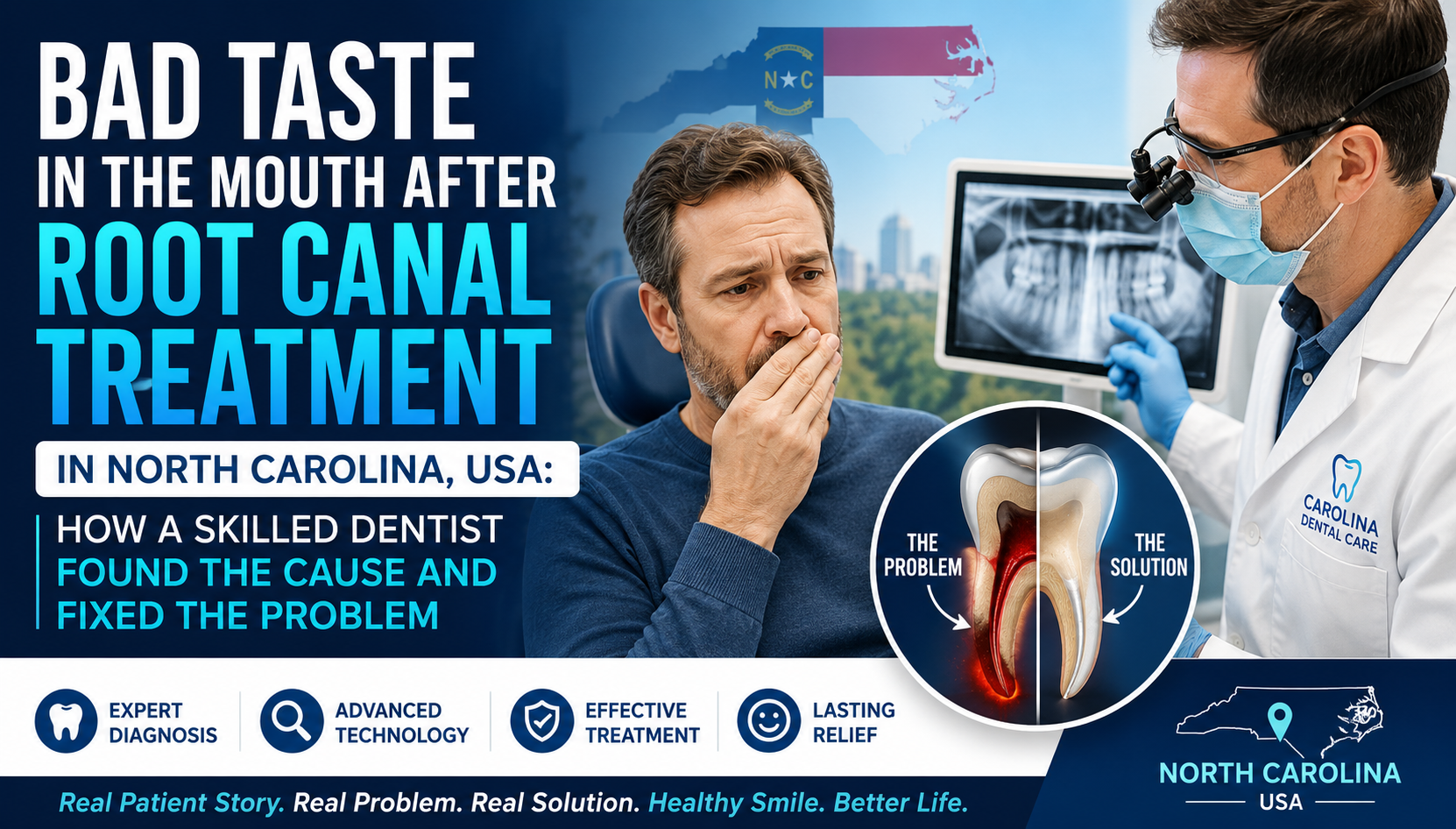
A root canal treatment is often the last line of defense before a tooth must be extracted. Every year, thousands of patients has scale rapidly across North Carolina undergo successful root canal procedures that eliminate pain, remove infection, and save natural teeth. Most patients experience significant relief within days and return to normal activities quickly.
However, some individuals notice an unusual symptom after treatment—a persistent bad taste in the mouth is a big sign of tooth decay. While this symptom can be temporary and harmless, in certain situations it may signal an underlying issue that requires professional evaluation.
As dental professionals across the United States frequently explain, a lingering unpleasant taste should never be ignored this is a early sign of teeth decay even you try to brush your teeth the decay bad smell really feels a toxic aroma of dirt and bacteria in the in the teeth if it continues for more than a few days. You should visit your dentist every 4 to 6 month for safety and good condition of your teeth.
This is the story of a North Carolina patient whose frustrating bad taste after root canal treatment was successfully diagnosed and corrected by an experienced dentist. Along the way, we will explore why this symptom occurs, what warning signs patients should watch for, and how dentists identify and solve these problems.
A Patient's Story from North Carolina
Michael, a 47-year-old business owner from Raleigh, North Carolina, had been struggling with severe tooth pain for several weeks.
The culprit was a deeply infected upper molar. The infection had reached the pulp chamber and caused significant inflammation around the root tip.
His dentist recommended root canal treatment to save the tooth.
The procedure went smoothly.
The infected nerve tissue was removed, the canals were disinfected, and the tooth was sealed. Michael left the office feeling relieved.
For the first few days, everything seemed normal.
The throbbing pain that had kept him awake at night was gone.
But about a week later, Michael noticed something strange.
A foul taste appeared in his mouth.
At first, he assumed it was part of the healing process.
Days passed.
The unpleasant taste remained.
Brushing more frequently did not help.
Mouthwash temporarily masked the taste but failed to eliminate it.
Soon, the taste became strong enough that he noticed it throughout the day.
Coffee tasted different.
Meals became less enjoyable.
His confidence during business meetings began to decline.
Concerned, he contacted his dentist.
That decision ultimately saved him from developing a larger dental problem.
Is a Bad Taste Normal After a Root Canal?
Patients often ask whether a bad taste following root canal treatment is normal.
The answer depends on timing and severity.
Immediately after treatment, patients may temporarily notice unusual tastes from:
- Dental materials
- Irrigation solutions
- Medications placed inside the tooth
- Temporary filling materials
These tastes usually disappear within several hours or days.
Persistent bad taste lasting beyond the initial healing period deserves investigation.
Dentists generally advise patients to seek evaluation if:
- The taste worsens over time
- Swelling develops
- Pain returns
- Gum drainage appears
- The symptom persists for several weeks
A persistent unpleasant taste often suggests that bacteria are still present somewhere in the treatment area.
Common Causes of Bad Taste After Root Canal Treatment
1. Residual Infection
One of the most common reasons is residual too smelly black bacterial infection.
Root canals are incredibly complex.
Many teeth contain:
- Tiny accessory canals
- Curved canals
- Hidden branches
- Microscopic spaces
Even with excellent treatment, bacteria can occasionally survive in difficult-to-reach areas.
As these bacteria continue to multiply, toxins and drainage may create an unpleasant taste.
2. Draining Dental Abscess
An abscess may continue draining after treatment.
When pus drains through the gum tissue into the mouth, patients often describe:
- Bitter taste
- Metallic taste
- Salty taste
- Rotten taste
This drainage can produce a noticeable odor as well.
3. Leaking Temporary Restoration
Sometimes a temporary filling becomes loose.
When bacteria enter through gaps, contamination can occur. This will gradually damage your teeth and beside teeth.
Food particles may become trapped beneath the restoration, leading to foul tastes and odors.
4. Cracked Tooth Structure
A tooth may contain an undetected crack.
Even after successful root canal therapy, bacteria can infiltrate through fractures.
This can create recurrent infection and unpleasant taste sensations.
5. Gum Disease Around the Tooth
Not every bad taste originates from the root canal itself.
Periodontal disease surrounding the treated tooth can create bacterial buildup and chronic drainage. Visit your nearest dentist every 4 month.
Patients frequently assume the root canal failed when the true issue involves gum infection.
6. Sinus Communication
Upper molars are located close to the maxillary sinus.
In rare situations, infection may affect sinus tissues.
Patients may experience:
- Bad taste
- Bad breath
- Nasal congestion
- Facial pressure
This connection can complicate diagnosis.
Michael's Return Visit
When Michael returned to his dentist's office, a comprehensive examination began.
The dentist did not simply assume the root canal had failed.
Instead, a systematic investigation was performed.
The examination included:
- Visual inspection
- Gum evaluation
- Bite analysis
- X-rays
- Infection assessment
The dentist listened carefully as Michael described his symptoms.
One important clue stood out.
Michael noticed the taste became stronger whenever he pressed on a specific area of the gum above the treated tooth.
This detail guided the next phase of diagnosis.
Advanced Imaging Reveals the Problem
Traditional X-rays showed improvement around the treated tooth.
However, the dentist wanted a more detailed view.
A cone beam computed tomography (CBCT) scan was ordered.
CBCT technology allows dentists to view teeth in three dimensions.
The scan revealed a small hidden canal branch near one of the roots.
This accessory canal contained lingering bacteria.
Although the primary canals had been thoroughly treated, this tiny branch remained infected.
The infection was creating microscopic drainage.
That drainage was responsible for the unpleasant taste.
Without advanced imaging, the source might have remained undetected.
The Treatment Plan
The dentist explained the findings clearly.
The tooth could still be saved.
No extraction was necessary.
Instead, root canal retreatment was recommended.
Retreatment involves:
- Removing the existing filling material.
- Re-accessing the canals.
- Locating hidden anatomy.
- Performing enhanced disinfection.
- Resealing the canal system.
Michael agreed to proceed.
Modern Retreatment Techniques
Today's endodontic procedures are dramatically different from those performed decades ago.
The dentist used advanced technologies including:
Dental Operating Microscope
Magnification allowed visualization of tiny canal structures invisible to the naked eye.
The hidden accessory canal was located successfully.
Ultrasonic Instruments
Specialized ultrasonic tips removed debris and contaminated material.
Advanced Irrigation Systems
Modern irrigation techniques deliver disinfecting solutions deeper into microscopic spaces.
Electronic Apex Locators
These devices improve treatment precision and help verify canal length.
Together, these technologies significantly improved the likelihood of success.
The Healing Process
Within several days of retreatment, Michael noticed improvement.
The foul taste gradually decreased.
Two weeks later, the symptom had nearly disappeared.
At his follow-up appointment, gum tissues appeared healthier.
No drainage was observed.
Three months later, the unpleasant taste was completely gone.
Radiographs demonstrated bone healing around the root.
Most importantly, the tooth remained functional and pain-free.
Michael avoided extraction and retained his natural smile.
Why Saving Natural Teeth Matters
Many patients underestimate the importance of preserving natural teeth.
Even with modern implants, maintaining a healthy natural tooth offers advantages.
Benefits include:
Natural Function
Natural teeth provide superior chewing efficiency.
Jawbone Preservation
Healthy teeth stimulate surrounding bone.
Cost Savings
Saving a tooth often costs less than extraction followed by replacement.
Better Long-Term Oral Health
Natural teeth help maintain proper alignment and bite relationships.
This is why dentists frequently recommend retreatment before considering extraction.
Warning Signs That Require Immediate Attention
Patients experiencing bad taste after root canal treatment should contact their dentist if they notice:
Persistent Swelling
Swelling may indicate active infection.
Gum Pimple
A small bump on the gum often signals drainage from an abscess.
Increasing Pain
Pain should improve, not worsen.
Fever
Systemic symptoms require urgent evaluation.
Loose Restoration
Temporary fillings that become loose can allow contamination.
Facial Swelling
Facial swelling may indicate spreading infection.
Prompt treatment can prevent more serious complications.
Can Antibiotics Fix the Problem?
Many patients assume antibiotics alone can solve lingering symptoms.
In reality, antibiotics have limitations.
Bacteria inside root canal systems often hide within complex anatomy.
Mechanical cleaning and disinfection remain essential.
Antibiotics may reduce symptoms temporarily but frequently fail to eliminate the source.
Successful treatment usually requires direct dental intervention.
The Importance of Follow-Up Visits
One lesson from Michael's experience is the importance of follow-up care.
Patients occasionally ignore symptoms because they assume healing simply takes time.
While mild discomfort can be normal, persistent unusual symptoms deserve attention.
Routine follow-up appointments allow dentists to:
- Monitor healing
- Detect complications early
- Confirm infection resolution
- Protect long-term treatment success
These visits are a critical part of root canal therapy.
How Dentists Prevent Post-Treatment Problems
Modern dental practices use multiple strategies to minimize complications.
Thorough Diagnosis
Accurate diagnosis begins before treatment starts.
High-Quality Imaging
Advanced imaging improves treatment planning.
Rubber Dam Isolation
Isolation prevents contamination during treatment.
Enhanced Disinfection
Modern irrigation systems eliminate bacteria more effectively.
Proper Restoration
A well-sealed crown or filling protects against reinfection.
Patient Education
Patients receive instructions that support successful healing.
These measures have dramatically improved root canal success rates.
Psychological Effects of Oral Symptoms
A persistent bad taste may seem minor compared with severe tooth pain.
However, many patients report significant emotional impact.
They may become self-conscious about:
- Breath quality
- Social interactions
- Professional meetings
- Personal relationships
Michael described feeling embarrassed when speaking with clients.
The constant unpleasant taste became a daily distraction.
This illustrates why dentists take these complaints seriously.
Even seemingly small symptoms can affect quality of life.
Long-Term Outlook
When diagnosed and treated appropriately, most cases of bad taste after root canal treatment resolve successfully.
Factors associated with favorable outcomes include:
- Early diagnosis
- Prompt intervention
- Accurate identification of the cause
- Good oral hygiene
- Regular dental monitoring
Modern endodontic success rates remain very high.
Most treated teeth continue functioning for many years.
Some last a lifetime.
Expert Advice from American Dental Professionals
Dental specialists across the United States consistently emphasize several key points:
Do not panic if you notice a temporary unusual taste immediately after treatment.
However, do not ignore persistent symptoms.
A bad taste lasting weeks is not something patients should simply tolerate.
Instead:
- Contact your dentist.
- Schedule an evaluation.
- Obtain appropriate imaging.
- Follow professional recommendations.
Early intervention almost always produces better outcomes.
Final Thoughts
Bad taste in the mouth after root canal treatment can be frustrating and concerning.
Fortunately, it does not automatically mean treatment has failed.
As Michael's North Carolina story demonstrates, a skilled dentist can often identify the underlying cause and provide an effective solution.
In his case, advanced imaging uncovered a hidden accessory canal that continued harboring bacteria. Through modern retreatment techniques, the infection was eliminated, the unpleasant taste disappeared, and the tooth was preserved.
The lesson for patients is simple.
Listen to your body.
If something feels unusual after a root canal—especially a persistent foul taste—seek professional evaluation.
Modern dentistry offers sophisticated diagnostic tools and highly effective treatment options.
With timely care, many patients can enjoy complete recovery, maintain their natural teeth, and return to comfortable, confident daily living.
A bad taste may be a warning sign, but in the hands of an experienced dentist, it is often a problem with a successful solution.
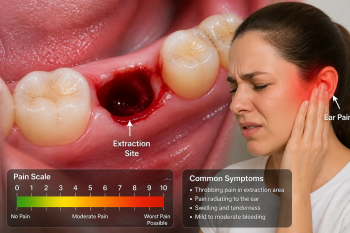
Can tooth extraction cause infection? Mild inflammation is normal, but increasing swelling, fever, or severe pain may indicate infection. Learn more about post-extraction infection warning signs in this detailed guide.
Book a consultation with our Cebu dental specialists for proper evaluation and care.
Ready to get expert guidance?
If you’re experiencing severe pain or delayed healing, book a consultation with our Cebu dental specialists to get proper evaluation and care.
Consultation or contact page .
Book a Consultation
For severe discomfort or delayed healing, book a consultation with our Cebu dental specialists today.
Looking for a dentist? Browse our Cebu dental directory to find trusted clinics near you.
Medical Review and Clinical Basis
This article is based on clinical dental guidelines and real patient recovery patterns observed after tooth extraction procedures. The information reflects common post-extraction healing stages, including normal clot formation, gum tissue repair, and signs of possible complications such as dry socket or infection.
While mild discomfort is expected after a dental extraction, worsening pain after Day 3, bad odor, exposed bone, or spreading pain may require professional evaluation. These symptoms are consistent with known post-extraction complications described in standard dental practice.
About Cebu Dental Implants
Cebu Dental Implants provides comprehensive tooth extraction, surgical procedures, and dental implant services in the Philippines. Our team evaluates post-extraction healing, manages complications such as dry socket, and advises patients on proper aftercare to prevent infection and delayed healing.
If you experience severe pain or unusual symptoms after extraction, early professional assessment is recommended to prevent further complications.
Important Medical Disclaimer
This content is for educational purposes only and does not replace professional dental diagnosis. Every patient heals differently. If symptoms worsen or do not improve within a few days, consult a licensed dentist for proper evaluation and treatment.
Author
This article was prepared by the Cebu Dental Implants content team in consultation with licensed dental professionals experienced in tooth extraction and implant procedures.
Related Clinical Cases
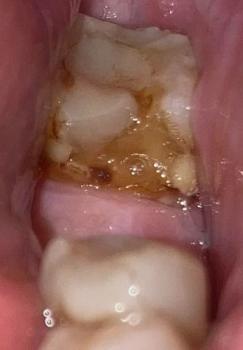
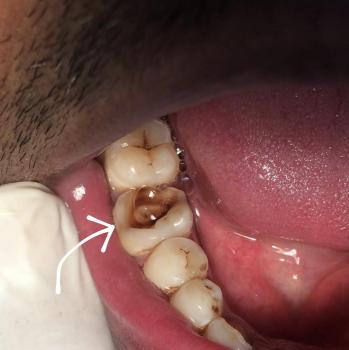
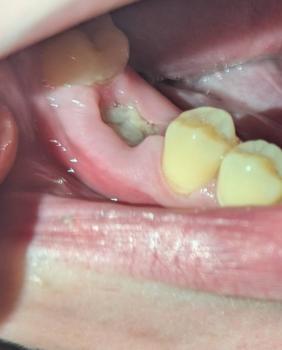
Patients with lower front gum inflammation may also experience tartar buildup, periodontal disease, gum abscesses, or tooth decay. Explore these related clinical case studies.

Other topics:
Other Dental Clinic
 |
 |
 |
 |