Your Smile, Perfected with Precision.

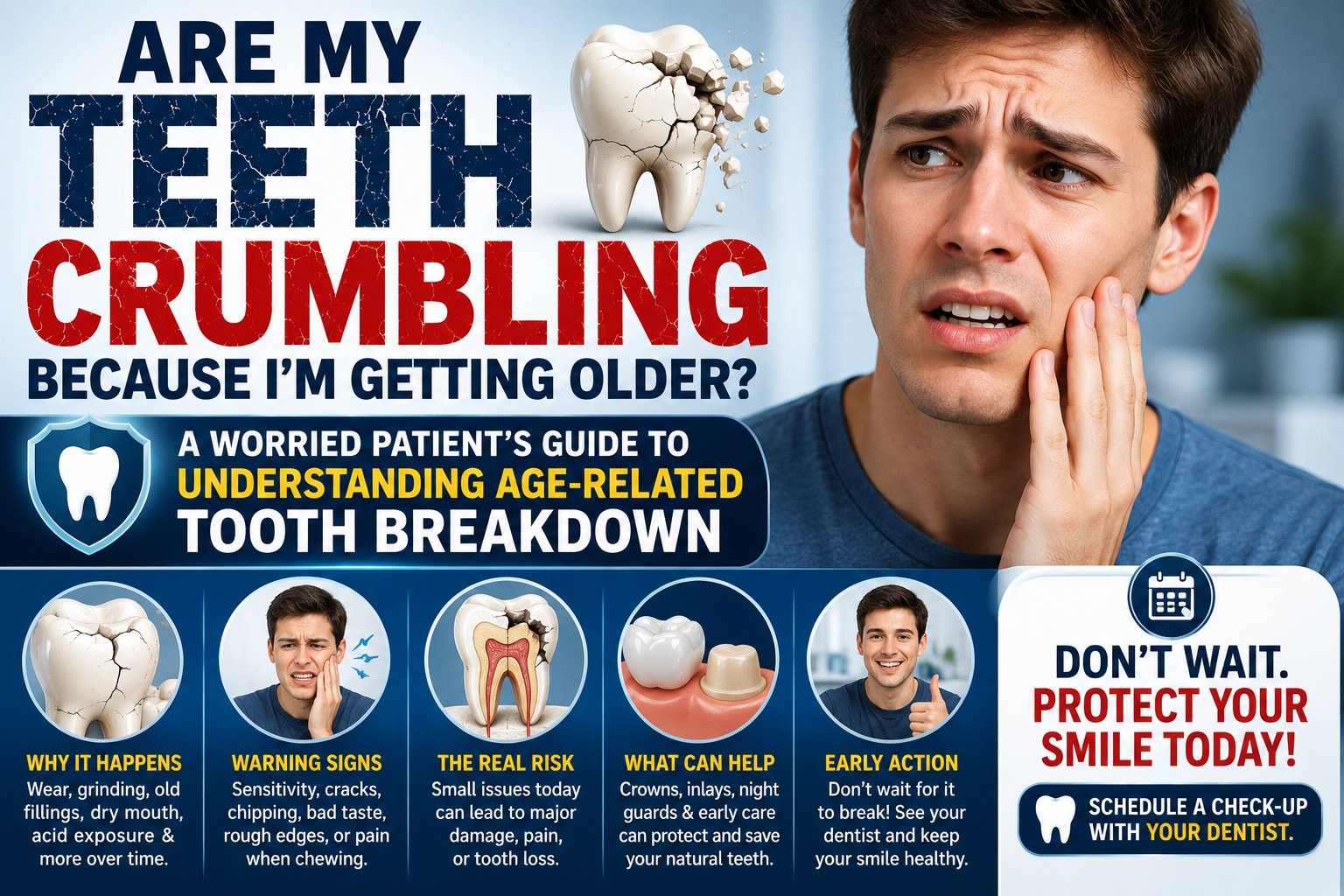
Are My Teeth Crumbling Because I'm Getting Older? A Worried Patient's Guide to Understanding Age-Related Tooth Breakdown
Language :
Topics:
"I keep running my tongue across my teeth all day. Something doesn't feel right anymore."
"I noticed a rough edge last month. Then another small chip appeared. Now I can't stop worrying that my teeth are slowly falling apart."
"Is this just what happens when you get older?"
If these thoughts sound familiar, you are not alone.
Many adults become increasingly concerned when they notice small changes in their teeth as they get older. A tooth that suddenly chips while eating bread. A rough edge that was not there before. Increased sensitivity to cold water. Tiny cracks visible in the bathroom mirror.
These changes often trigger anxiety because they create an uncomfortable feeling that something irreversible is happening.
The good news is that teeth do not simply crumble because you have reached a certain age.
However, the reality is slightly more complicated.
As we grow older, our teeth accumulate the effects of decades of chewing, grinding, acidic foods, dental work, and everyday wear. These factors can gradually weaken the structure of a tooth until one day a crack, chip, or fracture finally becomes visible.
For many patients, that visible damage feels sudden.
For dentists, it often represents the final stage of a process that has been developing quietly for years.
Understanding why this happens can help you take action before a small problem becomes a major dental emergency.
Why Teeth Do Not Actually "Expire"
One of the biggest misconceptions patients have is that teeth simply wear out because of age.
Your natural teeth are remarkably durable.
The outer layer, known as enamel, is the hardest substance in the human body. It is designed to withstand incredible chewing forces day after day, year after year.
Unlike skin or bone, however, enamel cannot repair itself.
Once damage occurs, the body cannot regenerate lost enamel.
This means every small crack, every acid attack, every grinding episode, and every cavity leaves a permanent mark.
Think of your teeth like a house.
A well-maintained house can remain strong for generations.
A neglected house may begin showing signs of structural problems long before it reaches old age.
The same principle applies to your teeth.
Age itself is not the enemy.
The cumulative effects of time are.
The Hidden Impact of Cumulative Wear and Tear
Most people never think about how often they use their teeth.
Consider this:
Every day you chew hundreds or even thousands of times.
Every meal applies pressure.
Every snack creates friction.
Every bite transfers force through the enamel and underlying tooth structure.
Multiply this by decades.
The numbers become staggering.
A 60-year-old patient may have performed millions of chewing cycles throughout their lifetime.
Even extremely durable materials eventually show signs of fatigue under repeated stress.
Micro-Cracks: The Beginning of Structural Breakdown
One of the earliest signs of cumulative wear is the development of microscopic cracks.
These cracks are often invisible.
Patients typically have no symptoms.
The tooth still appears healthy.
The problem is that these tiny defects create weak points.
Over time, additional stress causes them to deepen.
Eventually, a patient may notice:
- A chipped corner
- A rough edge
- A visible crack
- Sensitivity when biting
The damage seems sudden.
In reality, it may have been developing for many years.
The Role of Teeth Grinding and Clenching
Many worried patients ask:
"Why did my tooth crack when I wasn't even eating anything hard?"
One possible answer is bruxism.
Bruxism is the habit of grinding or clenching teeth.
Many people do it unconsciously during sleep.
Unfortunately, grinding creates forces that are often much stronger than normal chewing.
Over time, this pressure contributes to:
- Enamel wear
- Tooth flattening
- Micro-cracks
- Fractures
- Crown damage
- Filling failure
Patients are frequently unaware they grind until a dentist identifies the characteristic wear patterns.
Aging Dental Restorations: A Common Cause of Crumbling Teeth
Dental fillings, crowns, and bridges are designed to restore damaged teeth.
However, no restoration lasts forever.
Just like a roof eventually needs replacement, dental work eventually ages.
This becomes increasingly important as patients enter their 50s, 60s, and 70s.
Many restorations placed decades earlier may now be reaching the end of their expected lifespan.
Why Older Fillings Can Become Problematic
A large filling replaces natural tooth structure.
Although modern materials are highly effective, they do not behave exactly like natural enamel.
Over time:
- Fillings may shrink
- Margins may leak
- Tiny gaps may develop
- Secondary decay may occur
The remaining natural tooth structure becomes more vulnerable.
Eventually, the surrounding tooth walls may fracture.
Patients often describe this experience as:
"My tooth just started crumbling."
What actually happened was gradual weakening followed by structural failure.
Crowns Can Age Too
Even crowns eventually wear.
A crown may still appear intact while hidden problems develop underneath.
Potential issues include:
- Decay beneath the crown
- Cement breakdown
- Margin leakage
- Root fractures
These problems can progress silently.
By the time symptoms appear, significant damage may already be present.
This is why routine examinations remain so important.
Chronic Dry Mouth: An Overlooked Threat
One of the most underestimated causes of tooth deterioration is dry mouth.
Many patients view dry mouth as a minor inconvenience.
Dentists view it very differently.
Saliva performs several essential protective functions.
It helps:
- Neutralize acids
- Wash away food particles
- Deliver minerals to enamel
- Control harmful bacteria
Without adequate saliva, the mouth becomes a much more hostile environment.
Why Dry Mouth Becomes More Common With Age
As people grow older, several factors contribute to reduced saliva production.
These include:
- Blood pressure medications
- Antidepressants
- Allergy medications
- Diabetes medications
- Autoimmune disorders
Many older adults take multiple medications simultaneously.
The combined effect can dramatically reduce saliva flow.
The Consequences of Dry Mouth
Without saliva's protective effects, patients become more susceptible to:
- Cavities
- Enamel erosion
- Tooth sensitivity
- Gum problems
- Structural breakdown
Decay can progress much faster than normal.
In some cases, teeth that appeared healthy only a few years earlier begin developing extensive damage.
Decades of Acid Exposure
Many patients underestimate how much acid their teeth encounter during a lifetime.
The damage accumulates slowly.
A single soda does not destroy a tooth.
A lifetime of acidic exposure is another story.
Common Sources of Acid
Examples include:
- Soft drinks
- Sports drinks
- Citrus fruits
- Energy drinks
- Wine
- Vinegar-based foods
The frequency of exposure matters greatly.
Repeated acid attacks gradually dissolve enamel minerals.
The enamel becomes thinner and weaker.
Silent Acid Reflux
A particularly important cause is acid reflux.
Many patients assume they would know if they have reflux.
Surprisingly, that is not always true.
Silent reflux can occur without obvious heartburn symptoms.
Yet stomach acid may still reach the mouth.
Because stomach acid is extremely strong, repeated exposure can severely damage enamel.
Dentists often notice signs of reflux-related erosion before patients receive a medical diagnosis.
Warning Signs You Should Never Ignore
One of the biggest mistakes worried patients make is waiting until severe pain develops.
Unfortunately, significant damage often occurs long before pain appears.
The following symptoms deserve professional evaluation.
Frequent Tooth Sensitivity
Sensitivity is often one of the earliest warning signs.
Patients may notice discomfort when consuming:
- Ice water
- Coffee
- Tea
- Cold desserts
Sensitivity may indicate:
- Enamel thinning
- Exposed dentin
- Cracks
- Failing restorations
Ignoring it allows the underlying problem to progress.
New Cracks or Craze Lines
Many adults notice thin lines appearing in their teeth.
These are known as craze lines.
Some are harmless.
Others indicate developing structural stress.
If cracks appear more visible over time, professional assessment is recommended.
Rough Edges and Chipping
Patients often discover damage with their tongue before seeing it.
A rough edge may signal:
- Enamel loss
- A small fracture
- Structural weakening
Even minor chips deserve evaluation.
Small fractures often become larger fractures.
Persistent Bad Taste
A persistent bad taste in one area of the mouth may indicate:
- Hidden decay
- Failing dental work
- Infection
- Cracked tooth syndrome
Many patients dismiss this symptom until pain develops.
Early diagnosis is usually preferable.
Pain When Chewing
Pain while biting is particularly important.
This symptom may suggest:
- Cracks
- Fractures
- Tooth flexing
- Structural instability
Even mild discomfort should not be ignored.
Why Waiting Often Makes Things Worse
Patients frequently hope the problem will stabilize on its own.
Unfortunately, teeth cannot heal themselves.
Unlike a cut on your skin, damaged enamel does not regenerate.
A crack does not seal itself.
A weakened tooth wall does not rebuild naturally.
Without intervention, the damage often progresses.
The Chain Reaction of Tooth Failure
A small crack may eventually become:
- A larger crack
- Tooth sensitivity
- Structural weakness
- Fracture
- Nerve irritation
- Infection
- Root canal treatment
- Extraction
The earlier treatment occurs, the more options are usually available.
What a Dentist Can Do
Many patients fear the worst when they notice signs of tooth breakdown.
Fortunately, modern dentistry offers numerous conservative solutions.
Treatment may include:
- Fluoride therapy
- Bonding
- Inlays
- Onlays
- Crowns
- Night guards
These options can often preserve natural teeth for many years.
The Value of Early Intervention
Conservative patients often appreciate a simple truth:
Small problems are usually easier and less expensive to treat than large problems.
A crown placed today may prevent an extraction tomorrow.
A night guard may prevent thousands of dollars in future repairs.
A routine examination may identify a failing filling before a tooth fractures.
Final Thoughts: Do Not Ignore What Your Teeth Are Telling You
If you have been worrying all day about a chipped tooth, a rough edge, increasing sensitivity, or visible cracks, your concern is understandable.
While teeth do not crumble simply because of age, decades of wear, aging dental work, dry mouth, acid exposure, and grinding can gradually weaken their structure.
The visible damage that appears today may be the result of years of silent changes occurring beneath the surface.
The most important message is this:
Do not wait for severe pain.
Do not assume the problem will resolve on its own.
And do not assume that age automatically means tooth loss.
Many weakened teeth can be successfully protected and preserved when identified early.
If you are noticing sensitivity, cracks, rough edges, chewing discomfort, or signs that your teeth no longer feel as strong as they once did, schedule a professional dental evaluation. Taking action today may help preserve your natural smile, prevent future complications, and provide the peace of mind that every worried patient deserves.
Can tooth extraction cause infection? Mild inflammation is normal, but increasing swelling, fever, or severe pain may indicate infection. Learn more about post-extraction infection warning signs in this detailed guide.
Book a consultation with our Cebu dental specialists for proper evaluation and care.
Ready to get expert guidance?
If you’re experiencing severe pain or delayed healing, book a consultation with our Cebu dental specialists to get proper evaluation and care.
Consultation or contact page .
Book a Consultation
For severe discomfort or delayed healing, book a consultation with our Cebu dental specialists today.
Looking for a dentist? Browse our Cebu dental directory to find trusted clinics near you.
Medical Review and Clinical Basis
This article is based on clinical dental guidelines and real patient recovery patterns observed after tooth extraction procedures. The information reflects common post-extraction healing stages, including normal clot formation, gum tissue repair, and signs of possible complications such as dry socket or infection.
While mild discomfort is expected after a dental extraction, worsening pain after Day 3, bad odor, exposed bone, or spreading pain may require professional evaluation. These symptoms are consistent with known post-extraction complications described in standard dental practice.
About Cebu Dental Implants
Cebu Dental Implants provides comprehensive tooth extraction, surgical procedures, and dental implant services in the Philippines. Our team evaluates post-extraction healing, manages complications such as dry socket, and advises patients on proper aftercare to prevent infection and delayed healing.
If you experience severe pain or unusual symptoms after extraction, early professional assessment is recommended to prevent further complications.
Important Medical Disclaimer
This content is for educational purposes only and does not replace professional dental diagnosis. Every patient heals differently. If symptoms worsen or do not improve within a few days, consult a licensed dentist for proper evaluation and treatment.
Author
This article was prepared by the Cebu Dental Implants content team in consultation with licensed dental professionals experienced in tooth extraction and implant procedures.
Related Clinical Cases
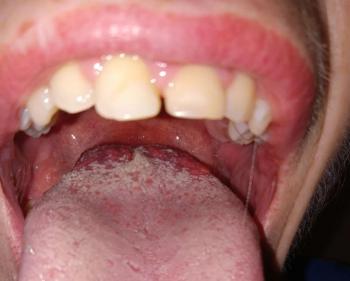
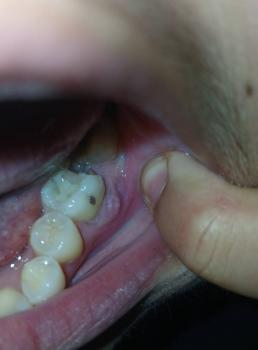
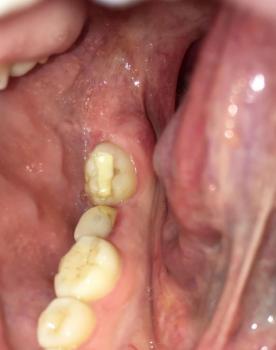
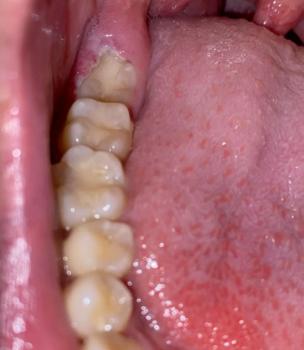
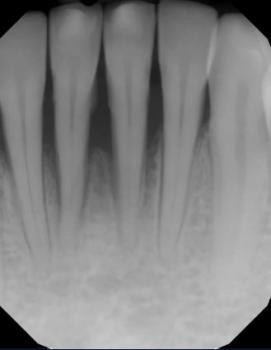
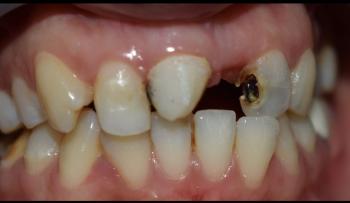
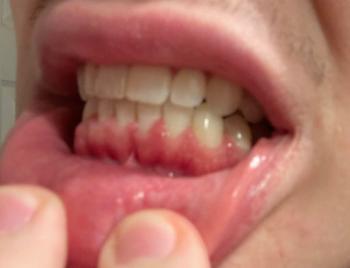
Patients with lower front gum inflammation may also experience tartar buildup, periodontal disease, gum abscesses, or tooth decay. Explore these related clinical case studies.
Other topics:
Other Dental Clinic
 |
 |
 |
 |