Your Smile, Our Passion.

All-on-4 Dental Implants Cost: USA vs Philippines A Concerned Dentist’s Perspective on Cost, Safety, and Smart Decisions
Language :
Topics:
All-on-4 dental implants have transformed the way we restore full smiles. Instead of dealing with removable dentures, patients can now enjoy a fixed, natural-looking set of teeth supported by just four implants per arch.
But there’s a reality I see every day in practice:
Patients want this life-changing treatment—but many simply cannot afford it.
In the United States, All-on-4 treatment often costs as much as a new car—or even a house down payment. This has pushed many patients to explore dental tourism, particularly in the Philippines, where the same procedure is significantly cheaper.
As a dentist, I understand the appeal. But I also carry a responsibility to raise concerns—not to discourage you, but to help you make a safe, informed, and realistic decision.
What Are All-on-4 Dental Implants?
All-on-4 is a full-arch restoration technique where four strategically placed implants support a complete set of prosthetic teeth.
Key Features:
- Only 4 implants per arch
- Immediate function in many cases (“teeth in a day”)
- Fixed (non-removable) solution
- Designed for patients with bone loss (often avoiding bone grafting)
Compared to traditional implants, All-on-4 is:
- Faster
- Less invasive
- More cost-efficient
But “more affordable” is relative—especially depending on where you get it done.
Cost Comparison: USA vs Philippines
United States Pricing
In the United States, All-on-4 costs typically range:
- Single arch: $20,000 – $35,000
- Full mouth (both arches): $40,000 – $70,000+
Why So Expensive?
From a clinical standpoint, here’s what you’re paying for:
- Highly trained specialists (oral surgeons, prosthodontists)
- Advanced imaging (CBCT scans, digital planning)
- Premium implant systems
- Sterile surgical environments
- Lab-crafted prosthetics (often made locally)
- Malpractice insurance and regulatory compliance
As a dentist, I can tell you:
These costs are real—and they directly support patient safety and predictability.
Philippines Pricing
In the Philippines, All-on-4 costs are significantly lower:
- Single arch: $6,000 – $12,000
- Full mouth: $12,000 – $24,000
Even after travel expenses, patients often save 50% to 70%.
Why the Price Difference Exists
Let’s be clear: lower cost does not automatically mean poor quality.
However, the price gap is driven by:
- Lower cost of living
- Reduced staff wages
- Lower overhead expenses
- Competitive dental tourism market
But here’s my concern as a dentist:
“Lower cost environments can sometimes lead to shortcuts—especially if you’re not careful about where you go.”
A Dentist’s Concern: What Patients Often Overlook
I’ve treated patients who traveled abroad for implants—and some had excellent results. Others came back with complications that were costly and difficult to fix.
Here are the most common issues I see:
1. Lack of Proper Diagnosis
All-on-4 is not “one-size-fits-all.”
Some clinics may skip:
- Detailed bone analysis
- Bite alignment planning
- Medical risk assessment
This can lead to:
- Implant failure
- Poor aesthetics
- Chronic discomfort
2. “Teeth in a Day” Misunderstanding
Immediate teeth are often temporary, not final.
Patients sometimes believe they are getting permanent teeth immediately, but:
- Final prosthetics require healing (3–6 months)
- Temporary materials can break or wear down
3. Follow-Up Challenges
This is my biggest concern.
Implants require:
- Adjustments
- Maintenance
- Monitoring
If something goes wrong after you return home:
- Your local dentist may not fix another clinic’s work
- You may need to travel back abroad
4. Material Transparency
Not all clinics clearly disclose:
- Implant brand
- Prosthetic material (acrylic vs zirconia)
- Lab quality
This matters more than most patients realize.
Quality of Care: USA vs Philippines
United States
The United States offers:
- Strict licensing and regulation
- Advanced surgical protocols
- Predictable long-term outcomes
From a dentist’s perspective, the biggest advantage is:
continuity of care.
Philippines
The Philippines has many highly skilled dentists, especially in major cities.
Strengths:
- Internationally trained professionals
- Modern equipment
- Patient-focused care
Concerns:
- Quality varies significantly between clinics
- No universal standard across all providers
Total Cost Breakdown (Realistic Scenario)
United States
- Procedure: $50,000
- Follow-ups: Included
- Travel: Minimal
Total: ~$50,000
Philippines
- Procedure: $18,000
- Flights: $800 – $1,500
- Hotel (2–3 weeks): $1,000 – $2,000
- Food/transport: $500
Total: ~$20,000 – $22,000
Who Should Consider Going Abroad?
You may consider treatment in the Philippines if:
- You cannot afford treatment in the U.S.
- You are generally healthy
- You can stay long enough for proper healing phases
- You are willing to research thoroughly
Who Should Think Twice?
As a concerned dentist, I strongly advise caution if:
- You have diabetes, osteoporosis, or complex medical conditions
- You require bone grafting or sinus lifts
- You expect long-term local follow-up
- You are choosing based purely on price
Red Flags When Choosing a Clinic Abroad
Watch out for:
- Prices that seem “too good to be true”
- No clear treatment plan
- No mention of implant brands
- Lack of verifiable patient cases
- Poor communication
My Professional Advice
If you’re considering All-on-4 outside the United States, follow this checklist:
- Ask for a detailed treatment plan
- Confirm implant brand (e.g., global manufacturers)
- Request before-and-after cases
- Verify dentist credentials
- Understand the full timeline
- Plan for follow-up care
“Saving money should never mean gambling with your health.”
FAQ: All-on-4 Dental Implants
1. Are All-on-4 implants permanent?
Yes, they are designed to be a long-term solution. With proper care, they can last decades.
2. Is it safe to get All-on-4 in the Philippines?
It can be safe—but only if you choose a reputable clinic. Research is critical.
3. How long does the procedure take?
Initial surgery takes 1–2 days, but full completion (final teeth) can take 3–6 months.
4. Do All-on-4 implants fail?
Failure rates are low (around 2–5%), but risks increase with poor planning or aftercare.
5. Can I go back to normal eating?
Yes. Once healed, patients can eat most foods comfortably.
Related Topics
1. All-on-4 vs All-on-6 Implants
Understand the differences in stability, cost, and long-term durability.
2. Dental Tourism Risks and Benefits
A deeper look into safety, cost savings, and how to avoid common mistakes.
3. Zirconia vs Acrylic Full Arch Teeth
Compare materials used in final prosthetics and how they affect longevity and aesthetics.
Final Thoughts
All-on-4 dental implants are one of the most impactful treatments in modern dentistry. The cost difference between the United States and the Philippines is significant—and for many patients, traveling abroad is the only realistic option.
But as a dentist, I urge you to approach this decision carefully.
“The goal is not just affordable treatment—it’s successful treatment that lasts.”
Saving money upfront means nothing if complications cost you more later—financially, physically, and emotionally.
Choose wisely.
Can tooth extraction cause infection? Mild inflammation is normal, but increasing swelling, fever, or severe pain may indicate infection. Learn more about post-extraction infection warning signs in this detailed guide.
Book a consultation with our Cebu dental specialists for proper evaluation and care.
Ready to get expert guidance?
If you’re experiencing severe pain or delayed healing, book a consultation with our Cebu dental specialists to get proper evaluation and care.
Consultation or contact page .
Book a Consultation
For severe discomfort or delayed healing, book a consultation with our Cebu dental specialists today.
Looking for a dentist? Browse our Cebu dental directory to find trusted clinics near you.
Medical Review and Clinical Basis
This article is based on clinical dental guidelines and real patient recovery patterns observed after tooth extraction procedures. The information reflects common post-extraction healing stages, including normal clot formation, gum tissue repair, and signs of possible complications such as dry socket or infection.
While mild discomfort is expected after a dental extraction, worsening pain after Day 3, bad odor, exposed bone, or spreading pain may require professional evaluation. These symptoms are consistent with known post-extraction complications described in standard dental practice.
About Cebu Dental Implants
Cebu Dental Implants provides comprehensive tooth extraction, surgical procedures, and dental implant services in the Philippines. Our team evaluates post-extraction healing, manages complications such as dry socket, and advises patients on proper aftercare to prevent infection and delayed healing.
If you experience severe pain or unusual symptoms after extraction, early professional assessment is recommended to prevent further complications.
Important Medical Disclaimer
This content is for educational purposes only and does not replace professional dental diagnosis. Every patient heals differently. If symptoms worsen or do not improve within a few days, consult a licensed dentist for proper evaluation and treatment.
Author
This article was prepared by the Cebu Dental Implants content team in consultation with licensed dental professionals experienced in tooth extraction and implant procedures.
Related Clinical Cases
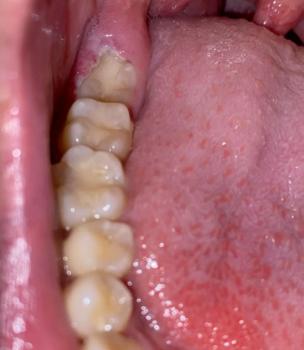
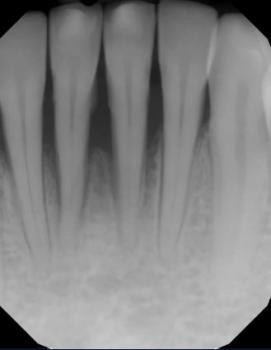
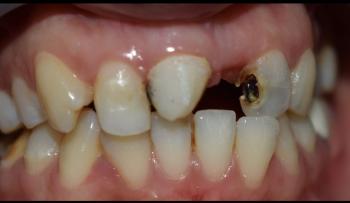
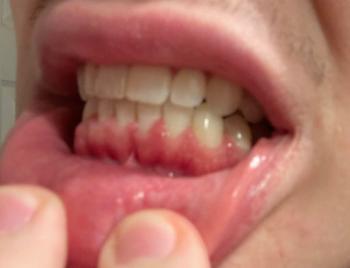
Patients with lower front gum inflammation may also experience tartar buildup, periodontal disease, gum abscesses, or tooth decay. Explore these related clinical case studies.