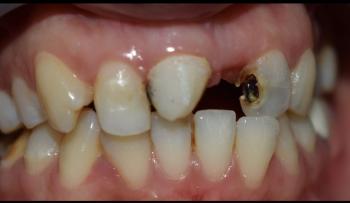
Missing Teeth? Find Your Smile Again.

Worsening Gum Swelling and White Spots: Causes, Warning Signs & When to See a Dentist
Image:
Severity:
Teeth Problems:
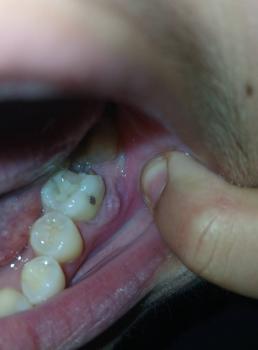
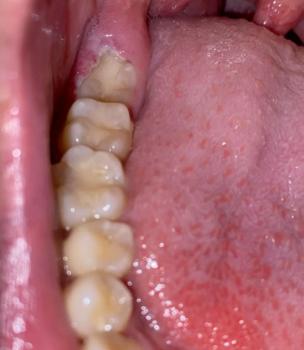
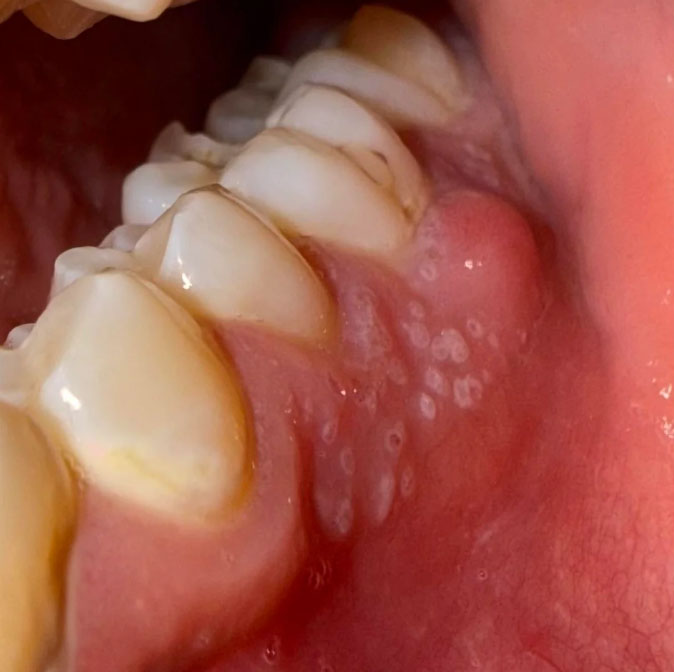
I examined the image at 100% and enlarged it. This is not enough to make a definitive diagnosis, because an intraoral photo cannot show the tooth roots, bone, periodontal pockets, or pulp. But there are several findings that deserve attention—especially because you report that it is getting worse every day.
What I can see
1. Gum/soft-tissue inflammation
- The gum beside the posterior teeth looks noticeably red and irritated.
- There appears to be localized swelling/fullness around the tooth-gum margin.
- This could be related to plaque-induced gingival inflammation, food impaction, trauma from chewing, periodontal inflammation, or an infection around a tooth.
2. Multiple small whitish circular areas
- The cluster on the inner cheek/adjacent mucosa is important to examine.
- From this photograph, I cannot safely call these an abscess or pus.
- They could represent friction/cheek irritation, minor mucosal changes, or another benign process, but persistent or enlarging white/red lesions need an in-person oral examination.
3. Teeth
- Several posterior teeth show visible discoloration/plaque deposits and possible early-to-moderate surface changes.
- The photograph does not allow me to determine whether there is deep decay, a cracked tooth, or infection extending toward the root.
- An X-ray may be necessary if there is pain, swelling, sensitivity, or a suspected dental infection.
My concern about waiting 14 days
If the area is progressively worsening every day, I would not deliberately wait 14 days before having it examined.
If this is simply traumatic irritation or gingivitis, it may improve after removing the irritant and improving oral hygiene. But if there is a developing dental/periodontal infection, the problem can progress from localized gum inflammation to a dental abscess or spreading soft-tissue infection. A dental abscess generally does not resolve by itself and requires dental treatment.
A reasonable target is a dental examination within 24–48 hours, particularly if the swelling or redness is increasing.
What could "scale up" over 14 days?
Potential progression, depending on the actual cause:
Localized inflammation → periodontal pocket/infection → abscess → facial/jaw swelling → spreading infection.
That's not a prediction that this will happen to this case. The photograph alone cannot establish that. But increasing swelling, pain, bad taste/pus, fever, swollen lymph nodes, or difficulty opening the mouth would make infection substantially more concerning.
What I would do now
- Arrange a dental examination as soon as possible, rather than observing for another 14 days.
- Ask the dentist to examine the gum and the posterior teeth individually.
- Ask whether periodontal probing and a dental X-ray are indicated.
- Have the dentist specifically examine the white circular mucosal lesions.
- Continue gentle brushing with fluoride toothpaste and clean between the teeth.
- Don't squeeze, puncture, scrape, or burn the swollen area.
- Avoid repeatedly touching it with your finger or a sharp object.
- If there is significant pain, use only an appropriate over-the-counter pain medicine according to its label and your personal medical restrictions.
Don't wait for a routine appointment if these appear
Go for urgent/emergency assessment if swelling rapidly increases or extends into the face/neck, or if there is difficulty breathing, swallowing, speaking, or opening the mouth. Those can indicate a potentially serious spreading infection.
Worsening Gum Swelling and White Spots: Causes, Warning Signs, and When to See a Dentist
Why Worsening Gum Swelling With White Spots Needs Attention
Gum swelling accompanied by white spots, patches, or small raised areas can indicate several different oral conditions. Some are related to plaque accumulation or irritation, while others may indicate a localized dental abscess, an ulcer, a fungal infection, or a persistent oral tissue abnormality.
From a clinical dental perspective, the most important question is not simply whether the gum looks white. It is whether the affected tissue is becoming more swollen, increasingly painful, ulcerated, or associated with other symptoms such as pus, fever, or facial swelling.
Progressive gum swelling should not be ignored, even when the pain is mild. A dental infection can sometimes progress without severe pain, particularly when the nerve inside a tooth has become damaged or died.
The appearance of a white spot alone cannot establish a diagnosis. A dental examination is necessary to determine whether the underlying cause is infection, inflammation, trauma, or another condition.
1. What Can White Spots on Swollen Gums Mean?
A. Localized gum abscess
A periodontal abscess is a collection of pus in the tissues surrounding a tooth, often associated with an existing periodontal pocket. It may appear as a localized, tender swelling with a white or yellow point.
Possible symptoms include:
-
A raised, swollen area beside a tooth.
-
Tenderness when chewing or touching the gum.
-
Pus discharge or an unpleasant taste.
-
Bleeding, persistent bad breath, or a feeling of pressure.
However, not every white spot contains pus. A dentist must examine the area and identify the source of the problem.
B. Tooth-root infection draining through the gum
An infection originating inside a tooth can spread toward the root tip and sometimes create a small opening through the gum called a draining sinus tract. It may look like a pimple on the gum and intermittently release fluid.
A draining infection may produce relatively little pain because pressure is being released. This does not mean that the infection has resolved.
Depending on the findings, treatment may involve root canal treatment, drainage, or extraction of a tooth that cannot be restored.
C. Plaque-related gingivitis or periodontitis
Plaque accumulation along the gumline can cause inflammation, redness, swelling, and bleeding. More advanced periodontal disease can damage the supporting tissues and bone around the teeth.
White spots are not a defining feature of ordinary plaque-related gingivitis. If white lesions occur together with significant swelling, another cause or an additional problem should be considered.
Professional cleaning, improved plaque control, and periodontal treatment may be needed depending on the severity.
D. Mouth ulcers or traumatic irritation
A mouth ulcer can develop after accidental biting, brushing injury, contact with a sharp tooth, or irritation from dental appliances. It may have a white or yellow center surrounded by red tissue.
Typical ulcers are shallow rather than pus-filled. Many heal within one to two weeks, but a persistent, enlarging, bleeding, or unusually painful lesion requires professional evaluation.
E. Oral thrush or other mucosal conditions
Oral thrush is a fungal infection that can cause creamy white patches, often on the tongue or inner cheeks, and sometimes on other oral surfaces. Risk factors include recent antibiotic use, inhaled corticosteroids, diabetes, and a weakened immune system.
Other white lesions may result from chronic irritation or changes in the oral lining. A white patch that does not wipe away easily should not automatically be classified as thrush.
Persistent white or red patches require assessment to exclude potentially serious tissue changes.
2. Warning Signs That Require Prompt Dental Evaluation
The combination of swelling and a white lesion becomes more concerning when symptoms are progressing.
Arrange an urgent dental appointment, preferably the same day when swelling is worsening or an abscess is suspected, if you experience:
-
Increasing gum swelling or a growing lump.
-
Pus, a persistent unpleasant taste, or suspected drainage.
-
Increasing toothache or pain when biting.
-
Swelling spreading toward the cheek or jaw.
-
Fever, chills, or feeling generally unwell.
-
Difficulty opening the mouth normally.
-
A loose tooth or significant gum tenderness.
Seek emergency medical care immediately if you develop difficulty breathing or swallowing, rapidly spreading swelling in the mouth or neck, major tongue or floor-of-mouth swelling, or swelling around the eye accompanied by visual symptoms. These can indicate a potentially dangerous spreading infection.
A white or red patch, ulcer, or lump that persists for more than two weeks should also be examined promptly. This does not mean that it is cancer, but persistent lesions need an appropriate diagnosis and sometimes further testing.
3. What Happens During a Dental Examination?
A dentist will assess the location and appearance of the lesion, how long it has been present, and whether the swelling is changing.
The examination may include:
-
Gum and soft-tissue assessment: Checking for redness, ulceration, pus, tissue damage, and the characteristics of the white area.
-
Tooth examination: Checking for decay, cracks, tenderness, previous dental treatment, and possible sources of infection.
-
Periodontal assessment: Measuring gum pockets and evaluating bleeding, tooth mobility, and supporting tissues when indicated.
-
Dental imaging: Taking an X-ray when necessary to look for infection around a tooth root, bone loss, or another dental cause.
-
Additional investigation: A persistent or suspicious white lesion may require specialist referral or biopsy rather than repeated treatment with antibiotics.
The goal is to establish the cause before selecting treatment. Different conditions can look similar but require very different management.
4. Treatment: Why Antibiotics Alone May Not Be Enough
Treatment depends on the diagnosis.
For a confirmed dental abscess, definitive treatment may require drainage, root canal treatment, periodontal treatment, or extraction. Antibiotics may be appropriate when there is spreading infection, systemic involvement, or another specific clinical indication.
Antibiotics do not remove infected tooth tissue, eliminate the source of every abscess, or replace necessary drainage. They are not routinely recommended for most localized pulpal and periapical dental conditions when definitive dental treatment is available.
Do not start leftover antibiotics, use someone else's prescription, or extend an antibiotic course without professional guidance. Unnecessary use can cause adverse reactions and contribute to antimicrobial resistance.
Persistent white patches may require a different treatment entirely. For example, a confirmed fungal infection may need antifungal medication, whereas an ulcer caused by mechanical irritation may improve after the source of irritation is removed.
5. What You Can Safely Do Before Your Appointment
While waiting for dental evaluation:
-
Brush gently with a soft-bristled toothbrush and fluoride toothpaste.
-
Clean between the teeth carefully if this does not cause significant pain.
-
Rinse gently with warm salt water and spit it out.
-
Choose soft foods and avoid very hot, spicy, or acidic foods if they irritate the area.
-
Avoid smoking and other irritants.
-
Do not squeeze, puncture, or attempt to drain a swollen gum lesion yourself.
-
Do not apply aspirin, concentrated peroxide, alcohol, or caustic home remedies directly to the gum.
For pain relief, ask a dentist or pharmacist which over-the-counter medicine is appropriate for your medical history and other medications.
These measures may provide temporary comfort, but they do not replace treatment of an underlying infection.
6. Clinical Takeaway
Worsening gum swelling with white spots should be evaluated according to the full clinical picture rather than appearance alone. A small white point might represent an ulcer, a localized collection of pus, a draining sinus tract, or another type of oral lesion.
The most important distinction is whether the lesion is improving or progressing and whether there are signs of spreading infection or persistent abnormal tissue.
Do not wait for severe pain to develop before seeking care. Progressive swelling warrants prompt dental assessment, while breathing or swallowing difficulty and rapidly spreading facial or neck swelling require emergency care.
Medical information note: This article is for educational purposes and does not diagnose an individual patient. Diagnosis and treatment require an examination by a qualified dental or medical professional.
Common Questions
1. Are white spots on swollen gums always a sign of infection?
No. White spots can occur with ulcers, irritation, fungal infections, keratotic lesions, and other oral conditions. A white or yellow point may also be associated with a dental abscess. The appearance alone cannot reliably distinguish these causes.
2. Can a gum abscess heal without antibiotics?
A dental abscess generally requires professional treatment to address the source of infection. Antibiotics are not necessary in every localized case, but drainage or treatment of the affected tooth or periodontal tissues may be required. Never assume that an abscess has healed simply because pain or swelling decreases.
3. Why is my gum swelling getting worse even though the pain is mild?
Pain intensity does not always reflect the severity of a dental problem. A draining abscess, damaged tooth nerve, or infection progressing through surrounding tissues may produce limited pain initially. Increasing swelling deserves prompt evaluation even if discomfort is mild.
4. Should I squeeze a white pimple on my gum to release the pus?
No. Do not squeeze or puncture the area. Doing so may injure the tissue and will not eliminate the underlying source of infection. A dentist can determine whether drainage is necessary and perform it safely.
5. How can I tell whether a white spot is pus or a mouth ulcer?
A gum abscess may appear as a raised, localized swelling, sometimes with a yellow-white point or drainage. An ulcer more often looks like a shallow white or yellow area surrounded by redness. These appearances overlap, so an examination is the safest way to distinguish them.
6. When should I worry about a white patch being oral cancer?
Most white spots are not necessarily cancer, but a persistent white or red patch, unexplained lump, thickened area, or ulcer that lasts longer than two weeks should be examined. The dentist may recommend referral or biopsy if the lesion appears suspicious.
7. Can poor oral hygiene cause swollen gums and white spots?
Poor plaque control can cause gingivitis and contribute to periodontal disease and dental infections. However, white spots are not a typical defining sign of simple gingivitis. A separate ulcer, fungal infection, abscess, or other lesion may also be present.
8. Is salt water enough to treat swollen gums?
A gentle warm salt-water rinse may temporarily soothe irritated tissues. It cannot reliably cure an abscess, treat advanced gum disease, or determine the cause of a persistent white lesion. Worsening swelling needs professional assessment.
9. Can a dental infection spread to the face or neck?
Yes. Some dental infections spread into nearby soft tissues and can cause facial or neck swelling, fever, and difficulty opening the mouth. Rapidly spreading swelling or difficulty breathing or swallowing requires emergency medical care.
10. What should I do if my gums remain swollen after taking antibiotics?
Contact your dentist promptly, particularly if the swelling has not improved or is getting worse. The original diagnosis may need reassessment, and the infection may require drainage, root canal treatment, extraction, or periodontal treatment. Do not repeat or change antibiotics without professional advice.
11. Can I wait a week to see whether the white spot disappears?
If the swelling is worsening, do not wait a week; arrange prompt dental evaluation. If a small lesion is clearly improving and there are no warning signs, monitor it carefully, but arrange an examination for any unexplained white or red patch that persists for more than two weeks.
12. What is the most important warning sign to remember?
Progressive swelling is an important warning sign, especially when accompanied by pus, fever, facial swelling, or increasing pain. Difficulty breathing or swallowing, or rapidly spreading swelling, requires emergency care rather than a routine dental appointment.
What Do Swollen Gums and White Spots Mean?
Swollen gums with white spots can have several causes, including gum inflammation, a dental abscess, mouth ulcers, oral thrush, or irritation from food, dental appliances, or brushing.
The appearance alone cannot confirm the diagnosis. The location of the white spot, how long it has been present, whether the swelling is getting worse, and whether you have pain, fever, or pus all help determine the likely cause.
If your gum swelling is worsening, arrange a prompt dental examination rather than waiting for it to disappear.
7 Possible Causes of Gum Swelling and White Spots
1. Gum Abscess
A gum abscess is a localized collection of pus associated with infection. It may appear as a swollen, tender bump on the gum, sometimes with a white or yellow center.
Possible symptoms include pain, tenderness, an unpleasant taste, pus drainage, and swelling around a tooth.
What to do: Seek urgent dental care. An abscess may require drainage and treatment of the underlying source. It will not reliably resolve with home remedies alone.
Related guide: Gum Abscess: Causes, Symptoms, and Treatment
2. Gingivitis and Periodontitis
Gingivitis is inflammation of the gums commonly caused by plaque buildup. The gums may become red, swollen, tender, and prone to bleeding.
Periodontitis is a more advanced form of gum disease that damages the tissues supporting the teeth and can lead to tooth mobility.
White spots are not a defining sign of either condition, so another cause may need to be investigated.
Related guide: Gingivitis vs. Periodontitis: Symptoms and Treatment
3. Tooth Infection or Dental Abscess
An infection originating inside a tooth can spread toward the surrounding gum and form an abscess. The tooth may hurt when biting or feel sensitive to heat or cold, although some infections cause little pain.
What to do: Arrange urgent dental assessment. Treatment may involve drainage, root canal treatment, or extraction, depending on the condition of the tooth.
4. Mouth Ulcers
Mouth ulcers can appear as small white or yellowish sores surrounded by red tissue. They may cause burning or pain when eating, brushing, or drinking acidic beverages.
Minor ulcers often heal within one to two weeks. A persistent, enlarging, bleeding, or unusual ulcer needs professional assessment.
5. Oral Thrush
Oral thrush is a fungal infection that can cause creamy white patches on the tongue, inner cheeks, palate, or other parts of the mouth. The affected tissue may appear red or sore when the patches are removed.
Thrush is more likely in certain circumstances, including recent antibiotic use, inhaled steroid use, or conditions that affect immunity. A clinician should confirm the diagnosis and recommend appropriate antifungal treatment.
6. Irritation or Injury
Aggressive brushing, sharp food, ill-fitting dentures, braces, or other dental appliances can irritate the gum tissue. The affected area may become swollen, sore, or develop a superficial white area during healing.
Avoid further irritation and arrange an examination if the lesion worsens or does not heal.
7. Persistent White Patches or Other Oral Lesions
A white patch that cannot be wiped away, keeps returning, grows, or persists needs examination by a dentist or other qualified clinician. Some patches have harmless causes, but others may require further investigation or a biopsy.
Do not assume that every persistent white patch is an infection.
When Is Gum Swelling a Dental Emergency?
Seek emergency medical care immediately if you have difficulty breathing or swallowing, rapidly spreading swelling of the mouth or neck, or significant swelling near the eye with eye pain or vision changes.
Seek urgent dental assessment if you develop:
-
Increasing gum or facial swelling.
-
Pus, a persistent bad taste, or suspected dental abscess.
-
Fever or feeling generally unwell alongside dental swelling.
-
Severe tooth pain or difficulty opening your mouth.
-
A new or enlarging lump or white patch.
Do not wait for severe pain to develop. Some dental infections cause substantial swelling even when the pain is limited.
How Do Dentists Diagnose Swollen Gums and White Spots?
A dentist will review your symptoms and medical history, examine the teeth and soft tissues, and assess the affected gums. Depending on the findings, they may check periodontal pockets, test the affected tooth, or take dental X-rays.
A photograph can document visible changes, but it cannot reliably establish whether an infection is present beneath the gums or inside a tooth.
Persistent unexplained white patches or ulcers may require referral to an oral medicine specialist or further testing.
Treatment Options Based on the Cause
Treatment depends on the underlying problem:
-
Gum disease: Professional cleaning, improved daily plaque removal, and periodontal treatment when necessary.
-
Dental or gum abscess: Drainage and treatment of the infection source; root canal treatment or extraction may be needed.
-
Oral thrush: Appropriate antifungal medication after diagnosis.
-
Mouth ulcers or irritation: Removal of the cause, protection from further irritation, and symptom relief when appropriate.
-
Persistent white lesions: Further examination and, when indicated, specialist assessment or biopsy.
Antibiotics are not a substitute for dental treatment of an abscess and are not required for every dental infection. A dentist or clinician should determine whether they are appropriate.
What Can You Safely Do at Home?
While waiting for an appointment:
-
Brush gently with a soft-bristled toothbrush and fluoride toothpaste.
-
Rinse gently with warm salt water and spit it out; do not swallow it.
-
Choose soft foods and avoid anything that irritates the affected area.
-
Drink enough water and maintain gentle oral hygiene.
-
Do not squeeze, puncture, or attempt to drain a swollen gum bump.
-
Do not place aspirin, alcohol, or concentrated chemicals directly on the gums.
-
Do not take leftover antibiotics or stop prescribed medication without appropriate medical advice.
Home care may ease discomfort, but it cannot eliminate the source of a dental abscess.
Frequently Asked Questions
1. Why are my gums swollen with white spots?
Possible causes include a gum abscess, tooth infection, mouth ulcers, oral thrush, gum inflammation, or local irritation. The exact cause requires an examination, particularly when swelling is worsening.
2. Do white spots on the gums always mean infection?
No. White spots can result from ulcers, irritation, fungal infection, healing tissue, or other oral conditions. A white or yellow bump containing pus may indicate an abscess, but appearance alone is not enough to confirm it.
3. Can a gum abscess go away on its own?
Symptoms may temporarily improve if an abscess drains, but the underlying infection may remain. Prompt dental treatment is important even if the swelling becomes smaller or the pain disappears.
4. Can swollen gums with white spots be painless?
Yes. Some gum and tooth infections produce limited pain or develop gradually. Persistent or worsening swelling should be assessed even when the affected area does not hurt.
5. Should I pop a white bump on my gum?
No. Squeezing or puncturing it can injure the tissue and will not reliably treat the source of infection. Have a dentist assess the bump and determine whether drainage or other treatment is needed.
6. Can salt water cure swollen gums?
No. A gentle salt-water rinse may provide temporary comfort and help keep the mouth clean, but it cannot cure an abscess or replace professional treatment for significant gum disease.
7. Do I need antibiotics for swollen gums?
Not necessarily. Many cases of gum inflammation do not require antibiotics. A dentist must determine whether there is a bacterial infection and whether antibiotics are indicated alongside definitive treatment.
8. When should I see a dentist for white spots on my gums?
Seek prompt assessment if the spots accompany worsening swelling, pus, fever, or significant pain. Have any persistent, enlarging, bleeding, or unexplained white patch or ulcer examined, particularly if it has not healed within two to three weeks.
9. Can gum swelling lead to tooth loss?
It can, depending on the cause. Untreated periodontitis can damage the supporting bone and tissues, while a severe tooth infection can threaten the affected tooth. Early diagnosis and appropriate treatment help reduce these risks.
10. Can I use mouthwash to treat swollen gums?
A suitable mouthwash may help with certain oral hygiene needs, but it cannot replace treatment for an abscess or advanced gum disease. Avoid harsh or irritating products and ask a dentist which rinse, if any, is appropriate for your condition.
Related Dental Guides
Medical disclaimer: This article provides general educational information and is not a substitute for an examination, diagnosis, or individualized treatment from a qualified dental professional.
Cebu dental options
I searched the Cebu area and your directory. Your directory specifically provides a "Find a Dental Clinic Near You" function and lists clinics in Cebu City and surrounding areas.
Your Cebu dental clinic directory
Some nearby Cebu City options returned by the local search include:
- Near Dental Clinic - Mabolo
- Near Dental Clinic - Camputhaw
- Cebu Dental Care Center
- Affinity Dental Clinics Cebu
- One Nadela Dental Group - Cebu
Bottom line: I would classify this as needs prompt dental assessment, not a "wait 14 days and see" situation, because you specifically report progressive worsening. The image does not prove an abscess, but the combination of localized gum inflammation and worsening symptoms warrants an examination.
Related Clinical Cases
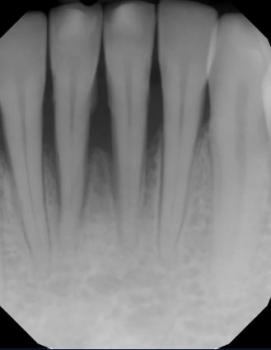
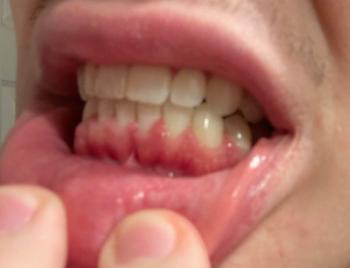
Patients with lower front gum inflammation may also experience tartar buildup, periodontal disease, gum abscesses, or tooth decay. Explore these related clinical case studies.