Transforming Smiles, Restoring Confidence.

What Is the Worst-Case Scenario for Dental Bone Grafting? A USA Expert Dentist Explains Risks, Warning Signs, and How to Protect Your Health
Image:
Severity:
Teeth Problems:
Dental bone grafting is one of the most predictable and successful procedures in modern dentistry. Every year, thousands of patients across the United States undergo bone grafting to rebuild lost jawbone, prepare for dental implants, preserve extraction sites, and restore oral function.
For most patients, healing progresses smoothly, and the graft successfully integrates with the surrounding bone. However, it is natural to wonder about potential risks before any surgical procedure. Patients frequently ask me, "What is the worst thing that could happen after a dental bone graft?"
As a dentist, I believe patients deserve honest and balanced information. While severe complications are uncommon, understanding them helps you make informed decisions and recognize warning signs early if problems develop.
The reality is that the vast majority of bone graft complications can be successfully managed when identified quickly. Most serious outcomes occur when infections, healing problems, or underlying health issues are ignored or left untreated.
This article explains the worst-case scenarios associated with dental bone grafting, the factors that increase risk, warning signs to watch for, and practical steps you can take to improve your chances of a successful recovery.
Understanding Dental Bone Grafting
Before discussing complications, it helps to understand what a bone graft actually does.
A dental bone graft is designed to replace missing bone in the jaw. The graft acts as a scaffold that encourages your body to produce new living bone tissue.
Over time, your natural bone gradually replaces or integrates with the graft material.
Bone grafting may be performed for:
- Dental implant preparation
- Socket preservation after tooth extraction
- Ridge augmentation
- Sinus lift procedures
- Repair of bone defects caused by infection
- Trauma reconstruction
- Periodontal disease treatment
When healing occurs normally, the result is a stronger and healthier jawbone capable of supporting future restorations.
How Successful Is Dental Bone Grafting?
Patients are often surprised to learn that dental bone grafting has a very high success rate.
Modern techniques, improved imaging technology, advanced graft materials, and better surgical planning have dramatically improved outcomes.
Most bone grafts heal without major complications when:
- The patient follows instructions carefully
- Oral hygiene is maintained
- Smoking is avoided
- Medical conditions are controlled
- The procedure is performed by an experienced provider
Although success rates are high, no surgical procedure is completely risk-free.
Worst-Case Scenario #1: Graft Failure
The most common major complication is graft failure.
What Is Graft Failure?
Graft failure occurs when the bone graft does not successfully integrate with your jawbone.
Instead of developing into healthy living bone, the graft may:
- Break down prematurely
- Become infected
- Fail to receive adequate blood supply
- Be rejected by surrounding tissues
When this happens, the intended bone growth never occurs.
Why Is Graft Failure a Problem?
Without successful integration:
- Bone volume remains inadequate
- Dental implants cannot be placed safely
- Additional surgeries may become necessary
- Treatment timelines become significantly longer
Patients often become frustrated because they expected the graft to solve the problem permanently.
Instead, another surgical procedure may be required after healing.
Symptoms of Graft Failure
Potential warning signs include:
- Persistent pain
- Delayed healing
- Swelling that does not improve
- Gum tissue breakdown
- Exposure of graft particles
- Continued bone loss
Fortunately, many graft failures can be corrected with additional treatment.
Worst-Case Scenario #2: Severe Bone Infection (Osteomyelitis)
One of the most serious complications involves infection spreading into the jawbone itself.
This condition is known as osteomyelitis.
What Is Osteomyelitis?
Osteomyelitis occurs when bacteria invade bone tissue and establish a deep infection.
Unlike a minor gum infection, osteomyelitis can be difficult to eliminate because bacteria become protected within the bone structure.
Why Is It Serious?
A bone infection can:
- Destroy healthy bone tissue
- Delay healing dramatically
- Threaten neighboring teeth
- Cause significant pain
- Spread to nearby anatomical structures
In severe cases, portions of infected bone may need surgical removal.
Treatment for Osteomyelitis
Management often includes:
- Surgical cleaning
- Removal of infected tissue
- Long-term antibiotics
- Careful monitoring
Although this complication is uncommon, it represents one of the most serious potential outcomes of dental surgery.
Worst-Case Scenario #3: Nerve Damage
Nerve injury is one of the complications patients fear most.
Fortunately, permanent nerve damage is rare.
Why Does It Happen?
Certain nerves run through the jawbone.
In the lower jaw, the mandibular nerve provides sensation to:
- The lower lip
- Chin
- Lower teeth
- Portions of the tongue
If surgery occurs too close to these structures, irritation or injury may occur.
Symptoms of Nerve Injury
Possible symptoms include:
- Numbness
- Tingling
- Burning sensations
- Altered feeling
- Partial loss of sensation
Most cases improve over time.
However, severe injuries may result in long-term or permanent changes in sensation.
Modern Prevention Methods
Today's dentists use advanced technology to reduce risk.
These tools include:
- Digital X-rays
- Cone beam CT scans
- Surgical guides
- Three-dimensional planning
Careful planning dramatically reduces the likelihood of nerve complications.
Worst-Case Scenario #4: Sinus Complications
Upper jaw bone grafts require special consideration because of their proximity to the maxillary sinuses.
What Happens During a Sinus Lift?
When bone is insufficient in the upper back jaw, a sinus lift may be performed.
The surgeon carefully elevates the sinus membrane and places graft material underneath it.
This creates additional bone volume for future implants.
Potential Problems
Complications may include:
- Sinus membrane perforation
- Infection
- Chronic sinusitis
- Graft displacement
If graft material migrates into the sinus cavity, additional treatment may be necessary.
Signs of Sinus Complications
Patients may notice:
- Nasal congestion
- Facial pressure
- Persistent drainage
- Sinus headaches
- Difficulty breathing through the nose
Prompt treatment generally prevents long-term problems.
Worst-Case Scenario #5: Wound Breakdown (Dehiscence)
One of the most frustrating complications is dehiscence.
What Is Dehiscence?
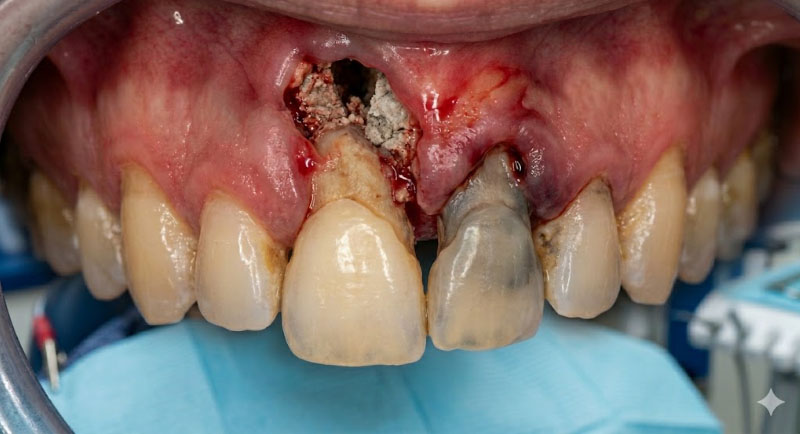
Dehiscence occurs when the gum tissue covering the graft opens prematurely.
Instead of remaining sealed during healing, the tissue separates and exposes the graft underneath.
Why Is Exposure Dangerous?
Once exposed:
- Bacteria can enter the site
- Infection risk increases
- Healing slows
- Graft stability decreases
Large exposures may lead to partial or complete graft loss.
Causes of Dehiscence
Common causes include:
- Smoking
- Trauma from chewing
- Poor oral hygiene
- Excessive pressure on the site
- Thin gum tissue
- Aggressive brushing
Careful post-operative care greatly reduces this risk.
Related Clinical Cases
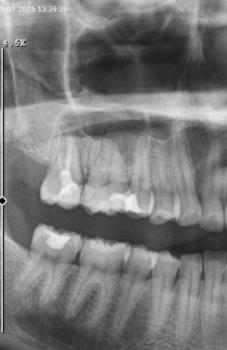
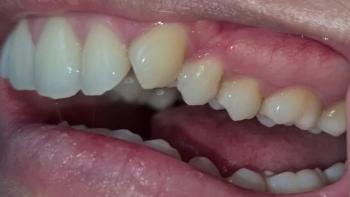
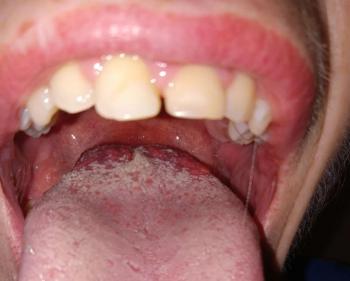
Patients with lower front gum inflammation may also experience tartar buildup, periodontal disease, gum abscesses, or tooth decay. Explore these related clinical case studies.



Other topics:
Other Dental Clinic