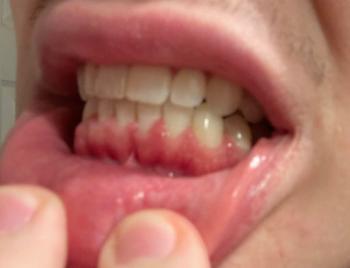
Cavity

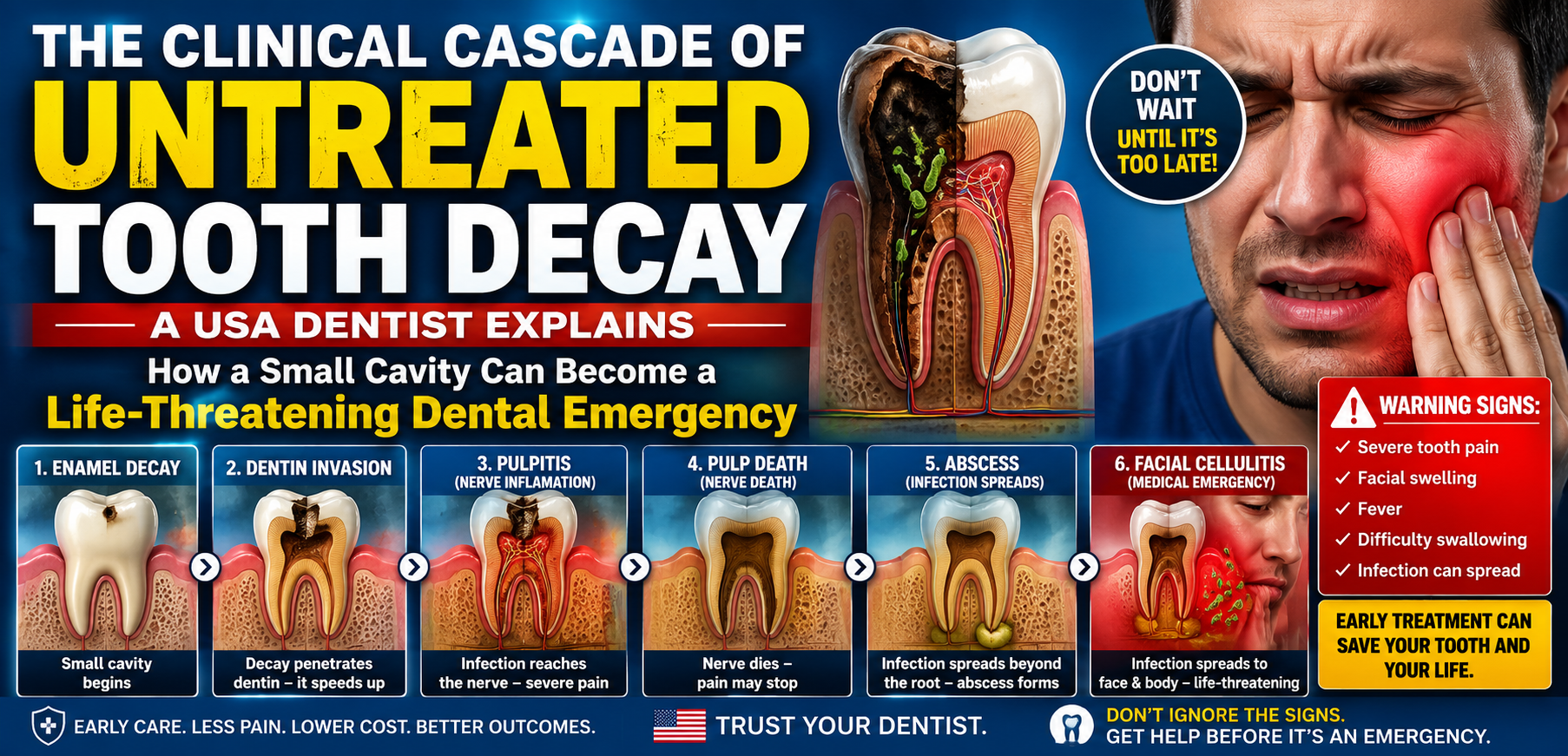
The Clinical Cascade of Untreated Tooth Decay: A USA Dentist Explains How a Small Cavity Can Become a Life-Threatening Dental Emergency
Topics: 

Many patients assume a small cavity is simply a minor inconvenience that can wait until the next dental visit. Unfortunately, tooth decay rarely remains small. Once bacteria penetrate the protective enamel layer, the disease accelerates through the tooth's internal structures, often leading to severe pain, infection, facial swelling, tooth loss, and in rare cases, hospitalization for life-threatening complications.

Understanding how tooth decay progresses helps explain why dentists recommend treating cavities early instead of waiting until symptoms become unbearable.
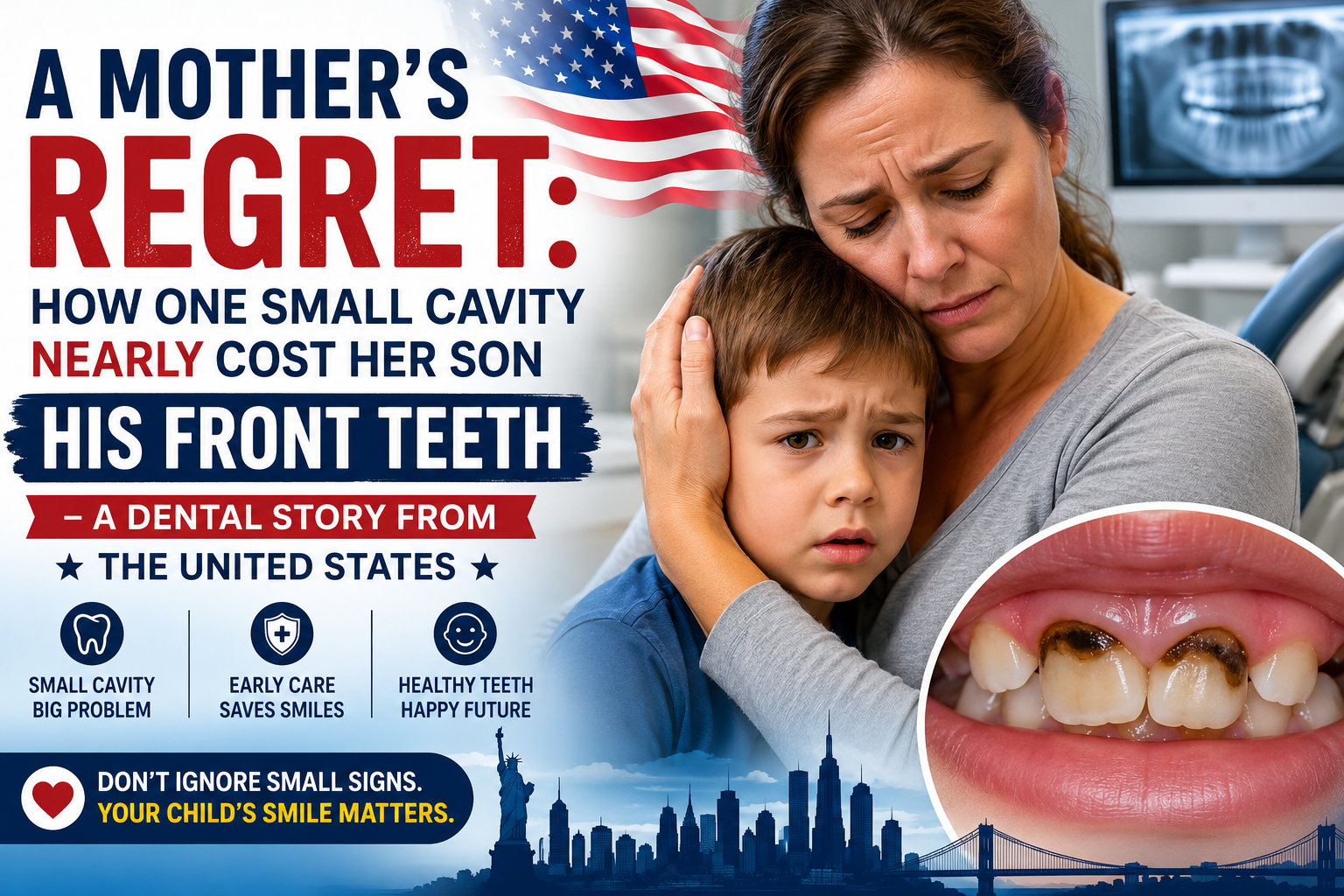
A Mother's Regret: How One Small Cavity Nearly Cost Her Son His Front Teeth – A Dental Story from the United States

Topics: 

Sarah Thompson, a 34-year-old mother from Columbus, Ohio, thought her six-year-old son Ethan's baby teeth would eventually fall out on their own. Like many parents, she believed that small cavities in baby teeth were nothing to worry about.

At first, Ethan complained only occasionally when drinking cold milk or eating ice cream. Sarah assumed his teeth were simply sensitive.

Everything changed one Saturday morning.

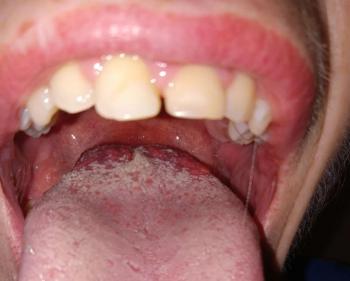
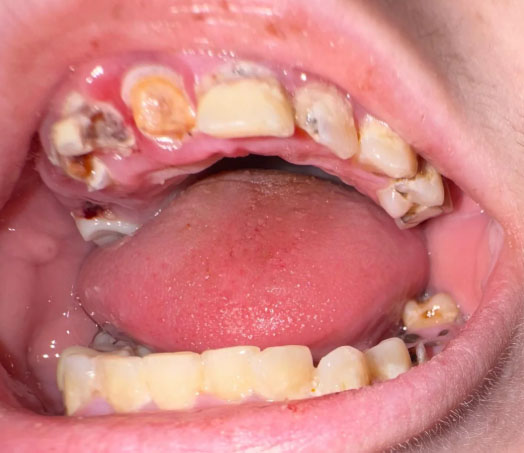
Severe Upper Tooth Decay - Advanced Dental Caries Case

Severity: 

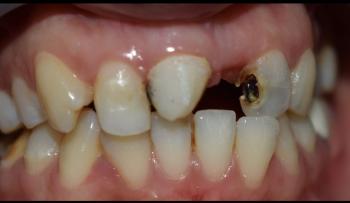
Severe Upper Tooth Decay With Multiple Cavities

Case Overview

This case shows advanced dental decay affecting multiple upper teeth. Several teeth present with large cavities, enamel breakdown, discoloration, and structural loss. The condition appears long-standing and untreated.

The lower teeth show mild plaque accumulation with possible early decay. The primary concern is severe destruction of the upper teeth with a high risk of infection.


Scale All Teeth

Upper Teeth

  • Multiple visible cavitations

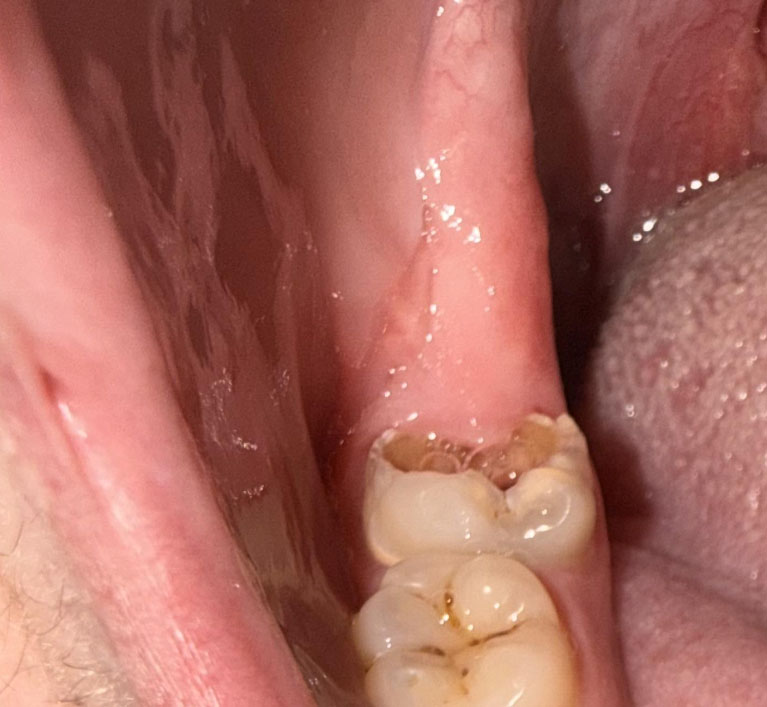
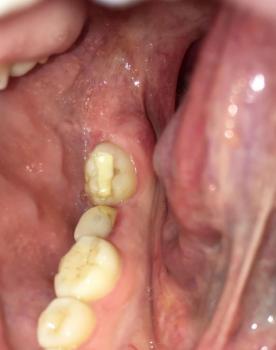
Deep Cavity on Back Molar With Early Gum Infection

Severity: 

How a Deep Cavity in a Back Molar Can Affect the Gum, Tooth Nerve, and Jaw

A deep cavity in a back molar is more than a visible hole in the tooth. When decay progresses through the protective enamel and dentin, bacteria may approach or enter the dental pulp, the soft tissue containing nerves and blood vessels. Depending on the extent of the damage, the tooth may develop pulp inflammation, pulp death, or an infection around its root.

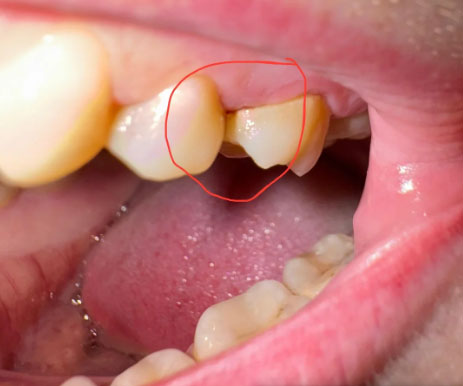
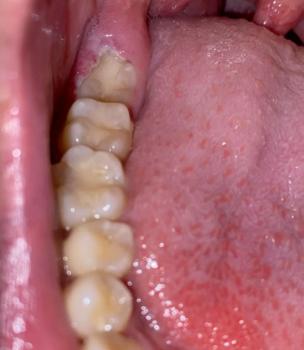
Interproximal Cavity Near a Premolar — Gum Irritation, Symptoms, Treatment, and Prevention

Severity: 

Understanding a Cavity Between Teeth

An interproximal cavity is a form of tooth decay that develops on the side surfaces of two neighboring teeth. It commonly occurs where a toothbrush cannot easily reach, particularly between the premolars and molars.

Premolars are the teeth located between the canine teeth and molars. Because their contact areas can trap food and dental plaque, decay may develop between them without being immediately visible.

Pages