Strong Teeth, Fresh Breath, Brighter You.

The Healing Power of a Smile: How Confidence, Emotions, and Human Connection Shape Daily Health
Topics:
A smile is more powerful than many people realize.
It is not only about appearance or perfect teeth. A genuine smile can influence emotions, relationships, confidence, and even the way people experience daily life. Sometimes, a simple smile becomes the quiet bridge between sadness and hope, fear and courage, loneliness and connection.
While smiling may not directly cure illness or instantly improve physical health, its emotional and psychological effects can positively shape overall well-being in meaningful ways.
In today’s stressful world, many people carry invisible burdens — anxiety, heartbreak, exhaustion, self-doubt, and emotional fatigue. Yet even during difficult moments, a sincere smile can offer comfort, strength, and healing not only to ourselves but also to the people around us.
More Than Teeth: The Emotional Meaning Behind a Smile
People often think of a smile as merely a facial expression.
But in reality, a smile can represent:
- Confidence
- Relief
- Acceptance
- Gratitude
- Hope
- Emotional warmth
- Human connection
Sometimes, a smile says the words people cannot express.
For someone struggling silently, one caring smile may become the emotional reassurance they needed that day.
A Short Story: Lea’s Smile
The Smile She Stopped Sharing
Lea was a quiet 29-year-old woman living in Cebu.
Years ago, she used to laugh loudly with friends during beach outings and family gatherings. Her smile was natural and effortless.
But slowly, things changed.
Stress from work, financial struggles, and personal heartbreak began affecting her confidence. She became emotionally exhausted. At the same time, she started neglecting her oral health.
A damaged front tooth made her feel embarrassed whenever she talked.
Little by little, she stopped smiling in photos.
Then she stopped joining photos entirely.
At work, she covered her mouth whenever she laughed. During conversations, she avoided eye contact. Even when she felt happy inside, she hid her smile from the world.
What hurt most was not the tooth itself.
It was the feeling that she had lost a part of herself.
A Small Moment That Changed Everything
One afternoon, Lea visited her grandmother in the province.
While helping prepare dinner, her grandmother looked at her gently and asked:
“Ngano man nga dili na kaayo ka mosmile?”
Lea stayed silent for a moment.
Then tears slowly filled her eyes.
For the first time in years, she admitted how deeply insecure she had become.
Her grandmother held her hand and softly said:
“Anak, your smile is not just about your teeth. It is part of your spirit.”
Those words stayed in Lea’s heart.
Rebuilding Confidence
A few weeks later, Lea finally decided to visit a dental clinic.
She was nervous at first. She worried about being judged. But instead, the dental team treated her with kindness and understanding.
The process took time.
There were appointments, adjustments, healing, and emotional moments.
But slowly, something beautiful happened.
Lea started smiling again.
Not because her life suddenly became perfect.
But because she finally allowed herself to feel confident again.
Months later, during a family gathering, someone took a group photo.
This time, Lea smiled without covering her mouth.
And for the first time in years, she truly recognized herself again.
How Smiling Influences Mental and Emotional Health
A smile may seem simple, but it can trigger positive emotional responses inside the brain.
When people smile genuinely, the body may release chemicals associated with happiness and relaxation, including endorphins and serotonin.
These natural responses can help:
- Improve mood
- Reduce emotional tension
- Lower stress levels
- Encourage optimism
- Support emotional balance
Even small positive emotional shifts can make difficult days feel more manageable.
Smiling and Stress Reduction
Modern life often places people under constant pressure.
Work deadlines, financial responsibilities, family concerns, and emotional struggles can create chronic stress that affects both mind and body.
Interestingly, smiling may help activate calming responses within the nervous system.
Research suggests smiling can contribute to:
- Lower heart rate
- Reduced stress hormone levels
- Relaxed facial muscles
- Improved emotional resilience
This does not mean smiling erases problems.
However, it may help people emotionally cope with stressful situations more effectively.
The Social Power of a Genuine Smile
Human beings naturally respond to warmth and kindness.
A genuine smile can make a person appear:
- More approachable
- More trustworthy
- More compassionate
- More confident
- More welcoming
This can positively affect:
- Friendships
- Family relationships
- Workplace communication
- Customer interactions
- Romantic relationships
People often remember how someone made them feel emotionally, and a sincere smile leaves lasting emotional impressions.
Confidence Begins With Feeling Comfortable
Many people underestimate how closely oral health and confidence are connected.
When individuals feel embarrassed about:
- Missing teeth
- Bad breath
- Stained teeth
- Broken teeth
- Crooked teeth
they may begin avoiding social situations altogether.
Some stop speaking confidently.
Others avoid:
- Public speaking
- Smiling in photographs
- Job interviews
- Dating
- Group conversations
Over time, this emotional withdrawal may affect self-esteem and overall happiness.
A healthy smile often helps people feel emotionally open again.
Why Smiles Matter in Daily Life
A smile can influence ordinary moments in powerful ways.
In the Workplace
Confident smiles may improve:
- Communication
- Professional impressions
- Leadership presence
- Team interactions
In Families
Smiling creates emotional warmth between loved ones and strengthens connection.
In Friendships
People naturally feel more comfortable around individuals who appear emotionally open and welcoming.
In Difficult Moments
Sometimes, a smile offers reassurance even when words are difficult to find.
The Link Between Oral Health and Emotional Wellness
Good oral health is not only cosmetic.
Dental problems may contribute to:
- Emotional insecurity
- Anxiety
- Social withdrawal
- Reduced confidence
- Chronic discomfort
Meanwhile, emotional stress may also affect oral health through:
- Teeth grinding
- Poor oral hygiene
- Dry mouth
- Delayed dental visits
This creates a cycle where emotional health and oral health continuously influence each other.
Simple Habits That Support a Healthy, Confident Smile
Maintaining a healthy smile does not always require perfection.
Small daily habits matter most.
Brush Consistently
Brush twice daily using fluoride toothpaste.
Floss Regularly
Cleaning between teeth helps prevent gum disease and bad breath.
Drink More Water
Water helps protect teeth and reduces dry mouth.
Reduce Sugary Foods
Limiting sugary snacks lowers cavity risk.
Visit the Dentist Regularly
Routine check-ups help identify problems early.
Practice Emotional Self-Care
Mental wellness also supports healthier daily habits.
Smiling During Difficult Seasons
Some days, smiling feels easy.
Other days, it feels almost impossible.
People experiencing grief, stress, heartbreak, anxiety, or depression may struggle to feel emotionally present. During those moments, a smile should never be forced as a way to hide pain.
Instead, healing often begins with self-compassion.
A genuine smile slowly returns when people begin caring for themselves emotionally, mentally, and physically again.
A Smile Can Change More Than Appearance
Many people believe cosmetic dentistry is only about looks.
But for some patients, restoring a smile means:
- Regaining confidence
- Feeling socially comfortable again
- Speaking without embarrassment
- Laughing freely
- Reconnecting with personal identity
The emotional transformation is sometimes even more powerful than the physical change itself.
A smile may seem small, but its emotional impact can be deeply meaningful.
While smiling alone does not directly cure physical illness, it can positively influence mental wellness, stress management, confidence, and human connection. In many cases, the emotional benefits of a healthy smile ripple into nearly every part of daily life.
The story of Lea reflects what many people quietly experience — hiding their smile not because they are unhappy people, but because they no longer feel confident enough to share it.
Yet healing is possible.
Sometimes, rebuilding confidence begins with a single dental visit.
Sometimes, it begins with kindness.
And sometimes, it begins the moment someone realizes their smile still deserves to be seen.
Related Clinical Cases
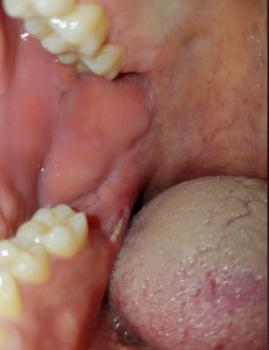
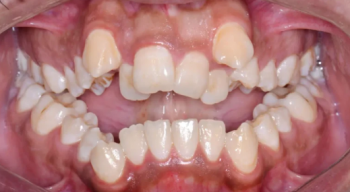
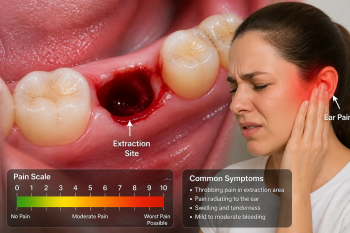
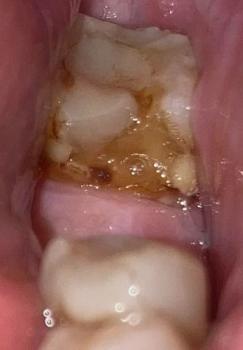
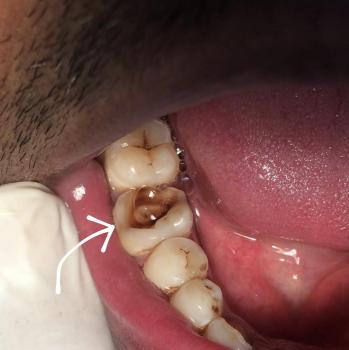
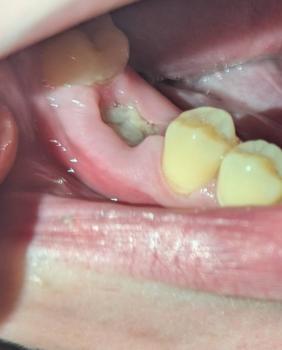
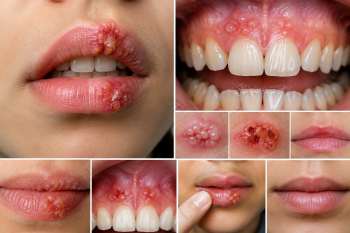
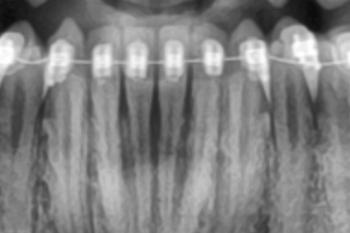
Patients with lower front gum inflammation may also experience tartar buildup, periodontal disease, gum abscesses, or tooth decay. Explore these related clinical case studies.
Other topics:
Other Dental Clinic