Because Every Tooth Deserves Care.

Dental Care in the Philippines: Why Poor Families Skip Check-Ups
Language :
Topics:
When Hunger Comes First: The Silent Dental Crisis Facing Poor Filipino Families
In a country where many families struggle to afford their daily meals, a visit to the dentist can become a luxury rather than a basic part of healthcare.
A Hungry Stomach Comes Before a Toothache
For millions of ordinary Filipinos, life is a daily calculation of survival. How much rice can the family afford? Will there be enough money for electricity, transportation, school expenses, and medicine? Can a parent stretch a small salary until the next payday?
In the middle of these struggles, dental health is often pushed aside.
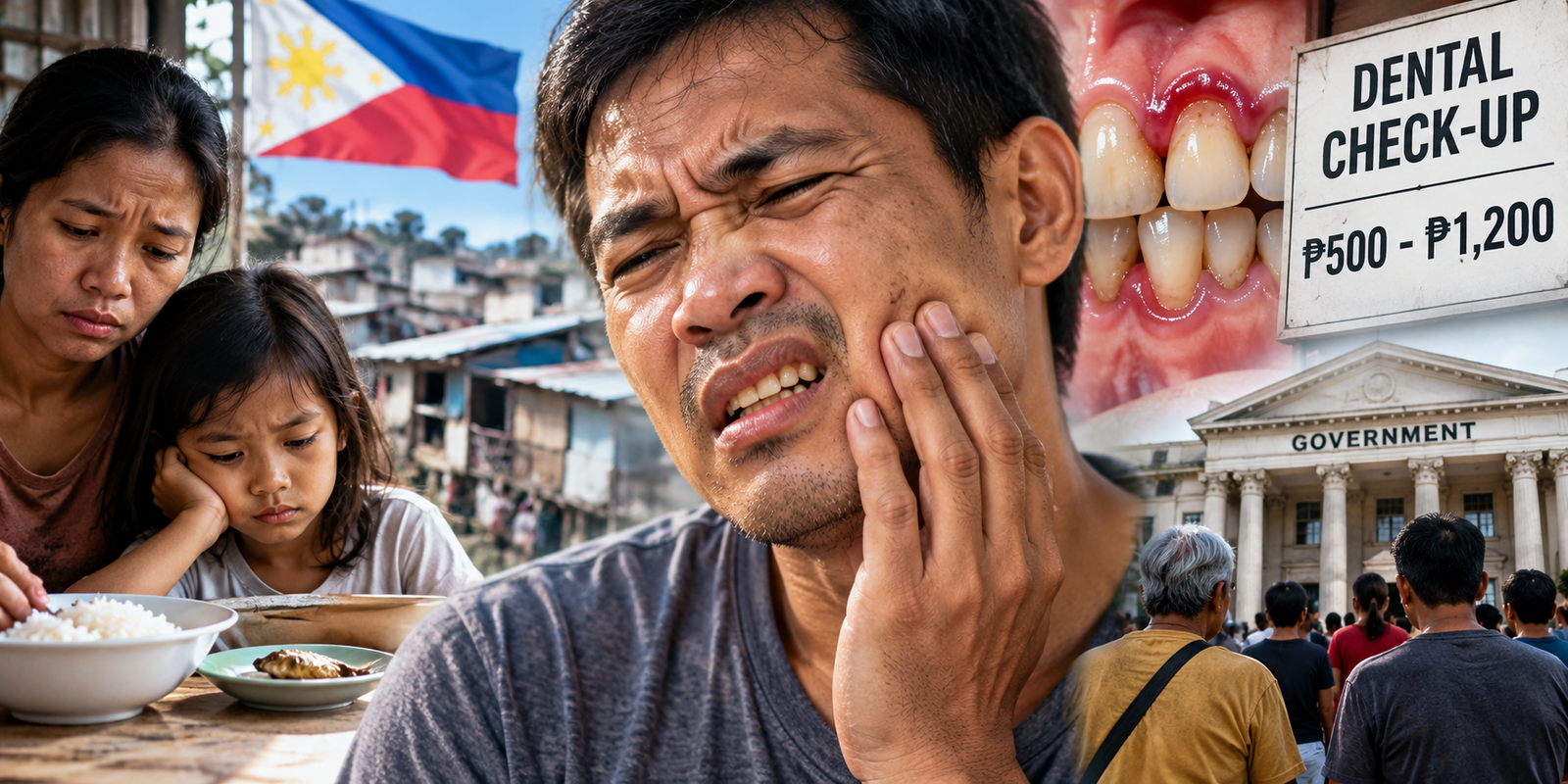
A mother may notice that her gums bleed whenever she brushes her teeth. A father may endure a painful, decaying molar for months. A senior citizen may struggle to chew food because several teeth are missing. Yet instead of visiting a dental clinic, they wait. They take painkillers, avoid certain foods, or simply learn to live with the discomfort.
Why? Because when a family has only enough money for its immediate needs, the choice can feel painfully simple: buy food today or spend money on a dental check-up.
An empty stomach cannot wait. A toothache, unfortunately, does not always wait either.
This is the painful reality for families living close to the poverty line. Dental neglect is not necessarily a sign that people do not care about their teeth. Sometimes, it reflects a much deeper problem: they cannot afford to care for their health while struggling to survive.
When the Cost of Living Rises, Dental Care Falls Behind
The rising cost of everyday necessities puts additional pressure on household budgets. Food, transportation, rent, electricity, and other essential expenses compete for the same limited income.
When money becomes scarce, families tend to prioritize immediate survival. Preventive healthcare, including routine dental examinations, may be postponed until pain becomes unbearable.
Depending on the clinic, location, and services included, an initial dental consultation or check-up may cost approximately ₱500 to ₱1,200. This is an illustrative price range, not a nationwide fixed rate. The cost of X-rays, professional cleaning, fillings, extractions, root canal treatment, and other procedures may be additional.
For a household with a tight budget, even ₱500 can mean sacrificing part of a food allowance or postponing another essential expense.
And the first appointment may not be the end of the expense. A dentist might discover multiple cavities, advanced gum disease, or an infection requiring further treatment. The family must then decide whether it can afford the recommended care.
This creates a cruel cycle: people delay treatment because they lack money, the dental problem may worsen, and the eventual treatment can become more complicated and expensive.
The Poor Should Not Have to Choose Between Food and Oral Health
Dental health is not simply about having a beautiful smile. Teeth help people chew food, speak clearly, and maintain their quality of life. Oral infections can cause significant pain and may sometimes spread beyond the mouth, making timely professional assessment important.
Yet dental care is frequently treated as something people can postpone indefinitely.
For a low-income worker, a tricycle driver, a market vendor, an unemployed parent, or an older person living on a limited pension, the cost of treatment can be difficult to manage. Some people seek help only when swelling appears or the pain becomes severe. Others lose teeth that might have been saved if appropriate treatment had been available earlier.
We must ask ourselves an uncomfortable question: What does access to healthcare really mean if people cannot afford to use it when they need it?
A dental clinic may be physically nearby, but that does not guarantee access. A service is not truly affordable simply because it exists. Families also need enough money for the consultation, the recommended treatment, transportation, and the time away from work.
Where Is the Stronger Public Support for Poor Families?
The government has an important responsibility to help make essential healthcare accessible, particularly for people who cannot afford private services.
The Philippines has public health facilities and government health programs, but the existence of programs does not automatically mean every family can obtain timely, affordable dental treatment. Access can depend on location, staffing, available equipment, funding, and the services offered at a particular facility.
This is where public accountability matters.
Are low-income communities receiving enough preventive dental services? Are rural health facilities equipped to provide basic oral healthcare? Do families know where to obtain affordable dental examinations? Are public dental programs adequately funded, accessible, and evaluated according to the needs of the people they are intended to serve?
These are fair questions for citizens to raise with local officials and national policymakers.
Public resources must respond to real human needs, not only to statistics on paper. If families repeatedly delay dental care because they cannot pay, policymakers should examine the financial and practical barriers preventing them from receiving treatment.
The goal should not be to blame every individual government worker or assume that no assistance exists. It should be to demand measurable improvements: better access, transparent funding, reliable services, and meaningful support for families who need it most.
A Call for Affordable Dental Care in Every Community
A stronger response to the country's dental health challenges should include practical, community-based solutions.
1. Expand free and low-cost dental check-ups.
Local government units can work with public health centers, dental schools, and licensed volunteer dentists to provide regular examinations and basic preventive services for underserved communities.
2. Strengthen preventive dental education.
Schools and barangay health programs can teach children and parents about brushing with fluoride toothpaste, reducing frequent sugar exposure, recognizing warning signs, and seeking care before problems become severe.
3. Improve access to essential treatment.
Prevention is important, but people with existing cavities, gum disease, and dental infections also need appropriate treatment. Programs should make referrals and affordable treatment available, not stop at awareness campaigns.
4. Make public dental services easier to find.
Communities need clear information about clinic schedules, eligibility, available procedures, and possible fees. People should not have to travel from one facility to another without knowing whether the service they need is available.
5. Evaluate health benefits and financial assistance.
Policymakers should regularly assess whether public health programs and available health benefits adequately address common dental needs, including consultations, extractions, fillings, and treatment of oral infections. Any expansion should be supported by transparent budgeting and measurable results.
6. Protect vulnerable groups.
Children, older adults, persons with disabilities, and families experiencing poverty may face additional barriers to dental care. Targeted outreach can help reach people who are most likely to postpone treatment.
These measures will require funding, trained professionals, coordination, and continued public oversight. But investing in prevention and timely treatment can help reduce avoidable suffering and the burden of more advanced dental problems.
Dental Problems Should Not Become a Punishment for Being Poor
Imagine a father who works all day but still cannot afford to repair his damaged teeth. Imagine a mother who ignores a painful cavity because her children need food and school supplies. Imagine an elderly Filipino who has difficulty chewing but believes that replacing missing teeth is financially impossible.
These are not merely dental stories. They are stories about dignity, inequality, and the difficult choices people make when resources are limited.
No family should be shamed for postponing treatment because it cannot afford it. Instead, society should ask how healthcare can become more accessible before preventable problems turn into emergencies.
People also have a role to play. Regular brushing with fluoride toothpaste, cleaning between teeth, limiting frequent sugary snacks and drinks, and seeking professional advice when symptoms appear can help protect oral health. But personal responsibility has limits when professional care is financially out of reach.
We cannot lecture people about prevention while ignoring the circumstances that keep them away from the dentist.
The Voice of Ordinary Filipinos Must Be Heard
A nation is measured not only by its economic growth, infrastructure, or commercial activity, but also by how it protects the well-being of people who have the least.
Dental health deserves a place in that conversation.
Citizens can ask their barangay officials, municipal or city health offices, and elected representatives what dental services are available, how much they cost, how often outreach programs operate, and how underserved families can receive assistance. Public reporting and community feedback can help identify where services are missing or insufficient.
These questions are not partisan. They are questions about public health, responsible spending, and the dignity of ordinary people.
The Philippines needs a healthcare approach in which families are not forced to wait until a tooth becomes unbearable before seeking help. Affordable preventive care, accessible public services, and appropriate treatment should be practical options for people with modest incomes.
Because behind every neglected tooth may be a worker who cannot miss a day's wages, a parent who puts children first, or an elderly person who has quietly accepted pain as part of growing old.
Their suffering should not be invisible.
Let us build a country where choosing between a meal and a dental check-up is no longer an ordinary family's burden. A healthy smile should not be a privilege reserved for those who can afford it. It should be part of a healthier, fairer future for every Filipino.
Looking for a dentist? Browse our Cebu dental directory to find trusted clinics near you.
Disclaimer
Public Awareness, Healthcare, and Medical Disclaimer This article is intended for public awareness and discussion about dental healthcare affordability, poverty, inflation, and access to oral health services in the Philippines. The views expressed are intended to highlight the challenges faced by low-income families and encourage constructive public discussion about improving access to affordable dental care. The article's references to dental check-up costs of approximately ₱500 to ₱1,200 are illustrative estimates only. Actual prices vary depending on the dental clinic, location, services provided, and individual treatment needs. The article does not claim that a specific percentage of the Philippine population neglects dental check-ups unless supported by reliable, verifiable research. Political and social commentary reflects general concerns about healthcare accessibility and public accountability. Readers are encouraged to consult official government reports, credible research, and relevant public health agencies when evaluating statistics, policies, and government programs. This article is not intended to accuse any individual or organization of wrongdoing or to replace an objective assessment of public healthcare services. Medical notice: This content is for educational purposes only and does not constitute professional dental advice, diagnosis, or treatment. Anyone experiencing persistent tooth pain, gum swelling, pus, fever associated with a suspected dental infection, or other concerning symptoms should seek professional dental assessment. Facial or neck swelling with difficulty breathing or swallowing requires emergency medical care. Cebu Dental Implants encourages responsible public discussion, evidence-based healthcare information, and improved access to affordable oral healthcare for all Filipinos.Related Clinical Cases
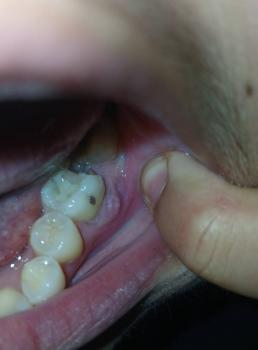
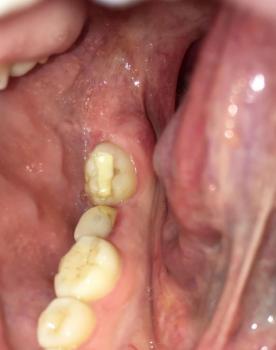
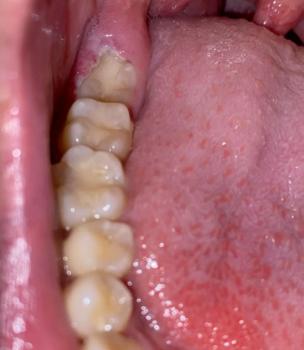
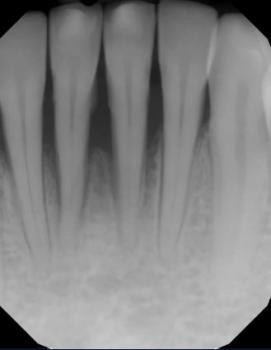
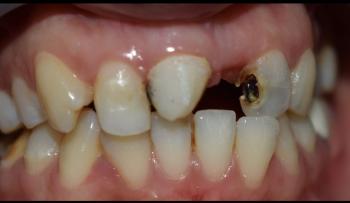
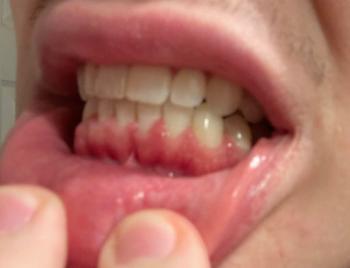
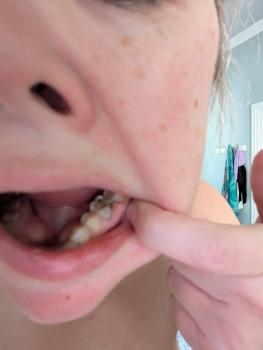
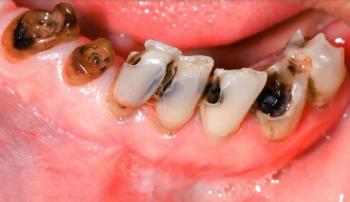
Patients with lower front gum inflammation may also experience tartar buildup, periodontal disease, gum abscesses, or tooth decay. Explore these related clinical case studies.
Other topics:
Other Dental Clinic