Missing Teeth? Find Your Smile Again.

Delayed Dental Implant Workflow: Step-by-Step Clinical Case Analysis
How long does a delayed dental implant take after tooth extraction?
A delayed dental implant is placed after the extraction site has had time to heal. This approach may be recommended when a tooth has significant infection, bone loss, or other conditions that make immediate implant placement unsuitable.
For patients in the United States, the complete process—from tooth extraction to final crown—may take approximately 6 to 10 months in a typical multi-stage case, although some patients finish sooner and others require additional healing time.
This guide explains the delayed implant workflow, what happens at each stage, and answers common questions about bone grafting, healing, cost, and recovery.
What Is a Delayed Dental Implant?
A delayed dental implant is a tooth replacement procedure in which the implant is placed after the extraction site has healed.
Unlike an immediate implant, which may be placed on the same day as extraction, the delayed approach separates tooth removal and implant placement into different stages.
Why Do Dentists Recommend Delayed Implants?
A dentist or oral surgeon may recommend delayed placement when:
-
The extraction site requires additional healing.
-
There is significant bone loss.
-
Bone grafting is needed.
-
The tooth has an infection that requires treatment.
-
The available bone is insufficient for stable implant placement.
-
The clinician needs to plan a more predictable implant position.
Important: Delayed placement is not automatically better than immediate placement. The appropriate timing depends on the patient's anatomy, healing, infection status, and treatment plan.
Phase 1: Tooth Extraction and Clinical Assessment
Step 1: Removing the Damaged Tooth
The first stage involves removing the tooth that cannot be saved or requires extraction.
The dentist or oral surgeon plans the procedure to minimize unnecessary trauma to the surrounding tissues when possible.
What Happens During Extraction?
-
Local anesthesia is administered.
-
The tooth is carefully removed.
-
The extraction socket is examined.
-
Damaged tissue or infected material is managed as clinically indicated.
-
The dentist evaluates the bone and gum condition.
Why Is Socket Assessment Important?
The condition of the extraction socket influences the next steps.
The dentist may assess:
-
Remaining bone walls.
-
Bone width and height.
-
Gum tissue.
-
Signs of infection.
-
Existing periodontal disease.
-
The future implant position.
Common Patient Question
Can I get a dental implant immediately after extraction?
Some patients can. Others need a delayed approach because the extraction site requires healing or additional treatment.
Phase 2: Socket Preservation and Bone Grafting
Step 2: Does the Extraction Site Need a Bone Graft?
After extraction, the dentist evaluates whether socket preservation or bone augmentation is necessary.
If the ridge is thin or bone volume is insufficient, a bone graft may be recommended.
What Is Socket Preservation?
Socket preservation is a procedure intended to reduce the loss of ridge dimensions following tooth extraction.
The dentist may place bone-graft material into the extraction socket and use a membrane when appropriate.
Common Bone-Graft Materials
Depending on the case, grafting materials may include:
-
Allograft: Bone obtained from a human donor source.
-
Xenograft: Graft material obtained from an animal source.
-
Synthetic graft materials.
-
Other grafting materials selected by the clinician.
The choice depends on the clinical situation and the dentist's treatment plan.
Does Every Patient Need a Bone Graft?
No.
Some patients have enough bone for implant placement without grafting. Others need a graft to improve ridge width, height, or the available foundation for an implant.
Timeline
Socket preservation is generally performed during the extraction appointment when indicated.
If a larger graft is required, the healing period may add several months before implant placement.
Common Patient Question
Does bone grafting hurt?
The procedure is performed with anesthesia. Patients may experience soreness, swelling, or discomfort afterward. The amount varies depending on the graft and the individual.
Phase 3: Extraction Site Healing
Step 3: Allowing the Gum and Bone to Heal
After extraction, the body begins healing the socket.
The gum tissue closes, and the underlying bone undergoes remodeling.
Typical Healing Timeline
A delayed implant may be placed after approximately 2 to 4 months of healing in selected cases.
However, this is not a fixed rule. A patient who has undergone extensive bone grafting may require a longer healing period.
What Happens During Healing?
-
The gum tissue gradually closes.
-
New bone forms and remodels.
-
The extraction ridge changes shape.
-
Grafted material integrates with the healing tissues when used.
-
The dentist evaluates whether the site is ready for implant placement.
Why Can Healing Take Longer?
Additional time may be needed because of:
-
Extensive bone loss.
-
Large bone grafting procedures.
-
Infection-related damage.
-
Poor healing conditions.
-
The need for additional soft-tissue treatment.
Common Patient Question
How long should I wait after tooth extraction before getting an implant?
Many patients receive an implant after several months of healing. The exact timing depends on bone volume, gum condition, infection, and whether grafting was performed.
Phase 4: Dental Implant Placement
Step 4: Inserting the Titanium Implant
Once the dentist determines that the extraction site is ready, the implant is placed into the jawbone.
The implant acts as an artificial tooth root.
What Happens During Implant Surgery?
-
Local anesthesia is administered.
-
The dentist accesses the implant site.
-
The implant is inserted into the jawbone.
-
Initial implant stability is assessed.
-
The site is closed or a healing abutment is placed according to the treatment plan.
What Is Primary Implant Stability?
Primary stability refers to the mechanical stability of the implant immediately after placement.
It is influenced by:
-
Bone quality.
-
Bone quantity.
-
Implant design.
-
Implant position.
-
Surgical technique.
Good initial stability is important for healing and implant treatment planning.
Titanium vs. Zirconia Implants
Titanium implants are widely used in implant dentistry. Zirconia implants are another option for selected patients.
The dentist determines which implant system is appropriate based on the patient's needs.
Common Patient Question
Is implant placement painful?
The procedure is performed under anesthesia. Patients may experience soreness or swelling during recovery, but pain levels vary. Your dentist will provide instructions for managing discomfort.
Phase 5: Osseointegration and Implant Healing
Step 5: The Implant Bonds With the Jawbone
After implant placement, the body begins a biological healing process called osseointegration.
During this process, bone forms and bonds closely with the implant surface.
How Long Does Osseointegration Take?
Implant healing often takes approximately 3 to 4 months, but the timeline varies.
Patients who have had bone grafting or other procedures may require additional healing time.
What Happens During Osseointegration?
-
Bone cells form around the implant.
-
The surrounding tissue heals.
-
The implant becomes integrated with the jawbone.
-
The dentist evaluates whether the implant is ready to support the restoration.
Why Is Healing Important?
The implant must be sufficiently stable before it is used to support the final crown.
Placing the final restoration too early can create excessive stress on an implant that has not healed adequately.
Common Patient Question
Can I chew normally while my implant is healing?
Your dentist will provide specific instructions based on the implant location, stability, and restoration. Avoid putting excessive force on the healing implant.
Phase 6: Abutment and Final Crown Delivery
Step 6: Completing the Dental Implant Restoration
Once the implant has healed sufficiently, the dentist begins the final restoration process.
What Is an Abutment?
An abutment is the connector between the implant and the final dental crown.
What Happens During the Final Stage?
-
The implant is evaluated.
-
The abutment is placed when appropriate.
-
A digital scan or physical impression is taken.
-
The dental laboratory fabricates the crown.
-
The dentist checks the bite and appearance.
-
The final crown is attached to the implant.
Timeline
The final restoration stage may take approximately 2 to 4 weeks, depending on the laboratory process, appointments, and clinical requirements.
Common Patient Question
Will my implant look like a natural tooth?
A properly planned implant crown can be designed to match the surrounding teeth in shape, size, and color. The final appearance depends on gum tissue, bone anatomy, restoration design, and individual healing.
Complete Delayed Dental Implant Timeline
| Treatment phase | Approximate timing |
|---|---|
| Tooth extraction | Day 1 |
| Socket preservation, if needed | During extraction |
| Initial gum and bone healing | Often 2–4 months |
| Bone graft healing, if required | Varies; may add several months |
| Implant placement | After the site is ready |
| Osseointegration | Often 3–4 months |
| Abutment and crown | Often 2–4 weeks |
| Complete treatment | Commonly 6–10 months in a multi-stage case |
These are general estimates, not guaranteed treatment durations.
Clinical Case Example: Delayed Implant After an Infected Molar
Patient Profile
A patient visits a dental office in the United States with a severely damaged molar.
The tooth has an infection and cannot be predictably restored.
The patient wants a dental implant but is concerned about the time required.
Step 1: Extraction
The dentist removes the damaged tooth and evaluates the socket.
The area is cleaned and treated according to the clinical findings.
Step 2: Bone Evaluation
The dentist determines that the site has insufficient bone volume for the planned implant.
A bone graft is recommended.
Step 3: Healing
The extraction site and graft are allowed to heal.
The patient returns for follow-up evaluation.
Step 4: Implant Placement
Once the site is ready, the dentist places the dental implant.
Step 5: Implant Healing
The implant is allowed to integrate with the jawbone.
Step 6: Final Crown
After adequate healing, the dentist completes the final restoration.
Clinical Lesson
A delayed dental implant may involve several stages, but the timeline allows the dentist to address the condition of the extraction site before placing the implant.
The exact number of months depends on the patient's healing and treatment needs.
Frequently Asked Questions About Delayed Dental Implants
1. What is the main reason for choosing a delayed dental implant?
Delayed placement may be recommended when the extraction site needs additional healing, bone grafting, or treatment of infection before implant surgery.
2. How long does a delayed dental implant take from extraction to crown?
A multi-stage delayed implant case may take approximately 6 to 10 months. Some cases take less time, while complex bone grafting cases may take longer.
3. Can I get a dental implant 3 months after extraction?
Yes, some patients may be ready for implant placement around 3 months after extraction.
The dentist must confirm that the site has adequate bone and soft-tissue healing.
4. Can I get an implant 6 months after tooth extraction?
Yes. Six months after extraction is a common timeframe for some delayed implant cases.
The dentist will evaluate the available bone and determine whether grafting is needed.
5. Can I get a dental implant after 1 year?
Yes. Many patients can receive implants long after extraction.
However, bone resorption may have occurred, and additional treatment may be needed.
6. Is delayed implant placement safer than immediate placement?
Both approaches can be appropriate when carefully selected.
Delayed placement may be useful when a site requires healing or additional treatment. Immediate placement may be appropriate when the extraction site is suitable.
The dentist must assess the individual case.
7. Does delayed implant placement have a higher success rate?
Success depends on many factors, including bone quality, implant stability, surgical technique, oral hygiene, and patient health.
There is no single success rate that applies to every immediate or delayed implant case.
8. Can I get a delayed implant if I had an infection?
Yes, many patients can receive implants after an infection has been appropriately managed.
The dentist will evaluate the infection, surrounding bone, and healing before recommending implant placement.
9. How long after an infection can I get an implant?
There is no universal waiting period.
The timing depends on the severity of infection, bone damage, treatment performed, and the condition of the healing site.
10. Will I need a bone graft after extraction?
Not every patient needs a bone graft.
The decision depends on the amount of bone available and the requirements of the planned implant.
11. Does bone grafting add time to the implant process?
Yes. Depending on the type and size of the graft, additional healing may be required before implant placement.
12. Can I get a temporary tooth while waiting for an implant?
Yes. A temporary removable partial denture, temporary bridge, or other provisional restoration may be used depending on the patient's situation.
13. How long does implant surgery take?
The surgical appointment varies according to the number of implants, the location, bone grafting, and other clinical factors.
Your dentist can provide an estimate for your planned procedure.
14. Can I eat normally after dental implant surgery?
Your dentist may recommend a soft-food diet during the early healing period.
The exact restrictions depend on the implant location, stability, and whether additional surgery was performed.
15. What happens if I wait too long for a dental implant?
The ridge may continue to remodel over time.
Some patients retain sufficient bone, while others develop bone loss that requires grafting or other treatment.
16. Does insurance cover delayed dental implants in the USA?
Coverage varies by insurance plan.
Some plans may cover certain procedures, while implant placement and crowns may be excluded or subject to limitations.
Ask your insurance provider and dental office for a written estimate.
17. How much does a delayed dental implant cost in the USA?
The cost depends on the location, dentist, implant system, bone grafting, restoration, and insurance.
A written treatment estimate is the best way to understand your expected expenses.
18. Can a delayed implant fail?
Yes. Dental implants can fail even after delayed placement.
Possible complications include infection, inadequate healing, excessive forces, and loss of supporting bone.
19. How do I know if my implant is ready for the crown?
The dentist evaluates healing and implant stability before proceeding with the final restoration.
20. Is a delayed dental implant worth considering after tooth extraction?
A delayed implant may be an appropriate option for patients who need additional healing or preparation before implant placement.
A qualified dentist or oral surgeon can evaluate your situation and explain the available treatment options.
Final Clinical Takeaway
Delayed dental implant placement is a structured treatment approach that allows the extraction site to heal before implant surgery.
The workflow may include extraction, bone grafting, healing, implant placement, osseointegration, and final crown delivery.
The goal is to place the implant in a suitable foundation and restore function and appearance with a well-planned treatment.
If you have a missing tooth, consult a qualified dentist or oral surgeon to determine whether immediate or delayed implant placement is appropriate for you.
Medical Disclaimer: This article is for general educational purposes only. It does not replace a professional dental examination, X-ray, or CBCT scan. Dental implant timing, treatment requirements, and outcomes vary by patient.
Related Clinical Cases
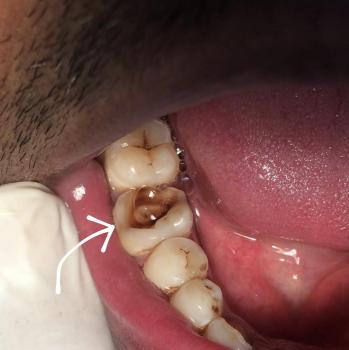
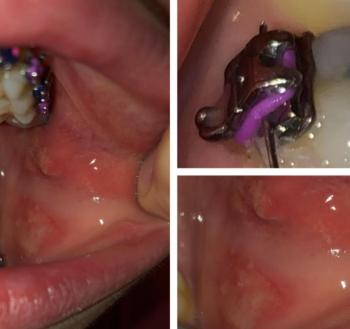
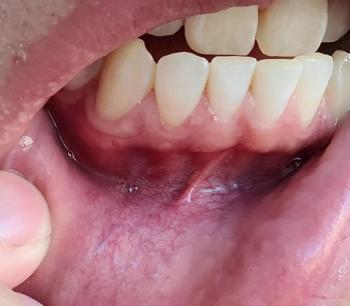
Patients with lower front gum inflammation may also experience tartar buildup, periodontal disease, gum abscesses, or tooth decay. Explore these related clinical case studies.

Other topics:
Other Dental Clinic