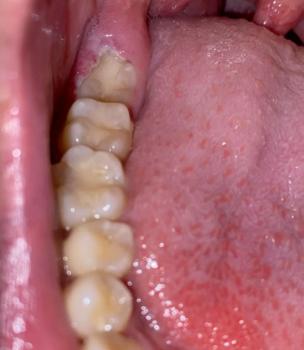
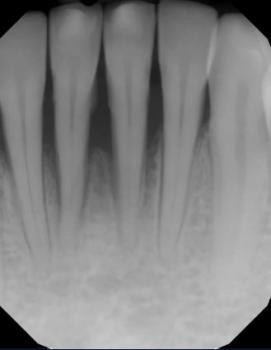
Because Every Tooth Deserves Care.

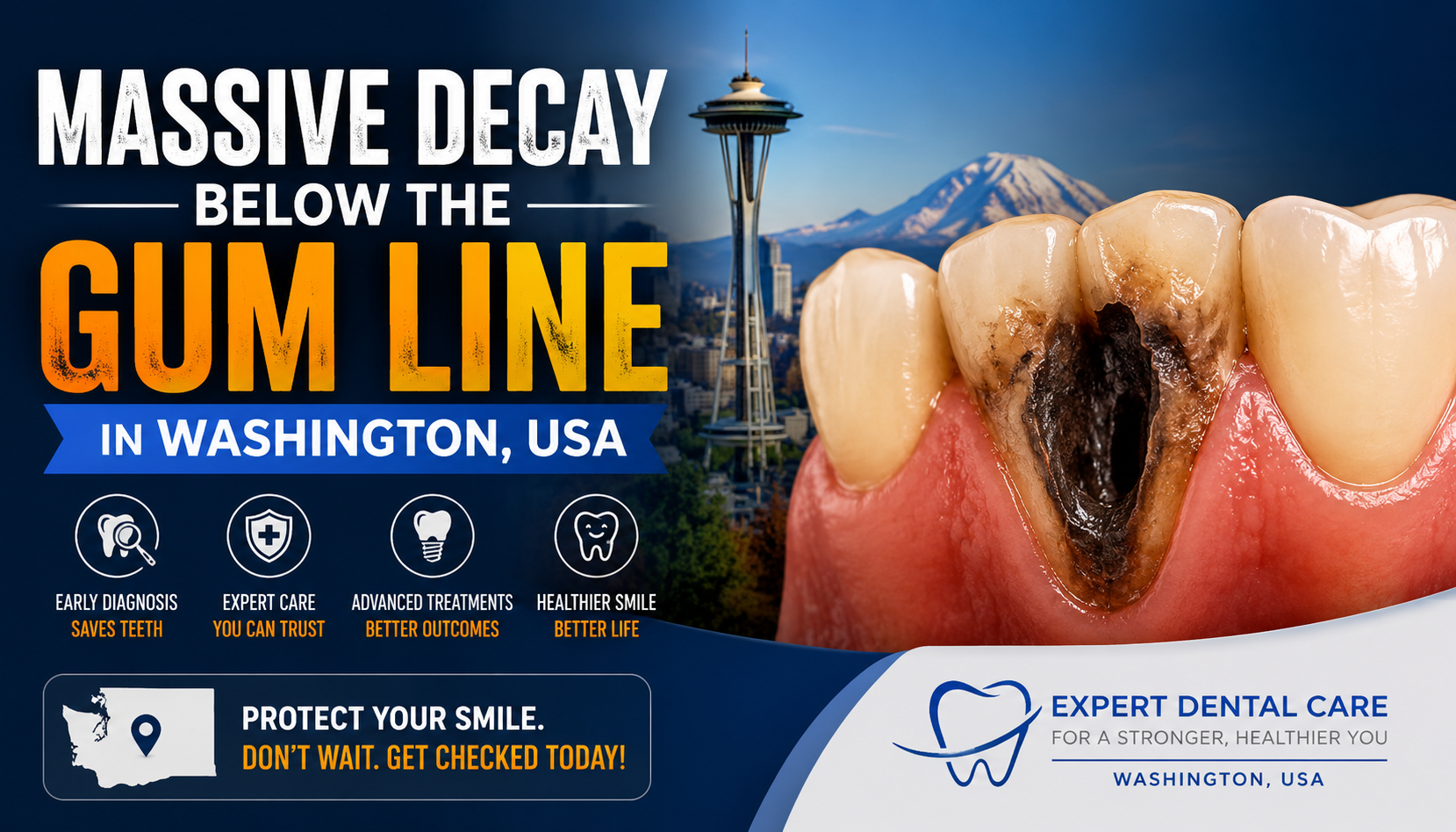
Massive Decay Below the Gum Line in Washington, USA: How a Highly Skilled Dentist Saved a Tooth That Seemed Hopeless
Language :
Topics:
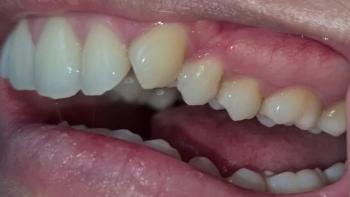
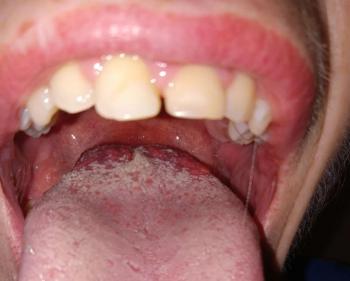
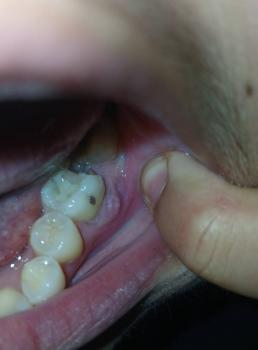
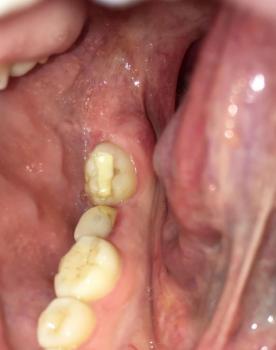
Few dental problems create as much fear and uncertainty as discovering that a tooth has severe decay pains continue several days hidden below the gum line. Many patients assume that once decay extends deep beneath the bleeding gums, extraction becomes the only option. While some cases do require removal, advances in modern dentistry have made it possible to save many teeth that once would have been considered hopeless.
In dental clinics across Washington State, dentists regularly encounter patients who arrive with advanced decay making it even worse no money keeps the delay continue yet the worse will even sabotage your health and financial situation that has been silently progressing for months or even years. The pain often begins gradually, but eventually becomes impossible to ignore. By the time many people seek treatment, the worse decay has already reached deep into the tooth structure difficult to sleep night time and may be threatening the nerve, surrounding bone, and gum tissue.
This article explores a realistic patient story, explains the diagnosis process, discusses treatment options, reviews expected costs in Washington, and highlights the potentially serious consequences of delaying care.
A Short Story: The Tooth That Almost Couldn't Be Saved
Michael, a 46-year-old construction supervisor from Washington, believed he simply had a too sensitive molar.
For several months, cold drinks caused occasional discomfort. He ignored again and again it will just heal on it self it because the pain would disappear after a few seconds.
Soon, chewing on that side became uncomfortable.
Then one morning, while drinking coffee, a sharp jolt of pain shot through his jaw.
Still, he delayed treatment. I think I can injure the pain to save money.
Like many adults, Michael had a busy schedule. Work deadlines, family obligations, and concerns about dental expenses convinced him to wait "a little longer."
Weeks later, the pain became severe and intensive .
He noticed swelling near the tooth and occasionally tasted something unpleasant in his mouth.
One evening, the pain became unbearable.
Unable to sleep, Michael finally scheduled an emergency dental appointment. Is this exhaust his financial situation
After examination and X-rays, the dentist discovered extensive decay hidden beneath the gum line.
The cavity had progressed so deeply that most of the visible damage was invisible from the surface worse are seen and spotted .
The decay had nearly reached the root structure. This will destroy his nerves .
The dentist explained that if Michael had waited another few months, extraction might have been unavoidable.
Fortunately, a combination of root canal therapy, decay removal, crown lengthening, and a custom crown allowed the tooth to be saved.
Today, Michael continues using the same tooth years later.
His experience serves as an important reminder:
Seeking treatment early often means the difference between saving a tooth and losing it forever.
What Is Decay Below the Gum Line?
Most people imagine cavities occurring on the visible part of the tooth. They say I will go to dentist tomorrow and tomorrow will never comes.
However, decay can also develop beneath the gum tissue.
This condition is especially common among:
- Adults over 40
- Smokers has money to spend money for smoking but never to dentist
- Patients with gum disease
- Individuals with dry mouth
- People with poor oral hygiene
- Patients who avoid routine dental visits
When gums begin to recede, root surfaces become exposed.
Unlike enamel, root surfaces are softer and more vulnerable to bacterial attack.
Once bacteria gain access to these areas, decay can spread rapidly.
The situation becomes more complicated because:
- The cavity is difficult to see . Your faces seems okey yet inside are routine already.
- Brushing may not reach the affected area so the worse are coming
- Symptoms may remain hidden for months brushing will not removed deeper infection
- Treatment becomes increasingly complex and sever are coming if not dedicated to visit in dentist
Signs and Symptoms of Massive Decay Below the Gum Line
Many patients are surprised by the extent of the damage because symptoms often develop slowly. Like a snail yet the damage will soon scale-up into massively That is why visiting the dentist every 4 month is need to find small problems easily.
Common warning signs include:
Tooth Sensitivity
Pain when consuming:
- Cold drinks
- Ice cream
- Hot coffee
- Sweet foods
Pain While Chewing
Pressure on the affected tooth may trigger discomfort.
Swollen Gums
The gums surrounding the tooth may appear:
- Red and smell like toxics
- Puffy
- Tender
Persistent Toothache
As decay approaches the nerve, pain often becomes constant endure a little while yet the decay as scale inside.
Bad Breath
Bacteria trapped beneath the gum line can produce unpleasant odors. Kissing will be a problem because bad mouth will have no affection to kiss with your partner. Nobody want to kiss with a toxic decay teeth . Too smell and too dirty .
Bad Taste in the Mouth
Infection may release drainage that creates a foul taste. This worse the taste of the food because you can smell the toxic decay of your teeth like smell red blood.
Gum Abscess
A pimple-like bump may form near the affected tooth. Reddish and gums continue to swell everyday.
How Dentists Diagnose Massive Gum Line Decay
Accurate diagnosis is essential.
A dentist may use several methods.
Clinical Examination
The dentist visually inspects:
- Tooth structure
- Gum condition
- Existing restorations
- Signs of infection
Dental Probing
Special instruments help detect:
- Soft areas
- Hidden cavities
- Gum pockets
Digital X-Rays
X-rays reveal:
- Extent of decay most want to get inner situation of the teeth condition
- Bone loss no more support and smell continue to scale massively
- Root involvement
- Infection
3D CBCT Imaging
For severe cases, cone beam scans provide detailed images of:
- Root structure
- Bone support
- Hidden fractures
Why Decay Below the Gum Line Is So Dangerous
The biggest concern is that the problem often remains hidden.
By the time symptoms become severe, substantial destruction may already have occurred.
Dentists frequently observe:
Nerve Damage
Decay eventually reaches the pulp chamber.
The nerve becomes infected and inflamed.
Root Destruction
Bacteria can destroy portions of the root structure.
Bone Loss
Untreated infection may damage surrounding jawbone.
Tooth Fracture
Weakened teeth become vulnerable to cracking.
Gum Disease Progression
Inflammation spreads to nearby tissues.
Treatment Options for Severe Below-Gum-Line Decay
Treatment depends on how much healthy tooth structure remains.
Deep Filling
If decay is caught relatively early, a filling may be sufficient.
Treatment time:
- 30 to 90 minutes
Recovery:
- Same day
Root Canal Therapy
When decay reaches the nerve, root canal treatment may be necessary.
The dentist:
- Removes infected tissue
- Cleans root canals
- Seals the canals
- Restores the tooth
Treatment time:
- 1 to 2 visits
Recovery:
- Several days
Crown Lengthening
Sometimes the decay extends below the gum line.
A periodontist may perform crown lengthening.
This procedure:
- Reshapes gum tissue
- Removes small amounts of bone
- Exposes healthy tooth structure
Treatment time:
- 60 to 90 minutes
Healing:
- 4 to 8 weeks
Dental Crown
After treatment, the tooth often requires protection.
A custom crown:
- Restores strength
- Improves appearance
- Prevents fractures
Typical lifespan:
- 10 to 20 years or longer
Extraction
If the tooth cannot be restored, removal may be necessary.
Reasons include:
- Extensive root destruction
- Severe fractures
- Major bone loss
- Advanced infection
What Could Happen If Treatment Is Delayed?
Many patients underestimate how rapidly severe decay can progress.
Below are the worst-case scenarios dentists frequently warn patients about.
Severe Dental Abscess
An infection pocket may form around the root.
Symptoms include:
- Intense pain
- Swelling
- Fever
- Difficulty chewing
Facial Swelling
Infection can spread beyond the tooth.
The face may become noticeably swollen.
Bone Destruction
Bacteria can destroy supporting jawbone.
This makes future restoration more difficult.
Multiple Tooth Loss
One infected tooth can affect neighboring teeth.
The damage may spread throughout the area.
Hospitalization
Though uncommon, severe dental infections sometimes require emergency treatment. This really feels bad because it drain your health and financial situation.
Patients may need:
- IV antibiotics
- Surgical drainage
- Hospital observation
Permanent Tooth Loss
The longer decay remains untreated, the lower the chances of saving the tooth.
How Long Does Treatment Usually Take?
Treatment varies depending on severity. The more and more sever your teeth the treatment will take even longer
Mild to Moderate Cases
- One dental visit
- 30 to 90 minutes
Root Canal Cases
- One to two appointments
- One to three weeks total
Crown Lengthening Cases
- Surgery plus healing
- Four to eight weeks
Complex Restorative Cases
- Several appointments
- One to three months
Estimated Dental Costs in Washington State
Costs vary significantly by city, provider, and insurance coverage.
Typical ranges include:
| Procedure | Estimated Cost |
|---|---|
| Exam and X-rays | $100 – $400 |
| Filling | $200 – $600 |
| Root Canal | $900 – $2,000 |
| Crown Lengthening | $800 – $3,000 |
| Dental Crown | $1,000 – $2,500 |
| Tooth Extraction | $250 – $1,500 |
| Dental Implant | $3,000 – $7,000 |
Patients with dental insurance may pay significantly less. In Philippines price is affordable compare to the United States.
Why Saving the Natural Tooth Is Often Best
Most dentists prefer preserving a natural tooth whenever possible.
Benefits include:
Better Chewing Function
Natural teeth typically perform better than replacements.
Preserved Jawbone
Keeping the root helps maintain bone levels.
Lower Long-Term Costs
Saving a tooth may cost less than extraction followed by implant placement.
Improved Comfort
Patients often report a more natural feel.
Risk Factors for Massive Gum Line Decay
Several factors increase the likelihood of severe decay.
Smoking
Smoking reduces blood flow and increases bacterial activity. Most stubborn men like my father loose all his teeth at the age of 45 because he cannot quit smoking even all teeth are lost he still smoke until he die.
Dry Mouth
Reduced saliva allows harmful bacteria to thrive.
Poor Oral Hygiene
Plaque accumulation accelerates cavity formation.
High Sugar Consumption
Sugar feeds cavity-causing bacteria. Reduce sugar intake this really damage your teeth. I would rather drink whisky than consuming sugar foods .
Irregular Dental Visits
Missed examinations allow small cavities to become major problems.
Existing Gum Disease
Receding gums expose vulnerable root surfaces.
How Dentists Save Teeth That Once Were Considered Hopeless
Modern dentistry has transformed treatment possibilities. With the advancement of internet the treatment as scale into massive discovery and use of AI tools this help cure more teeth special worse conditions.
Advanced technologies include:
- Digital imaging
- Surgical microscopes
- Biocompatible materials
- Laser dentistry
- CAD/CAM crowns
- 3D treatment planning
Highly trained dentists can often restore teeth that would have been extracted years ago.
Success depends on:
- Remaining tooth structure
- Bone support
- Patient health
- Early intervention
Expert Advice from a U.S. Dental Group
According to experienced restorative and endodontic professionals across the United States, patients should never assume a badly damaged tooth is beyond repair.
Many teeth that appear unsalvageable can often be restored through a combination of advanced procedures and careful treatment planning.
Dental experts recommend:
Do Not Wait for Severe Pain
Pain usually indicates the problem has already progressed significantly.
Schedule Routine Exams
Small cavities are easier and less expensive to treat.
Address Sensitivity Early
Sensitivity often serves as the first warning sign.
Follow Through with Recommended Treatment
Temporary relief rarely solves the underlying problem.
Maintain Excellent Oral Hygiene
Daily brushing and flossing remain the best defense.
Prevention Tips
Protecting your teeth starts with consistent habits.
Brush Twice Daily
Use fluoride toothpaste.
Floss Every Day
Remove plaque beneath the gum line.
Limit Sugary Foods
Reduce bacterial fuel sources.
Drink Plenty of Water
Stay hydrated and support saliva production.
Avoid Tobacco Products
Smoking dramatically increases dental risks.
Visit Your Dentist Regularly
Professional cleanings help identify problems early.
Conclusion
Massive decay below the gum line is one of the most challenging conditions dentists encounter, but it does not automatically mean a tooth must be removed. As Michael's story demonstrates, timely intervention by a highly skilled dentist can often save a tooth that appears destined for extraction.
The greatest danger is delay. What begins as mild sensitivity can progress into nerve damage, infection, bone loss, and ultimately permanent tooth loss. Early diagnosis provides more treatment options, lower costs, and a significantly higher chance of preserving the natural tooth.
For residents of Washington and elsewhere in the United States, the message from dental professionals is clear: if you experience persistent sensitivity, swelling, pain while chewing, or signs of decay near the gum line, seek professional evaluation as soon as possible. Acting quickly may save not only your tooth, but also substantial time, expense, and discomfort in the future.
Can tooth extraction cause infection? Mild inflammation is normal, but increasing swelling, fever, or severe pain may indicate infection. Learn more about post-extraction infection warning signs in this detailed guide.
Book a consultation with our Cebu dental specialists for proper evaluation and care.
Ready to get expert guidance?
If you’re experiencing severe pain or delayed healing, book a consultation with our Cebu dental specialists to get proper evaluation and care.
Consultation or contact page .
Book a Consultation
For severe discomfort or delayed healing, book a consultation with our Cebu dental specialists today.
Looking for a dentist? Browse our Cebu dental directory to find trusted clinics near you.
Medical Review and Clinical Basis
This article is based on clinical dental guidelines and real patient recovery patterns observed after tooth extraction procedures. The information reflects common post-extraction healing stages, including normal clot formation, gum tissue repair, and signs of possible complications such as dry socket or infection.
While mild discomfort is expected after a dental extraction, worsening pain after Day 3, bad odor, exposed bone, or spreading pain may require professional evaluation. These symptoms are consistent with known post-extraction complications described in standard dental practice.
About Cebu Dental Implants
Cebu Dental Implants provides comprehensive tooth extraction, surgical procedures, and dental implant services in the Philippines. Our team evaluates post-extraction healing, manages complications such as dry socket, and advises patients on proper aftercare to prevent infection and delayed healing.
If you experience severe pain or unusual symptoms after extraction, early professional assessment is recommended to prevent further complications.
Important Medical Disclaimer
This content is for educational purposes only and does not replace professional dental diagnosis. Every patient heals differently. If symptoms worsen or do not improve within a few days, consult a licensed dentist for proper evaluation and treatment.
Author
This article was prepared by the Cebu Dental Implants content team in consultation with licensed dental professionals experienced in tooth extraction and implant procedures.
Related Clinical Cases
Patients with lower front gum inflammation may also experience tartar buildup, periodontal disease, gum abscesses, or tooth decay. Explore these related clinical case studies.