Because Every Tooth Deserves Care.

Can I Save My Tooth with a Root Canal in Redding, California? A 20-Year USA Dentist Explains What Happens, What Can Go Wrong, and How to Save Your Natural Tooth
Language :
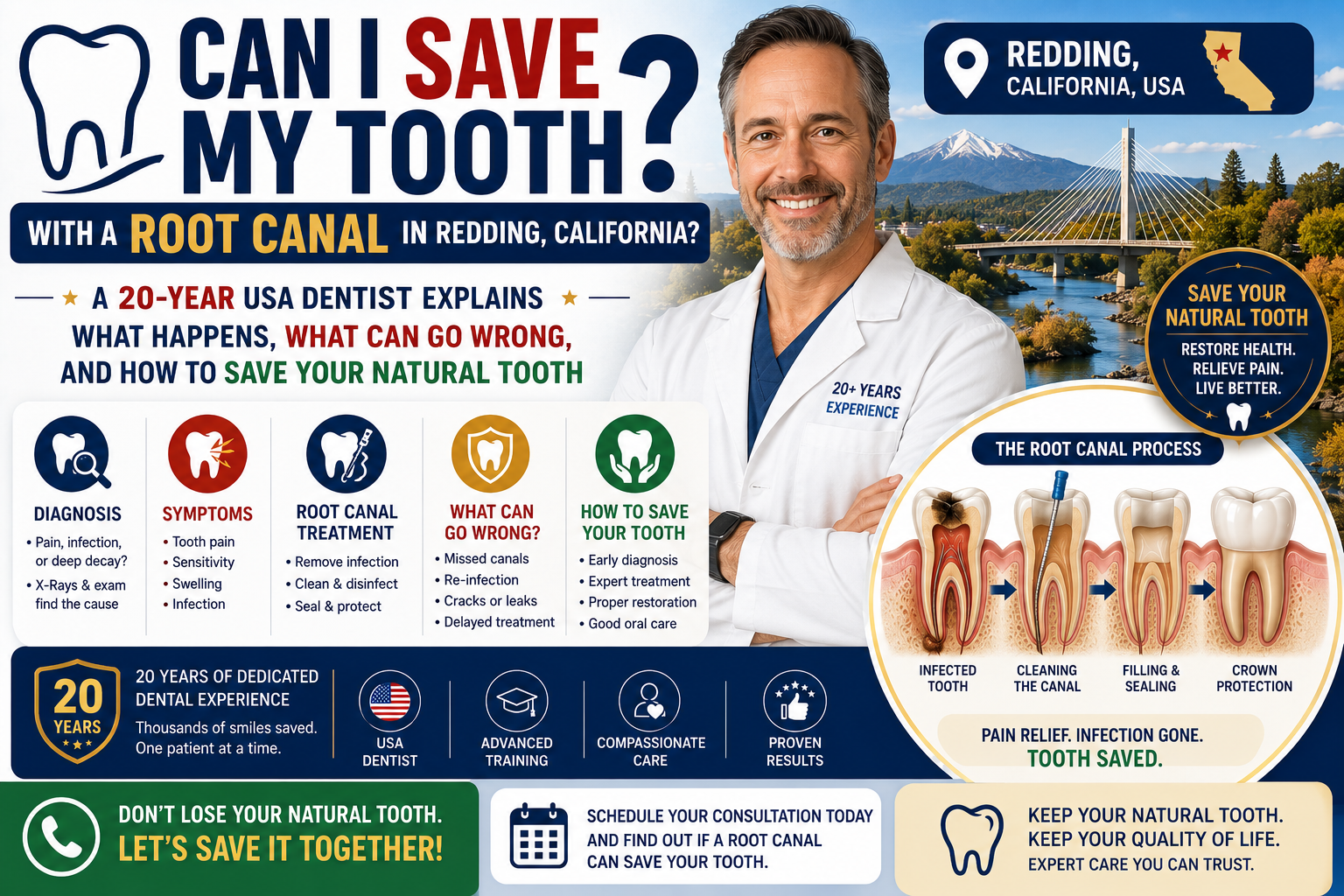
One of the most common questions I hear from patients in Redding, California is:
“Can my tooth still be saved, or do I need an extraction?”
After more than 20 years practicing dentistry and helping patients save damaged teeth, I can tell you that many teeth that appear hopeless can often be preserved through root canal treatment and proper restorative care.
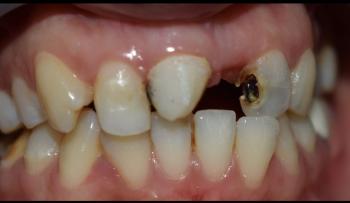
Patients frequently arrive at my office believing their tooth is beyond repair. They may have severe pain, swelling, a broken filling, a darkened tooth, an abscess, or a recommendation from another provider suggesting extraction.
However, appearances can be deceiving.
A tooth that looks severely damaged on the outside may still have enough healthy structure and bone support to remain functional for many years. Conversely, a tooth that causes little discomfort may hide significant infection beneath the surface.
The key is obtaining an accurate diagnosis and understanding all available treatment options before making a decision.
In this comprehensive guide, I will explain:
- When a root canal can save a tooth
- Signs your tooth may still be salvageable
- Situations where extraction may be necessary
- Common diagnosis scenarios
- What happens if treatment is delayed
- How modern root canal treatment works
- Long-term success rates
- Advice for patients in Redding, California
Understanding What a Root Canal Actually Does
Many patients think a root canal "fixes" a tooth.
Technically, it does something more important.
A root canal removes:
- Infected pulp tissue
- Inflamed nerve tissue
- Bacteria inside the root canals
- Dead tissue causing infection
Once the inside of the tooth is cleaned and disinfected, the canals are sealed to prevent future bacterial invasion.
The purpose is simple:
Eliminate infection while preserving the natural tooth.
Whenever possible, saving your natural tooth is generally preferable to removing it.
Natural teeth provide:
- Better chewing efficiency
- Natural sensation
- Preservation of jawbone
- Proper bite alignment
- Reduced need for more complex treatment
Scenario 1: Severe Toothache but the Tooth Can Still Be Saved
This is perhaps the most common situation.
A patient develops:
- Sharp pain
- Throbbing pain
- Nighttime pain
- Sensitivity to hot foods
- Sensitivity to cold drinks
The nerve becomes irreversibly inflamed.
Many patients assume:
"The pain is unbearable. The tooth must be hopeless."
In reality, this scenario often has an excellent prognosis.
If:
- The tooth structure remains intact
- The roots are healthy
- Bone support is adequate
A root canal can frequently save the tooth.
In fact, many of the most painful teeth I have treated ended up functioning normally for decades after treatment.
Scenario 2: A Large Cavity Reaches the Nerve
This situation occurs when tooth decay progresses deep into the tooth.
What begins as a small cavity may slowly advance through:
- Enamel
- Dentin
- Pulp chamber
Eventually bacteria infect the nerve.
Symptoms may include:
- Food trapping
- Bad taste
- Sensitivity
- Spontaneous pain
At this stage, a filling alone is usually insufficient.
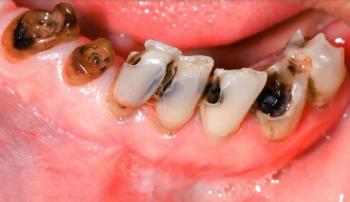
However, if enough tooth structure remains, a root canal followed by a crown can often save the tooth.
Many Redding patients are surprised to learn that a severely decayed tooth may still be restorable despite extensive damage.
Scenario 3: The Tooth Has Died but There Is No Pain
A dead tooth does not always hurt.
This surprises many people.
Sometimes patients discover:
- Dark discoloration
- Gum pimple
- Bad odor
- X-ray infection
Despite having no pain whatsoever.
The nerve may have died months or years earlier.
Without treatment, bacteria continue spreading beyond the root tip.
Fortunately, many dead teeth remain highly treatable.
A root canal can remove infection and preserve the tooth before more extensive bone loss develops.
Scenario 4: A Dental Abscess Is Present
An abscess can look frightening.
Signs include:
- Facial swelling
- Gum swelling
- Drainage
- Pus
- Pressure sensation
Patients often assume extraction is their only option.
Not necessarily.
An abscess simply means infection has escaped beyond the root.
The important question is:
Can the tooth itself still be restored?
If:
- The root is intact
- Bone loss is manageable
- Structural damage is repairable
Root canal treatment often eliminates the infection while preserving the tooth.
I have treated numerous abscessed teeth that remained functional many years after successful root canal therapy.
Scenario 5: Previous Root Canal Is Failing
A patient may say:
"I already had a root canal years ago."
Unfortunately, not every root canal lasts forever.
Reasons for failure include:
- Missed canals
- Recurrent decay
- Crown leakage
- Root fractures
- New bacterial contamination
Symptoms may include:
- Swelling
- Tenderness
- Pressure
- Infection on x-rays
In many cases, retreatment can save the tooth.
Modern technology often allows dentists and endodontists to locate hidden canals that may have been missed during previous treatment.
Scenario 6: Cracked Tooth with Nerve Damage
Cracks are common among adults.
Causes include:
- Teeth grinding
- Large fillings
- Trauma
- Age-related wear
Not all cracks are the same.
A minor crack may be treatable with:
- Root canal
- Crown
A vertical root fracture extending deep into the root may be impossible to repair.
Determining the extent of the crack is one of the most critical parts of diagnosis.
Advanced imaging often helps reveal whether the tooth can realistically be saved.
Scenario 7: Trauma to the Tooth
Sports injuries and accidents frequently affect teeth.
Patients may experience:
- Chipped teeth
- Discoloration
- Loose teeth
- Dead nerves
A tooth can survive trauma for years before symptoms appear.
Sometimes a root canal becomes necessary after:
- A fall
- Car accident
- Sports injury
Even significantly injured teeth may remain functional for decades when treated appropriately.
Scenario 8: Dark Tooth After Injury
A dark tooth often indicates internal damage.
The discoloration may appear:
- Gray
- Brown
- Yellow
- Dark purple
This does not automatically mean the tooth must be extracted.
Many discolored teeth are successfully treated with:
- Root canal therapy
- Internal bleaching
- Crown restoration
The determining factor is the health of the root and surrounding bone.
When a Tooth May Not Be Savable
Although modern dentistry can save many teeth, some situations present serious challenges.
Examples include:
Severe Vertical Root Fracture
A crack extending through the root often allows bacteria continuous access to surrounding bone.
These fractures rarely heal predictably.
Extreme Bone Loss
If periodontal disease destroys excessive supporting bone, long-term stability becomes questionable.
Insufficient Remaining Tooth Structure
Sometimes decay extends so deeply beneath the gums that restoration becomes impossible.
Non-Restorable Damage
Certain teeth simply lack enough healthy structure to support a crown.
In these situations, extraction may represent the most predictable option.
Why Delaying Treatment Can Make Things Worse
Many patients attempt to wait out symptoms.
Common reasons include:
- Fear
- Cost concerns
- Busy schedules
- Temporary pain relief
Unfortunately, infection rarely resolves permanently on its own.
Possible consequences include:
- Larger abscesses
- Bone destruction
- Tooth fracture
- Increased treatment complexity
- Eventual tooth loss
Early treatment generally improves the chances of saving a tooth.
Modern Root Canal Treatment Is Different Than Many People Expect
Many patients still associate root canals with outdated horror stories.
Modern techniques have dramatically improved patient comfort.
Today's treatment may involve:
- Digital radiography
- Electronic apex locators
- Rotary instruments
- Advanced irrigation systems
- Microscope-assisted treatment
- Enhanced anesthetic techniques
Most patients report the procedure feels similar to receiving a routine filling.
The infection itself often causes more discomfort than the root canal treatment.
How Dentists Determine Whether a Tooth Can Be Saved
An accurate diagnosis requires multiple evaluations.
These commonly include:
Clinical Examination
The dentist evaluates:
- Cracks
- Decay
- Existing restorations
- Tooth mobility
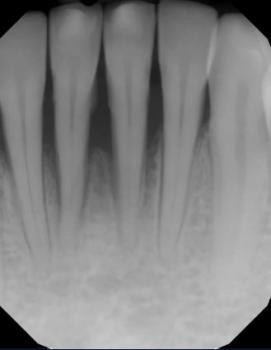
X-Rays
Radiographs reveal:
- Infection
- Bone levels
- Root anatomy
- Previous treatment
Pulp Testing
These tests assess nerve vitality.
Bite Evaluation
Excessive bite forces can influence treatment planning.
CBCT 3D Imaging
Advanced imaging provides detailed information regarding:
- Root fractures
- Hidden canals
- Bone destruction
- Surgical planning
Only after gathering all necessary information can a realistic prognosis be established.
Root Canal Versus Extraction: Which Is Better?
Whenever possible, preserving a healthy natural tooth is often the preferred approach.
Advantages of saving the tooth include:
- Maintaining natural chewing
- Preserving jawbone
- Avoiding shifting teeth
- Preventing bite changes
Extraction may initially appear less expensive.
However, replacing the tooth often requires:
- Dental implant
- Bridge
- Partial denture
These additional treatments can significantly increase overall costs.
Therefore, saving a tooth may ultimately prove more economical and biologically beneficial.
What Happens After a Root Canal?
The root canal itself is only part of the treatment.
Many teeth require:
Crown Placement
A crown protects weakened tooth structure.
This is especially important for:
- Molars
- Premolars
- Heavily restored teeth
Core Build-Up
Additional support may be required before crown placement.
Follow-Up Monitoring
Periodic x-rays help confirm successful healing.
Long-Term Success Rates
When properly performed and restored, root canal treatment demonstrates excellent success.
Many studies show success rates exceeding 85% to 95% depending upon:
- Initial infection severity
- Restoration quality
- Oral hygiene
- Tooth anatomy
I routinely see patients whose root canals continue functioning successfully after:
- 10 years
- 15 years
- 20 years
- Even longer
The combination of excellent treatment and proper maintenance often produces remarkable longevity.
Warning Signs That Require Immediate Attention
Patients in Redding should seek prompt dental evaluation if they experience:
- Severe tooth pain
- Facial swelling
- Gum abscess
- Persistent sensitivity
- Broken tooth with pain
- Bad taste from gums
- Darkening tooth
- Pain when chewing
These symptoms may indicate infection requiring urgent treatment.
Advice for Patients Who Are Unsure
If you have been told your tooth needs a root canal, avoid making decisions based solely on fear.
Instead:
- Obtain a thorough examination.
- Ask about all available options.
- Understand the long-term prognosis.
- Consider preserving the natural tooth when feasible.
- Seek a second opinion if recommendations differ significantly.
A properly informed decision almost always leads to a better outcome.
Frequently Asked Questions
Is a root canal painful?
Modern root canal treatment is generally comfortable. Most patients report significant relief after treatment because the source of infection has been removed.
Can antibiotics replace a root canal?
No.
Antibiotics may temporarily reduce symptoms but usually cannot eliminate bacteria inside the root canal system.
Can a tooth survive without a nerve?
Yes.
After successful root canal treatment, the tooth can continue functioning normally for many years.
Is extraction faster?
Sometimes.
However, extraction often creates additional treatment needs such as implants, bridges, or dentures.
How long does treatment take?
Depending on complexity, treatment may require one or more appointments.
Final Thoughts from a Dentist with 20 Years of Experience
If you are asking, “Can I save my tooth with a root canal in Redding, California?” the answer is often yes—but only after a careful diagnosis.
Over the past two decades, I have seen countless teeth that appeared hopeless yet were successfully preserved through modern root canal therapy and proper restoration. I have also seen patients wait too long, allowing manageable problems to become far more complex.
Every tooth tells a different story.
A painful tooth may be highly treatable. A dark tooth may still be healthy enough to save. Even an abscessed tooth may have an excellent prognosis when treated promptly.
The most important step is obtaining a professional evaluation before assuming extraction is your only choice.
Whenever clinically appropriate, preserving your natural tooth remains one of the most valuable investments you can make in your long-term oral health. With modern diagnostic technology, advanced endodontic techniques, and timely treatment, many Redding patients can successfully save teeth that only a few decades ago might have been lost forever.
Can tooth extraction cause infection? Mild inflammation is normal, but increasing swelling, fever, or severe pain may indicate infection. Learn more about post-extraction infection warning signs in this detailed guide.
Book a consultation with our Cebu dental specialists for proper evaluation and care.
Ready to get expert guidance?
If you’re experiencing severe pain or delayed healing, book a consultation with our Cebu dental specialists to get proper evaluation and care.
Consultation or contact page .
Book a Consultation
For severe discomfort or delayed healing, book a consultation with our Cebu dental specialists today.
Looking for a dentist? Browse our Cebu dental directory to find trusted clinics near you.
Medical Review and Clinical Basis
This article is based on clinical dental guidelines and real patient recovery patterns observed after tooth extraction procedures. The information reflects common post-extraction healing stages, including normal clot formation, gum tissue repair, and signs of possible complications such as dry socket or infection.
While mild discomfort is expected after a dental extraction, worsening pain after Day 3, bad odor, exposed bone, or spreading pain may require professional evaluation. These symptoms are consistent with known post-extraction complications described in standard dental practice.
About Cebu Dental Implants
Cebu Dental Implants provides comprehensive tooth extraction, surgical procedures, and dental implant services in the Philippines. Our team evaluates post-extraction healing, manages complications such as dry socket, and advises patients on proper aftercare to prevent infection and delayed healing.
If you experience severe pain or unusual symptoms after extraction, early professional assessment is recommended to prevent further complications.
Important Medical Disclaimer
This content is for educational purposes only and does not replace professional dental diagnosis. Every patient heals differently. If symptoms worsen or do not improve within a few days, consult a licensed dentist for proper evaluation and treatment.
Author
This article was prepared by the Cebu Dental Implants content team in consultation with licensed dental professionals experienced in tooth extraction and implant procedures.
Related Clinical Cases
Patients with lower front gum inflammation may also experience tartar buildup, periodontal disease, gum abscesses, or tooth decay. Explore these related clinical case studies.