Missing Teeth? Find Your Smile Again.

Tooth Extraction Healing Stages (Day-by-Day) in California USA
Language :
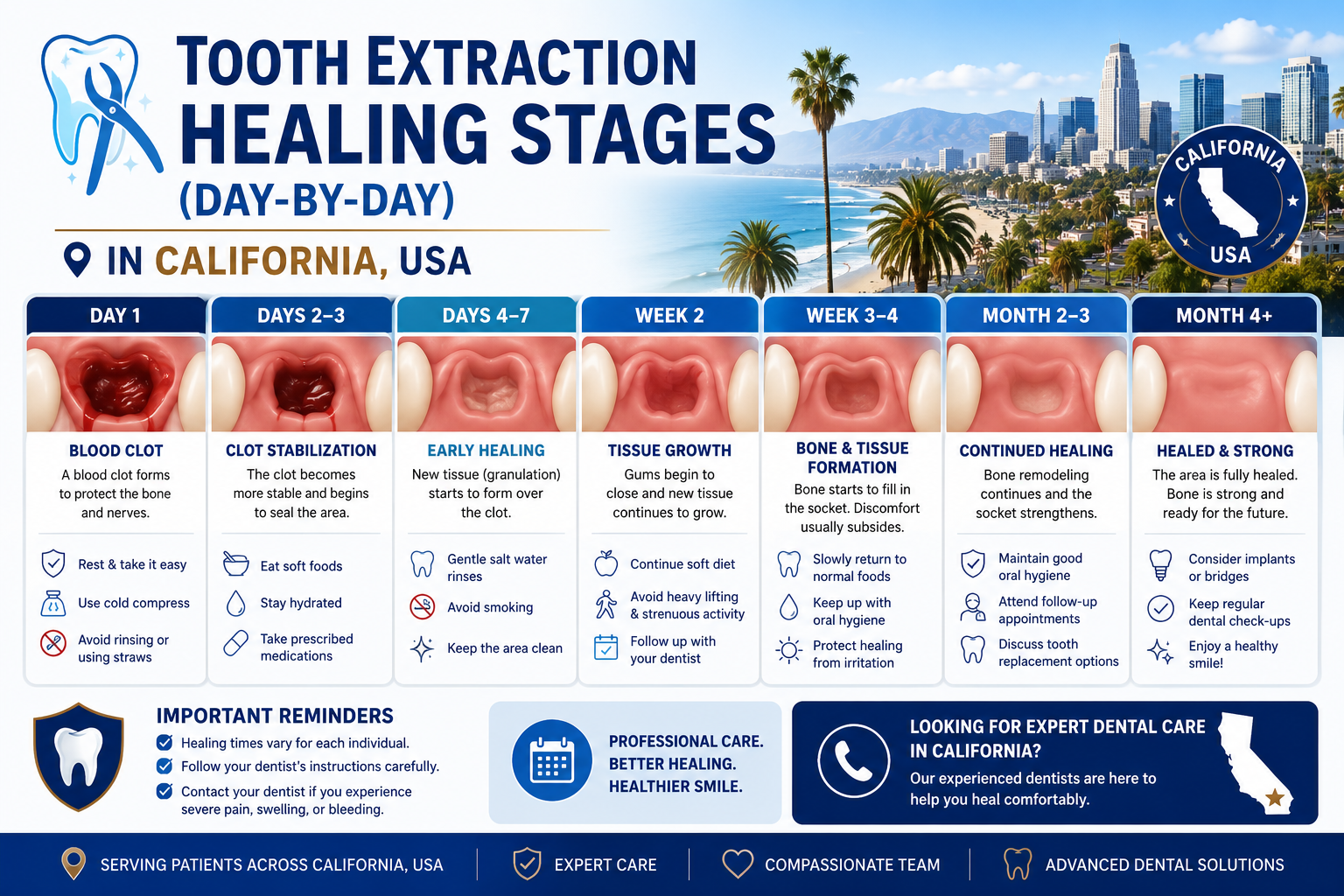
Tooth extraction is one of the most common dental procedures performed across California USA. Whether the extraction involves wisdom teeth, damaged molars, infected teeth, or preparation for dental implants, understanding the healing process is essential for a safe and comfortable recovery.
Many patients become anxious when they notice swelling, bleeding, white tissue, or discomfort after extraction. Some symptoms are completely normal, while others may signal complications such as dry socket or infection.
This complete expert dental guide explains the tooth extraction healing stages day-by-day, including what to expect during recovery, warning signs to monitor, modern dental equipment used in California clinics, pain management strategies, implant preparation considerations, and practical advice to improve healing outcomes.
Why Understanding Healing Stages Matters
Faster Recovery Through Proper Care
Knowing what happens during healing helps patients:
- Reduce anxiety
- Prevent complications
- Improve comfort
- Protect blood clots
- Support bone regeneration
Tooth Extraction and Dental Implants
Many California patients undergo extraction before receiving dental implants. Proper healing is critical because healthy bone and gum tissue are necessary for successful implant placement.
Poor healing may delay implant treatment or require additional procedures such as bone grafting.
What Happens Immediately After Tooth Extraction?
Formation of the Blood Clot
After extraction, the body forms a protective blood clot inside the empty socket.
This clot is extremely important because it:
- Stops bleeding
- Protects exposed bone
- Covers nerve endings
- Begins tissue regeneration
If the clot becomes dislodged, dry socket may develop.
Initial Inflammatory Response
The body sends healing cells to the area to:
- Reduce bacteria
- Start tissue repair
- Control bleeding
Mild swelling and discomfort are normal during this stage.
Day-by-Day Tooth Extraction Healing Stages
Day 1: The First 24 Hours
What Patients Usually Experience
During the first day, common symptoms include:
- Mild bleeding
- Oozing saliva
- Swelling
- Tenderness
- Numbness fading
The extraction site appears dark red because of the fresh blood clot.
Important Recovery Instructions
California oral surgeons strongly recommend:
- Resting
- Avoiding strenuous activity
- Keeping gauze in place
- Drinking water carefully
- Avoiding smoking and alcohol
Foods Recommended on Day 1
Soft foods are best:
- Yogurt
- Applesauce
- Mashed potatoes
- Smooth soup
- Protein shakes without straws
Avoid:
- Hot foods
- Crunchy snacks
- Seeds
- Spicy foods
Dental Equipment Used During Extraction
Modern California dental clinics commonly use:
- Digital X-rays
- Surgical extraction instruments
- High-speed suction systems
- Sterile surgical kits
- Piezoelectric surgical tools
These technologies improve safety and precision.
Day 2: Early Healing Begins
Swelling Usually Peaks
Many patients notice:
- Facial puffiness
- Mild jaw stiffness
- Bruising
This is a normal inflammatory response.
Pain Levels
Discomfort may remain moderate but should be manageable with:
- Prescribed medication
- Ibuprofen
- Cold compresses
Pain should not suddenly become severe.
Oral Hygiene During Day 2
Gentle oral care becomes important:
- Carefully brush nearby teeth
- Use warm saltwater rinses gently
- Avoid vigorous spitting
Day 3: Tissue Repair Intensifies
Formation of Granulation Tissue
The socket begins filling with soft healing tissue called granulation tissue.
This tissue:
- Appears white or yellowish
- Is completely normal
- Protects the socket
Many patients mistakenly think this is infection.
Possible Dry Socket Warning Signs
Day 3 is when dry socket commonly begins.
Warning symptoms include:
- Severe radiating pain
- Empty-looking socket
- Bad odor
- Pain worsening instead of improving
Cold Compress vs Warm Compress
Cold Compress
Best during first 48 hours to reduce swelling.
Warm Compress
Usually helpful after day 3 to improve circulation.
Day 4: Reduced Bleeding and Stabilization
Swelling Starts Improving
Most California patients notice:
- Less facial swelling
- Improved jaw movement
- Better comfort while eating
Socket Appearance
The extraction site may:
- Look white
- Look slightly yellow
- Appear uneven
These findings are often normal healing signs.
Activity Levels
Light daily activity is generally acceptable, but avoid:
- Heavy exercise
- Intense gym workouts
- Smoking
Day 5: Bone Protection Continues
Gum Tissue Slowly Closes
The gum edges begin shrinking toward the center of the socket.
Healing speed depends on:
- Extraction complexity
- Age
- Smoking status
- Overall health
Eating Improvements
Patients can usually tolerate:
- Pasta
- Soft rice
- Eggs
- Fish
- Oatmeal
Continue avoiding hard crunchy foods.
Day 6–7: First Week Healing Milestone
Significant Improvement for Most Patients
By the end of week one:
- Swelling usually decreases greatly
- Pain becomes mild
- Bleeding stops completely
Follow-Up Dental Visits
California dentists may schedule evaluations to:
- Check healing
- Remove sutures
- Monitor infection
- Assess implant readiness
Signs Healing Is Going Well
Healthy healing usually includes:
- Reduced discomfort
- Pink tissue formation
- No fever
- No pus
- Gradual closure of socket
Week 2: Soft Tissue Healing
Gum Tissue Strengthens
The gums continue sealing the extraction site.
The hole may still appear visible but becomes smaller daily.
Bone Healing Continues Underneath
Although the gums look improved externally, internal bone healing continues for several months.
This stage is very important for future dental implants.
Normal Symptoms During Week 2
Mild symptoms may include:
- Slight tenderness
- Small food trapping
- Minor sensitivity
These symptoms usually improve naturally.
Weeks 3–4: Advanced Healing Stage
Major Improvement in Appearance
By this stage:
- Gum tissue looks healthier
- Socket becomes shallow
- Chewing improves
Bone Remodeling Starts
The jawbone slowly rebuilds and reshapes itself.
California implant specialists may evaluate:
- Bone density
- Implant timing
- Bone graft integration
Months 1–3: Bone Healing Phase
Internal Healing Continues
Even after pain disappears, deep bone healing continues for several months.
Dental Implant Planning
This stage is critical for:
- Implant placement
- CBCT scans
- Bone assessment
Some patients may require:
- Bone grafting
- Sinus lift procedures
- Additional healing time
Tooth Extraction Healing Timeline Comparison
Simple Extraction vs Surgical Extraction
| Healing Factor | Simple Extraction | Surgical Extraction |
|---|---|---|
| Pain Level | Mild | Moderate to severe |
| Swelling | Minimal | More noticeable |
| Healing Speed | Faster | Slower |
| Bone Trauma | Less | Greater |
| Implant Delay | Shorter | Sometimes longer |
Dry Socket vs Normal Healing
| Symptom | Normal Healing | Dry Socket |
|---|---|---|
| Mild discomfort | Yes | No |
| Severe throbbing pain | No | Yes |
| Blood clot present | Yes | Often missing |
| White tissue | Normal | Possible |
| Bad odor | Mild | Often severe |
| Pain improving daily | Yes | No |
Infection vs Normal Healing
| Symptom | Normal Healing | Infection |
|---|---|---|
| Mild swelling | Yes | Yes |
| Fever | No | Often |
| Pus | No | Yes |
| Severe swelling | Rare | Common |
| Bad taste | Mild | Strong |
| Facial redness | Minimal | Often visible |
Common Problems During Healing
Dry Socket
What Causes It?
Dry socket occurs when the clot becomes dislodged prematurely.
Risk factors include:
- Smoking
- Straw use
- Aggressive rinsing
- Difficult extraction
Symptoms
Patients often experience:
- Sharp pain
- Ear pain
- Exposed bone
- Bad taste
Infection
Signs of Infection
Possible warning signs:
- Fever
- Pus
- Swelling worsening after several days
- Difficulty swallowing
Immediate professional evaluation is important.
Delayed Healing
Causes
Delayed recovery may occur due to:
- Diabetes
- Smoking
- Poor nutrition
- Immune disorders
Dental Equipment Used in California USA
Digital Dental X-Rays
Digital imaging helps dentists evaluate:
- Root structure
- Bone condition
- Hidden infection
Benefits include:
- Lower radiation
- Faster diagnosis
- Improved accuracy
CBCT 3D Imaging
Cone Beam CT scans provide detailed views of:
- Jawbone thickness
- Sinus location
- Nerve positioning
- Implant planning
This technology is widely used in California implant clinics.
Surgical Handpieces
Modern surgical handpieces allow:
- Precise bone shaping
- Reduced trauma
- Faster procedures
Laser Dentistry Systems
Some California practices use lasers to:
- Reduce bacteria
- Improve healing
- Minimize bleeding
Platelet-Rich Fibrin (PRF)
PRF technology uses the patient’s own blood to create healing membranes that:
- Accelerate recovery
- Support bone growth
- Improve implant preparation
How Smoking Affects Healing
Reduced Blood Flow
Nicotine narrows blood vessels and slows healing.
Increased Dry Socket Risk
Smokers experience significantly higher dry socket rates.
Implant Complications
Smoking also increases:
- Implant failure
- Bone loss
- Infection risk
California oral surgeons often recommend temporary smoking cessation before and after surgery.
Best Foods During Tooth Extraction Recovery
Recommended Soft Foods
Helpful choices include:
- Soup
- Yogurt
- Smooth mashed vegetables
- Cottage cheese
- Scrambled eggs
- Oatmeal
Foods to Avoid
Avoid:
- Popcorn
- Chips
- Nuts
- Sticky candy
- Hard bread
- Spicy meals
These foods may damage the clot or irritate tissues.
Practical Recovery Tips
Keep Head Elevated
Sleeping slightly elevated helps reduce swelling.
Stay Hydrated
Hydration supports tissue repair and reduces dry mouth.
Avoid Straws
Suction may remove the clot.
Take Medications Correctly
Always follow your dentist’s instructions carefully.
Maintain Gentle Oral Hygiene
Keeping the mouth clean helps reduce bacteria safely.
When to Call a California Dentist Immediately
Emergency Symptoms
Contact your dentist if you experience:
- Fever
- Severe swelling
- Difficulty breathing
- Uncontrolled bleeding
- Pus discharge
- Severe worsening pain
Tooth Extraction and Dental Implants
Why Healing Matters Before Implant Placement
Healthy healing provides:
- Stable bone
- Strong gum tissue
- Better implant success rates
Immediate vs Delayed Implants
Immediate Implant
Placed the same day as extraction.
Delayed Implant
Placed after several weeks or months of healing.
California implant specialists determine the best option based on:
- Bone condition
- Infection presence
- Gum health
Emotional Recovery After Tooth Extraction
Many patients experience:
- Anxiety
- Fear of complications
- Sleep disruption
- Stress about eating
Understanding the healing stages helps reduce uncertainty and improves confidence during recovery.
Frequently Asked Questions (FAQs)
How long does tooth extraction healing take?
Soft tissue usually heals within 1–2 weeks, while complete bone healing may take several months.
Is white tissue after extraction normal?
Yes. White or yellow granulation tissue is commonly part of normal healing.
When does dry socket usually happen?
Dry socket most commonly develops between days 2–5 after extraction.
Can I brush my teeth after extraction?
Yes, but avoid brushing directly on the socket during early healing.
Is swelling normal after extraction?
Yes. Swelling often peaks around days 2–3.
When can I eat normally again?
Many patients gradually return to normal foods after 1–2 weeks depending on healing.
How do I know if I have an infection?
Signs may include fever, pus, severe swelling, or worsening pain.
Can I exercise after extraction?
Light activity is acceptable after several days, but avoid heavy workouts initially.
Expert California Dental Advice
Follow Instructions Closely
Post-operative instructions are designed to:
- Protect the blood clot
- Reduce infection risk
- Improve comfort
Attend Follow-Up Visits
Professional monitoring helps detect complications early.
Choose Experienced Implant Providers
Advanced California implant clinics use:
- CBCT imaging
- PRF technology
- Digital surgical planning
- Sterile implant systems
These technologies improve long-term outcomes.
Understanding tooth extraction healing stages day-by-day helps patients recover more safely and confidently after oral surgery in California USA.
Most patients experience gradual improvement during the first week, with swelling and discomfort steadily decreasing as gum tissue repairs itself and bone healing begins underneath. While symptoms like mild tenderness, white tissue, and temporary swelling are usually normal, severe pain, fever, pus, or worsening swelling may signal complications that require professional evaluation.
Modern California dental clinics use advanced equipment such as CBCT scanners, digital X-rays, laser dentistry systems, surgical handpieces, and PRF technology to improve healing, reduce complications, and prepare patients for successful dental implants.
Patients can support faster healing by:
- Avoiding smoking
- Following post-operative instructions
- Eating soft foods
- Maintaining gentle oral hygiene
- Staying hydrated
- Attending follow-up appointments
If unusual symptoms develop during recovery, early treatment from an experienced California dentist can prevent serious complications and protect long-term oral health.
Can tooth extraction cause infection? Mild inflammation is normal, but increasing swelling, fever, or severe pain may indicate infection. Learn more about post-extraction infection warning signs in this detailed guide.
Book a consultation with our Cebu dental specialists for proper evaluation and care.
Ready to get expert guidance?
If you’re experiencing severe pain or delayed healing, book a consultation with our Cebu dental specialists to get proper evaluation and care.
Consultation or contact page .
Book a Consultation
For severe discomfort or delayed healing, book a consultation with our Cebu dental specialists today.
Looking for a dentist? Browse our Cebu dental directory to find trusted clinics near you.
Medical Review and Clinical Basis
This article is based on clinical dental guidelines and real patient recovery patterns observed after tooth extraction procedures. The information reflects common post-extraction healing stages, including normal clot formation, gum tissue repair, and signs of possible complications such as dry socket or infection.
While mild discomfort is expected after a dental extraction, worsening pain after Day 3, bad odor, exposed bone, or spreading pain may require professional evaluation. These symptoms are consistent with known post-extraction complications described in standard dental practice.
About Cebu Dental Implants
Cebu Dental Implants provides comprehensive tooth extraction, surgical procedures, and dental implant services in the Philippines. Our team evaluates post-extraction healing, manages complications such as dry socket, and advises patients on proper aftercare to prevent infection and delayed healing.
If you experience severe pain or unusual symptoms after extraction, early professional assessment is recommended to prevent further complications.
Important Medical Disclaimer
This content is for educational purposes only and does not replace professional dental diagnosis. Every patient heals differently. If symptoms worsen or do not improve within a few days, consult a licensed dentist for proper evaluation and treatment.
Author
This article was prepared by the Cebu Dental Implants content team in consultation with licensed dental professionals experienced in tooth extraction and implant procedures.
Related Clinical Cases
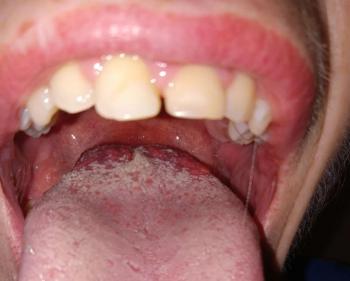
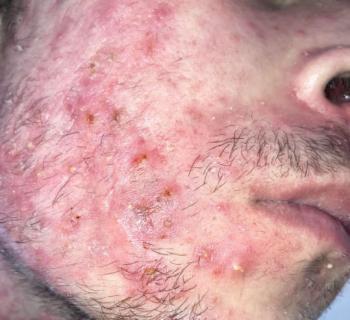
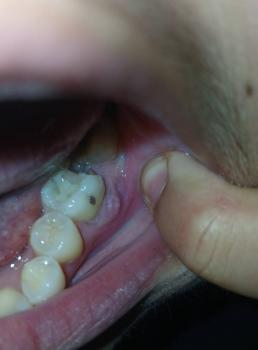
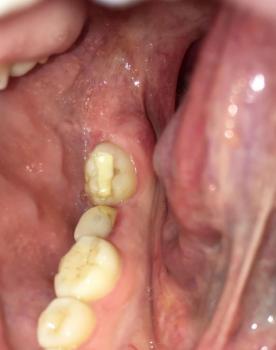
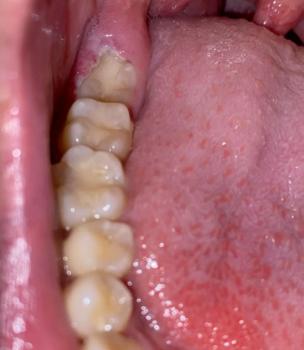
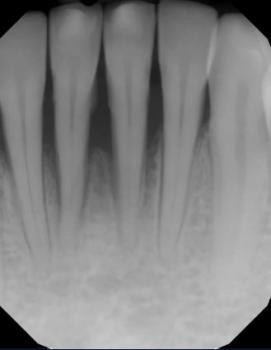
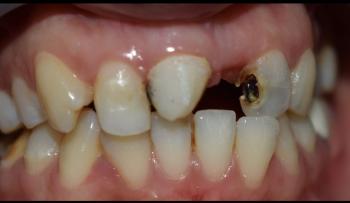
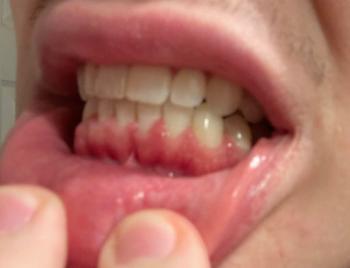
Patients with lower front gum inflammation may also experience tartar buildup, periodontal disease, gum abscesses, or tooth decay. Explore these related clinical case studies.
Other topics:
Other Dental Clinic