Modern Dentistry, Timeless Smiles.

The Shifting Landscape: How Changing US Policies May Redirect Filipino Access to Dental Care
Language :

Topics:
A new wave of uncertainty is sweeping through affluent Filipino families who have long considered the United States a primary destination for both migration and advanced medical care, including state-of-the-art dental treatments. A recently proposed Senate bill seeking to abolish dual citizenship has sparked widespread concern in the Filipino community, forcing a potential reckoning: if gaining or maintaining U.S. status becomes more difficult, will the traditional pathways to American healthcare also close?
This article explores the intersection of immigration policy and healthcare access, examining the deep-seated reasons many Filipinos look to the U.S. for dental care and the emerging alternatives that could redefine this decades-long trend.
The Allure of American Dental Care: Beyond Just Treatment
For many Filipino families, the desire to migrate to the United States is multifaceted, with healthcare often being a significant component.
-
Pursuit of Advanced Treatment: The U.S. is often perceived as a leader in medical technology and specialized dental procedures, from complex full-mouth reconstructions to cutting-edge cosmetic dentistry
-
Economic Mobility and Affordability: While dental care in the U.S. is famously expensive, successful migration is often tied to higher earning potential. The Filipino-American community in the U.S. has a median household income of approximately $115,509, which is higher than the U.S. Asian average
-
. This financial stability can make costly treatments more accessible than they would be on a Philippine-based income.
-
Established Community Networks: With a massive diaspora of over 4.2 million people, Filipino immigrants have built extensive support networks
-
. These communities provide crucial recommendations for trusted dentists, help navigate insurance systems, and offer practical support during medical visits.
The Reality of U.S. Immigration: A Pathway Fraught with Delays
Accessing this perceived better life and healthcare is not straightforward. The U.S. immigration system, particularly for Filipinos, is characterized by extensive backlogs.
The tables below show the current, lengthy waiting times for family-sponsored and employment-based visas from the Philippines, illustrating a multi-year, if not multi-decade, process
.
Family-Sponsored Visa Backlogs (as of Dec 2025)
| Visa Category | Who It's For | Final Action Date (Priority Date must be before) |
|---|---|---|
| F1 | Unmarried Adult Children of U.S. Citizens | January 22, 2013 |
| F2B | Unmarried Adult Children of Permanent Residents | October 8, 2012 |
| F3 | Married Children of U.S. Citizens | November 1, 2004 |
| F4 | Siblings of Adult U.S. Citizens | July 15, 2006 |
Employment-Based Visa Backlogs (as of Dec 2025)
| Visa Category | Who It's For | Final Action Date (Priority Date must be before) |
|---|---|---|
| EB-3 | Skilled Workers & Professionals | April 15, 2023 |
| EB-4 | Certain Special Immigrants | September 1, 2020 |
These wait times mean that a petition filed today for a Filipino sibling (F4) might not be processed for over 19 years. This reality makes the proposed dual citizenship ban an added layer of stress for families already in a prolonged state of limbo
A Rising Alternative: The Philippines as a Global Dental Destination
Paradoxically, while some Filipinos seek dental care abroad, the Philippines itself has emerged as a world-class destination for dental tourism, attracting international patients, including those from the United States
| Dental Procedure | Average Cost in USA | Average Cost in Philippines | Potential Savings |
|---|---|---|---|
| Single Dental Implant | $3,000 - $6,000+ |
$1,500 - $3,000
| 50% or more | |||
| Porcelain Crown | $1,000 - $2,500+ | $300 - $800 (estimated) | Up to 70% |
The reasons for this cost difference are structural: lower costs of living, competitive labor markets, and reduced overhead for clinics allow Philippine dentists to offer prices that are a fraction of those in the U.S., while still utilizing high-quality materials and technology .Major cities like Manila and Cebu are home to modern dental clinics that cater specifically to international clients, offering care that meets global standards
Navigating the Future: Practical Advice for Families
Faced with evolving immigration rules and a globalized healthcare market, Filipino families have more to consider than ever.
-
For Those Considering U.S. Migration: Consult with a licensed immigration attorney to understand your specific pathway and the potential impact of any policy changes. As attorney Flomy Diza advises, managing expectations about timelines is critical, and professional guidance is strongly recommended
-
For Those Seeking Advanced Dental Care: Conduct a thorough cost-benefit analysis. For major procedures, receiving treatment in the Philippines could result in enormous savings, even accounting for travel. Research accredited clinics with strong reviews from international patients
-
A Hybrid Approach: Many diasporic families are now adopting a blended model. They maintain their lives and careers in the U.S. or elsewhere but return to the Philippines for planned, significant dental work, combining treatment with family visits.
The proposed changes to U.S. citizenship rules are a reminder that global mobility is not guaranteed. For affluent Filipino families, this moment may prompt a strategic reassessment. The dream of American healthcare is now balanced against the practical and financial logic of a high-quality, more affordable alternative that is, for many, back home. The future may see a continued desire for U.S. migration, but with a more pragmatic approach to healthcare that leverages the best of both worlds.
I hope this analysis provides a helpful overview of this complex issue. If you are considering specific dental procedures and would like to understand more about the options in different countries, I can provide further details to aid in your research.
Looking for dentist : Visit directory list
Related Clinical Cases
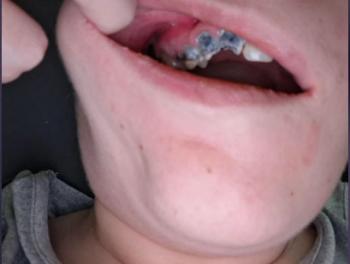
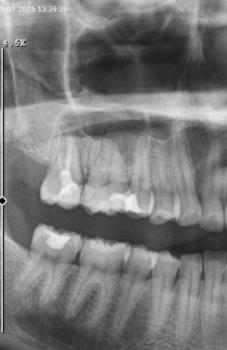
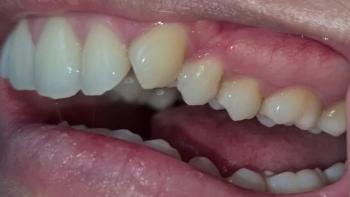
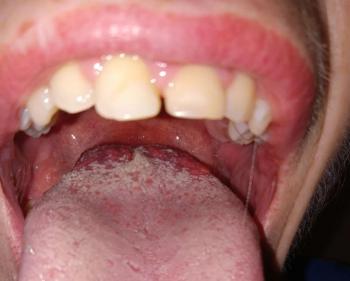
Patients with lower front gum inflammation may also experience tartar buildup, periodontal disease, gum abscesses, or tooth decay. Explore these related clinical case studies.



Other topics:
Other Dental Clinic