Missing Teeth? Find Your Smile Again.

Dry Socket vs Infection in California USA: Complete 2026 Dental Expert Guide
Language :
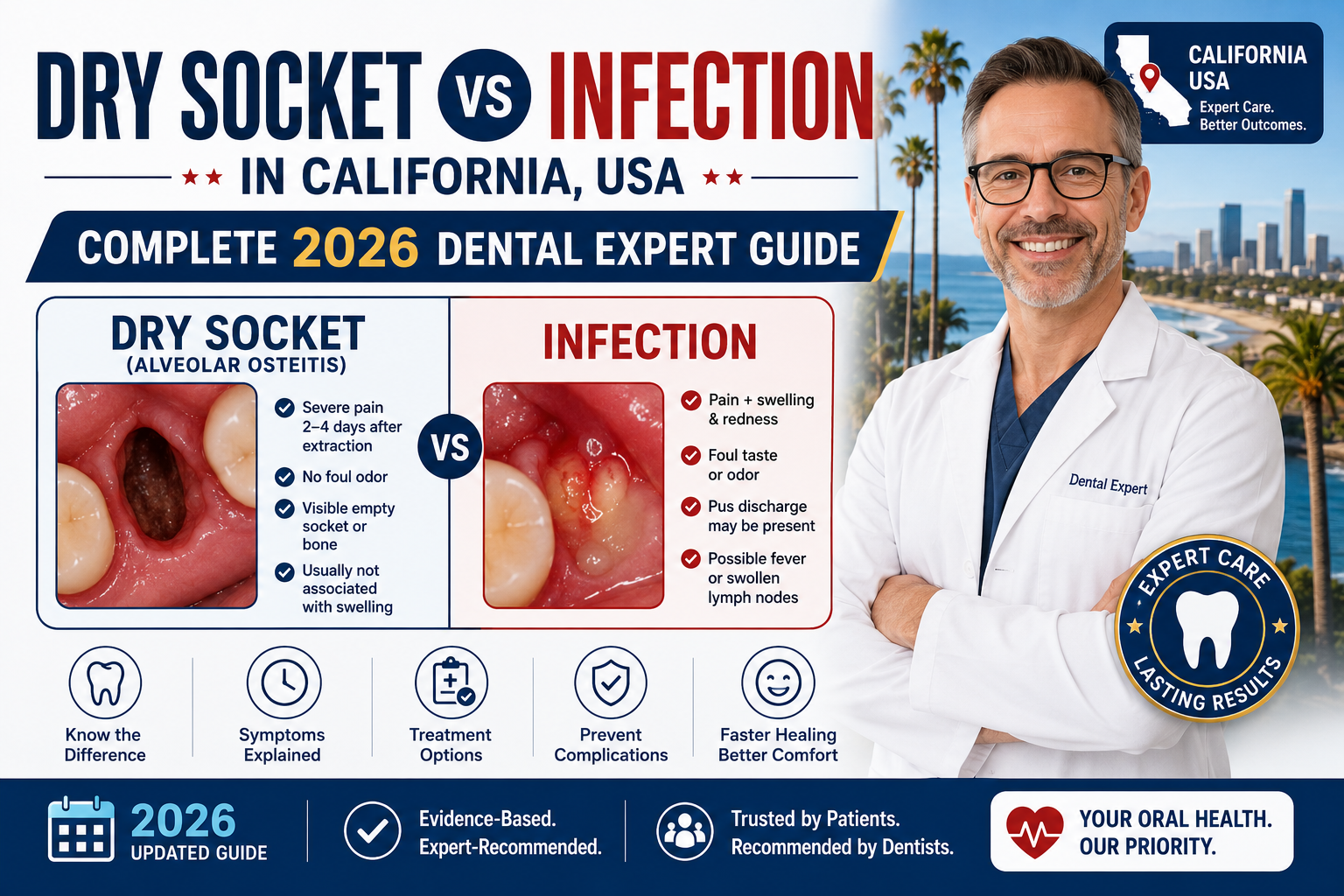
Tooth extraction and dental implant procedures are among the most common oral surgeries performed across California, USA. While most patients heal normally, some experience painful complications during recovery. Two of the most misunderstood problems are dry socket and dental infection.
Many patients confuse the two because both conditions may occur after tooth extraction, wisdom tooth removal, or dental implant surgery. However, they are very different problems requiring different treatment approaches.
Understanding the warning signs early can help prevent severe pain, delayed healing, bone damage, and expensive emergency dental visits.
This complete expert guide explains the difference between dry socket and infection, including symptoms, causes, healing stages, dental equipment used by California dentists, treatment methods, prevention strategies, and practical recovery advice.
What Is Dry Socket?
Definition of Dry Socket
Dry socket, also called alveolar osteitis, occurs when the protective blood clot at the extraction site becomes dislodged, dissolves too early, or never properly forms.
Normally, after a tooth extraction, a blood clot protects the bone and nerves underneath while the gums heal. When this clot disappears prematurely, the exposed bone becomes extremely sensitive and painful.
Dry socket is not usually an infection initially, although infection can develop later if untreated.
Common Causes of Dry Socket
Several factors increase the risk of dry socket after tooth extraction:
Smoking and Vaping
Nicotine reduces blood flow and interferes with clot formation.
Drinking Through Straws
The suction pressure can remove the healing clot.
Poor Oral Hygiene
Bacteria may disrupt proper healing.
Difficult Tooth Extractions
Complex wisdom tooth removals often increase risk.
Hormonal Factors
Some hormonal medications may slightly increase susceptibility.
Aggressive Mouth Rinsing
Forceful rinsing during the first 24 hours may dislodge the clot.
What Is a Dental Infection?
Definition of Dental Infection
A dental infection occurs when harmful bacteria invade the extraction site, gums, bone, or surrounding tissue.
Unlike dry socket, infection involves bacterial growth and inflammation. In severe cases, untreated infections can spread to the jawbone, sinus area, neck, or bloodstream.
Dental infections require professional treatment quickly to avoid serious complications.
Common Causes of Dental Infection
Food Debris Trapped in Socket
Food particles may encourage bacterial growth.
Poor Sterilization or Poor Hygiene
Bacteria can enter vulnerable tissues.
Weakened Immune System
Patients with diabetes or immune disorders may heal slower.
Untreated Gum Disease
Pre-existing periodontal disease increases infection risk.
Failed Dental Implants
Peri-implant infections may develop around implants.
Delayed Treatment
Ignoring symptoms allows bacteria to spread deeper.
Dry Socket vs Infection: Main Differences
Quick Comparison Table
| Feature | Dry Socket | Dental Infection |
|---|---|---|
| Main Cause | Lost blood clot | Bacterial invasion |
| Pain Level | Severe sharp pain | Throbbing or swelling pain |
| Bad Taste | Common | Common |
| Fever | Rare | Common |
| Swelling | Mild or absent | Often significant |
| Pus | Usually absent | Often present |
| Visible Bone | Frequently visible | Not always visible |
| Odor | Possible | Often strong |
| Treatment | Medicated dressing | Antibiotics + cleaning |
| Healing Time | 7–14 days | Varies depending on severity |
Symptoms of Dry Socket
Severe Pain After Extraction
The most common sign is intense pain beginning 2–5 days after extraction.
Pain may radiate toward:
- Ear
- Jaw
- Temple
- Neck
Many California patients describe the pain as sharp, throbbing, or unbearable.
Visible Bone in the Socket
Instead of a dark blood clot, the extraction area may appear:
- Empty
- Whitish
- Exposed
This exposed bone is highly sensitive.
Bad Breath and Unpleasant Taste
Food debris and exposed tissue often create:
- Bad breath
- Metallic taste
- Foul mouth odor
Delayed Healing
The socket may appear dry instead of healthy and pink.
Symptoms of Dental Infection
Swelling
Infections usually cause:
- Gum swelling
- Facial swelling
- Puffy cheeks
This is less common with dry socket.
Fever and Fatigue
Systemic symptoms often include:
- Fever
- Chills
- Weakness
- Body aches
These symptoms require immediate professional evaluation.
Pus Drainage
Yellow or white pus is a major warning sign of infection.
Persistent Throbbing Pain
Unlike dry socket pain that feels exposed and sharp, infection pain is usually:
- Pulsating
- Pressure-like
- Deep aching
Swollen Lymph Nodes
The neck or jaw glands may become tender.
Dry Socket After Dental Implants
Can Dry Socket Happen After Implant Surgery?
Dry socket mainly occurs after tooth extraction, but implant patients may experience similar complications if:
- Bone grafting was performed
- A tooth was extracted before immediate implant placement
- Healing becomes disrupted
California implant specialists closely monitor early healing to reduce complications.
Dental Equipment Used in California USA
Modern dental clinics in California use advanced equipment to diagnose and treat dry socket and infections safely.
Digital Dental X-Rays
Digital imaging helps dentists detect:
- Bone loss
- Hidden infections
- Implant complications
Benefits include:
- Faster diagnosis
- Lower radiation
- Better precision
CBCT 3D Scanners
Cone Beam Computed Tomography (CBCT) provides detailed 3D views of:
- Jawbone
- Sinuses
- Nerve pathways
- Implant positioning
This technology is commonly used in advanced California implant centers.
Surgical Irrigation Systems
Dentists use sterile irrigation equipment to:
- Clean infected sockets
- Remove bacteria
- Flush debris safely
Laser Dentistry Equipment
Some clinics use dental lasers to:
- Reduce bacteria
- Promote healing
- Minimize bleeding
Ultrasonic Cleaning Devices
Ultrasonic equipment helps remove plaque and bacteria gently around healing tissues.
Risk Factors for Dry Socket and Infection
Smoking
Smoking remains one of the largest risk factors.
California oral surgeons strongly advise stopping smoking before and after surgery.
Diabetes
Poor blood sugar control may delay healing.
Poor Oral Hygiene
Unclean extraction sites allow bacterial buildup.
Wisdom Tooth Extractions
Lower wisdom teeth have higher dry socket rates.
Immune Disorders
Patients with compromised immunity may heal slower and develop infections easier.
Healing Timeline After Tooth Extraction
First 24 Hours
Normal symptoms:
- Mild bleeding
- Swelling
- Blood clot formation
Avoid:
- Smoking
- Straws
- Vigorous rinsing
Days 2–4
Healing usually improves gradually.
If pain suddenly worsens, dry socket may be developing.
Days 5–7
Most swelling decreases.
Persistent swelling or fever may indicate infection.
Weeks 2–4
Gum tissue continues closing over the socket.
Bone healing continues for several months.
How Dentists Diagnose Dry Socket vs Infection
Clinical Examination
Dentists inspect:
- Blood clot presence
- Swelling
- Bone exposure
- Odor
- Pus formation
Dental Imaging
X-rays or CBCT scans help identify:
- Bone infection
- Retained root fragments
- Implant problems
Medical History Review
Dentists review:
- Smoking habits
- Medications
- Existing health conditions
- Surgical complexity
Treatment for Dry Socket
Medicated Dressings
California dentists often place soothing medicated packing into the socket.
This helps:
- Reduce pain
- Protect exposed bone
- Promote healing
Socket Irrigation
The socket is gently cleaned to remove:
- Food debris
- Bacteria
- Dead tissue
Pain Management
Treatment may include:
- Prescription pain relievers
- Anti-inflammatory medications
- Warm saltwater rinses
Follow-Up Appointments
Some patients require several dressing changes until pain improves.
Treatment for Dental Infection
Antibiotics
Common antibiotics may include:
- Amoxicillin
- Clindamycin
- Metronidazole
Dentists choose medications based on infection severity and allergies.
Drainage Procedures
Severe infections may require draining pus buildup.
Deep Cleaning
The infected site may need surgical cleaning.
Implant Removal in Severe Cases
In advanced implant infections, removing the implant may be necessary temporarily.
Practical Home Care Advice
Use Saltwater Rinses Carefully
Warm saltwater may help reduce bacteria gently.
Do not rinse aggressively.
Eat Soft Foods
Recommended foods:
- Yogurt
- Mashed potatoes
- Soup
- Smoothies without straws
- Scrambled eggs
Avoid:
- Chips
- Nuts
- Spicy foods
Stay Hydrated
Drinking water supports healing and reduces dry mouth.
Avoid Smoking and Alcohol
Both significantly slow healing.
Keep Follow-Up Appointments
Early intervention prevents severe complications.
Dry Socket vs Infection Pain Comparison
Dry Socket Pain
Patients often report:
- Sudden severe pain
- Exposed sensitivity
- Pain spreading toward ear
Pain usually peaks around days 3–5.
Infection Pain
Infection pain often includes:
- Swelling pressure
- Heat sensation
- Pulsating discomfort
Symptoms may gradually worsen over time.
When to Call a California Dentist Immediately
Emergency Warning Signs
Seek urgent care if you experience:
- Fever
- Facial swelling
- Difficulty swallowing
- Difficulty breathing
- Pus discharge
- Severe uncontrolled pain
Untreated infections can become dangerous.
Dry Socket Prevention Tips
Follow Post-Operative Instructions
Carefully follow your dentist’s instructions after surgery.
Avoid Straws
The suction may remove the clot.
Stop Smoking Temporarily
Even stopping for several days greatly helps healing.
Maintain Gentle Oral Hygiene
Brush carefully around surgical areas.
Attend Follow-Up Visits
Professional monitoring improves recovery success.
Dental Implants and Infection Prevention
Sterile Surgical Techniques
California implant specialists use:
- Sterile instruments
- Surgical drapes
- Controlled environments
Bone Grafting Management
Proper bone graft stabilization reduces infection risk.
Professional Maintenance Visits
Regular implant cleanings help prevent peri-implantitis.
Cost of Treating Dry Socket and Infection in California USA
Typical Dry Socket Treatment Costs
Approximate costs may include:
- Exam: $75–$200
- Medicated dressing: $50–$150
- Follow-up visits: additional fees possible
Infection Treatment Costs
Costs vary depending on severity:
- Antibiotics: $20–$100
- Emergency dental visit: $150–$500
- Surgical cleaning: higher costs possible
- Implant repair or replacement: significantly more expensive
Dental insurance may partially cover medically necessary treatment.
Dry Socket vs Infection in Wisdom Tooth Removal
Wisdom Teeth Are Higher Risk
Wisdom tooth extraction commonly increases the chance of:
- Dry socket
- Swelling
- Infection
This is especially true for impacted lower wisdom teeth.
Importance of Oral Surgeon Experience
Experienced California oral surgeons help reduce complications through:
- Precise surgical technique
- Advanced imaging
- Better post-operative planning
Emotional Impact of Dental Complications
Many patients feel:
- Anxiety
- Fear
- Frustration
- Sleep disruption
Prompt treatment often provides fast relief and reassurance.
Ignoring symptoms usually worsens both pain and treatment costs.
Frequently Asked Questions (FAQs)
Is dry socket an infection?
No. Dry socket is mainly the loss of the protective blood clot. However, infection may develop later if untreated.
How long does dry socket last?
Most cases improve within 7–14 days with professional treatment.
Can antibiotics cure dry socket?
Antibiotics alone usually do not fix dry socket because the main issue is exposed bone rather than bacteria.
Can infection heal without antibiotics?
Minor irritation may improve naturally, but significant dental infections usually require professional treatment.
Does dry socket smell bad?
Yes. Many patients notice unpleasant odor or bad taste.
Can dental implants get infected years later?
Yes. Peri-implantitis can occur months or even years after implant placement if oral hygiene declines.
Is dry socket dangerous?
Dry socket is extremely painful but usually not life-threatening. Infection is generally more dangerous if untreated.
Can I brush my teeth after extraction?
Yes, but gently avoid disturbing the surgical site during early healing.
Expert Advice from California Dental Professionals
Early Evaluation Matters
Many patients wait too long before contacting their dentist. Early evaluation often:
- Reduces pain faster
- Prevents spreading infection
- Lowers treatment costs
Choose Experienced Implant Providers
Advanced implant training and modern technology significantly improve surgical outcomes.
Follow Recovery Instructions Strictly
Even simple actions like smoking or using a straw can interrupt healing.
Understanding the difference between dry socket and infection is essential for protecting your oral health after tooth extraction or dental implant surgery in California USA.
Dry socket mainly involves the premature loss of the healing blood clot, causing severe exposed bone pain. Infection involves harmful bacteria that may lead to swelling, fever, pus formation, and serious complications if ignored.
Although both conditions can feel alarming, prompt professional treatment usually leads to successful recovery. Modern California dental clinics use advanced imaging, sterile surgical techniques, laser technology, and digital diagnostics to identify problems early and improve healing outcomes.
Patients can greatly reduce risks by:
- Following post-operative instructions
- Avoiding smoking
- Maintaining good oral hygiene
- Attending follow-up visits
- Seeking early dental evaluation for unusual symptoms
If you experience severe pain, swelling, fever, or delayed healing after a dental procedure, contacting an experienced California dentist immediately can help protect your oral health and avoid more serious complications.
Can tooth extraction cause infection? Mild inflammation is normal, but increasing swelling, fever, or severe pain may indicate infection. Learn more about post-extraction infection warning signs in this detailed guide.
Book a consultation with our Cebu dental specialists for proper evaluation and care.
Ready to get expert guidance?
If you’re experiencing severe pain or delayed healing, book a consultation with our Cebu dental specialists to get proper evaluation and care.
Consultation or contact page .
Book a Consultation
For severe discomfort or delayed healing, book a consultation with our Cebu dental specialists today.
Looking for a dentist? Browse our Cebu dental directory to find trusted clinics near you.
Medical Review and Clinical Basis
This article is based on clinical dental guidelines and real patient recovery patterns observed after tooth extraction procedures. The information reflects common post-extraction healing stages, including normal clot formation, gum tissue repair, and signs of possible complications such as dry socket or infection.
While mild discomfort is expected after a dental extraction, worsening pain after Day 3, bad odor, exposed bone, or spreading pain may require professional evaluation. These symptoms are consistent with known post-extraction complications described in standard dental practice.
About Cebu Dental Implants
Cebu Dental Implants provides comprehensive tooth extraction, surgical procedures, and dental implant services in the Philippines. Our team evaluates post-extraction healing, manages complications such as dry socket, and advises patients on proper aftercare to prevent infection and delayed healing.
If you experience severe pain or unusual symptoms after extraction, early professional assessment is recommended to prevent further complications.
Important Medical Disclaimer
This content is for educational purposes only and does not replace professional dental diagnosis. Every patient heals differently. If symptoms worsen or do not improve within a few days, consult a licensed dentist for proper evaluation and treatment.
Author
This article was prepared by the Cebu Dental Implants content team in consultation with licensed dental professionals experienced in tooth extraction and implant procedures.
Related Clinical Cases
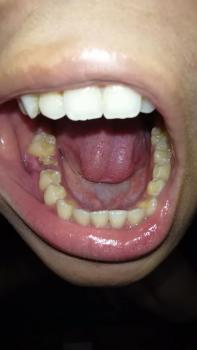
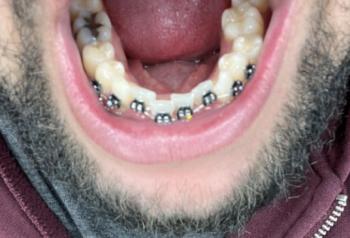
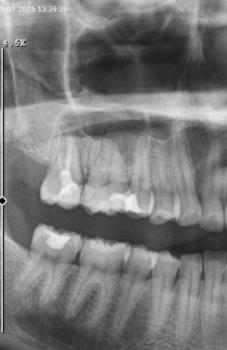
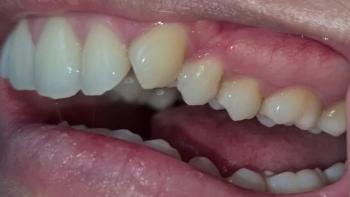
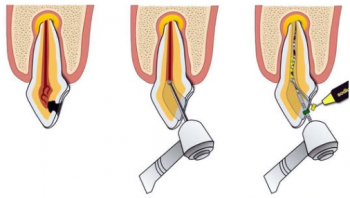
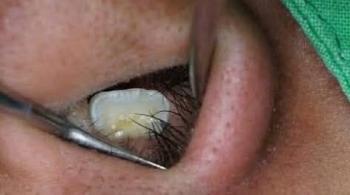
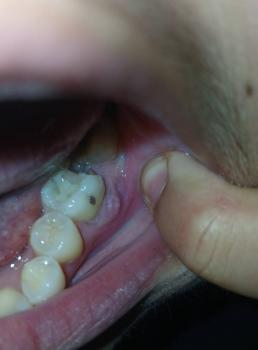
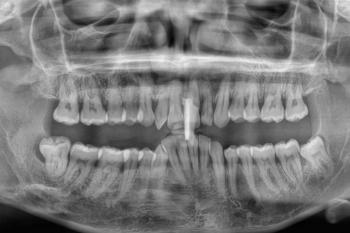
Patients with lower front gum inflammation may also experience tartar buildup, periodontal disease, gum abscesses, or tooth decay. Explore these related clinical case studies.
Other topics:
Other Dental Clinic