We Bring Back the Sparkle in Your Smile.

When Can I Eat Solid Food After Tooth Extraction?
Language :
Topics:
A Practical Recovery Timeline from a Maryland Dental Bone Graft Expert
One of the first questions patients ask after a tooth extraction is:
“When can I eat solid food again?”
It’s a fair question—and an important one. In my Maryland practice, I’ve seen smooth recoveries derailed simply because patients returned to solid foods too soon.
Here’s the key idea:
You can eat solid food again—but only when your healing stage allows it.
This guide walks you through exactly when and how to reintroduce solid foods safely, so you protect your blood clot, avoid complications like dry socket, and heal properly—especially if you’re preparing for dental implants.
Why You Can’t Eat Solid Food Immediately
After extraction, your body forms a blood clot in the socket. This clot:
- Protects exposed bone and nerves
- Supports tissue regeneration
- Prevents dry socket
Eating solid foods too early can:
- Dislodge the clot
- Introduce bacteria
- Cause pain and bleeding
The Short Answer
- First 24 hours: No solid food
- Days 2–3: Very soft foods only
- Days 4–5: Soft solids (carefully)
- Days 6–7: Gradual return to solid food
- After 1–2 weeks: Normal eating (if healing is good)
Day-by-Day Guide to Eating Solid Food
Day 1 (First 24 Hours): No Solid Food
Goal
- Protect the blood clot
- Prevent bleeding
What to Eat
- Yogurt
- Applesauce
- Smooth soup (lukewarm)
- Pudding
What to Avoid
- Any solid food
- Hot food
- Chewing near the extraction site
Expert Advice
Even soft solids are too risky on Day 1.
Day 2–3: Very Soft Foods Only
What’s Happening
- Clot stabilizing
- Inflammation peaking
What to Eat
- Mashed potatoes
- Scrambled eggs
- Oatmeal (cooled)
- Soft bananas
Can You Eat Solid Food?
Not yet.
Foods must require minimal chewing.
Day 4–5: First Introduction to Soft Solids
What’s Happening
- Healing improving
- Swelling decreasing
What to Eat
- Soft pasta
- Well-cooked vegetables
- Ground meat (soft)
Important Rule
Chew on the opposite side of your mouth.
Still Avoid
- Crunchy foods
- Hard textures
Day 6–7: Gradual Return to Solid Food
What’s Happening
- Tissue healing well
- Pain significantly reduced
What to Eat
- Chicken (soft, shredded)
- Rice dishes (carefully)
- Soft bread
Caution
Avoid chewing directly on the extraction site.
Week 2: Near-Normal Diet
What’s Happening
- Gum tissue mostly healed
What to Eat
- Most solid foods
- Gradual return to full diet
Still Avoid
- Hard foods like nuts or chips
- Very sticky foods
When Can You Eat Regular Solid Food?
Most patients can return to normal eating:
7–14 days after extraction
However, it depends on:
- Type of extraction
- Healing speed
- Presence of complications
Factors That Affect Your Timeline
1. Type of Extraction
- Simple extraction: faster recovery
- Surgical extraction: slower progression
2. Bone Grafting
If you had grafting:
- Soft diet longer
- Extra caution needed
3. Number of Teeth Removed
More extractions = longer recovery.
4. Your Health
Conditions like diabetes can slow healing.
Real Case from My Maryland Practice
Patient: David, 48 years old
Day 2:
- Tried eating solid food
- Experienced pain
Adjustment:
- Returned to soft diet
- Followed timeline properly
Outcome:
- Smooth recovery
- No complications
Expert Insight
Returning to solid food too early is one of the most common mistakes.
Signs You’re Ready for Solid Food
You can safely progress when:
- Pain is minimal
- Swelling has reduced
- No bleeding occurs while eating
Signs You’re NOT Ready
Delay solid food if you notice:
- Pain when chewing
- Bleeding
- Sensitivity at the site
Best Solid Foods to Start With
Soft Solids
- Pasta
- Soft rice
- Ground meat
- Cooked vegetables
Why These Work
They:
- Require less force
- Reduce risk of clot disruption
- Are easy to control while chewing
Foods to Avoid Longer
Hard Foods
- Nuts
- Chips
Sticky Foods
- Caramel
- Gum
Crunchy Foods
- Crackers
- Toast
Eating Tips for Safe Recovery
1. Chew Slowly
2. Use the Opposite Side
3. Take Small Bites
4. Rinse Gently After Eating (after 24 hours)
How Eating Affects Implant Success
If you plan dental implants:
Proper healing is critical.
Eating incorrectly can:
- Disrupt bone healing
- Delay implant placement
- Increase complications
Expert Advice
Think of your extraction site as a foundation—protect it early for long-term success.
Common Mistakes to Avoid
- Eating solid food too early
- Chewing on extraction side
- Ignoring pain signals
- Skipping post-op instructions
FAQ: When Can I Eat Solid Food After Extraction?
1. When can I eat solid food again?
Usually after 5–7 days, depending on healing.
2. Can I eat solid food after 3 days?
Only soft solids—and with caution.
3. What happens if I eat solid food too early?
You risk pain, bleeding, and dry socket.
4. Can I chew normally after a week?
Gradually, but avoid the extraction site.
5. What is the safest first solid food?
Soft pasta or well-cooked vegetables.
6. Does everyone heal at the same speed?
No—healing varies by individual.
Related Topics
1. What to Eat After Tooth Extraction Day by Day
Follow a structured recovery diet.
2. How to Prevent Dry Socket
Learn how food and habits affect healing.
3. Tooth Extraction Healing Stages
Understand the full recovery process.
Final Thoughts from a Maryland Bone Graft Expert
After years of clinical experience, I’ve seen one consistent pattern:
Patients who respect the healing timeline avoid complications.
The key is simple:
- Start soft
- Progress gradually
- Listen to your body
Returning to solid food is not about speed—it’s about timing.
If you follow the right progression, you’ll heal faster, feel better, and create the best foundation for long-term dental health.
Can tooth extraction cause infection? Mild inflammation is normal, but increasing swelling, fever, or severe pain may indicate infection. Learn more about post-extraction infection warning signs in this detailed guide.
Book a consultation with our Cebu dental specialists for proper evaluation and care.
Ready to get expert guidance?
If you’re experiencing severe pain or delayed healing, book a consultation with our Cebu dental specialists to get proper evaluation and care.
Consultation or contact page .
Book a Consultation
For severe discomfort or delayed healing, book a consultation with our Cebu dental specialists today.
Looking for a dentist? Browse our Cebu dental directory to find trusted clinics near you.
Medical Review and Clinical Basis
This article is based on clinical dental guidelines and real patient recovery patterns observed after tooth extraction procedures. The information reflects common post-extraction healing stages, including normal clot formation, gum tissue repair, and signs of possible complications such as dry socket or infection.
While mild discomfort is expected after a dental extraction, worsening pain after Day 3, bad odor, exposed bone, or spreading pain may require professional evaluation. These symptoms are consistent with known post-extraction complications described in standard dental practice.
About Cebu Dental Implants
Cebu Dental Implants provides comprehensive tooth extraction, surgical procedures, and dental implant services in the Philippines. Our team evaluates post-extraction healing, manages complications such as dry socket, and advises patients on proper aftercare to prevent infection and delayed healing.
If you experience severe pain or unusual symptoms after extraction, early professional assessment is recommended to prevent further complications.
Important Medical Disclaimer
This content is for educational purposes only and does not replace professional dental diagnosis. Every patient heals differently. If symptoms worsen or do not improve within a few days, consult a licensed dentist for proper evaluation and treatment.
Author
This article was prepared by the Cebu Dental Implants content team in consultation with licensed dental professionals experienced in tooth extraction and implant procedures.
Related Clinical Cases
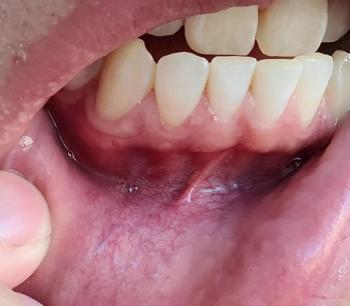
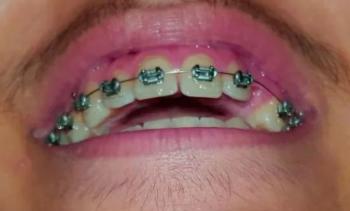
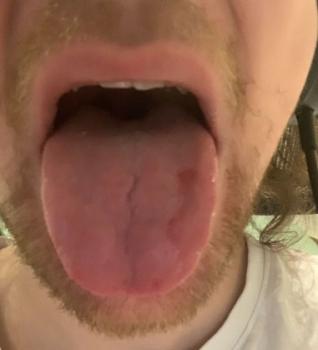
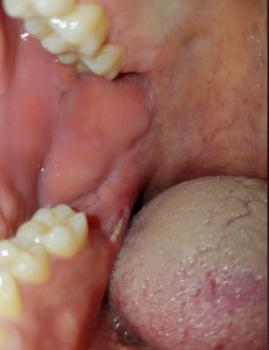
Patients with lower front gum inflammation may also experience tartar buildup, periodontal disease, gum abscesses, or tooth decay. Explore these related clinical case studies.


Other topics:
Other Dental Clinic