Strong Teeth, Fresh Breath, Brighter You.

Periodontal Abscess (Gum Abscess): Symptoms, Pictures, Causes, Treatment, Recovery, and When to Seek Emergency Care
Language :
Topics:
Periodontal abscesses are among the most common dental emergencies seen in the United States. They often develop suddenly, causing severe pain, facial swelling, difficulty chewing, and significant anxiety. Although many patients assume the problem is "just a swollen gum," a periodontal abscess represents an active bacterial infection that is destroying the supporting tissues of the tooth. Without prompt professional treatment, the infection may lead to irreversible bone loss, tooth loss, or, in rare but serious cases, spread into the facial spaces, neck, or bloodstream.
One of the greatest dangers is that symptoms may temporarily improve after pus begins draining. Many patients mistakenly believe the infection has healed, when in reality the bacteria remain active beneath the gums and continue destroying the periodontal ligament and jawbone. This silent progression explains why every periodontal abscess deserves immediate evaluation by a dentist.
Periodontal Abscess: A USA Expert Dentist's Complete Guide to Symptoms, Causes, Emergency Warning Signs, Treatment, Recovery, and Prevention
Medically Reviewed by a USA Dental Expert
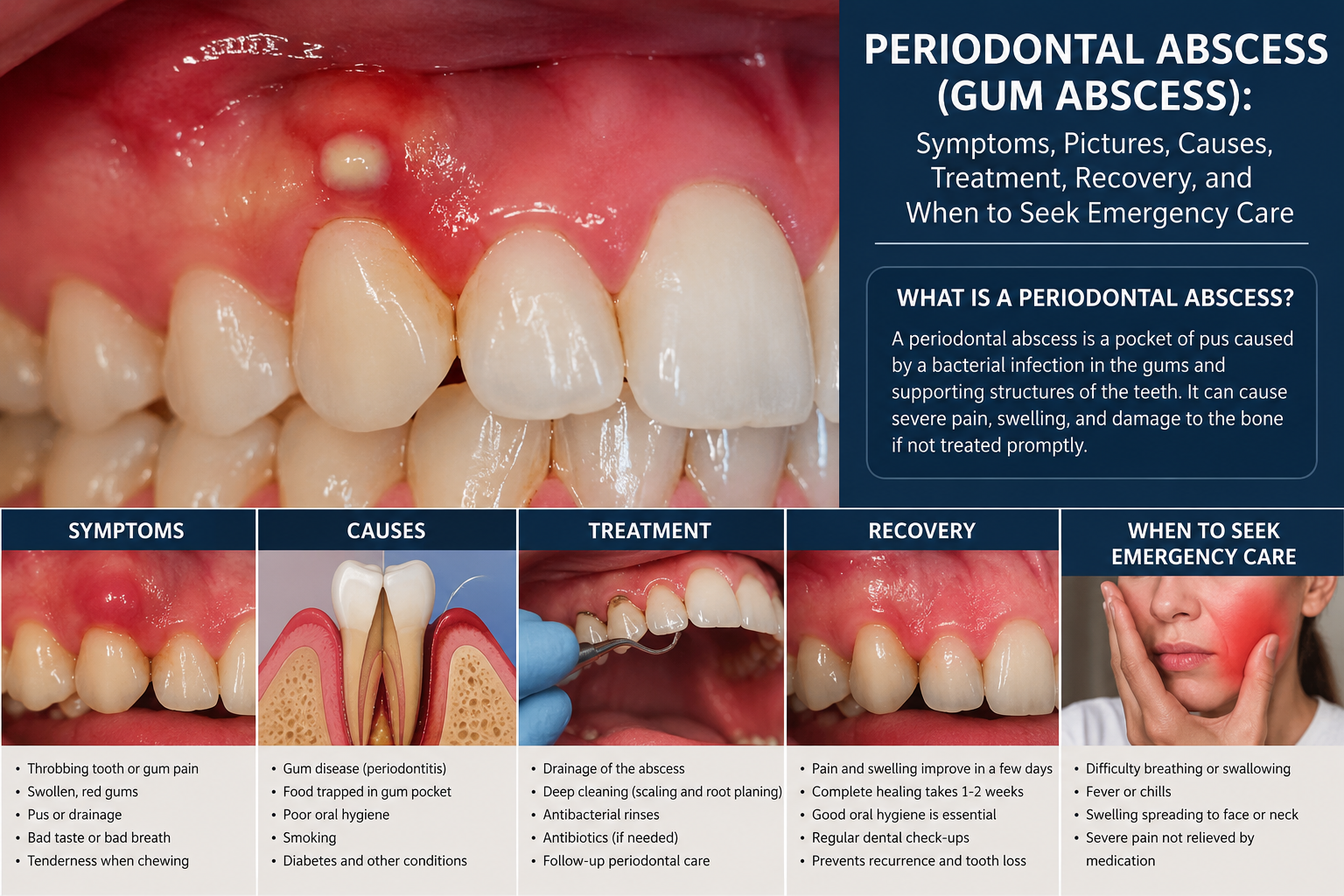
A periodontal abscess is an acute bacterial infection affecting the gums and the supporting structures surrounding a tooth. Unlike a simple gum irritation, this condition involves a pocket of pus that develops deep beneath the gumline within periodontal tissues.
The infection primarily affects:
- Gingiva (gum tissue)
- Periodontal ligament
- Cementum
- Alveolar bone supporting the tooth
As pressure builds inside the infected tissues, patients often experience severe throbbing pain, swelling, tenderness, and sometimes spontaneous drainage of pus.
Early treatment usually preserves the tooth.
Delayed treatment significantly increases the risk of permanent bone destruction.
Why a Periodontal Abscess Is Considered a Dental Emergency
Many dental emergencies develop gradually.
A periodontal abscess is different.
The infection can worsen within hours or days because bacteria multiply rapidly inside an enclosed periodontal pocket.
Once drainage becomes blocked, pressure rises quickly.
This causes:
- Severe pain
- Swelling
- Bone destruction
- Damage to periodontal ligament fibers
- Tooth mobility
If untreated, bacteria may extend beyond the gum tissues into deeper facial spaces.
Critical Medical Emergency Warning Signs
Although most periodontal abscesses remain localized, every patient should recognize symptoms that require immediate hospital care.
Go to the nearest Emergency Department or call 911 immediately if you develop:
- Difficulty breathing
- Difficulty swallowing
- Drooling because swallowing is painful
- Rapid swelling involving the cheek, eye, jaw, or neck
- Swelling spreading toward the chest
- High fever
- Chills
- Rapid heartbeat
- Extreme fatigue
- Confusion
- Severe headache
- Neck stiffness
- Difficulty opening the mouth (trismus)
These symptoms may indicate:
- Facial cellulitis
- Deep neck space infection
- Airway compromise
- Sepsis
These conditions can become life-threatening without urgent medical treatment.
Understanding How a Periodontal Abscess Forms
Healthy gums fit tightly around each tooth.
In periodontal disease, bacteria destroy the attachment between the tooth and gums.
This creates deep periodontal pockets.
Normally, these pockets allow bacteria to drain.
Problems occur when the pocket becomes blocked by:
- Dental calculus
- Plaque
- Food debris
- Inflamed gum tissue
- Foreign objects
Once sealed, bacteria multiply rapidly.
Pus accumulates.
Pressure builds.
Pain increases.
The surrounding bone begins to dissolve.
Common Causes
Advanced Gum Disease
The most common cause is untreated chronic periodontitis.
Patients with deep pockets greater than 6 mm have a much higher risk.
Incomplete Deep Cleaning
Occasionally, after scaling and root planing, superficial tissues heal before deeper bacteria are completely eliminated.
The remaining bacteria become trapped.
An abscess develops.
Food Impaction
Small particles may become lodged beneath the gums.
Common examples include:
- Popcorn hulls
- Berry seeds
- Meat fibers
- Corn husks
Foreign Objects
Less common causes include:
- Toothpick fragments
- Dental floss remnants
- Orthodontic materials
Root Surface Damage
Vertical root fractures
Root grooves
Developmental abnormalities
Root perforations
These areas allow bacteria to accumulate.
Types of Periodontal Abscesses
Periodontitis-Associated Abscess
Occurs in patients already suffering from gum disease.
Usually associated with:
- Deep pockets
- Heavy plaque
- Bone loss
This is the most common type.
Non-Periodontitis Abscess
Occurs in otherwise healthy gums.
Usually caused by:
- Foreign body impaction
- Root abnormalities
- Local trauma
Acute vs Chronic Periodontal Abscess
Acute
Symptoms include:
- Sudden onset
- Severe throbbing pain
- Red swollen gums
- Pain when biting
- Tooth feels elevated
- Pus drainage
- Bad taste
Patients usually seek emergency care quickly.
Chronic
Symptoms are often mild.
Patients may notice:
- Small bump
- Occasional drainage
- Little pain
- Persistent bad taste
- Gum pimple
Despite fewer symptoms, bone destruction continues.
Clinical Symptoms
Most patients experience several of the following:
- Localized swelling
- Tender gums
- Bad breath
- Bad taste
- Pain while chewing
- Loose tooth
- Redness
- Bleeding
- Pus discharge
- Gum swelling beside one tooth
Some patients report waking up with sudden facial swelling after feeling mild soreness the previous evening.
Diagnosis in a Modern Dental Office
Accurate diagnosis is essential because periodontal abscesses resemble other dental infections.
A comprehensive examination usually includes:
Medical History
The dentist evaluates:
- Pain duration
- Previous gum disease
- Recent dental treatment
- Medical conditions
- Medications
- Smoking history
Clinical Examination
The dentist evaluates:
- Swelling
- Drainage
- Gum color
- Tooth mobility
- Bite discomfort
- Pocket depth
Periodontal Probing
Deep isolated periodontal pockets strongly suggest periodontal disease.
Pulp Vitality Testing
This is one of the most important diagnostic procedures.
Periodontal Abscess
The tooth usually remains alive (vital).
Endodontic Abscess
The pulp is dead (non-vital).
This simple test changes the entire treatment plan.
Dental X-rays
Radiographs help identify:
- Bone loss
- Calculus
- Root anatomy
- Periapical disease
- Vertical defects
Periodontal Abscess vs Tooth Abscess
Many patients confuse these conditions.
| Feature | Periodontal Abscess | Tooth (Apical) Abscess |
|---|---|---|
| Infection starts | Gum tissues | Tooth pulp |
| Tooth nerve | Usually alive | Usually dead |
| Swelling | Alongside root | Near root tip |
| Periodontal pocket | Deep | Usually normal |
| Bone loss | Along root | Around root apex |
| Main treatment | Periodontal therapy | Root canal or extraction |
Correct diagnosis prevents unnecessary treatment.
Evidence-Based Two-Phase Treatment
Phase One: Emergency Treatment
The priority is relieving pressure and controlling infection.
Local Anesthesia
The area is numbed.
Patient comfort is improved.
Drainage
Drainage may occur through:
- The periodontal pocket
- A small incision
- Existing sinus tract
Immediate pain relief often follows.
Deep Cleaning
The dentist removes:
- Plaque
- Calculus
- Dead tissue
- Foreign materials
This eliminates the source of infection.
Irrigation
The pocket is flushed thoroughly using sterile saline or chlorhexidine solution.
Are Antibiotics Always Necessary?
Many patients believe antibiotics alone cure abscesses.
They do not.
Antibiotics cannot effectively penetrate a closed collection of pus.
The infection must first be drained.
Antibiotics are usually NOT needed when:
- Infection is localized
- Drainage is successful
- Patient is healthy
- No fever exists
Antibiotics ARE recommended when:
- Fever develops
- Facial swelling spreads
- Cellulitis occurs
- Lymph nodes enlarge
- Patient has diabetes with poor control
- Patient is immunocompromised
- Infection cannot be adequately drained
Simply taking leftover antibiotics without dental treatment may temporarily reduce symptoms while allowing the underlying infection to continue destroying bone.
Phase Two: Definitive Periodontal Therapy
After 7–14 days, inflammation has usually subsided enough for definitive treatment.
The dentist reassesses:
- Pocket depths
- Gum attachment
- Bone levels
- Tooth stability
Treatment may include:
Scaling and Root Planing
Deep cleaning removes bacterial deposits beneath the gums.
Periodontal Surgery
Flap surgery provides better access to deep defects.
Bone Regeneration
Selected patients benefit from:
- Bone grafts
- Regenerative membranes
- Biologic growth factors
These procedures may help rebuild lost supporting bone in carefully chosen cases, although outcomes depend on the size and shape of the defect, overall oral health, and excellent plaque control.
Extraction
Some teeth cannot be saved.
Extraction becomes the safest option when:
- Severe bone loss exists
- Class III mobility is present
- Vertical root fracture is diagnosed
- Prognosis is hopeless
Removing a non-restorable tooth may protect neighboring teeth and preserve as much healthy bone as possible for future replacement options, such as a dental implant or bridge.
Home Care Before Seeing a Dentist
While waiting for emergency treatment:
- Apply a cold compress outside the cheek for 10–20 minutes at a time.
- Rinse gently with warm salt water after meals.
- Brush carefully around the affected area.
- Take pain medication only as directed by your healthcare provider or according to the product label, if appropriate for you.
- Stay hydrated and avoid chewing on the affected side.
What You Should Never Do
Never:
- Pop the abscess
- Pierce the gums
- Use sewing needles
- Apply aspirin directly to the gums
- Ignore swelling
- Delay treatment because pain improved
These actions may worsen tissue damage, introduce new bacteria, or allow the infection to spread.
Recovery Timeline
Every patient heals differently, but many follow a similar pattern:
First 24 hours: Pressure begins to decrease after drainage, and pain often improves.
2–3 days: Swelling gradually subsides, though the area may remain tender.
1 week: Soft tissues continue healing, and follow-up evaluation is usually scheduled.
7–14 days: Comprehensive periodontal assessment determines whether additional therapy is needed.
Several weeks to months: Definitive periodontal treatment and long-term maintenance help stabilize the gums and reduce the risk of recurrence.
Good oral hygiene and regular periodontal maintenance visits are essential for long-term success.
Long-Term Prevention
The best treatment is prevention.
Reduce your risk by:
- Brushing twice daily with fluoride toothpaste.
- Cleaning between teeth every day with floss or interdental brushes.
- Attending regular dental checkups and professional cleanings.
- Managing gum disease before deep pockets develop.
- Avoiding tobacco products.
- Controlling diabetes and other systemic conditions.
- Seeking prompt care if food becomes trapped beneath the gums or if you notice swelling, pus, or persistent bleeding.
Frequently Asked Questions
Can a periodontal abscess heal on its own?
No. Drainage may reduce pressure temporarily, but the underlying infection usually remains and requires professional treatment.
Is it safe to take antibiotics without seeing a dentist?
No. Antibiotics alone rarely eliminate a periodontal abscess because they do not remove the trapped source of infection. A dental examination is necessary to determine the cause and provide appropriate treatment.
Can I save the tooth?
In many cases, yes—especially when treatment is started early. The amount of remaining bone support, the condition of the tooth, and the severity of periodontal disease all influence the prognosis.
How quickly should I seek treatment?
As soon as possible. A painful, swollen gum with pus is considered a dental emergency and should be evaluated promptly.
USA Expert Dentist's Final Advice
A periodontal abscess is more than a painful swollen gum—it is an active bacterial infection capable of destroying the structures that hold your tooth in place. Early diagnosis, prompt drainage, and evidence-based periodontal treatment offer the best chance of preserving both the tooth and surrounding bone.
If swelling is rapidly spreading, you develop fever, difficulty swallowing, trouble breathing, or swelling extends into the face or neck, seek emergency medical care immediately. These symptoms may indicate a serious infection that requires urgent hospital treatment. Acting early is the safest way to protect your oral health and your overall well-being.
Can tooth extraction cause infection? Mild inflammation is normal, but increasing swelling, fever, or severe pain may indicate infection. Learn more about post-extraction infection warning signs in this detailed guide.
Book a consultation with our Cebu dental specialists for proper evaluation and care.
Ready to get expert guidance?
If you’re experiencing severe pain or delayed healing, book a consultation with our Cebu dental specialists to get proper evaluation and care.
Consultation or contact page .
Book a Consultation
For severe discomfort or delayed healing, book a consultation with our Cebu dental specialists today.
Looking for a dentist? Browse our Cebu dental directory to find trusted clinics near you.
Medical Review and Clinical Basis
This article is based on clinical dental guidelines and real patient recovery patterns observed after tooth extraction procedures. The information reflects common post-extraction healing stages, including normal clot formation, gum tissue repair, and signs of possible complications such as dry socket or infection.
While mild discomfort is expected after a dental extraction, worsening pain after Day 3, bad odor, exposed bone, or spreading pain may require professional evaluation. These symptoms are consistent with known post-extraction complications described in standard dental practice.
About Cebu Dental Implants
Cebu Dental Implants provides comprehensive tooth extraction, surgical procedures, and dental implant services in the Philippines. Our team evaluates post-extraction healing, manages complications such as dry socket, and advises patients on proper aftercare to prevent infection and delayed healing.
If you experience severe pain or unusual symptoms after extraction, early professional assessment is recommended to prevent further complications.
Important Medical Disclaimer
This content is for educational purposes only and does not replace professional dental diagnosis. Every patient heals differently. If symptoms worsen or do not improve within a few days, consult a licensed dentist for proper evaluation and treatment.
Author
This article was prepared by the Cebu Dental Implants content team in consultation with licensed dental professionals experienced in tooth extraction and implant procedures.
Video:
Short Story:
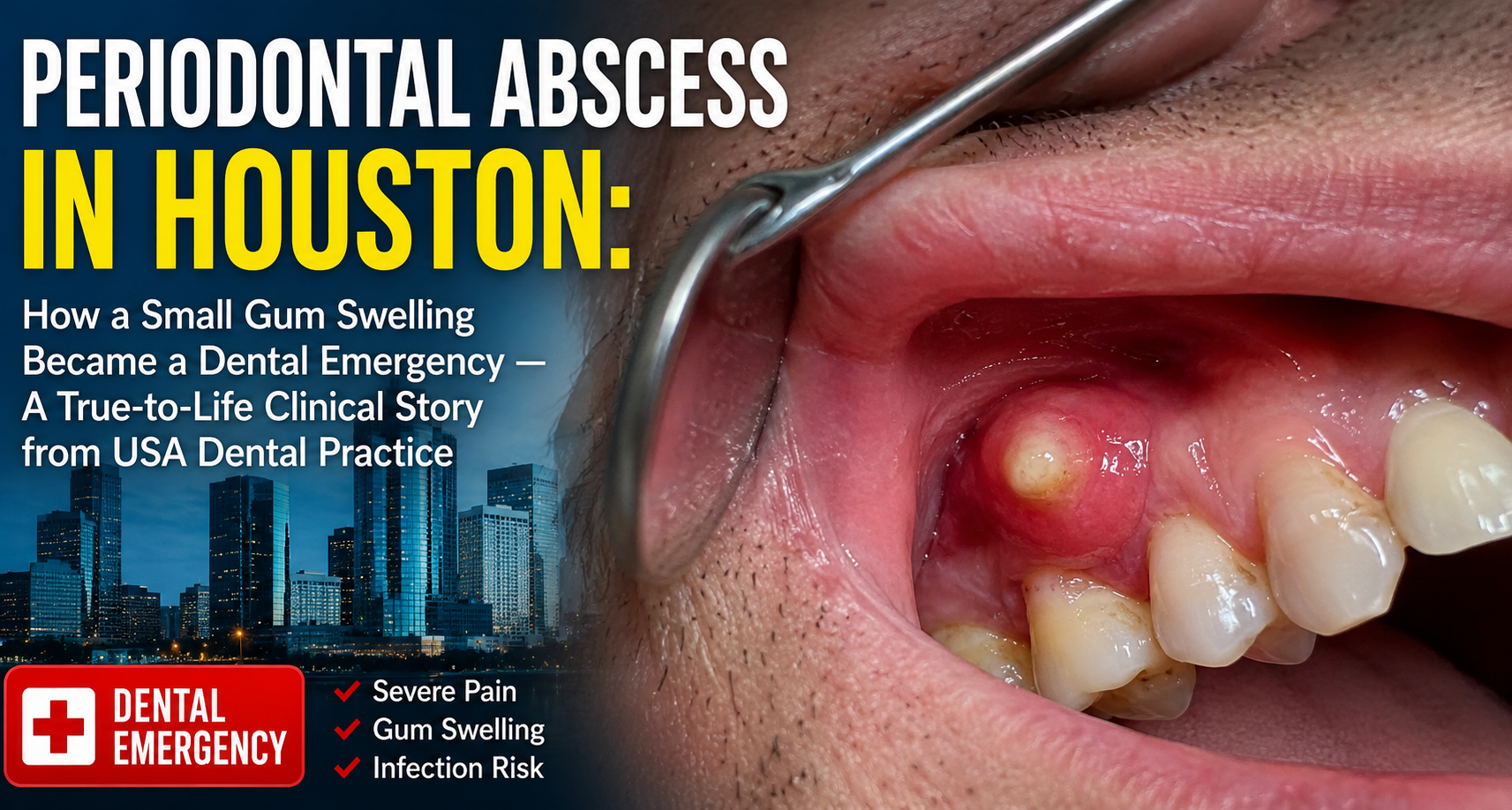
Periodontal Abscess in Houston: How a Small Gum Swelling Became a Dental Emergency — A True-to-Life Clinical Story from USA Dental Practice
A Normal Monday Morning Changed Everything
On a humid Monday morning in Houston, Texas, 42-year-old Mark Thompson was preparing for another busy day as an accountant. Tax season had left him exhausted, and like many professionals, he had been postponing his dental appointments for years.
For several weeks, he occasionally noticed slight bleeding while brushing around his lower right molar. There was no significant pain, so he ignored it.
"I'll schedule a cleaning next month," he kept telling himself.
He never imagined that a hidden infection beneath his gum would soon become one of the most painful experiences of his life.
The Pain Appears Overnight
Late Sunday evening, Mark felt a dull ache around his lower right back tooth.
By midnight, the discomfort intensified.
Around 3:00 AM, the pain became unbearable.
Every heartbeat seemed to send waves of throbbing pain through his jaw.
When he looked in the bathroom mirror, he noticed something alarming.
A swollen red lump had appeared beside his lower molar.
The gum looked stretched and shiny.
When he gently touched it with his finger, a small amount of foul-tasting salty fluid drained into his mouth.
The taste was unpleasant.
The pain briefly decreased—but quickly returned.
By morning, chewing breakfast was impossible.
Even closing his teeth together caused sharp stabbing pain.
Concerned, Mark searched online and found an emergency dentist in Houston accepting same-day appointments.
Arrival at the Emergency Dental Clinic
Within an hour, Mark was sitting in the dental chair.
The dentist carefully listened as Mark described:
- Severe throbbing pain
- Gum swelling
- Bad taste in the mouth
- Pain when biting
- Symptoms that developed within only 24 hours
The dentist suspected something more than ordinary gum inflammation.
A complete periodontal examination began immediately.
The Clinical Examination
The dentist discovered a distinct red swelling beside tooth #30, the lower right first molar.
The swelling was located on the side of the tooth—not at the tip of the root.
Using a periodontal probe, the dentist measured the gum pocket.
One measurement immediately stood out.
8 millimeters.
Healthy gum pockets are usually only 1–3 mm deep.
An 8 mm pocket indicated advanced periodontal destruction.
The probe also caused bleeding.
The tooth showed mild mobility, suggesting damage to its supporting tissues.
An Important Diagnostic Test
The dentist explained:
"Before deciding treatment, we need to determine whether this infection started inside the tooth or around the tooth."
Many patients assume every dental abscess comes from a dead nerve.
That isn't always true.
A cold test was performed.
Mark immediately felt the cold sensation.
Next came an electric pulp vitality test.
Again, the tooth responded normally.
This was excellent news.
The nerve inside the tooth was still alive.
That finding ruled out a primary endodontic (root canal) abscess.
X-Rays Reveal the Hidden Damage
Digital periapical X-rays were taken.
The images showed:
- Vertical bone loss along the side of the root
- No infection around the root tip
- Bone destruction associated with a deep periodontal pocket
Everything pointed toward one diagnosis.
Acute Periodontal Abscess
The infection had developed inside an existing deep gum pocket surrounding the tooth.
The trapped bacteria had nowhere to escape.
Pressure rapidly built beneath the gums until the swelling became visible.
Why Did This Happen?
The dentist explained that periodontal abscesses commonly occur in patients who already have periodontal disease.
Deep gum pockets trap bacteria beneath the gums.
Sometimes:
- Hardened tartar blocks drainage.
- Inflamed gum tissue seals the pocket.
- Food debris becomes trapped.
- Anaerobic bacteria multiply rapidly.
- Pus accumulates under pressure.
Mark admitted he had skipped regular periodontal maintenance visits for nearly three years.
Emergency Treatment Begins
The dentist explained that relieving the pressure was the first priority.
Under local anesthesia, the periodontal pocket was carefully instrumented.
Within seconds, pus drained from beneath the gum.
Mark immediately noticed relief.
"It already feels better," he said.
The pressure that had caused the throbbing pain was finally gone.
Deep Cleaning Below the Gums
Next, the dentist performed meticulous scaling and root planing.
Special instruments removed:
- bacterial biofilm,
- infected tissue,
- and hardened calculus from beneath the gum line.
The pocket was then irrigated thoroughly with sterile saline followed by 0.12% chlorhexidine to reduce the bacterial load.
Why Antibiotics Were Not Prescribed
Mark expected antibiotics.
Instead, the dentist explained something many patients don't realize.
Because:
- the infection was localized,
- effective drainage had been established,
- Mark had no fever,
- no facial swelling,
- no swollen lymph nodes,
- and no signs of cellulitis,
systemic antibiotics were not routinely indicated.
In many localized periodontal abscesses, removing the source of infection and establishing drainage is the most effective treatment.
Antibiotics are generally reserved for patients with spreading infection, systemic illness, or compromised immune function.
Recovery at Home
Before leaving, Mark received detailed instructions.
During the first 48 hours:
- Eat soft foods.
- Brush gently.
- Rinse with warm salt water after meals.
- Take prescribed pain medication if needed.
The dentist emphasized one very important instruction.
Never Apply Heat
Many people mistakenly place a warm compress over facial swelling.
For a dental abscess, this can be dangerous.
Heat increases blood flow and may encourage bacteria to spread into deeper facial spaces.
Instead:
Use a cold compress for 10–20 minutes at a time during the first day to help reduce discomfort.
What Mark Was Told Never to Do
The dentist warned him against several common mistakes.
Never:
- pop the abscess,
- squeeze the swelling,
- puncture it with a needle,
- use toothpicks to "drain" it,
- ignore worsening symptoms.
Attempting to drain an abscess at home can force bacteria deeper into surrounding tissues and increase the risk of serious infection.
One Week Later
Seven days after treatment, Mark returned for follow-up.
The difference was dramatic.
The swelling had disappeared.
Pain had resolved.
The gum tissue appeared healthier.
A repeat periodontal evaluation showed healing, but the deep pocket remained.
The infection was gone.
The underlying periodontal disease still required treatment.
Long-Term Treatment Planning
The dentist discussed several options depending on healing and remaining bone support.
Possible definitive treatments included:
- additional scaling and root planing,
- periodontal flap surgery to improve access for cleaning,
- regenerative procedures for suitable vertical bone defects,
- or extraction if the tooth ultimately proved structurally hopeless.
The goal was to prevent future abscesses and preserve the tooth whenever possible.
When a Gum Abscess Becomes a Medical Emergency
Before Mark left, the dentist explained that not every periodontal abscess remains localized.
If bacteria escape into deeper facial tissues, the infection can develop into facial cellulitis, a potentially life-threatening condition.
Patients should seek immediate emergency medical care or call emergency services if they develop:
- difficulty breathing,
- throat tightness,
- difficulty swallowing,
- uncontrolled drooling,
- rapidly spreading swelling toward the eye, neck, or chest,
- high fever or chills,
- severe fatigue,
- confusion,
- severe headache,
- or neck stiffness.
These symptoms may indicate that the infection has spread beyond the gums and requires urgent hospital treatment.
Mark's Outcome
Fortunately, Mark sought treatment before the infection spread.
With prompt drainage, thorough periodontal cleaning, and appropriate follow-up care, his symptoms resolved, and a long-term periodontal treatment plan was put in place to protect his remaining teeth.
Looking back, Mark admitted that the warning signs had been present for months—bleeding gums, occasional bad taste, and skipped dental cleanings. He realized that treating gum disease early could have prevented the painful abscess altogether.
Key Takeaways
A periodontal abscess is more than a painful swollen gum—it is an acute bacterial infection affecting the tissues that support the tooth. Early diagnosis, proper differentiation from an endodontic abscess, prompt drainage, and professional periodontal treatment are essential to preserve oral health and reduce the risk of serious complications. If swelling spreads rapidly, breathing or swallowing becomes difficult, or fever develops, seek emergency medical care immediately, as these signs may indicate a potentially life-threatening spread of infection beyond the mouth.
Related Clinical Cases
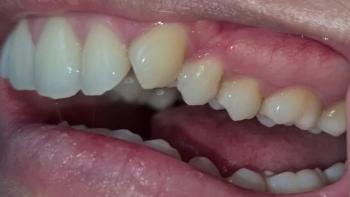
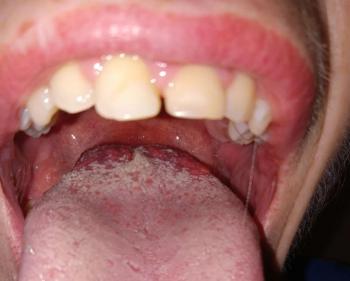
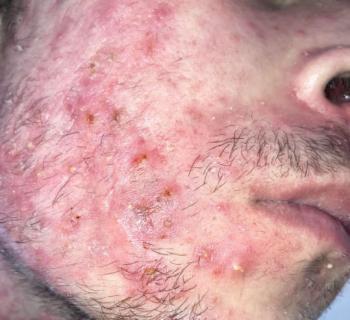
Patients with lower front gum inflammation may also experience tartar buildup, periodontal disease, gum abscesses, or tooth decay. Explore these related clinical case studies.



Other topics:
Other Dental Clinic
 |
 |
 |
 |