Where Bright Smiles Begin.

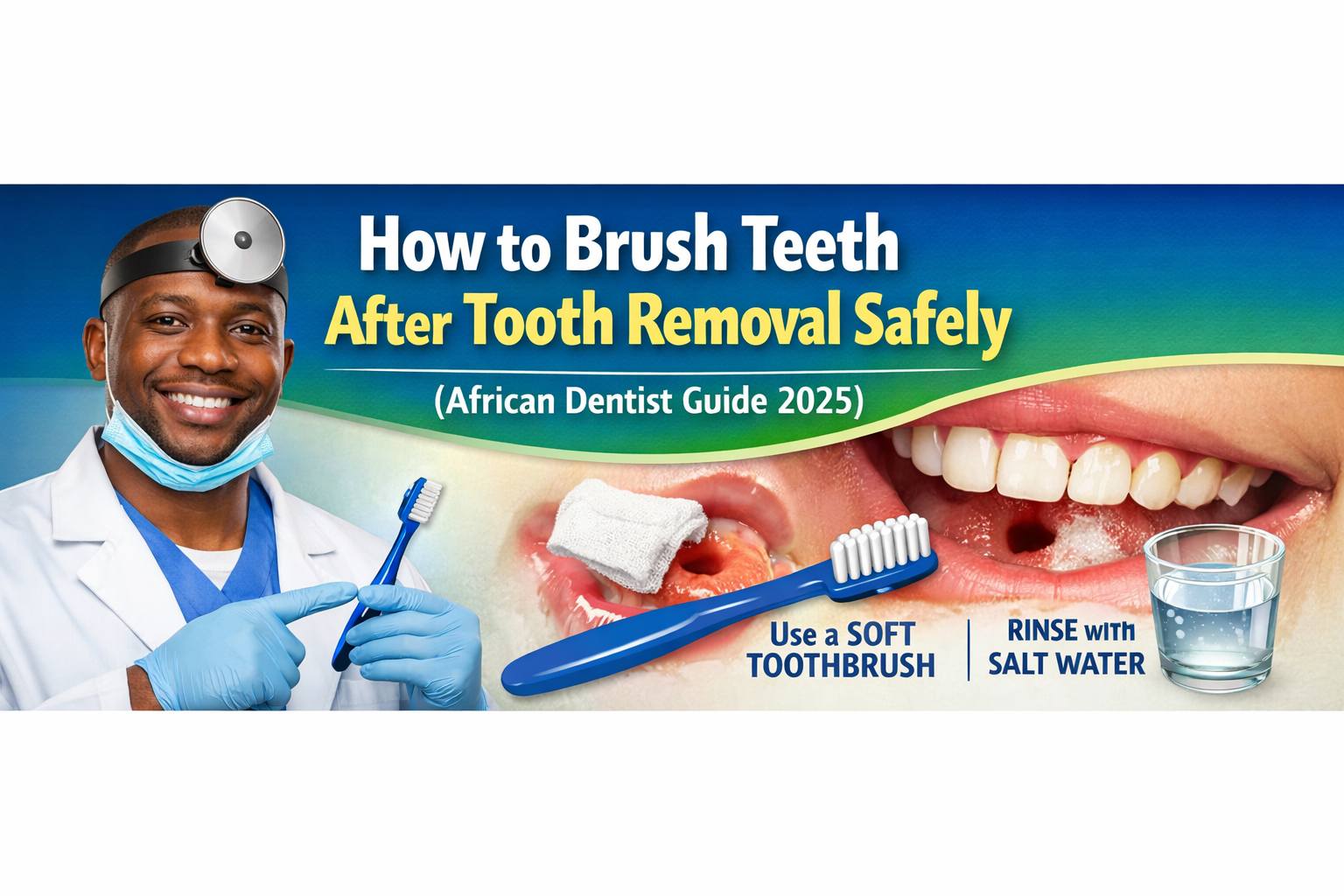
How to Brush Teeth After Tooth Removal Safely (African Dentist Guide 2025)
Language :
Topics:
After a tooth extraction, many patients ask: “When and how can I brush my teeth safely?”
From the perspective of dental practitioners across Africa, the answer is clear—you can brush your teeth, but you must be careful around the extraction site.
Proper brushing helps prevent infection, but incorrect technique can dislodge the blood clot and lead to complications like Dry Socket.
Why Careful Brushing Is Important
After tooth removal, your body forms a protective blood clot inside the socket. This clot is essential for healing.
African dental professionals emphasize:
- Good oral hygiene prevents infection
- Gentle care protects the healing site
- Aggressive brushing can delay recovery
Maintaining balance is key—clean your mouth without disturbing the wound.
When Can You Brush After Tooth Extraction?
Dentists across African clinics generally recommend:
- First 24 hours: Avoid brushing near the extraction site
- After 24 hours: Resume gentle brushing, avoiding the socket
- After 3–5 days: Carefully clean closer to the area if healing is stable
Expert advice:
“Do not rush brushing the wound area—healing comes first.”
Step-by-Step: How to Brush Safely
Follow this safe method recommended by dental professionals:
1. Use a Soft-Bristled Toothbrush
Choose a soft brush to avoid irritation.
2. Brush Other Teeth Normally
Clean the rest of your mouth as usual, but gently.
3. Avoid the Extraction Site
Do not brush directly on the wound during early healing.
4. Use Gentle Movements
Avoid hard or fast brushing near sensitive areas.
5. Rinse Carefully
After 24 hours, use warm saltwater rinses—do not swish aggressively.
What to Avoid When Brushing
Common mistakes patients make:
- Brushing directly on the socket too soon
- Using hard-bristled toothbrushes
- Spitting forcefully after brushing
- Skipping oral hygiene completely
These habits can increase the risk of Dry Socket or infection.
Additional Tips from African Dentists
Dental practitioners across Africa often advise:
- Keep your mouth clean but gentle
- Drink plenty of water
- Avoid smoking during healing
- Follow all aftercare instructions
Many emphasize that infection prevention is just as important as pain control.
Signs You Should Stop and See a Dentist
Seek professional help if you notice:
- Severe pain during brushing
- Bleeding that doesn’t stop
- Bad smell or taste
- Swelling getting worse
These could indicate complications that require treatment.
Conclusion
Brushing your teeth after tooth removal is essential—but it must be done carefully. African dental experts recommend gentle brushing, avoiding the extraction site, and maintaining good hygiene without disturbing healing.
By following proper techniques, you can prevent infection, avoid Dry Socket, and recover faster.
FAQ
Can I brush my teeth the same day after extraction?
Yes, but avoid the extraction area and brush gently.
When can I brush the extraction site?
Usually after 3–5 days, depending on healing progress.
Should I use toothpaste after extraction?
Yes, but avoid getting toothpaste directly into the socket.
What is the safest way to clean my mouth?
Gentle brushing and warm saltwater rinses after 24 hours.
Related Topics
- How to Prevent Dry Socket After Tooth Extraction
- Foods to Eat After Tooth Extraction (And What to Avoid)
- Tooth Extraction Healing Stages Day by Day
Can tooth extraction cause infection? Mild inflammation is normal, but increasing swelling, fever, or severe pain may indicate infection. Learn more about post-extraction infection warning signs in this detailed guide.
Book a consultation with our Cebu dental specialists for proper evaluation and care.
Ready to get expert guidance?
If you’re experiencing severe pain or delayed healing, book a consultation with our Cebu dental specialists to get proper evaluation and care.
Consultation or contact page .
Book a Consultation
For severe discomfort or delayed healing, book a consultation with our Cebu dental specialists today.
Looking for a dentist? Browse our Cebu dental directory to find trusted clinics near you.
Medical Review and Clinical Basis
This article is based on clinical dental guidelines and real patient recovery patterns observed after tooth extraction procedures. The information reflects common post-extraction healing stages, including normal clot formation, gum tissue repair, and signs of possible complications such as dry socket or infection.
While mild discomfort is expected after a dental extraction, worsening pain after Day 3, bad odor, exposed bone, or spreading pain may require professional evaluation. These symptoms are consistent with known post-extraction complications described in standard dental practice.
About Cebu Dental Implants
Cebu Dental Implants provides comprehensive tooth extraction, surgical procedures, and dental implant services in the Philippines. Our team evaluates post-extraction healing, manages complications such as dry socket, and advises patients on proper aftercare to prevent infection and delayed healing.
If you experience severe pain or unusual symptoms after extraction, early professional assessment is recommended to prevent further complications.
Important Medical Disclaimer
This content is for educational purposes only and does not replace professional dental diagnosis. Every patient heals differently. If symptoms worsen or do not improve within a few days, consult a licensed dentist for proper evaluation and treatment.
Author
This article was prepared by the Cebu Dental Implants content team in consultation with licensed dental professionals experienced in tooth extraction and implant procedures.
Related Clinical Cases
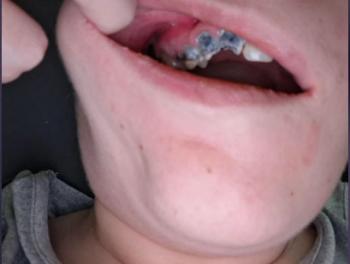
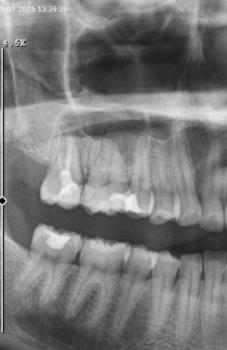
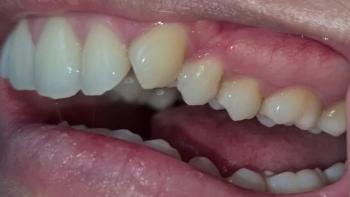
Patients with lower front gum inflammation may also experience tartar buildup, periodontal disease, gum abscesses, or tooth decay. Explore these related clinical case studies.



Other topics:
Other Dental Clinic