Modern Dentistry, Timeless Smiles.

Foods to Eat After Tooth Extraction (And What to Avoid) – UK Dentist Guide 2025
Language :
Topics:
After a tooth extraction, what you eat plays a major role in how fast and safely you heal. From a UK dental perspective, patients are consistently advised to follow a soft, balanced diet to protect the extraction site and avoid complications like Dry Socket.
Dentists across the UK emphasize that the first 3–5 days are critical, and dietary choices during this period can either support healing—or delay it.
Why Diet Matters After Tooth Extraction
Following an extraction, your mouth forms a protective blood clot. This clot is essential for healing and must remain undisturbed.
According to UK dental practices:
- Hard or crunchy foods can damage the clot
- Hot foods may increase bleeding
- Poor diet can slow tissue repair
A proper diet helps reduce pain, prevent infection, and speed recovery.
Best Foods to Eat After Tooth Extraction
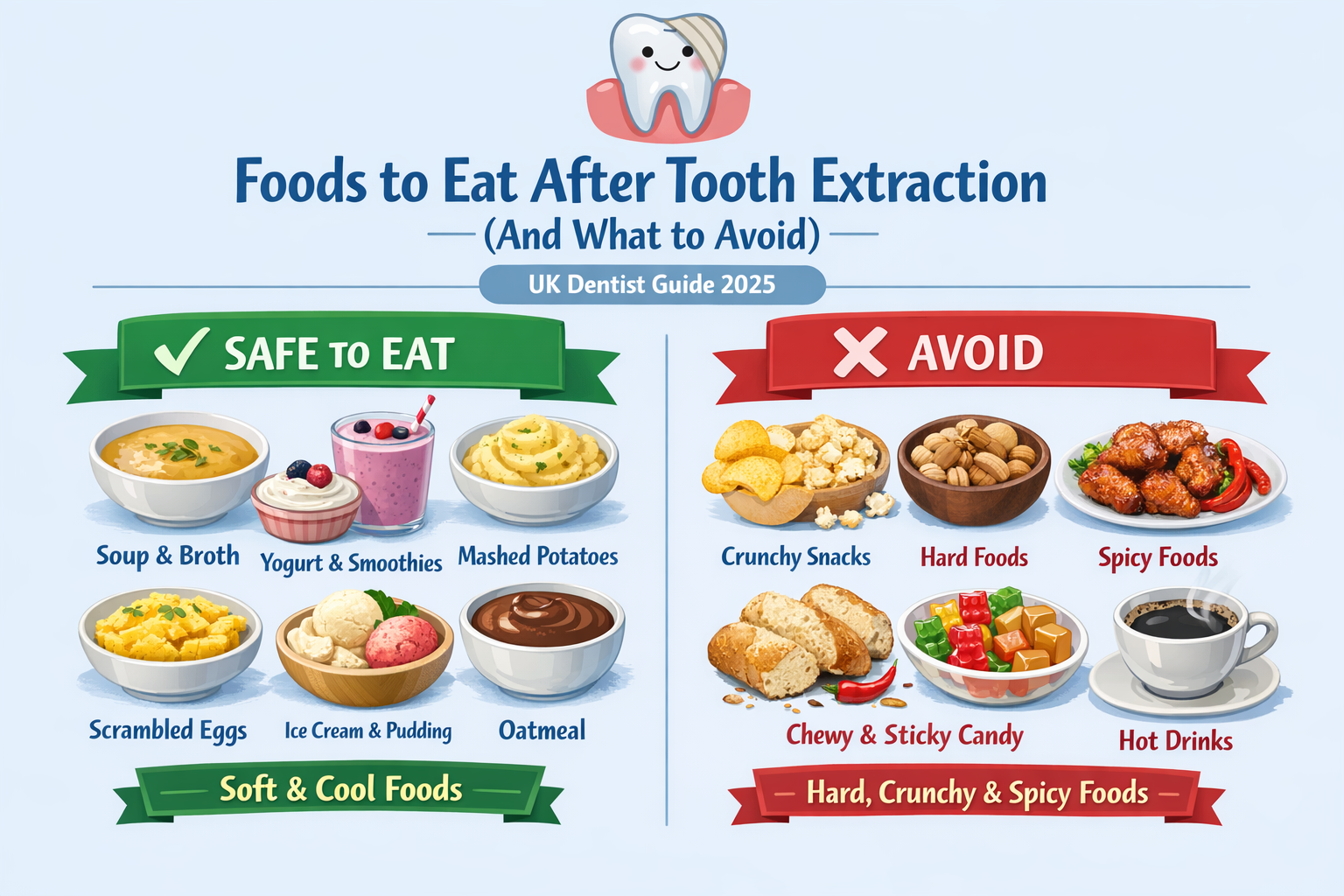
UK dentists recommend starting with soft, easy-to-eat foods that require minimal chewing.
Day 1–2: Liquid and Very Soft Foods
- Soup (lukewarm, not hot)
- Yogurt
- Smoothies (no straw)
- Mashed potatoes
Dentist advice:
“Keep food cool and soft to avoid disturbing the clot during the early healing phase.”
Day 3–5: Soft Solid Foods
- Scrambled eggs
- Oatmeal
- Soft rice or pasta
- Steamed vegetables
At this stage, healing is progressing, but care is still needed.
After 1 Week: Gradual Return to Normal Diet
- Tender meat
- Soft bread
- Cooked vegetables
UK dentists recommend reintroducing normal foods slowly and avoiding pressure on the extraction site.
Foods to Avoid After Tooth Extraction
Avoiding the wrong foods is just as important as choosing the right ones.
Hard and Crunchy Foods
- Chips
- Nuts
- Crackers
These can dislodge the clot and cause Dry Socket.
Sticky Foods
- Chewing gum
- Caramel
These can stick to the wound and disrupt healing.
Hot and Spicy Foods
- Hot soup or drinks
- Spicy dishes
These may irritate the area and increase swelling.
Sugary and Acidic Foods
- Soft drinks
- Sweets
UK dental experts warn that these can increase the risk of infection and delay healing.
Additional UK Dentist Tips for Faster Healing
Dental professionals in the UK often advise:
- Drink plenty of water (no straws)
- Eat on the opposite side of the mouth
- Maintain gentle oral hygiene
- Avoid alcohol and smoking
These steps help protect the extraction site and support recovery.
Common Mistakes Patients Make
From clinical experience in the UK, dentists frequently see patients:
- Eating solid food too early
- Drinking through a straw
- Consuming hot drinks within 24 hours
- Ignoring aftercare instructions
These mistakes increase the risk of Dry Socket and delayed healing.
When to Contact Your Dentist
Seek professional advice if you experience:
- Severe pain after a few days
- Swelling that worsens
- Bad taste or odor
- Difficulty eating or opening your mouth
Early care can prevent complications.
Conclusion
Choosing the right foods after a tooth extraction is essential for a smooth recovery. UK dentists strongly recommend a soft, gentle diet during the first week, while avoiding foods that can damage the healing site.
By following proper dietary guidelines, you can reduce pain, prevent complications like Dry Socket, and heal faster.
FAQ
What can I eat 24 hours after tooth extraction?
Soft foods like yogurt, soup, and mashed potatoes are recommended.
When can I eat normal food again?
Usually after 7 days, depending on healing progress.
Can I drink coffee after extraction?
Avoid hot coffee for the first 24–48 hours.
Why can’t I use a straw?
Suction can dislodge the blood clot and lead to Dry Socket.
Related Topics
- How to Prevent Dry Socket After Tooth Extraction
- Swelling After Tooth Removal: When Is It Dangerous?
- Tooth Extraction Healing Stages Day by Day
Can tooth extraction cause infection? Mild inflammation is normal, but increasing swelling, fever, or severe pain may indicate infection. Learn more about post-extraction infection warning signs in this detailed guide.
Book a consultation with our Cebu dental specialists for proper evaluation and care.
Ready to get expert guidance?
If you’re experiencing severe pain or delayed healing, book a consultation with our Cebu dental specialists to get proper evaluation and care.
Consultation or contact page .
Book a Consultation
For severe discomfort or delayed healing, book a consultation with our Cebu dental specialists today.
Looking for a dentist? Browse our Cebu dental directory to find trusted clinics near you.
Medical Review and Clinical Basis
This article is based on clinical dental guidelines and real patient recovery patterns observed after tooth extraction procedures. The information reflects common post-extraction healing stages, including normal clot formation, gum tissue repair, and signs of possible complications such as dry socket or infection.
While mild discomfort is expected after a dental extraction, worsening pain after Day 3, bad odor, exposed bone, or spreading pain may require professional evaluation. These symptoms are consistent with known post-extraction complications described in standard dental practice.
About Cebu Dental Implants
Cebu Dental Implants provides comprehensive tooth extraction, surgical procedures, and dental implant services in the Philippines. Our team evaluates post-extraction healing, manages complications such as dry socket, and advises patients on proper aftercare to prevent infection and delayed healing.
If you experience severe pain or unusual symptoms after extraction, early professional assessment is recommended to prevent further complications.
Important Medical Disclaimer
This content is for educational purposes only and does not replace professional dental diagnosis. Every patient heals differently. If symptoms worsen or do not improve within a few days, consult a licensed dentist for proper evaluation and treatment.
Author
This article was prepared by the Cebu Dental Implants content team in consultation with licensed dental professionals experienced in tooth extraction and implant procedures.
Related Clinical Cases
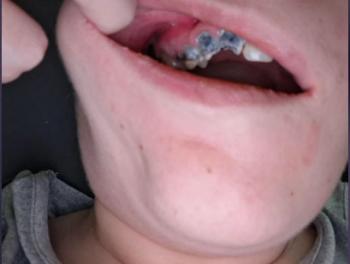
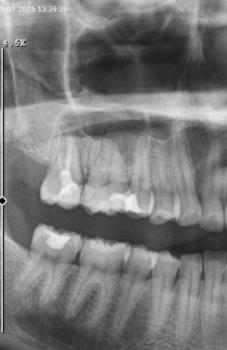
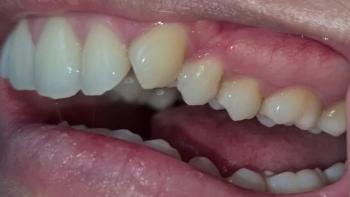
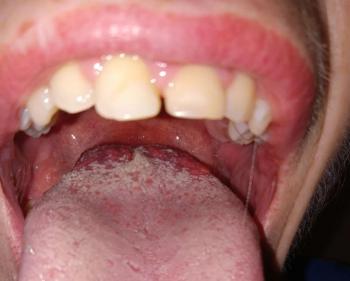
Patients with lower front gum inflammation may also experience tartar buildup, periodontal disease, gum abscesses, or tooth decay. Explore these related clinical case studies.



Other topics:
Other Dental Clinic