Transforming Smiles, Restoring Confidence.

The Ache That Grew: A West Virginia Story of Dry Socket and Dental Regret
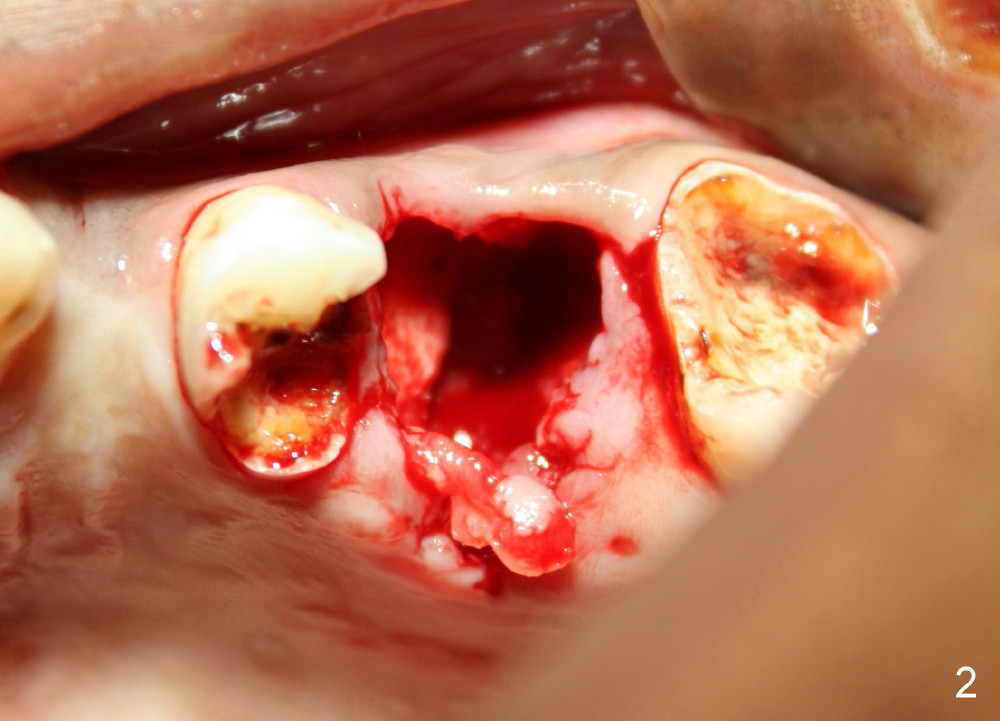
Image:
Severity:
Teeth Problems:
The Ache That Grew: A West Virginia Story of Dental Regret
In the quiet hills of West Virginia, where problems are often met with a stiff upper lip, my dental issue began as a small, manageable thing. A troublesome molar was extracted at a local clinic in Charleston. The dentist handed me the post-op care sheet—the usual advice about no straws, no smoking, gentle rinsing. I nodded, the numbness in my jaw making the instructions feel distant and unimportant. I was tough; I had weathered harder things than a toothache.
That was my first mistake: underestimating the instructions.
The Distortion of Feelings: From Nuisance to Nightmare
The first 48 hours were fine. A dull ache, as expected. I went back to my routine in Morgantown, drinking iced tea through a straw because I was thirsty and busy. I told myself a little suction wouldn't hurt.
Then, on the third day, the true feeling of a dry socket announced itself. It wasn't just pain. It was a deep, relentless, radiating throb that seemed to originate in my jawbone and shoot up into my ear and temple. It felt like a hot, infected pulse where my tooth used to be. The emotional distortion began immediately:
-
The Hassle: Every simple act—trying to drink warm broth, talking to my coworkers, even lying down to sleep—became a calculated ordeal. The constant, gnawing pain made me irritable and exhausted.
-
The Daily Regret: Every morning I woke up to the same ache, I was filled with regret. Why didn't I just follow the instructions? Why did I think I was the exception? It was a self-inflicted wound, and that knowledge made the pain feel even more foolish and inescapable.
"Later and Later Becomes Worse": The Cycle of Inaction
This is where the spiral deepened. The pain was bad, but the thought of calling the dentist, admitting I hadn't listened, and taking more time off work felt like a greater hassle. I convinced myself it would "probably heal on its own."
So, I waited. I tried over-the-counter painkillers, which barely took the edge off. I applied clove oil, which burned and offered only seconds of relief. I stopped eating solid foods. The site didn't look that bad to me in the mirror—a little red, maybe. I told myself, "It can't be that serious."
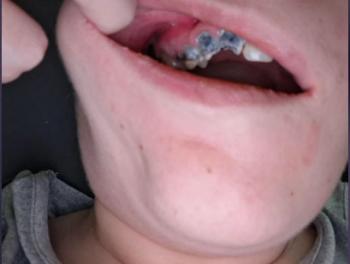
But the truth was hiding. As the source you provided wisely notes, appearances can be deceiving: "gross swelling in this photograph, but the image is limited (lighting, angle, saliva and soft-tissue can hide signs)." Just because I couldn't see a massive infection didn't mean it wasn't festering beneath the surface. The real damage—the lost blood clot, the exposed bone and nerve—was invisible to my untrained eye.
The small situation I ignored had become a dominating, worsening crisis.
The Turning Point: Facing the Consequences
After nearly a week of this self-imposed misery, the pain reached a peak I could no longer rationalize. The side of my face felt tender and warm. The simple act of opening my mouth was excruciating. The "small situation" was now controlling my entire life.
Swallowing my pride, I called the dental clinic. Returning to the chair was a humbling experience. The dentist wasn't angry, but calmly professional. He explained that I had a classic case of alveolar osteitis (dry socket). The procedure to fix it was straightforward but acute:
-
Gentle Irrigation: Flushing out the empty socket to remove food debris and bacteria.
-
Medicated Dressing: Placing a sedative, medicated paste directly into the socket to cover the exposed nerves and bone, promote healing, and provide immediate pain relief.
The relief was almost instant. The searing, bone-deep pain receded to a dull ache within minutes. The dressing would need to be changed every few days, but the nightmare was finally ending.
The Lesson from the Hills
This experience, rooted right here in West Virginia, taught me a brutal lesson about health that extends far beyond dentistry:
-
Post-operative instructions are not suggestions. They are the critical blueprint for healing, earned through decades of medical experience.
-
Pain is your body's non-negotiable alarm system. Ignoring it doesn't make you tough; it makes the problem worse. A "little" dental pain can signal a "big" underlying issue.
-
Professional help is not a failure. It is the tool for resolution. Delaying action only prolongs suffering and can lead to more complex complications.
A dry socket is more than a dental complication. It's a full-body assault that distorts your daily life with pain and regret. If you're in West Virginia—or anywhere—and you feel that distinctive, deep throbbing after an extraction, don't wait. Don't downplay it. Don't let pride or hassle dictate your health. Call your dentist. It's a small action that will end a world of hurt, and you will never again take a simple set of instructions for granted.
Related Clinical Cases
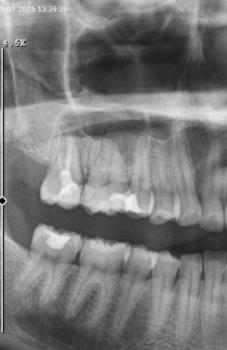
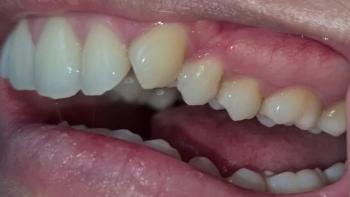
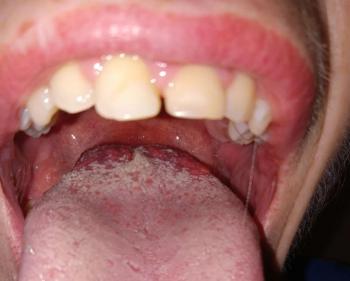
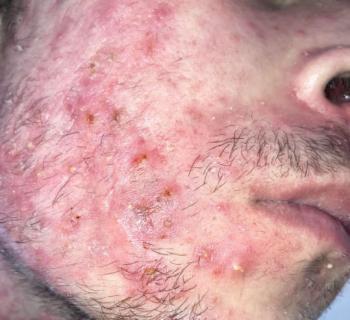
Patients with lower front gum inflammation may also experience tartar buildup, periodontal disease, gum abscesses, or tooth decay. Explore these related clinical case studies.



Other topics:
Other Dental Clinic