Dentures That Feel Natural, Look Beautiful.

The Neglected Tooth: How a Washington Lawyer's Busy Schedule Led to a Painful Dental Emergency
Image:
Severity:
Teeth Problems:
The Case of the Overlooked Extraction: A Washington Lawyer's Painful Lesson
In the fast-paced world of a Washington D.C. corporate law firm, William’s schedule was measured in six-minute billable increments. A successful partner, he had just wrapped up a grueling, high-stakes merger case. The victory celebration was cut short by a throbbing pain in the back of his jaw—his lower right wisdom tooth, which had been intermittently troublesome for months, had finally become unbearable.
With no time for a drawn-out process, William scheduled an extraction at a prominent oral surgeon in Georgetown. The procedure itself was swift and straightforward. As he left, the surgeon’s assistant handed him a post-operative care sheet and sternly warned: “Absolutely no smoking, no using straws, and be gentle when you rinse. Follow these instructions to avoid a dry socket.”
Back at his office in a K Street high-rise, William dismissed the pain with prescription ibuprofen. The demands of a new case file buried the aftercare sheet under depositions. By day two, the dull ache had subsided, and he felt invincible. On day three, desperate for a caffeine hit during a late-night document review, he did the unthinkable: he drank a smoothie through a straw and later smoked a cigarette to relieve stress.
The Agony of Alveolar Osteitis: When Pain Becomes Debilitating
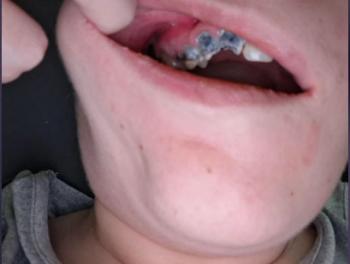
The agony began on the fourth day. A sharp, radiating pain exploded from the extraction site, shooting up to his ear and temple. It was a deep, bone-aching throb that the strongest painkillers barely touched. Even the cool D.C. air hitting the socket felt like a knife. William’s greater crisis, however, was professional: the pain was so severe it affected his speech. Forming clear consonants became difficult, his sentences were clipped by wincing pauses, and he sounded muffled. In a profession built on eloquence and precise communication, he was suddenly handicapped.
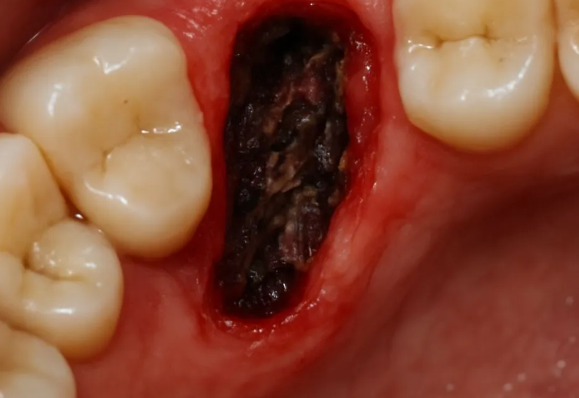
He had developed alveolar osteitis, commonly known as a dry socket. This painful complication occurs when the protective blood clot that forms in the tooth socket after an extraction is dislodged or dissolves prematurely. This exposes the underlying bone and nerve endings to air, food, and fluids, causing intense pain and delaying healing. It’s a condition often directly linked to patient behavior in the critical first 72 hours post-surgery.
The Emergency Intervention and Professional Reckoning
Humiliated and in excruciating pain, William called the oral surgeon’s emergency line. In the stark exam room, his neglect was evident. The surgeon confirmed a dry socket. The treatment was uncomfortable but transformative:
-
Gentle Irrigation: The socket was gently flushed to remove food debris.
-
Medicated Dressing: A special, sedative-packed dressing was placed inside the socket to shield the exposed bone, provide direct pain relief, and promote healing.
-
A Stern Re-Education: The surgeon reiterated the critical aftercare rules William had ignored.
A Lawyer's Guide to Preventing a Dental Case Against Yourself
William’s story is a cautionary tale for any high-performing professional who neglects health for work. Here is the critical advice, framed as a legal brief for your own well-being:
THE AFTERCARE PROTOCOL (NON-NEGOTIABLE TERMS):
-
Protect the Clot: For at least 72-96 hours, avoid all suction. NO smoking, NO straws, NO spitting forcefully.
-
Dietary Orders: Consume only soft, cool foods (yogurt, mashed potatoes, lukewarm soup). Avoid hot, spicy, crunchy, or sticky foods that can disturb the site.
-
Oral Hygiene with Care: Do not rinse for the first 24 hours. After that, use a warm saltwater rinse gently after meals, without vigorous swishing.
-
Rest is Mandatory: Avoid strenuous activity for at least 48 hours to prevent increased blood pressure that can disrupt clotting.
-
Follow-Up is Key: Attend all scheduled post-op appointments.
THE ULTIMATE VERDICT:
Your health is your most valuable asset. No case, no client, and no deadline are worth risking a preventable, debilitating condition like a dry socket. Scheduling and protecting your recovery time is as crucial as preparing for a court date. A professional setback from preventable pain is a loss that could have easily been avoided.
For professionals in Washington D.C. and beyond, the lesson is clear: respect the procedure, follow the instructions, and protect your ability to speak and perform at your peak. Your career depends on it.
Related Clinical Cases
Patients with lower front gum inflammation may also experience tartar buildup, periodontal disease, gum abscesses, or tooth decay. Explore these related clinical case studies.



Other topics:
Other Dental Clinic