Transforming Smiles, Restoring Confidence.

The Wrong Tooth & The Dry Socket: A Manila Dental Horror Story
Image:
Severity:
Teeth Problems:
A Manila Dental Nightmare: The Wrong Tooth Pulled, Then a Fiery Dry Socket
In the heart of Metro Manila, where dental clinics promise quick fixes and bright smiles, a single mistake can turn a routine procedure into a painful ordeal. This is the story of Leo, a 28-year-old BPO employee from Mandaluyong, and a lesson in why knowing your dentist's history is as crucial as the treatment itself.
The Short Story: Leo's Unlucky Break
Leo walked into a newly opened, brightly lit clinic in Pasig, attracted by a "Grand Opening Discount" on tooth extractions. He needed a painful lower molar on the right side removed. The dentist, a newly licensed practitioner eager to build his practice, was pleasant and confident.
But in a devastating error, the dentist misread the chart and extracted the healthy molar next to the decayed one. The shock was immediate, but the real agony was just beginning.
Days later, Leo was in excruciating pain. A foul smell filled his mouth, and even cold air felt like a knife in the jaw. The empty socket was a dry, painful crater. The new dentist had not only pulled the wrong tooth but had also failed to protect the correct socket, leading to a severe case of Alveolar Osteitis—Dry Socket.
Innovating the Understanding of Dry Socket
A dry socket occurs when the blood clot that forms after an extraction is dislodged or dissolves, exposing the underlying bone and nerves.
But let's think critically about why this happens, especially with inexperienced dentists:
-
Traumatic Extraction: An inexperienced hand can use excessive force, damaging the socket walls and preventing a stable clot from forming in the first place.
-
Inadequate Post-Op Care Instructions: A simple "don't spit" warning isn't enough. New dentists may fail to thoroughly explain the critical "do's and don'ts," like avoiding straws or smoking, which are vital for clot stability.
-
Poor Pre-Extraction Evaluation: They might miss underlying factors like a small jawbone infection that compromises healing from the start.
In Leo's case, the perfect storm was created: a traumatic extraction of the wrong tooth, followed by inadequate guidance, leading to a dry socket in the intended extraction site. One dental visit resulted in two damaged sites and twice the pain.
The Critical Advice: How to Be Your Own Dental Advocate in Manila
Leo's story is a stark warning. Here’s how to protect yourself from a similar fate:
-
Always Evaluate Your Dentist's History: A license is a minimum requirement, not a guarantee of experience.
-
Check Online Reviews Deeply: Don't just look at the star rating on Facebook or Google. Read the detailed reviews. Look for mentions of "pain," "wrong tooth," "infection," or "follow-up care."
-
Ask Direct Questions: "How many of this specific procedure have you performed?" or "Can I see before-and-after photos of your extraction cases?" A confident, experienced dentist will have no problem answering.
-
-
Get a Second Opinion for Any Major Procedure: If a dentist immediately recommends an extraction for a toothache, it's your right to seek a second opinion. Another dentist might suggest a less invasive root canal treatment. A second opinion is not an insult; it's smart healthcare.
-
Verify the Tooth Before the Procedure: Right before the anesthesia, point to the problematic tooth and confirm with the dentist. "Just to confirm, we are removing this one, correct?" This simple act creates a final checkpoint that could prevent a catastrophic error.
The Lesson Learned
Leo's case was finally resolved by an experienced oral surgeon in Makati, who had to manage the dry socket and later place an implant in the spot of the wrongly extracted tooth—a costly and painful consequence of one new dentist's mistake.
Your oral health is too precious to leave to chance. In a city like Manila, with a mix of world-class experts and inexperienced practitioners, your best defense is your own due diligence. Don't let a "grand opening" discount cost you a healthy tooth and your peace of mind.
Expert Dentist Guide: Lower Molar Decay Symptoms, Wrong-Tooth Extraction Risks, and Dry Socket Warning Signs
Understanding Lower Molar Decay: Symptoms Patients Should Never Ignore
Lower molars are the large back teeth responsible for grinding food. Because their chewing surfaces contain pits and grooves, plaque and food debris can accumulate in areas that are difficult to clean. Over time, acids produced by oral bacteria can damage the enamel and cause dental caries, commonly known as tooth decay.
Early decay may cause no noticeable symptoms. As the damage progresses, patients may develop tooth sensitivity, pain while chewing, food trapping, or a visible hole in the tooth. If decay reaches the dental pulp—the soft tissue containing nerves and blood vessels—pain may become persistent, spontaneous, or severe.
Common Symptoms of Lower Molar Decay
1. Sensitivity to hot, cold, or sweet foods
A decayed lower molar may produce a brief, sharp sensation when exposed to cold drinks, hot food, or sweets. Sensitivity can also arise from gum recession, cracks, or other dental conditions, so an examination is needed to identify the cause.
2. Pain when biting or chewing
Pain during chewing may indicate advanced decay, a cracked tooth, inflammation around the root, or another problem affecting the tooth's supporting structures. Avoid chewing hard foods on the affected side until a dentist evaluates it.
3. A visible hole, dark spot, or broken tooth surface
Brown or black discoloration can occur with decay, but color alone cannot confirm whether a tooth is actively decaying. Some cavities develop between teeth or beneath existing fillings and may only be detected during a dental examination or on an X-ray.
4. Persistent or spontaneous toothache
Pain that occurs without eating or drinking can indicate deeper decay or inflammation of the pulp. Pain that lingers after a hot or cold stimulus, wakes a patient at night, or becomes increasingly severe warrants prompt dental assessment.
5. Gum swelling, a pimple-like bump, or pus near the tooth
These signs may indicate an infection originating from the tooth or surrounding gum tissues. A dental abscess can cause a bad taste, unpleasant breath, tenderness, and swelling of the jaw or face. An abscess requires urgent dental treatment and will not reliably resolve on its own.
6. Pain that seems to spread to the ear or jaw
Pain from a lower molar can sometimes be felt in nearby areas because of shared nerve pathways. However, ear or jaw pain has other possible causes, and symptoms alone cannot establish which tooth is responsible.
How Lower Molar Decay Progresses
Dental decay does not always follow the same timeline, but its progression can be understood in several stages.
-
Stage 1: Early enamel damage. Initial mineral loss may produce a white or chalky spot without pain. Some early lesions can be managed or arrested with professional preventive care and fluoride.
-
Stage 2: Enamel breakdown. A cavity develops as the tooth structure loses mineral and breaks down. A filling may be appropriate if the damage is limited.
-
Stage 3: Dentin involvement. Decay extends into the layer beneath the enamel. Sensitivity, food trapping, or chewing discomfort may appear.
-
Stage 4: Pulp inflammation or infection. Deep decay may cause irreversible pulp damage or pulp death. Root canal treatment may be needed if the tooth is restorable.
-
Stage 5: Infection around the root. Infection may develop in the tissues surrounding the root and cause an abscess, swelling, or severe pain. Treatment may involve root canal therapy, drainage, or extraction, depending on the diagnosis and whether the tooth can be saved.
Not every painful tooth has reached the same stage. A dentist must examine the tooth and assess appropriate X-rays before recommending treatment.
Wrong-Tooth Extraction: Why Accurate Diagnosis Matters
The source article presents a cautionary scenario involving a patient whose healthy neighboring molar was reportedly extracted instead of the decayed tooth. The scenario highlights a fundamental principle of safe dental care: the correct tooth must be identified and confirmed before an irreversible procedure begins.
A toothache does not always identify the exact tooth responsible for the pain. Deep decay, pulp inflammation, cracks, and referred pain can make diagnosis more complicated than simply choosing the tooth that appears most damaged.
Before extraction, the dental team should:
-
Review the patient's symptoms, dental history, and clinical findings.
-
Examine the suspected tooth and neighboring teeth.
-
Obtain appropriate dental radiographs when indicated.
-
Explain the diagnosis, proposed treatment, alternatives, and risks.
-
Confirm the exact tooth and its location with the patient, clinical records, and imaging before proceeding.
Patients can participate in this safety process by asking the dentist to show them the tooth being treated and to explain why extraction is recommended. If the diagnosis or treatment plan is unclear, it is reasonable to request clarification or a second opinion before a non-emergency extraction.
A severely decayed tooth is not automatically beyond repair. Depending on the remaining tooth structure, root condition, gum and bone support, and overall prognosis, treatment may include a filling, crown, root canal treatment with restoration, or extraction.
Dry Socket After Tooth Extraction: Symptoms and Clinical Management
Dry socket, medically known as alveolar osteitis, is a painful complication that can develop after a tooth is removed. It occurs when the protective blood clot is lost or breaks down prematurely, leaving sensitive bone and tissues exposed.
Dry socket is not the same as a dental abscess. It primarily causes significant post-extraction pain and does not necessarily indicate a bacterial infection.
Common Dry Socket Symptoms
-
Severe or worsening pain, often beginning one to several days after extraction.
-
Pain radiating toward the ear, temple, or jaw on the affected side.
-
An unpleasant taste or bad breath.
-
An extraction site that appears empty or has a missing clot.
Appearance alone cannot reliably confirm dry socket. A dentist must examine the socket and consider other causes of post-extraction pain.
What Should Patients Do If They Suspect Dry Socket?
Contact the treating dentist promptly, particularly if pain is severe, increases after initially improving, or is not controlled by the recommended pain-relief plan.
Professional management may include gentle irrigation of the socket, removal of loose debris, and placement of a medicated dressing when appropriate. The dentist may also recommend suitable pain medication and follow-up visits.
Antibiotics are not routinely required for uncomplicated dry socket. They may be indicated when a separate bacterial infection is diagnosed or strongly suspected.
How to Support Normal Healing
-
Follow the dentist's written aftercare instructions.
-
Avoid smoking and vaping during healing.
-
Avoid straws, forceful spitting, and vigorous rinsing during the first 24 hours.
-
After the first 24 hours, gently rinse with warm salt water if advised.
-
Brush the other teeth carefully while avoiding direct trauma to the socket.
-
Eat soft foods initially and maintain adequate fluids.
-
Do not probe the socket with fingers, toothpicks, or other objects.
When Is Dental Care an Emergency?
Seek urgent dental assessment for severe toothache, suspected abscess, pus, or increasing gum or facial swelling.
Go to an emergency department immediately if you have difficulty breathing or swallowing, rapidly spreading facial or neck swelling, or significant swelling beneath the tongue or around the floor of the mouth. Fever with spreading swelling or difficulty opening the mouth also requires urgent assessment.
Do not wait for antibiotics to work if swelling is worsening or airway symptoms develop.
Expert Clinical Takeaway
Lower molar decay can progress silently until the damage reaches deeper tooth structures. Early diagnosis may allow the tooth to be preserved and can reduce the risk of emergency treatment.
Before extraction, confirm the diagnosis and the exact tooth involved. After extraction, severe pain that develops or worsens over the following days should be evaluated for dry socket and other complications.
The safest approach is accurate diagnosis, informed consent, appropriate treatment, and timely follow-up—not assuming that every painful molar must be removed or that every painful extraction socket is infected.
Wrong-Tooth Extraction Followed by Dry Socket: A California Dentist Explains What Happened, Why It Occurs, Treatment Options, and When It Becomes a Medical Emergency
By a USA Dental Clinical Review Team
Clinical Case Study Overview
Wrong-tooth extraction is one of the most preventable errors in dentistry. Although uncommon, it is considered a serious patient safety event because it exposes a healthy tooth to unnecessary surgery while leaving the diseased tooth untreated. When this mistake is followed by a painful complication such as dry socket (alveolar osteitis), the patient experiences two separate problems simultaneously:
-
A healthy tooth has been unnecessarily removed.
-
The original painful tooth remains untreated.
This educational case study reviews a representative clinical scenario from California, explains how dry socket develops, discusses appropriate management, and outlines the protocols designed to prevent this type of error.
Clinical Case Presentation
Patient Information
Location: Los Angeles, California
Age: 32 years
Chief Complaint
The patient presented with severe, throbbing pain involving the lower left first molar (#19). Clinical examination, vitality testing, and radiographic evaluation were consistent with:
-
Irreversible pulpitis
-
Periapical inflammation
-
Significant pain on biting
-
Sensitivity to temperature
The recommended treatment was either root canal therapy or extraction of tooth #19.
The Clinical Error
During the appointment, an identification error occurred.
Instead of removing the diseased mandibular first molar (#19), the adjacent mandibular second molar (#18), which was healthy and symptom-free, was extracted.
The mistake resulted from multiple failures occurring together, including:
-
Failure to perform a complete surgical "time-out"
-
Misinterpretation of the treatment chart
-
Incorrect tooth identification
-
Breakdown in communication among the dental team
This represents an example of a wrong-site procedure.
What Happened After Surgery?
Initially, the patient believed postoperative discomfort was normal.
However, over the following days, two different pain sources became apparent.
Problem One: The Original Tooth Infection Continued
Since tooth #19 had never been treated, the original infection continued progressing.
Symptoms included:
-
Persistent deep throbbing pain
-
Pain while chewing
-
Lingering temperature sensitivity
-
Increasing inflammation around the infected tooth
The underlying bacterial disease remained active.
Problem Two: Dry Socket Developed
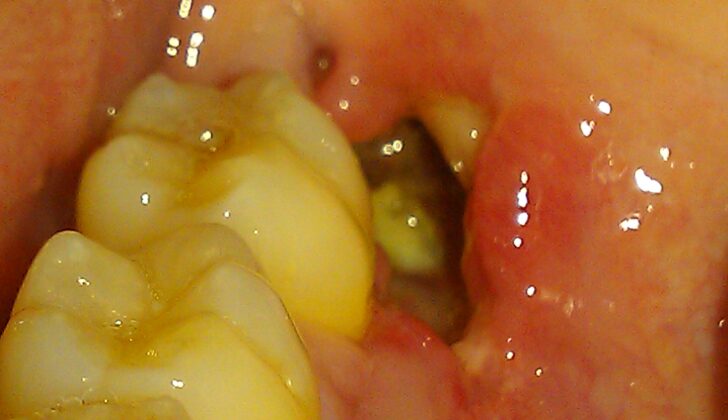
Three days after surgery, the patient developed intense pain within the extraction site of tooth #18.
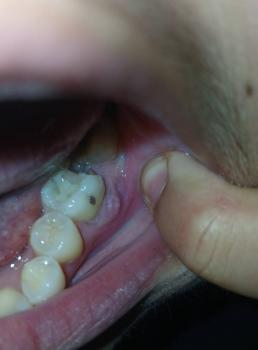
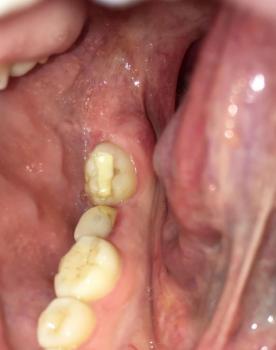
Clinical examination demonstrated findings consistent with alveolar osteitis (dry socket):
-
Loss of the protective blood clot
-
Exposed alveolar bone
-
Empty extraction socket
-
Whitish bone surface visible
-
Severe radiating pain toward the ear and temple
-
Bad taste inside the mouth
-
Foul odor
-
Pain not relieved by standard pain medications
This second complication dramatically increased the patient's discomfort.
Understanding Dry Socket
Dry socket occurs when the protective blood clot either:
-
Never forms properly,
-
Becomes dislodged,
-
Dissolves prematurely.
Without this natural covering, bone and nerve endings become exposed.
The result is one of the most painful complications following tooth extraction.
Typical symptoms begin:
-
2–4 days after extraction
-
With worsening pain rather than gradual improvement
Unlike routine postoperative soreness, dry socket often becomes progressively more painful.
Why Did the Wrong Extraction Increase Dry Socket Risk?
Removing a healthy tooth provides no therapeutic benefit.
Instead, unnecessary surgical trauma is introduced into otherwise healthy tissues.
Potential contributing factors include:
-
Surgical trauma
-
Difficult extraction
-
Clot disruption
-
Smoking
-
Forceful rinsing
-
Drinking through straws
-
Poor postoperative compliance
The patient therefore experienced pain from:
-
Exposed bone inside the extraction socket.
-
The untreated infected molar.
Clinical Analysis
From a patient safety perspective, wrong-tooth extraction represents a preventable event.
It creates two simultaneous clinical problems:
1. Iatrogenic Injury
A healthy tooth is permanently removed.
Consequences include:
-
Bone loss
-
Need for future tooth replacement
-
Additional surgical procedures
-
Increased treatment costs
2. Persistent Disease
The infected tooth remains.
Without treatment, the infection may continue progressing into:
-
Pulp necrosis
-
Dental abscess
-
Periapical infection
-
Jawbone infection
-
Facial cellulitis
The patient's original disease has not been resolved.
How Could This Have Been Prevented?
Modern dental practices use multiple verification systems before performing irreversible procedures.
These safety measures include:
Confirm the Patient
The clinician verifies:
-
Patient identity
-
Planned procedure
-
Medical history
-
Signed informed consent
Confirm the Correct Tooth
The dentist carefully reviews:
-
Current radiographs
-
Clinical examination
-
Tooth numbering
-
Anatomical landmarks
Many clinicians also confirm the treatment tooth with the patient whenever appropriate.
Perform a Surgical Time-Out
Immediately before extraction, the dental team pauses to verbally confirm:
-
Correct patient
-
Correct procedure
-
Correct tooth
-
Correct treatment plan
This brief safety pause helps prevent wrong-site surgery.
Management of the Dry Socket
Treatment focuses on relieving pain while allowing natural healing.
Typical management includes:
Gentle Irrigation
The socket is carefully irrigated with sterile saline to remove debris.
Aggressive curettage is generally avoided unless clinically indicated.
Medicated Dressing
A soothing medicated dressing may be placed to protect exposed bone and reduce pain.
Many dressings contain ingredients that temporarily calm irritated nerve endings.
Pain Control
Depending on the patient's medical history, pain management may include:
-
Prescription anti-inflammatory medication
-
Acetaminophen
-
Appropriate analgesics
-
Follow-up dressing changes if necessary
Cold Compress
Patients are commonly instructed to:
-
Apply an ice pack
-
10–20 minutes at a time
-
Use a cloth barrier between the ice and skin
Cold therapy helps reduce inflammation during the early recovery period.
Avoid Heat
Patients should avoid placing heating pads or warm compresses over the affected area during early healing.
Heat may increase blood flow and worsen throbbing discomfort.
Treatment of the Original Diseased Tooth
Pain relief from the dry socket alone is not sufficient.
The untreated tooth must still receive definitive treatment.
Depending on the clinical findings, options may include:
-
Root canal therapy
-
Surgical extraction under proper verification procedures
-
Antibiotics if indicated for spreading bacterial infection (they are not routinely prescribed for dry socket alone)
Removing the source of infection is essential for long-term recovery.
Can Dry Socket Become Dangerous?
Dry socket itself is usually a localized inflammatory complication and is not the same as a spreading bacterial infection.
However, the untreated infected tooth—or a separate developing dental infection—may progress beyond the tooth and surrounding tissues.
If bacteria spread into the facial spaces, the patient can develop facial cellulitis, which requires urgent medical evaluation.
Warning Signs That Require Immediate Emergency Care
Go to the nearest emergency department immediately if any of the following occur:
-
Difficulty breathing
-
Tightness of the throat
-
Difficulty swallowing
-
Excessive drooling
-
Rapidly expanding swelling of the face or neck
-
Swelling spreading toward the eye or chest
-
High fever
-
Chills
-
Severe weakness
-
Confusion
-
Severe headache with neck stiffness
These symptoms may indicate a serious spreading infection requiring hospital-based treatment.
Expert Dental Guidance: Wrong-Tooth Extraction, Dry Socket Symptoms, Treatment, and Patient Safety
1. What Happens When a Dentist Removes the Wrong Tooth?
Tooth extraction is an irreversible dental procedure. Removing a healthy tooth by mistake can result in permanent tooth loss, additional treatment costs, emotional distress, and the possible need for future tooth replacement.
Before extracting a tooth, the dentist should confirm the diagnosis, review the patient's medical and dental history, examine the relevant teeth, and use appropriate dental imaging when indicated. The planned tooth should be verified against the patient's symptoms, clinical findings, treatment plan, and informed consent.
Important patient-safety advice: Before treatment begins, ask your dentist to identify the exact tooth planned for extraction. If you have concerns, request clarification before the procedure proceeds.
A second opinion may be appropriate when the diagnosis is unclear, the proposed extraction is irreversible, or reasonable alternatives have not been explained.
2. What Should You Do If the Wrong Tooth Has Been Extracted?
If you believe the wrong tooth has been removed, contact the treating dentist immediately. Do not wait for severe pain or swelling to develop.
Recommended steps include:
-
Request an immediate assessment: Ask the dentist to explain what happened, examine the extraction site and the tooth that was intended for treatment, and discuss the next steps.
-
Obtain copies of your records: Request relevant dental X-rays, clinical notes, treatment plans, consent documents, and an itemized treatment record.
-
Seek an independent dental opinion: An appropriately qualified dentist or oral surgeon can assess the remaining teeth, extraction site, and possible restorative options.
-
Discuss tooth replacement when appropriate: Depending on the case, options may include a dental implant, a fixed bridge, or a removable partial denture. Not every patient needs immediate replacement, and treatment should be planned after a proper assessment.
-
Document your symptoms and expenses: Keep records of appointments, medications, receipts, and communications related to the incident.
Avoid attempting to repair or treat the extraction site yourself. The priority is to assess the injury, manage any complications, and establish a safe treatment plan.
3. What Is Dry Socket (Alveolar Osteitis)?
Dry socket, medically known as alveolar osteitis, is a painful complication that can occur after a tooth is extracted. It develops when the protective blood clot in the socket is lost, breaks down prematurely, or fails to provide adequate protection during early healing.
The clot normally helps protect the underlying bone and supports the healing process. When this protection is lost, the extraction site can become intensely painful.
Dry socket commonly becomes noticeable approximately one to several days after extraction, often around days 2–5.
Common symptoms
Patients may experience:
-
Severe or worsening pain at the extraction site.
-
Pain that spreads toward the ear, temple, or nearby jaw.
-
An unpleasant taste or bad breath.
-
An extraction socket that appears empty or has visible bone.
-
Pain that is not adequately controlled by ordinary pain relief.
These symptoms warrant a dental assessment, particularly when pain initially improves and then becomes substantially worse.
Clinical distinction: Dry socket is primarily a problem involving the blood clot and healing process. It is not automatically a bacterial infection, and bad breath alone cannot confirm either dry socket or infection.
Source: American Dental Association (ADA), Dry Socket. https://www.ada.org/sitecore/content/ADA-Organization/ADA/MouthHealthy/home/all-topics-a-z/dry-socket
4. Can Removing the Wrong Tooth Cause Dry Socket?
Removing the wrong tooth does not automatically cause dry socket. However, the extraction creates a surgical wound that must heal, and that wound may develop complications just like any other extraction site.
Dry socket can occur after the extraction of a healthy tooth as well as a diseased tooth. It is associated with factors such as difficult extraction, smoking, and other patient-specific or procedural factors.
If a dentist removes the wrong tooth, two separate issues must be assessed:
-
The unintended extraction site: Is the socket healing normally, or are there signs of dry socket, infection, or another complication?
-
The tooth originally intended for extraction: Does it still require treatment, and can it be preserved with a filling, root canal treatment, crown, or another suitable procedure?
The second tooth should not automatically be extracted. Its condition must be reassessed independently.
5. Dry Socket vs. Normal Healing vs. Infection
| Finding | Normal healing | Possible dry socket | Possible infection |
|---|---|---|---|
| Pain | Usually improves gradually | Often becomes severe or worsens after a few days | May worsen or persist |
| Blood clot | Initially forms in the socket | May be absent or lost | May be present or disrupted |
| Bad breath or taste | Possible temporarily | Can occur | Can occur, especially with drainage |
| Swelling | Mild swelling may occur | Usually not the main feature | Increasing swelling may occur |
| Fever or pus | Not expected | Not typical | Concerning signs |
This table is a guide, not a diagnostic test. Dry socket and infection can have overlapping symptoms, and a dentist may need to examine the site and review the patient's medical history to determine the cause.
6. How Is Dry Socket Treated?
Treatment is aimed at reducing pain, protecting the site, and allowing normal healing to continue.
A dentist may:
-
Examine the socket and assess whether another complication is present.
-
Gently irrigate the socket when indicated to remove trapped food or debris.
-
Apply a suitable medicated dressing if necessary to relieve pain.
-
Recommend appropriate pain relief based on the patient's medical history, medications, allergies, and other risk factors.
-
Arrange follow-up care if symptoms persist or the dressing needs to be changed.
Antibiotics are not routinely required for dry socket alone. They may be appropriate when there is a separate bacterial infection or another specific clinical indication.
Never place aspirin, alcohol, crushed medication, or unprescribed substances directly into the extraction socket. Do not probe the wound with fingers or sharp objects.
7. Home Care After Extraction
Following the treating dentist's instructions is essential for protecting the blood clot and supporting healing.
-
During the first 24 hours, avoid vigorous rinsing, forceful spitting, and disturbing the socket.
-
Avoid smoking and vaping during healing, as they can impair recovery and increase the risk of complications.
-
Avoid drinking through a straw during the early healing period.
-
Eat soft foods initially and avoid chewing directly over the extraction site.
-
Brush your other teeth carefully while avoiding direct trauma to the wound.
-
After the first 24 hours, gentle warm salt-water rinses may be appropriate, especially after meals, if recommended by your dentist.
-
Take prescribed or recommended medicines only as directed.
Do not attempt to dislodge material from the socket just because it looks white, yellowish, or unusual. Healing tissue and food debris can look similar, and appearance alone cannot establish a diagnosis.
8. When Is Dental Treatment Urgent?
Contact a dentist promptly if you experience severe pain that worsens after extraction, persistent bleeding, increasing swelling, pus, fever, or symptoms that are not improving as expected.
Seek emergency medical care if you develop difficulty breathing or swallowing, rapidly spreading facial or neck swelling, or other signs of a potentially serious spreading infection.
If the wrong tooth was extracted, prompt assessment is warranted even if you currently have little pain. Early evaluation helps establish the extent of the problem and identify options for the remaining teeth.
9. How Can Patients Reduce the Risk of Wrong-Tooth Extraction?
Patients can participate in a safe treatment process without having to replace the dentist's professional responsibilities.
Before extraction, ask:
-
Which exact tooth are you planning to remove?
-
What findings show that extraction is necessary?
-
Could the tooth be saved with restorative treatment or root canal treatment?
-
Have you reviewed the appropriate X-rays?
-
What are the benefits, risks, alternatives, and consequences of postponing treatment?
-
What should I expect during recovery, and whom should I contact if complications occur?
The dental team should independently verify the intended tooth using appropriate clinical checks, relevant imaging, and the agreed treatment plan. Patient confirmation is an additional safeguard, not a substitute for professional verification.
10. Expert Dental Perspective: The Main Lesson
A wrong-tooth extraction and dry socket are distinct problems that may require separate assessments and treatment plans. A patient's severe pain after an extraction should not automatically be attributed to dry socket without an examination.
The appropriate response is to identify the cause of the symptoms, address the extraction site, reassess the tooth that originally needed treatment, and explain the available options to the patient.
Safe dentistry depends on accurate diagnosis, clear communication, informed consent, appropriate clinical verification, and timely follow-up—not simply on the speed or price of a procedure.
Frequently Asked Questions (FAQs)
1. What should I do if my dentist removes the wrong tooth?
Contact the dentist immediately and request an assessment of both the extraction site and the tooth that was supposed to be treated. Obtain copies of your dental records and seek an independent dental opinion if necessary.
2. Can a healthy tooth be extracted by mistake?
Yes. Errors in tooth identification or treatment planning can result in an unintended extraction. Appropriate examination, record verification, imaging when indicated, and a final site check help reduce this risk.
3. How soon does dry socket develop after tooth extraction?
Dry socket commonly becomes noticeable within the first few days after extraction, often around days 2–5. Pain that becomes significantly worse instead of gradually improving should be assessed by a dentist.
4. What does dry socket pain feel like?
It often causes intense, persistent pain at the extraction site that may spread to the ear, temple, or jaw. An unpleasant taste or bad breath may also occur, but symptoms vary between patients.
5. Does dry socket always mean the extraction site is infected?
No. Dry socket is primarily a clot-related healing complication. A bacterial infection is a separate diagnosis, although symptoms can overlap and both problems can sometimes occur together.
6. Can dry socket heal without treatment?
It may eventually heal, but significant pain should not be left unmanaged. A dentist can confirm the diagnosis, relieve symptoms, and check for infection or other complications.
7. Do antibiotics cure dry socket?
Antibiotics do not directly correct the loss of the protective blood clot. They are not routinely indicated for dry socket alone, but a dentist may prescribe them if a separate bacterial infection warrants treatment.
8. Why does dry socket cause bad breath?
The exposed socket, retained debris, and changes in the healing wound can contribute to an unpleasant smell or taste. However, bad breath can also have other causes, including infection and gum disease.
9. Can I brush my teeth when I have dry socket?
Yes, oral hygiene remains important. Brush the other teeth gently and avoid directly traumatizing the extraction site. Follow your dentist's instructions about rinsing and cleaning the socket.
10. Can smoking increase the risk of dry socket?
Yes. Smoking is associated with an increased risk of dry socket and can impair healing. Avoid smoking and vaping during recovery, following your dentist's advice on how long to abstain.
11. Can a tooth be saved instead of extracted?
Sometimes. Depending on the amount of remaining tooth structure, the condition of the pulp, the presence of infection, and the supporting bone, treatment may include a filling, crown, or root canal treatment. A dentist must assess the tooth before deciding whether it can be saved.
12. Can I get a dental implant if the wrong tooth was removed?
Possibly, but an implant is not automatically the best or immediate solution. The dentist must assess bone and gum health, the condition of neighboring teeth, infection risk, and the patient's medical history. A bridge or removable partial denture may also be appropriate.
13. How can I report a suspected dental treatment error in the Philippines?
Start by requesting your dental records and a written explanation from the clinic. You may seek an independent dental assessment and, if the concern remains unresolved, inquire about the appropriate complaint process through the Professional Regulation Commission or another relevant Philippine authority.
14. When should I seek emergency care after an extraction?
Seek emergency medical care for difficulty breathing or swallowing, rapidly increasing facial or neck swelling, or other signs of a spreading infection. Contact a dentist urgently for severe or worsening pain, fever, pus, or increasing swelling.
Medical Disclaimer
This article is for general educational purposes and does not replace an in-person examination, diagnosis, or individualized treatment from a licensed dental professional. A dental emergency or suspected wrong-tooth extraction requires prompt professional assessment.
Clinical reference: American Dental Association, Dry Socket — https://www.ada.org/sitecore/content/ADA-Organization/ADA/MouthHealthy/home/all-topics-a-z/dry-socket
Related article: The Wrong Tooth & The Dry Socket: A Manila Dental Horror Story
Frequently Asked Questions: Wrong-Tooth Extraction & Dental Malpractice in the USA
Can a dentist accidentally remove the wrong tooth?
Yes. Although uncommon, wrong-tooth extraction is a recognized patient safety event in dentistry. In the United States, it is considered a "never event" or wrong-site surgery, meaning it is a preventable error that should not occur when proper safety protocols are followed. Contributing factors may include misinterpretation of dental radiographs, charting mistakes, communication failures among the dental team, or inadequate verification before treatment. Modern dental practices reduce this risk by confirming the patient's identity, reviewing diagnostic images, verifying the correct tooth, and performing a surgical "time-out" immediately before extraction.
How common is wrong-tooth extraction?
Wrong-tooth extraction is relatively rare when compared with the millions of tooth extractions performed safely in the United States each year. However, because the consequences can be permanent, it remains one of the most significant causes of dental malpractice claims. Removing the wrong tooth not only causes unnecessary tooth loss but also leaves the original diseased tooth untreated, often resulting in additional pain, infection, and the need for complex restorative procedures.
Is dry socket considered dental malpractice?
Not usually. Dry socket, also known as alveolar osteitis, is a well-recognized complication that may occur after any tooth extraction, even when the procedure is performed according to accepted standards of care. The condition develops when the protective blood clot is lost or fails to form properly, exposing the underlying bone and nerve endings. However, if dry socket develops after a preventable error—such as extraction of the wrong tooth—the malpractice issue generally relates to the wrongful extraction itself rather than the dry socket complication.
Can a healthy tooth be replaced if it is accidentally removed?
Yes. When a healthy permanent tooth is mistakenly extracted, immediate reimplantation may be possible if the tooth is recognized quickly and handled appropriately. Unfortunately, successful reimplantation is not always achievable. In many cases, long-term treatment involves replacing the missing tooth with a dental implant, fixed dental bridge, or another prosthetic solution. Early evaluation by an experienced restorative dentist or oral surgeon helps determine the most appropriate treatment plan while minimizing future bone loss and maintaining normal chewing function.
Who pays for corrective treatment after a wrong-tooth extraction?
If an investigation determines that the dentist failed to meet the accepted standard of care, the dentist's professional malpractice insurance may be responsible for covering reasonable corrective treatment costs. These expenses can include diagnostic imaging, replacement of the missing tooth with a dental implant or bridge, additional surgical procedures, and other necessary restorative care. Depending on the specific circumstances and applicable state laws, compensation may also include damages related to pain, suffering, lost wages, or reduced quality of life. Patients who believe they have experienced negligent treatment should consult both an experienced dentist for corrective care and a qualified attorney familiar with dental malpractice laws in their state.
Can dry socket occur after any tooth extraction?
Yes. Dry socket can develop after the extraction of virtually any permanent tooth. However, it occurs most frequently after removal of lower molars, particularly impacted wisdom teeth in the mandible. Several factors may increase the risk, including smoking, forceful rinsing, drinking through a straw, poor blood clot formation, traumatic extractions, certain medications, and inadequate postoperative care. Most cases develop between two and four days after surgery, with worsening pain, exposed bone, unpleasant taste, and bad breath being common symptoms.
What should I do if I think the wrong tooth was removed?
Contact your dentist immediately and request an urgent evaluation. If you believe a treatment error has occurred, seek a second opinion from another licensed dentist or oral surgeon as soon as possible. Early assessment allows the remaining diseased tooth to be treated promptly while preserving as many treatment options as possible for replacing the mistakenly extracted tooth. Keeping copies of your dental records, radiographs, treatment plan, and postoperative instructions may also be helpful if further review is required.
What are the warning signs that require immediate emergency medical care?
Although dry socket itself is usually a localized inflammatory condition, an untreated dental infection may spread into the surrounding tissues and become a medical emergency. Seek immediate emergency care if you experience:
-
Difficulty breathing
-
Difficulty swallowing
-
Rapidly increasing swelling of the face or neck
-
Swelling spreading toward the eye or chest
-
High fever or chills
-
Severe weakness or confusion
-
Excessive drooling
-
Persistent bleeding that does not stop with pressure
These symptoms may indicate a serious spreading infection that requires urgent hospital evaluation and treatment.
How can patients reduce the risk of wrong-tooth extraction?
Patients can play an important role in preventing treatment errors by actively participating in their dental care. Before the procedure, confirm the tooth scheduled for extraction with your dentist, review your dental X-rays together, ask questions if anything seems unclear, and ensure the treatment plan matches your understanding. Choosing an experienced dental professional who follows standardized patient safety protocols can further reduce the risk of preventable complications.
Frequently Asked Questions
Can a dry socket occur after the wrong tooth is removed?
Yes. Dry socket is a recognized complication of tooth extraction regardless of whether the extracted tooth was healthy or diseased. If the wrong tooth is removed, the patient may experience both dry socket pain and continued pain from the untreated original tooth.
Does dry socket mean the dentist caused an infection?
No. Dry socket is typically caused by the premature loss or breakdown of the protective blood clot, resulting in exposed bone. It is an inflammatory condition rather than a true bacterial infection, although a separate infection may occur at the same time.
Are antibiotics always needed for dry socket?
Not necessarily. Antibiotics are generally reserved for patients who have evidence of an active spreading bacterial infection. Dry socket itself is usually treated with local irrigation, medicated dressings, and pain control.
Can the original infected tooth still become an abscess?
Yes. If the diseased tooth remains untreated, the infection may continue to progress and potentially form an abscess or spread into surrounding tissues.
How can wrong-tooth extraction be prevented?
Dental teams reduce risk by confirming the patient's identity, reviewing current radiographs, verifying the tooth number, performing an intraoral examination, and completing a verbal surgical "time-out" immediately before extraction.
Final Thoughts
Wrong-tooth extraction is a rare but serious preventable error that highlights the importance of standardized patient safety protocols. When combined with dry socket, patients may experience severe postoperative pain from exposed bone while the original diseased tooth continues to cause infection and discomfort.
Although dry socket is usually manageable with prompt dental treatment, persistent infection in the untreated tooth should never be ignored. Early diagnosis, careful postoperative monitoring, and timely definitive treatment help reduce complications and support a safe recovery.
Disclaimer: This case study is provided for educational purposes and reflects a representative clinical scenario. Individual diagnosis and treatment should always be determined by a licensed dentist or oral surgeon after a comprehensive examination.
Understanding Dry Socket
Learn more about Blood Clot After Tooth Extraction Explained: Why It Matters More Than You Think
Patients experiencing worsening pain should also review Dry Socket Symptoms: 7 Warning Signs You Should Not Ignore
https://cebudentalimplants.com/dry-socket-symptoms-7-warning-signs-you-should-not-ignore
Many patients become concerned on the third day after surgery. Before assuming something has gone wrong, read 5 Common Myths About Day 3 After Tooth Extraction
https://cebudentalimplants.com/5-common-myths-about-day-3-after-tooth-extraction
Clinical Analysis
A similar educational case is discussed in Wrong-Tooth Extraction Followed by Dry Socket
https://cebudentalimplants.com/dry-socket-dentist-fault-osaka-japan
Treatment of the Original Diseased Tooth
If the original tooth is preserved through endodontic therapy, patients should continue monitoring healing. Learn more in Reddish Gums After Root Canal Treatment
Related Articles
- Dry Socket Symptoms: 7 Warning Signs You Should Not Ignore
https://cebudentalimplants.com/dry-socket-symptoms-7-warning-signs-you-should-not-ignore - Blood Clot After Tooth Extraction Explained: Why It Matters More Than You Think
https://cebudentalimplants.com/blood-clot-after-tooth-extraction-explained-why-it-matters-more-you-think - 5 Common Myths About Day 3 After Tooth Extraction
https://cebudentalimplants.com/5-common-myths-about-day-3-after-tooth-extraction - Wrong-Tooth Extraction Followed by Dry Socket
https://cebudentalimplants.com/dry-socket-dentist-fault-osaka-japan - Reddish Gums After Root Canal Treatment
https://cebudentalimplants.com/reddish-gums-after-root-canal-treatment-utah-usa-skilled-dentist-save-tooth
Video :
Related Clinical Cases
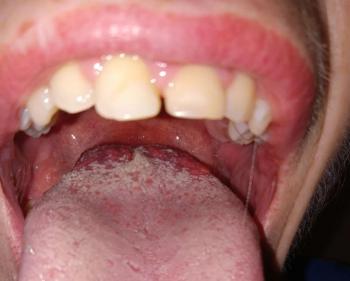
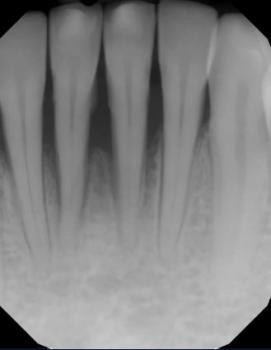
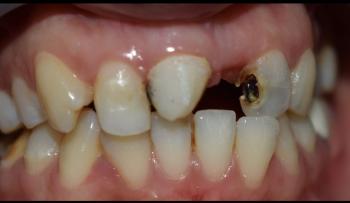
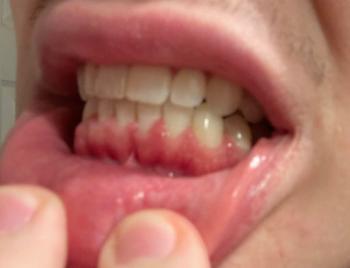
Patients with lower front gum inflammation may also experience tartar buildup, periodontal disease, gum abscesses, or tooth decay. Explore these related clinical case studies.
Other topics:
Other Dental Clinic