English

Periodontal Abscess (Gum Abscess): Symptoms, Pictures, Causes, Treatment, Recovery, and When to Seek Emergency Care

Topics: 

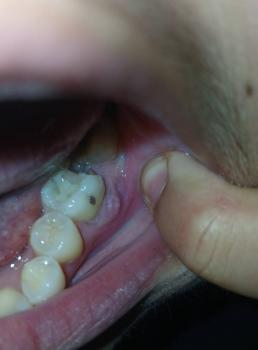
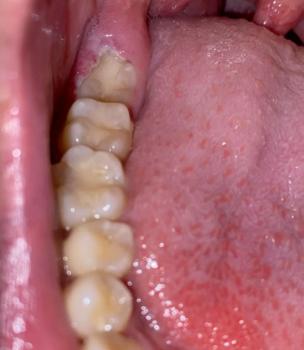
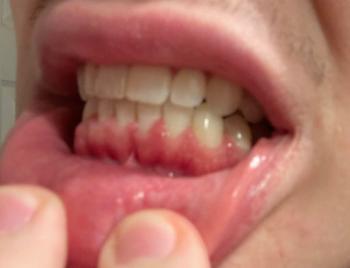
Periodontal abscesses are among the most common dental emergencies seen in the United States. They often develop suddenly, causing severe pain, facial swelling, difficulty chewing, and significant anxiety. Although many patients assume the problem is "just a swollen gum," a periodontal abscess represents an active bacterial infection that is destroying the supporting tissues of the tooth. Without prompt professional treatment, the infection may lead to irreversible bone loss, tooth loss, or, in rare but serious cases, spread into the facial spaces, neck, or bloodstream.

Bleeding Gums: Causes, Clinical Case Analysis, Stages of Gum Disease, Treatment Options, Prevention, and Emergency Warning Signs | USA Dentist Review

Topics: 

Clinical Review: Causes, Case Analysis, and Treatment of Bleeding Gums

A USA Dentist's Comprehensive Guide to Healthy Gums, Early Detection, and Advanced Periodontal Care

Reviewed by a USA Dental Clinical Expert

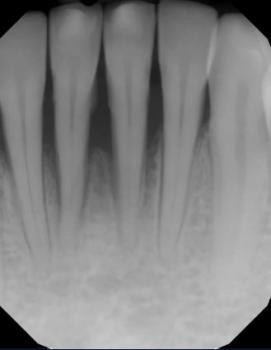
Bleeding gums are one of the earliest and most important warning signs that something is wrong with your oral health. Many people dismiss a small amount of blood while brushing or flossing as "normal," but healthy gums should not bleed during routine oral hygiene.

Impacted Wisdom Tooth Recovery: Healing Timeline & Warning Signs

Topics: 

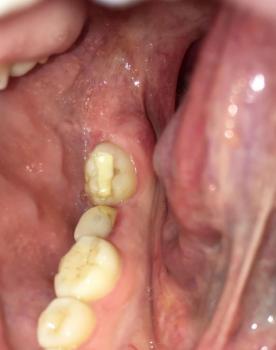
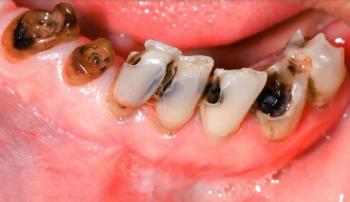
very year, millions of Americans undergo wisdom tooth removal, making it one of the most common outpatient oral surgeries in the United States. While many wisdom teeth erupt normally, others become impacted, meaning they remain partially or completely trapped beneath the gums or jawbone. These cases often require a surgical extraction involving gum incisions, bone removal, and occasionally sectioning the tooth into smaller pieces.

Ear Pain After Tooth Extraction? The Hidden Jaw-to-Ear Connection Explained

Topics: 

By a USA Dental Health Educator

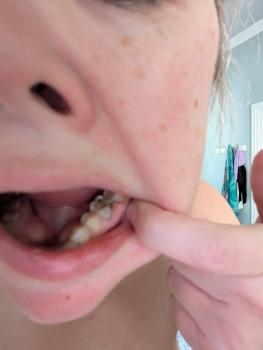
When Michael, a 42-year-old accountant from Ohio, had his lower molar removed, he expected soreness in his jaw. What he didn't expect was a sharp ache deep inside his ear that began the next morning.

"I thought I had an ear infection," he recalled. "The tooth was gone, so why did my ear hurt more than my mouth?"

His experience is surprisingly common.

Pages