Smile Again with Comfort and Confidence.

How to Reduce Dental Costs in Austria Legally
Language :
A Dental Expert’s Perspective After 25 Years in Austrian Dentistry
After more than 25 years working in Austrian dentistry, one concern has become increasingly common among patients:
“How can I legally reduce my dental costs without sacrificing quality?”
This question comes from:
- Young professionals
- Families
- Retirees
- International residents
- Students
- Even middle-income patients with insurance
Austria has an excellent healthcare system and highly trained dentists, but advanced dental treatment can still become financially overwhelming.
Patients are often shocked when they discover the cost of:
- Dental implants
- Crowns
- Orthodontics
- Full-mouth rehabilitation
- Cosmetic dentistry
- Gum surgery
Many people delay treatment because they fear the financial burden. Unfortunately, delaying care often makes the situation far more expensive later.
The good news is that there are completely legal and smart ways to reduce dental expenses in Austria while still receiving safe and professional treatment.
This guide explains practical strategies Austrian patients use in 2026 to lower dental costs responsibly without compromising long-term oral health.
Why Dental Treatment Is Expensive in Austria
Austria maintains very high healthcare standards.
Modern dentistry involves major operating expenses including:
- Staff salaries
- Sterilization systems
- Advanced equipment
- Laboratory work
- Professional insurance
- Regulatory compliance
- Digital technology
High-quality dentistry is complex healthcare, not simply cosmetic treatment.
This is especially true for implants and reconstructive work.
Understand What Public Insurance Actually Covers
One of the biggest mistakes patients make is not fully understanding their public dental coverage.
Austria’s public healthcare system usually supports:
- Dental examinations
- Basic fillings
- Tooth extractions
- Preventive care
- Some denture support
However, advanced treatment often involves co-payments.
Patients should always ask:
- Which treatments are covered?
- Which materials are included?
- What alternatives exist?
- What are the out-of-pocket costs?
Clear communication prevents financial surprises.
Choose Preventive Care Early
After 25 years in dentistry, I can confidently say this:
Preventive care is the cheapest dentistry.
Regular checkups and cleanings help prevent:
- Root canals
- Tooth loss
- Gum disease
- Expensive implant surgery
A small filling today may prevent a €4,000 implant laterr.
Do Not Delay Small Problems
Patients often postpone treatment because they fear cost.
Unfortunately, untreated problems usually worsen.
Example
A small cavity may eventually become:
- Root canal treatment
- Crown placement
- Tooth extraction
- Implant replacement
The final cost may become 10 times higher than early treatment.
Compare Treatment Plans Carefully
Patients are legally allowed to seek second opinions.
This is highly recommended for:
- Implants
- Full-mouth rehabilitation
- Cosmetic dentistry
- Orthodontics
- Complex surgery
Different dentists may recommend different approaches and pricing structures.
However, cheaper treatment is not always better treatment.
Understand Material Options
Dental materials greatly affect cost.
Example: Crowns
| Material | Estimated Cost |
|---|---|
| Metal crown | Lower |
| Porcelain-fused-to-metal | Moderate |
| Zirconia crown | Higher |
Patients should ask which options balance:
- Durability
- Esthetics
- Budget
Sometimes mid-range materials offer excellent long-term value.
Ask About Payment Plans
Many Austrian clinics now offer financing options.
These may include:
- Monthly installments
- Interest-free periods
- Third-party healthcare financing
This allows patients to spread costs over time instead of delaying necessary treatment.
Supplemental Private Insurance Can Help
Some Austrian residents purchase private dental insurance.
These plans may partially assist with:
- Crowns
- Orthodontics
- Implants
- Preventive care
- Cosmetic procedures
However, patients should carefully review:
- Waiting periods
- Annual limits
- Implant exclusions
- Pre-existing condition rules
Not all policies provide strong value.
Dental Schools and University Clinics
University dental programs sometimes provide reduced-cost treatment.
Patients may access:
- Supervised student treatment
- Specialist training clinics
- Reduced laboratory fees
Treatment may take longer, but quality supervision is usually strong.
Consider Public Clinics for Basic Treatment
For routine procedures, public dental clinics may provide excellent value.
These clinics often handle:
- Exams
- Fillings
- Extractions
- Basic dentures
Advanced cosmetic or implant work may still require private clinics.
Why Implants Remain Expensive
Dental implants involve:
- Surgery
- Titanium components
- Laboratory work
- 3D imaging
- Bone integration
- Long-term maintenance
Typical implant costs in Austria may range:
- €2,500 to €4,500 per tooth
This is why many patients search for cost-saving alternatives.
Is Dental Tourism a Good Option?
Some Austrian patients travel abroad for treatment.
Popular destinations include:
- Hungary
- Turkey
- Poland
- Croatia
- Thailand
- Philippines
Patients may save substantial money, especially for:
- Multiple implants
- All-on-4 treatment
- Full-mouth reconstruction
However, risks also exist.
Risks of Choosing Treatment Abroad
Patients should understand the potential challenges:
- Limited follow-up care
- Communication barriers
- Different implant systems
- Warranty issues
- Sterilization concerns
- Travel complications
Price alone should never determine treatment decisions.
Why Hungary Became Popular for Austrian Patients
Hungary became a major dental tourism destination because of:
- Geographic proximity
- Lower prices
- German-speaking staff
- Strong implant industry
Many Austrian patients compare Hungarian treatment costs before deciding locally.
Focus on Long-Term Value, Not Just Price
The cheapest treatment may become the most expensive later if it fails.
Long-term success depends on:
- Dentist experience
- Proper planning
- Implant quality
- Bite stability
- Oral hygiene maintenance
A well-executed implant can last decades.
Improve Oral Hygiene to Reduce Future Costs
Simple habits dramatically reduce dental expenses.
Important Habits
- Brush twice daily
- Use floss or interdental brushes
- Attend regular cleanings
- Reduce smoking
- Limit sugar intake
- Treat gum disease early
Prevention remains the best financial strategy.
Smoking Increases Dental Costs
Smoking contributes to:
- Gum disease
- Implant failure
- Bone loss
- Tooth loss
- Delayed healing
Quitting smoking often improves both oral health and long-term financial savings.
Ask for Written Treatment Plans
Patients should always request:
- Detailed treatment plans
- Written pricing
- Material descriptions
- Timeline estimates
Transparent planning helps avoid unexpected charges.
Understand Cosmetic vs Necessary Treatment
Some procedures improve function.
Others are mainly cosmetic.
Patients should prioritize treatments that protect:
- Oral function
- Bone health
- Long-term stability
before purely aesthetic upgrades.
Emergency Dentistry Is Usually More Expensive
Patients who ignore problems often end up requiring emergency treatment.
Emergency care may involve:
- After-hours fees
- Complex infection management
- Surgical extraction
- Temporary restorations
Routine maintenance almost always costs less.
Why Good Dentists Sometimes Cost More
Highly experienced dentists often charge more because of:
- Training
- Technology
- Precision
- Lower complication rates
- Better long-term outcomes
Quality dentistry is an investment in long-term health.
The Emotional Cost of Delayed Treatment
After decades in dentistry, I have seen how untreated dental problems affect:
- Confidence
- Nutrition
- Social interaction
- Speech
- Mental health
Patients often underestimate the emotional burden of poor oral health.
Questions Patients Should Ask Before Treatment
Important Questions
- What is medically necessary?
- What is cosmetic?
- What alternatives exist?
- What is covered publicly?
- Are payment plans available?
- What maintenance costs should I expect?
Clear communication helps patients make smarter financial decisions.
Common Mistakes That Increase Dental Costs
Waiting Too Long
Small problems become major problems.
Choosing Only Based on Price
Low-quality treatment may fail.
Ignoring Gum Disease
Healthy gums are essential for long-term stability.
Skipping Maintenance
Poor maintenance increases future repair costs.
Final Thoughts on Reducing Dental Costs in Austria Legally
Reducing dental costs legally in Austria is absolutely possible — but smart decisions matter.
After 25 years in Austrian dentistry, I can confidently say the best financial strategy is not finding the cheapest treatment.
The best strategy is:
- Prevention
- Early treatment
- Good oral hygiene
- Careful treatment planning
- Choosing experienced professionals
- Understanding insurance coverage
- Comparing options responsibly
Patients who focus only on immediate savings often face larger expenses later.
Patients who invest in long-term oral health usually save far more over time.
Good dentistry is not simply about appearance. It protects overall health, confidence, and quality of life for decades.
Short Story Addon – “The Crown That Became an Implant”
A Realistic Austrian Dental Story (Approx. 800 Words)
Martin was 52 years old and lived in Graz, Austria. He worked as an accountant and considered himself financially careful. Every euro mattered to him, especially after inflation and rising living costs began affecting his family budget.
For nearly two years, Martin ignored a small toothache in his lower molar.
“It’s probably nothing,” he told himself repeatedly.
The discomfort only appeared occasionally while drinking cold coffee or chewing hard bread. He avoided the dentist because he feared expensive treatment.
One evening, the pain suddenly became severe.
His face swelled slightly overnight. By morning, he could barely chew.
His wife finally convinced him to visit a dentist.
After the examination and X-rays, the dentist explained calmly:
“The cavity reached the nerve months ago. The tooth is badly infected now.”
Martin needed:
- Root canal treatment
- A crown
- Possible gum treatment
The estimate shocked him.
Nearly €1,800.
Martin hesitated immediately.
“That’s too expensive,” he said.
The dentist explained that delaying treatment earlier would have made everything much simpler and cheaper. A small filling two years ago might have cost less than €150.
But Martin decided to postpone treatment again.
He took antibiotics instead and hoped the pain would disappear.
For several months, the infection remained quiet.
Then one morning during breakfast, the tooth cracked completely while eating bread.
This time the damage was irreversible.
The tooth had to be extracted.
Martin felt frustrated and embarrassed.
Now the treatment options became even more expensivee:
- Extraction
- Bone grafting
- Dental implant
- Implant crown
The total estimate exceeded €4,000.
Martin could not believe it.
The dentist reviewed his history and gently explained:
“Most expensive dentistry begins as inexpensive dentistry.”
That sentence stayed in Martin’s mind.
For the first time, he fully understood how delaying care had multiplied the financial problem.
Martin began researching ways to reduce costs legally.
He learned about:
- Austrian payment plans
- Supplemental insurance
- University dental clinics
- Preventive care
- Dental tourism
He even considered traveling abroad for the implant.
However, after consultations and careful planning, he decided to stay local because his bone loss made the case more complex.
Instead of searching for the cheapest option, Martin focused on long-term stability.
He chose:
- A well-reviewed implant specialist
- Monthly financing
- Better oral hygiene habits
- Regular cleanings
The implant treatment took several months, but eventually the final crown felt natural and stable.
At his final review appointment, Martin admitted something honestly to the dentist:
“The implant was expensive. But ignoring the problem cost me much more.”
Today, Martin never skips preventive checkups.
He tells friends the same advice repeatedly:
“Small dental problems are cheap. Large dental problems are expensive.”
After years of fear and postponement, he finally realized that preventive dentistry was not just healthcare — it was financial protection.
FAQ – How to Reduce Dental Costs in Austria Legally
Can I legally compare dental prices in Austria?
Yes. Patients are free to seek second opinions and compare treatment plans.
Are dental implants covered publicly in Austria?
Usually only minimally. Most implant costs remain private-pay.
Is dental tourism legal for Austrians?
Yes. Many patients legally seek treatment abroad, although follow-up care should be considered carefully.
Can payment plans help reduce financial pressure?
Yes. Many clinics offer financing or installment options for larger treatments.
What is the best way to reduce dental costs long-term?
Preventive care, early treatment, and excellent oral hygiene remain the most effective long-term strategies.
Related Topics
1. Private vs Public Dental Care in Austria
Patients often compare public insurance benefits with private dental treatment for advanced procedures.
2. Dental Implant Costs in Austria vs Hungary
Many Austrian patients explore neighboring countries for lower-cost implant treatment.
3. Preventive Dentistry and Long-Term Savings
Regular checkups and hygiene maintenance help prevent expensive restorative procedures later in life.
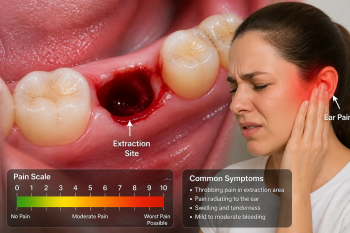
Can tooth extraction cause infection? Mild inflammation is normal, but increasing swelling, fever, or severe pain may indicate infection. Learn more about post-extraction infection warning signs in this detailed guide.
Book a consultation with our Cebu dental specialists for proper evaluation and care.
Ready to get expert guidance?
If you’re experiencing severe pain or delayed healing, book a consultation with our Cebu dental specialists to get proper evaluation and care.
Consultation or contact page .
Book a Consultation
For severe discomfort or delayed healing, book a consultation with our Cebu dental specialists today.
Looking for a dentist? Browse our Cebu dental directory to find trusted clinics near you.
Medical Review and Clinical Basis
This article is based on clinical dental guidelines and real patient recovery patterns observed after tooth extraction procedures. The information reflects common post-extraction healing stages, including normal clot formation, gum tissue repair, and signs of possible complications such as dry socket or infection.
While mild discomfort is expected after a dental extraction, worsening pain after Day 3, bad odor, exposed bone, or spreading pain may require professional evaluation. These symptoms are consistent with known post-extraction complications described in standard dental practice.
About Cebu Dental Implants
Cebu Dental Implants provides comprehensive tooth extraction, surgical procedures, and dental implant services in the Philippines. Our team evaluates post-extraction healing, manages complications such as dry socket, and advises patients on proper aftercare to prevent infection and delayed healinge.
If you experience severe pain or unusual symptoms after extraction, early professional assessment is recommended to prevent further complications.
Important Medical Disclaimer
This content is for educational purposes only and does not replace professional dental diagnosis. Every patient heals differently. If symptoms worsen or do not improve within a few days, consult a licensed dentist for proper evaluation and treatment.
Author
This article was prepared by the Cebu Dental Implants content team in consultation with licensed dental professionals experienced in tooth extraction and implant procedures.
Related Clinical Cases
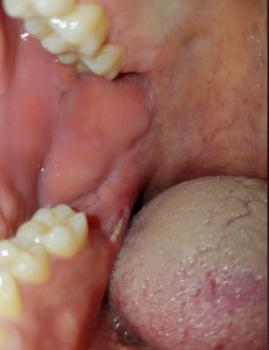
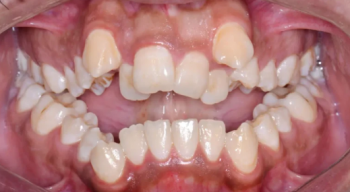
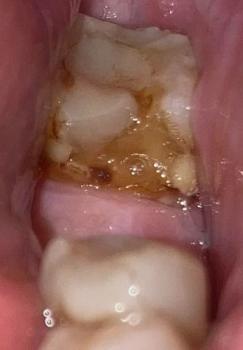
Patients with lower front gum inflammation may also experience tartar buildup, periodontal disease, gum abscesses, or tooth decay. Explore these related clinical case studies.

Other topics:
Other Dental Clinic
 |
 |
 |
 |