Transforming Smiles, Restoring Confidence.

Dental Loans for Implants USA (2026 Expert Guide)
Language :
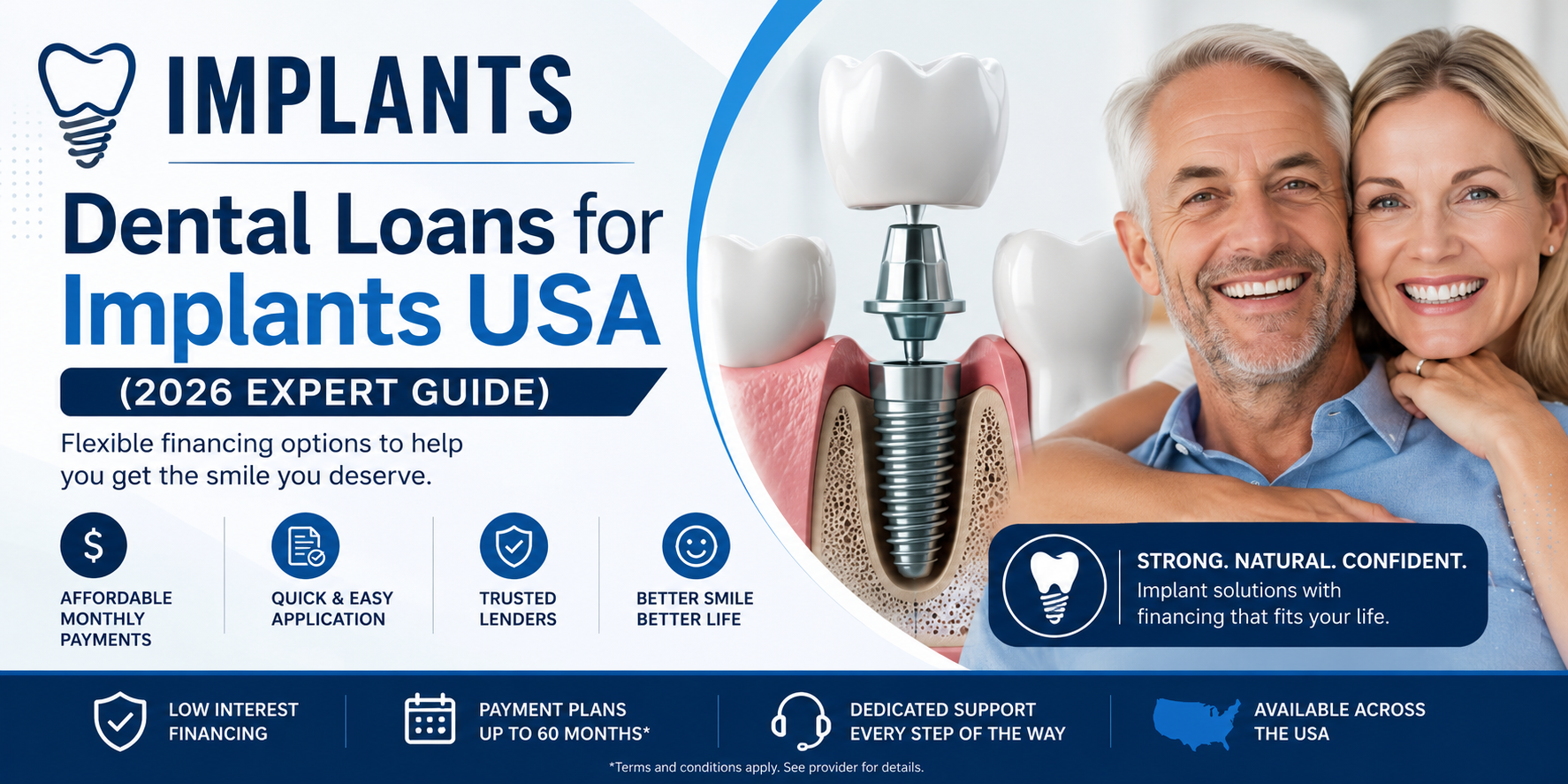
Dental implants have become one of the most advanced and reliable solutions for replacing missing teeth in the United States. Millions of Americans now choose implants because they offer better comfort, stronger chewing ability, improved appearance, and long-term oral health benefits compared to traditional dentures or bridges.
However, one major challenge prevents many patients from moving forward with treatment:
“How can I afford dental implants the cost is high if luck of income?”
The cost of implant dentistry in the USA can be significant compare to Philippine cost . A single implant may cost several thousand dollars, while full mouth implant reconstruction can exceed tens of thousands of dollars depending on complexity, materials, and location.
Because of these costs, dental loans have become one of the most common ways Americans finance implant treatment.
Today, patients have access to:
- Medical financing companies
- Personal loans
- In-house dental payment plans
- Healthcare credit systems
- Flexible monthly financing options
This complete beginner-friendly guide explains:
- How dental loans work
- Best financing strategies
- Loan approval factors
- Monthly payment expectations
- Credit score considerations
- Practical financial advice
- Common financing mistakes to avoid
Whether you are considering a single implant or full mouth restoration, understanding dental loan options can help you make a smarter financial decision.
What Are Dental Implants?
Dental implants are artificial tooth roots usually made from titanium. They are surgically placed into the jawbone to support replacement teeth.
Implants may support:
- Single crowns
- Bridges
- Implant dentures
- Full mouth restorations
- All-on-4 systems
Unlike removable dentures, implants are designed to feel stable and natural.
Why Dental Implants Are Expensive in the USA
Before discussing loans, patients should understand why implant treatment costs so much.
Dental implants involve advanced procedures including:
- Surgical planning
- CBCT scans
- Implant surgery
- Bone grafting
- Temporary restorations
- Final crowns or bridges
- Dental laboratory fabrication
- Follow-up care
Highly trained professionals are often involved, including:
- Oral surgeons
- Periodontists
- Prosthodontists
- Implant dentists
Modern implant dentistry also uses advanced technology such as:
- 3D imaging
- Guided surgery
- Digital smile design
- CAD/CAM systems
All these factors contribute to higher treatment costs.
Average Dental Implant Costs in the USA
Single Tooth Implant
Most patients pay:
- $3,000–$6,000
This may include:
- Implant
- Abutment
- Crown
Multiple Dental Implants
Patients replacing several teeth may spend:
- $10,000–$30,000+
depending on complexity.
Full Mouth Dental Implants
Full arch implant systems such as All-on-4 often cost:
- $20,000–$40,000 per arch
- $40,000–$80,000+ full mouth
What Are Dental Loans? Will this help me finance my teeth
Dental loans are financing options that allow patients to borrow money for dental treatment and repay it over time.
Instead of paying the full cost upfront, patients make:
- Monthly payments
- Scheduled installments
- Interest-based repayments
Dental loans can make implant treatment more accessible for patients who cannot pay large sums immediately.
Main Types of Dental Loans in the USA
Several financing methods are commonly used.
Personal Loans for Dental Implants
What Is a Personal Loan?
A personal loan is borrowed money provided by:
- Banks
- Credit unions
- Online lenders
- Financial institutions
Patients receive a lump sum and repay it monthly.
Advantages of Personal Loans
Benefits include:
- Fixed monthly payments
- Predictable repayment schedules
- Flexible loan amounts
- Fast approval in some cases
Disadvantages of Personal Loans
Possible drawbacks:
- Interest charges
- Credit checks
- Loan fees
- Higher rates for poor credit
Healthcare Financing Companies
Specialized Medical Financing
Some companies specialize in healthcare financing.
These services are commonly used for:
- Dental implants
- Cosmetic dentistry
- Orthodontics
- Oral surgery
CareCredit and Similar Programs
CareCredit is one of the best-known financing providers in American dentistry.
Patients may use CareCredit for:
- Implant surgery
- Crown placement
- Dentures
- Extractions
- Full mouth reconstruction
Promotional Financing Plans
Some financing programs offer:
- Deferred interest promotions
- Short-term low-interest plans
- Extended payment schedules
However, patients must carefully understand repayment terms.
Deferred Interest Warning
Deferred interest can become expensive if the balance is not paid within the promotional period.
Patients should always review:
- Interest rates
- Late fees
- Payment deadlines
before signing financing agreements.
In-House Dental Financing
Dental Office Payment Plans
Some implant clinics offer direct financing through their office.
Instead of outside lenders, the clinic creates:
- Installment plans
- Monthly payment structures
- Customized repayment agreements
Benefits of In-House Financing
Advantages may include:
- Easier approval
- Flexible down payments
- Faster treatment access
Possible Downsides
Some offices may:
- Require large deposits
- Offer shorter repayment periods
- Charge higher interest
Always ask for written terms.
Credit Cards for Dental Implants
Using Standard Credit Cards
Some patients use:
- Low-interest credit cards
- Promotional APR cards
- Reward cards
for implant treatment.
Advantages of Credit Cards
Potential benefits:
- Reward points
- Airline miles
- Cashback
- Fast payment approval
Risks of Credit Card Financing
High-interest rates can become dangerous if balances are not managed carefully.
Large implant expenses can create long-term debt if monthly payments are missed.
Health Savings Accounts (HSA) and Flexible Spending Accounts (FSA)
Tax-Advantaged Healthcare Funds
Many Americans use:
- HSA accounts
- FSA accounts
to reduce implant treatment costs.
These accounts allow patients to use pre-tax dollars for eligible healthcare expenses.
Advantages of HSA and FSA
Benefits include:
- Tax savings
- Reduced taxable income
- Healthcare budgeting flexibility
Comparing Dental Loan Options
Financing Comparison Table
| Financing Type | Advantages | Disadvantages |
|---|---|---|
| Personal loan | Fixed payments | Credit approval required |
| CareCredit | Healthcare-specific | Deferred interest risk |
| In-house financing | Flexible options | Limited repayment terms |
| Credit card | Rewards possible | High interest risk |
| HSA/FSA | Tax advantages | Contribution limits |
How Credit Scores Affect Dental Loan Approval
Why Credit Matters
Lenders evaluate:
- Credit score
- Payment history
- Income
- Existing debt
Better credit usually leads to:
- Lower interest rates
- Higher approval odds
- Larger loan amounts
Good Credit vs Poor Credit
Patients with higher scores often receive:
- Better financing offers
- Lower monthly payments
- Longer repayment options
Lower credit scores may result in:
- Higher interest rates
- Reduced approval chances
- Larger down payment requirements
Can You Get Implant Financing With Bad Credit?
Financing Challenges
Bad credit can make approval harder, but some options still exist.
Possible Solutions
Patients with weaker credit may qualify through:
- Co-signers
- In-house financing
- Secured loans
- Specialized medical lenders
Why Dental Implants Are Often Worth Financing
Long-Term Oral Health Benefits
Dental implants may help:
- Preserve jawbone
- Improve chewing
- Protect surrounding teeth
- Improve confidence
Quality of Life Improvements
Many patients report:
- Better speech
- Improved self-esteem
- Greater comfort
- More natural eating ability
For some people, implants become life-changing.
Monthly Payment Examples
Estimated Implant Financing Payments
Examples vary based on:
- Loan amount
- Interest rate
- Repayment period
| Loan Amount | Estimated Monthly Payment |
|---|---|
| $5,000 | $100–$200 |
| $15,000 | $300–$500 |
| $30,000 | $600–$1,000 |
| $50,000 | $1,000–$1,700 |
These are only general estimates.
Understanding Interest Rates
Fixed vs Variable Interest
Fixed Interest
The rate stays the same throughout repayment.
Advantages:
- Predictable payments
- Easier budgeting
Variable Interest
Rates may change over time.
Advantages:
- Sometimes lower starting rates
Risks:
- Monthly payments may increase later
Hidden Costs Patients Should Watch For
Always clarify whether financing includes:
- Implant surgery
- Bone grafting
- Temporary teeth
- Sedation
- Final crown
- Follow-up visits
Low advertised pricing may exclude important procedures.
Insurance and Dental Implants
Does Dental Insurance Help?
Most US dental insurance plans provide limited implant coverage.
Some plans partially cover:
- Extractions
- Imaging
- Portions of implant treatment
However, annual maximums are usually limited.
Medical Insurance Possibilities
Certain medically necessary cases may qualify for partial medical insurance support.
Examples may include:
- Trauma reconstruction
- Jaw surgery
- Severe disease
Coverage varies widely.
Practical Tips Before Applying for a Dental Loan
Compare Multiple Financing Providers
Interest rates and repayment terms vary greatly.
Patients should compare:
- Monthly payments
- Loan duration
- Total repayment cost
- Fees
Check Your Credit Score First
Reviewing your credit beforehand helps avoid surprises.
Avoid Overborrowing
Borrow only what is realistically manageable.
Implant treatment should improve quality of life — not create overwhelming financial stress.
Ask About Prepayment Penalties
Some loans charge fees for early repayment.
Others allow:
- Faster payoff
- Reduced interest costs
without penalties.
The Importance of Choosing the Right Implant Dentist
Financing matters, but treatment quality matters even more.
Experience Matters
Patients should research:
- Implant training
- Before-and-after cases
- Reviews
- Clinical experience
Cheap Implants Can Become Expensive Later
Low-cost treatment may sometimes lead to:
- Implant failure
- Poor fit
- Bone loss
- Additional surgeries
Choosing based only on price can become more expensive long-term.
Zirconia vs Acrylic Implant Teeth
Acrylic Teeth
Advantages:
- Lower cost
- Easier repairs
Disadvantages:
- Faster wear
- Less durability
Zirconia Teeth
Advantages:
- Stronger material
- Better esthetics
- Longer lifespan
Disadvantages:
- Higher upfront cost
Full Mouth Implant Financing
All-on-4 Financing
Many patients finance:
- All-on-4 implants
- All-on-6 implants
- Full arch zirconia bridges
because of higher treatment costs.
Long-Term Value of Full Mouth Implants
Although expensive initially, full mouth implants may reduce:
- Denture replacements
- Adhesive products
- Frequent repairs
over time.
Common Mistakes Patients Make
Focusing Only on Monthly Payment
Lower payments often mean:
- Longer repayment periods
- More total interest
Always calculate total repayment cost.
Ignoring Loan Terms
Patients should understand:
- Interest rates
- Penalties
- Promotional deadlines
- Total financing charges
Choosing Providers Based Only on Advertising
Aggressive implant advertisements sometimes emphasize:
- Low pricing
- Fast treatment
- Unrealistic promises
Patients should prioritize experience and transparency.
How Technology Is Changing Implant Financing
The future of healthcare financing may include:
- AI credit evaluation
- Faster approvals
- Personalized payment systems
- Digital lending platforms
As implant demand grows, financing options will likely continue expanding.
Recovery and Long-Term Maintenance
Implant Healing
Most implants require:
- 3–6 months healing time
before final restorations are placed.
Daily Maintenance
Implants still require:
- Brushing
- Flossing
- Professional cleanings
- Routine dental visits
Proper maintenance protects long-term investment.
Questions to Ask Before Financing Dental Implants
Important Questions
- What is included in the quoted price?
- Is the final crown or bridge zirconia?
- Are bone grafts included?
- What financing companies are accepted?
- Is there a warranty?
- Are maintenance visits included?
- What happens if complications occur?
Frequently Asked Questions (FAQs)
Can I finance dental implants in the USA?
Yes. Many clinics and lenders offer implant financing options through loans or payment plans.
What credit score is needed for dental loans?
Requirements vary by lender. Higher scores generally improve approval chances and lower interest rates.
Are dental loans worth it?
For many patients, financing makes implants more accessible while improving long-term oral function and confidence.
Does insurance fully cover dental implants?
Most dental insurance plans provide only partial implant coverage.
Can retirees qualify for dental implant loans?
Yes. Many retirees use financing, savings, HSA accounts, or payment plans for treatment.
Is CareCredit good for implants?
Many US dental offices accept CareCredit for implant treatment, but patients should carefully review financing terms.
Conclusion: Understanding Dental Loans for Implants in the USA
Dental implants have transformed modern dentistry by giving patients a durable and natural-looking solution for missing teeth. Across the United States, more Americans are investing in implant treatment because of the long-term improvements in comfort, chewing ability, confidence, and oral health.
However, the cost of implants remains one of the biggest barriers for many patients.
Fortunately, modern financing options now make implant treatment more accessible through:
- Personal loans
- Healthcare financing companies
- In-house payment plans
- HSA/FSA accounts
- Monthly installment programs
The best financing choice depends on:
- Budget
- Credit score
- Treatment goals
- Financial stability
Patients should never rush into financing without fully understanding:
- Interest rates
- Repayment terms
- Total costs
- Treatment quality
Most importantly, successful implant treatment depends on more than financing alone.
Long-term success requires:
- Experienced implant professionals
- High-quality materials
- Careful treatment planning
- Ongoing maintenance
When properly planned, dental implants can become one of the most valuable long-term investments in both oral health and overall quality of life.
Can tooth extraction cause infection? Mild inflammation is normal, but increasing swelling, fever, or severe pain may indicate infection. Learn more about post-extraction infection warning signs in this detailed guide.
Book a consultation with our Cebu dental specialists for proper evaluation and care.
Ready to get expert guidance?
If you’re experiencing severe pain or delayed healing, book a consultation with our Cebu dental specialists to get proper evaluation and care.
Consultation or contact page .
Book a Consultation
For severe discomfort or delayed healing, book a consultation with our Cebu dental specialists today.
Looking for a dentist? Browse our Cebu dental directory to find trusted clinics near you.
Medical Review and Clinical Basis
This article is based on clinical dental guidelines and real patient recovery patterns observed after tooth extraction procedures. The information reflects common post-extraction healing stages, including normal clot formation, gum tissue repair, and signs of possible complications such as dry socket or infection.
While mild discomfort is expected after a dental extraction, worsening pain after Day 3, bad odor, exposed bone, or spreading pain may require professional evaluation. These symptoms are consistent with known post-extraction complications described in standard dental practice.
About Cebu Dental Implants
Cebu Dental Implants provides comprehensive tooth extraction, surgical procedures, and dental implant services in the Philippines. Our team evaluates post-extraction healing, manages complications such as dry socket, and advises patients on proper aftercare to prevent infection and delayed healing.
If you experience severe pain or unusual symptoms after extraction, early professional assessment is recommended to prevent further complications.
Important Medical Disclaimer
This content is for educational purposes only and does not replace professional dental diagnosis. Every patient heals differently. If symptoms worsen or do not improve within a few days, consult a licensed dentist for proper evaluation and treatment.
Author
This article was prepared by the Cebu Dental Implants content team in consultation with licensed dental professionals experienced in tooth extraction and implant procedures.
Related Clinical Cases
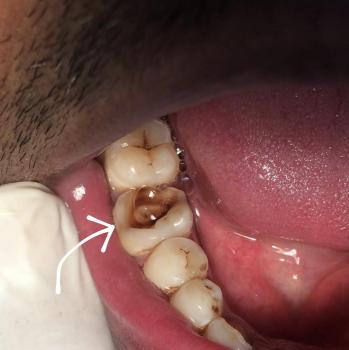
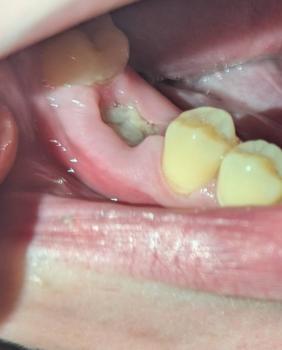
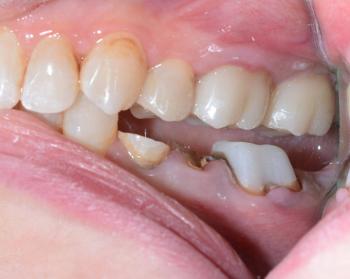
Patients with lower front gum inflammation may also experience tartar buildup, periodontal disease, gum abscesses, or tooth decay. Explore these related clinical case studies.

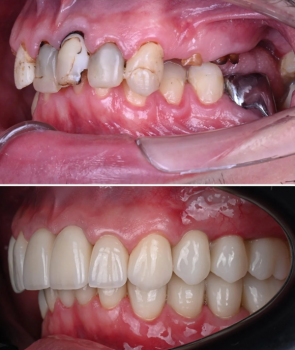
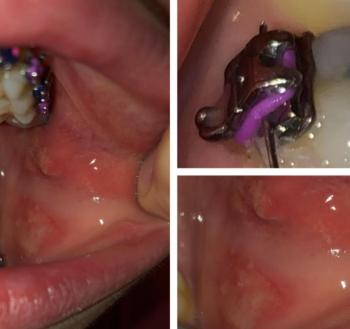
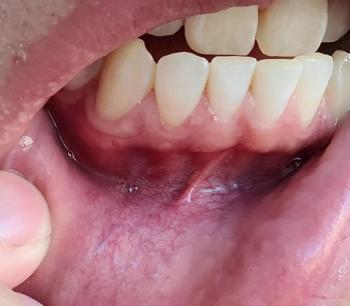
Other topics:
Other Dental Clinic