Modern Dentistry, Timeless Smiles.

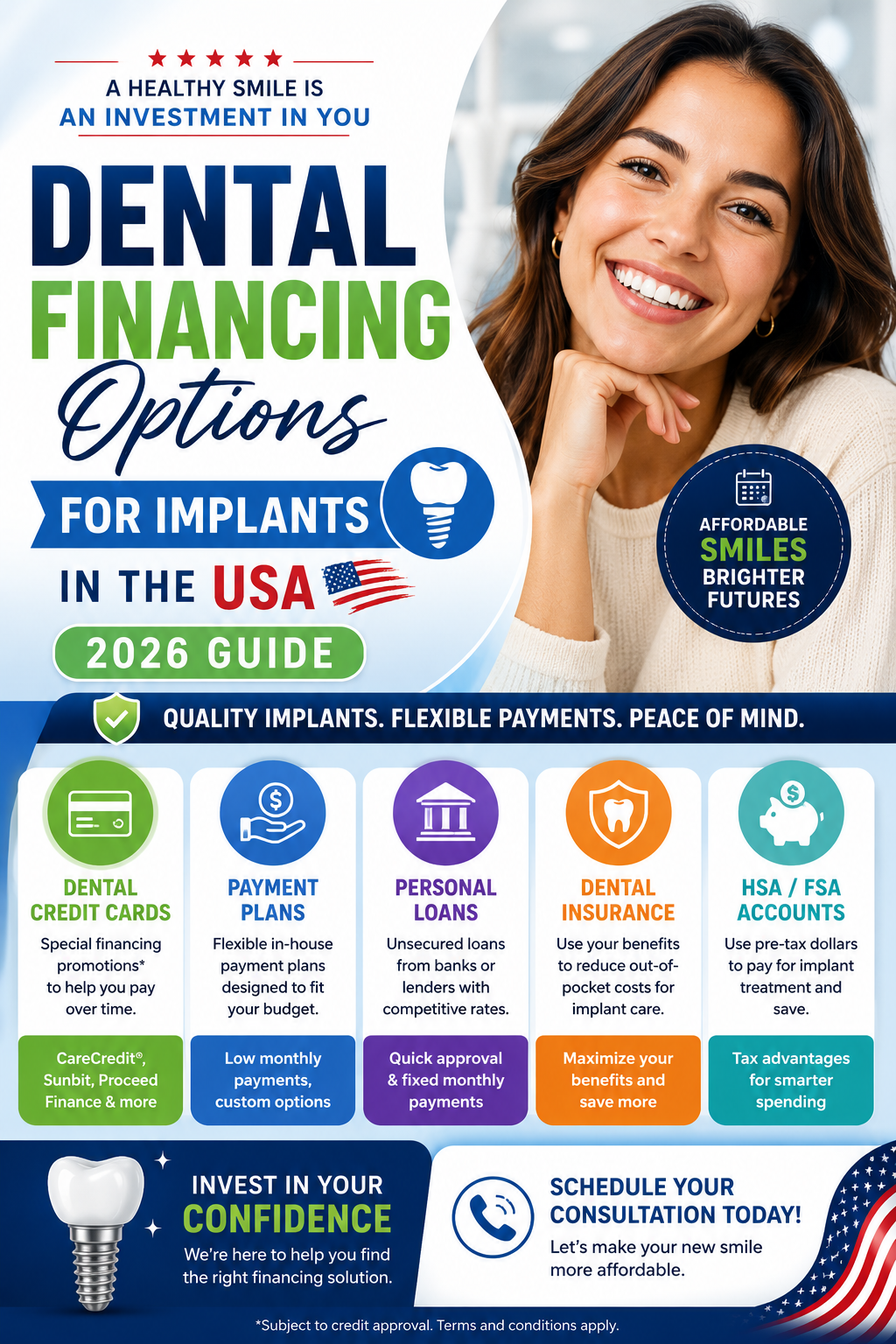
Dental Financing Options for Implants in the USA (2026 Guide)
Language :
Why Financing Has Become Essential for Dental Implants
Dental implants are one of the best long-term solutions for replacing missing teeth. They restore chewing ability, preserve jawbone structure, improve speech, and help patients regain confidence in their smile.
But for many Americans educated with extra income buy insurance, one major challenge remains:
Cost.
As a dental implant provider in the United States, I regularly meet patients who genuinely need implant treatment but delay care because they worry about affordability. What if I am part of the 5% mistake process?
In today’s dental landscape, implant treatment in the USA may range from:
- $3,000–$6,500 for a single implant
- $10,000–$25,000 for multiple implants
- $25,000–$60,000+ for full-mouth reconstruction
Even patients with dental insurance often discover that implant coverage only pays part of the total cost.
This is why financing has become one of the most important tools in modern implant dentistry.
The good news is that patients today have more financing choices than ever before.
This guide explains:
- The most common dental implant financing options in America
- Monthly payment solutions
- Credit-based financing
- In-house payment plans
- HSA and FSA strategies
- Insurance coordination
- Risks patients should avoid
- How to choose financing safely and wisely
Why Dental Implants Cost More Than Other Dental Procedures
Patients often ask why implants are expensive compared to bridges or dentures.
The answer involves several advanced components.
Modern implant treatment may include:
- 3D CBCT imaging
- Surgical planning software
- Titanium implant systems
- Bone grafting materials
- Precision laboratory work
- Digital crown fabrication
- Surgical expertise
- Sterilization and safety systems
A properly placed implant is not simply a “tooth replacement.”
It is a carefully planned medical-dental procedure designed to integrate with living bone and function naturally for many years.
Why Insurance Alone Usually Is Not Enough
Many dental insurance plans now offer partial implant coverage.
However, most policies still include:
- Waiting periods ; This times time verification process
- Annual maximums ; Keep on paying without using at all cause liability .
- Missing tooth clauses ; This is common when accident sudden happened.
- Alternative benefit limitations : Not all are insure limitation are also stop the process when cause is to high. Coverage are not included already.
Typical insurance annual maximums:
- $1,000
- $1,500
- $2,000
- Occasionally higher
Unfortunately, implant treatment often exceeds these limits quickly.
As a result, most patients combine:
- Insurance
- Financing
- Flexible treatment scheduling
to make treatment manageable.
Most Common Dental Financing Options in the USA
1. Healthcare Credit Financing
Healthcare financing companies are among the most popular options for implant patients.
The most recognized provider is:
CareCredit
How CareCredit Works
CareCredit functions similarly to a healthcare credit card.
Patients apply for:
- A credit line
- Promotional financing terms
- Monthly repayment plans
Benefits may include:
- Immediate approval decisions
- Flexible monthly payments
- Deferred interest promotions
- Long repayment terms
Many dental implant offices across the USA accept CareCredit.
Advantages of CareCredit
Fast Access to Treatment
Patients can often begin treatment immediately instead of delaying care for years.
Promotional Financing
Some plans offer:
- 6 months
- 12 months
- 18 months
- or longer interest-deferred periods
Flexible Monthly Budgeting
Patients spread costs into manageable payments.
Risks of CareCredit
Patients must understand:
- Deferred interest rules
- Late payment penalties
- Credit score impact
If promotional balances are not paid within the agreed period, retroactive interest charges may apply.
Always review financing terms carefully.
2. In-House Dental Financing
Many implant practices now provide internal financing options.
These plans may include:
- Monthly installment payments
- Customized treatment scheduling
- Deposit-based systems
- Interest-free short-term plans
Why Patients Prefer In-House Financing
More Personal Flexibility
Private implant offices sometimes tailor payment structures based on:
- Treatment complexity
- Patient budgets
- Surgical phases
Easier Approval
Some offices offer financing options with less strict approval requirements than traditional lenders.
Better Treatment Coordination
The office can schedule treatment phases according to payment progress.
Potential Limitations
Not every practice offers:
- Long repayment periods
- Large financing amounts
Availability depends on office policies.
3. Health Savings Accounts (HSA)
HSAs are one of the smartest financial tools for implant treatment.
These accounts allow patients to:
- Save pre-tax money
- Use funds for qualified medical and dental expenses
Dental implants often qualify as eligible HSA expenses.
What HSAs Can Cover
HSA funds may typically be used for:
- Implant surgery
- Bone grafting
- Implant crowns
- Diagnostic imaging
- Sedation
- Extractions
Advantages of HSAs
Tax Advantages
HSA contributions are usually:
- Tax-deductible
- Tax-free when used properly
Long-Term Savings
Unused HSA balances can continue growing over time.
4. Flexible Spending Accounts (FSA)
FSAs are another employer-sponsored option.
Similar to HSAs, FSAs allow:
- Pre-tax healthcare spending
However, FSAs usually have:
- Annual use-it-or-lose-it rules
Patients planning implant treatment often strategically time procedures around FSA availability.
5. Personal Loans for Dental Implants
Some patients use:
- Bank loans
- Credit union financing
- Online personal loans
These loans typically provide:
- Fixed repayment terms
- Predictable monthly payments
Advantages of Personal Loans
No Dental Office Restrictions
Patients may choose any provider.
Fixed Interest Rates
Many loans offer predictable repayment schedules.
Risks
Interest rates vary greatly depending on:
- Credit history
- Loan terms
- Economic conditions
6. Credit Cards
Some patients use standard credit cards for implant treatment.
This may work best for:
- Smaller procedures
- Short-term financing
- Promotional zero-interest offers
However, traditional credit cards often carry:
- Higher interest rates
- Aggressive penalties
Careful budgeting is important.
7. Phased Implant Treatment
One of the most effective financing strategies is phased treatment planning.
Instead of completing all procedures at once, treatment may occur gradually.
Example:
- Extractions first
- Bone grafting later
- Implant placement after healing
- Crown restoration afterward
This spreads costs over time.
Advantages of Phased Treatment
Easier Budget Management
Patients avoid one large upfront payment. Insurance help them leverage if they know the timing.
Insurance Optimization
Treatment across calendar years may allow:
- Multiple annual maximums
- Better insurance reimbursement
Better Healing Monitoring
Complex cases sometimes benefit medically from staged procedures.
Financing Full-Mouth Dental Implants
Full-mouth implant rehabilitation is one of the largest financial investments in dentistry.
Procedures may include:
- All-on-4 implants
- Full-arch zirconia bridges
- Bone reconstruction
- Sedation surgery
Costs may range from:
- $25,000–$60,000+
Because of this, full-mouth cases commonly involve:
- Combined financing methods
- Insurance assistance
- Long-term treatment staging
Dental Tourism vs USA Financing
Some patients compare:
- U.S. financing
- Overseas dental tourism
Countries frequently marketed for dental tourism include:
- Mexico
- Turkey
- Thailand
- Costa Rica
- Philippines
While international treatment may reduce upfront costs, patients should carefully consider:
- Follow-up care
- Implant warranties
- Sterilization standards
- Implant brands used
- Travel risks
- Revision costs
In many situations, structured financing within the USA may provide safer long-term continuity of care.
Common Financing Mistakes Patients Make
Choosing Based Only on Monthly Payments
Low monthly payments sometimes hide:
- Long repayment periods
- High interest costs
Always calculate total repayment amounts.
Ignoring Implant Quality
The cheapest implant provider may not provide:
- Proper diagnostics
- Experienced surgical care
- Long-term stability
Poor implant placement can create expensive complications later.
Not Understanding Deferred Interest
Deferred financing promotions can become extremely expensive if balances are not paid on time.
Overextending Financially
Patients should choose realistic repayment plans that fit long-term budgets comfortably.
Why Implant Quality Matters More Than Cheap Financing
As an implant provider, I always tell patients:
Financing helps make treatment accessible — but treatment quality matters most.
A properly planned implant can last decades.
A poorly executed implant may result in:
- Bone loss
- Infection
- Gum recession
- Implant failure
- Expensive retreatment
Patients should prioritize:
- Surgeon experience
- Digital planning technology
- Implant system quality
- Sterilization standards
- Long-term maintenance support
The goal is lasting oral health, not simply low monthly payments.
Questions Patients Should Ask Before Financing Implants
Questions for the Dental Office
- Do you offer financing?
- Are payment plans interest-free?
- Can treatment be phased?
- Do you accept HSA/FSA accounts?
- What happens if complications occur?
- Are implant warranties included?
Questions for Financing Providers
- What is the total repayment amount?
- Is interest deferred or fixed?
- Are there late payment penalties?
- Will financing affect my credit score?
- Are early payments allowed without penalties?
Can Seniors Finance Dental Implants?
Absolutely.
Many seniors use:
- Medicare Advantage dental benefits
- Retirement savings
- Financing programs
- HSAs
- Family-assisted payment plans
Because implants improve:
- Nutrition
- Speech
- Denture stability
- Quality of life
many older adults view implants as an important long-term health investment.
The Future of Implant Financing in America
The implant financing industry continues evolving rapidly.
New trends include:
- Subscription dental memberships
- AI-based financing approvals
- Longer-term healthcare lending
- Expanded senior financing programs
- More integrated insurance-financing systems
As implants become increasingly mainstream, financing options will likely continue improving.
Final Thoughts from a U.S. Dental Implant Perspective
Dental implants can dramatically improve quality of life, confidence, and oral function.
For many Americans, financing is what transforms implants from a distant goal into a realistic treatment option.
The smartest implant patients usually:
- Research financing carefully
- Understand repayment terms
- Choose experienced providers
- Combine insurance with financing strategically
- Focus on long-term value instead of short-term discounts
Most importantly, remember this:
Financing should support quality treatment — not push patients toward rushed or low-standard care.
A properly placed implant is an investment in health, comfort, confidence, and daily function for many years ahead.
FAQ – Dental Financing Options for Implants USA
What is the best financing option for dental implants?
Popular options include healthcare financing programs, in-house dental payment plans, HSAs, FSAs, and personal loans. The best choice depends on budget and credit profile.
Can I finance dental implants with bad credit?
Some dental offices offer flexible financing options for patients with lower credit scores, though terms may vary.
Does CareCredit cover dental implants?
Yes. Many implant offices accept CareCredit for implant surgery, crowns, grafting, and related procedures.
Can I use an HSA for implants?
Yes. Dental implants and many related procedures typically qualify for HSA spending.
Is it better to finance implants in the USA or travel abroad?
While dental tourism may reduce upfront costs, many patients prefer U.S.-based financing for better follow-up care, treatment continuity, and long-term support.
Related Topics
- Best Dental Insurance for Implants in the USA
- Full Mouth Dental Implant Cost Breakdown (2026 Guide)
- Dental Insurance Waiting Period for Implants Explained
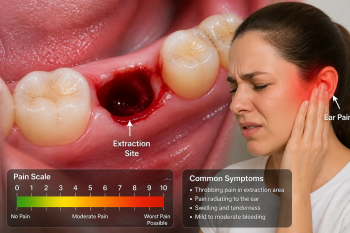
Can tooth extraction cause infection? Mild inflammation is normal, but increasing swelling, fever, or severe pain may indicate infection. Learn more about post-extraction infection warning signs in this detailed guide.
Book a consultation with our Cebu dental specialists for proper evaluation and care.
Ready to get expert guidance?
If you’re experiencing severe pain or delayed healing, book a consultation with our Cebu dental specialists to get proper evaluation and care.
Consultation or contact page .
Book a Consultation
For severe discomfort or delayed healing, book a consultation with our Cebu dental specialists today.
Looking for a dentist? Browse our Cebu dental directory to find trusted clinics near you.
Medical Review and Clinical Basis
This article is based on clinical dental guidelines and real patient recovery patterns observed after tooth extraction procedures. The information reflects common post-extraction healing stages, including normal clot formation, gum tissue repair, and signs of possible complications such as dry socket or infection.
While mild discomfort is expected after a dental extraction, worsening pain after Day 3, bad odor, exposed bone, or spreading pain may require professional evaluation. These symptoms are consistent with known post-extraction complications described in standard dental practice.
About Cebu Dental Implants
Cebu Dental Implants provides comprehensive tooth extraction, surgical procedures, and dental implant services in the Philippines. Our team evaluates post-extraction healing, manages complications such as dry socket, and advises patients on proper aftercare to prevent infection and delayed healing.
If you experience severe pain or unusual symptoms after extraction, early professional assessment is recommended to prevent further complications.
Important Medical Disclaimer
This content is for educational purposes only and does not replace professional dental diagnosis. Every patient heals differently. If symptoms worsen or do not improve within a few days, consult a licensed dentist for proper evaluation and treatment.
Author
This article was prepared by the Cebu Dental Implants content team in consultation with licensed dental professionals experienced in tooth extraction and implant procedures.
Related Clinical Cases
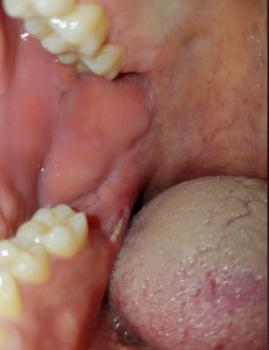
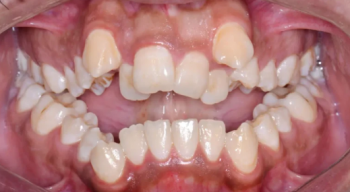
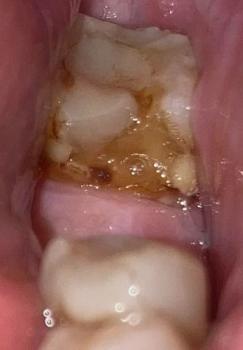
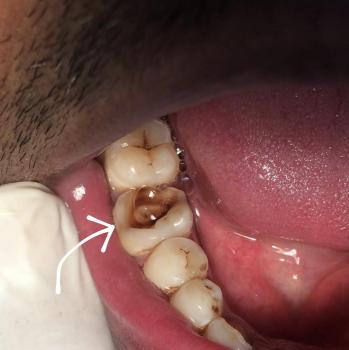
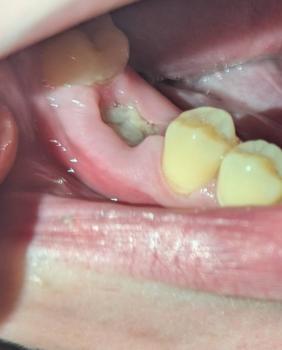
Patients with lower front gum inflammation may also experience tartar buildup, periodontal disease, gum abscesses, or tooth decay. Explore these related clinical case studies.

Other topics:
Other Dental Clinic