Healthy Teeth, Happy Life.

Crumbling Teeth Explained: A New York Dentist's Complete Guide to Causes, Emergency Symptoms, Treatment, and Prevention
Language :
Topics:
When Your Teeth Begin Falling Apart, Don't Ignore the Warning
One of the most alarming statements I hear from patients in my New York dental practice is:
"Doctor, my teeth are literally crumbling apart."
Many people believe teeth are among the strongest structures in the human body—and they are. Enamel is even harder than bone. So when teeth begin breaking apart during normal eating, brushing, or even while sleeping, it is almost never "just getting older."
Crumbling teeth are usually the final stage of a disease process that has been silently progressing for months or even years. By the time pieces of a tooth begin falling away, the enamel has often been weakened by advanced tooth decay, acid erosion, repeated dental trauma, grinding (bruxism), old failing fillings, or underlying medical conditions.
The good news is that many crumbling teeth can still be saved with modern dentistry—provided treatment begins before infection destroys the remaining healthy tooth structure.
However, there is an important distinction every patient must understand:
A crumbling tooth is not always a dental emergency. But if the damage leads to a spreading infection, it can quickly become a life-threatening medical emergency.
Understanding the difference could save not only your smile—but potentially your life.
When Crumbling Teeth Become a True Dental Emergency
Most broken or decaying teeth can safely wait for a prompt dental appointment within a day or two.
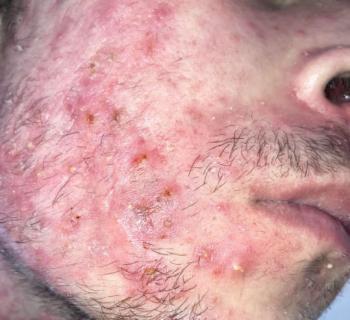
But once bacteria escape beyond the tooth and invade the surrounding facial tissues, a dangerous condition called dental-origin facial cellulitis may develop.
Unlike a cavity that remains inside a tooth, cellulitis spreads through the soft tissues of the face, jaw, and neck. Without immediate treatment, the infection may continue into deeper spaces surrounding the airway, bloodstream, or brain.
This progression can occur surprisingly quickly in some patients.
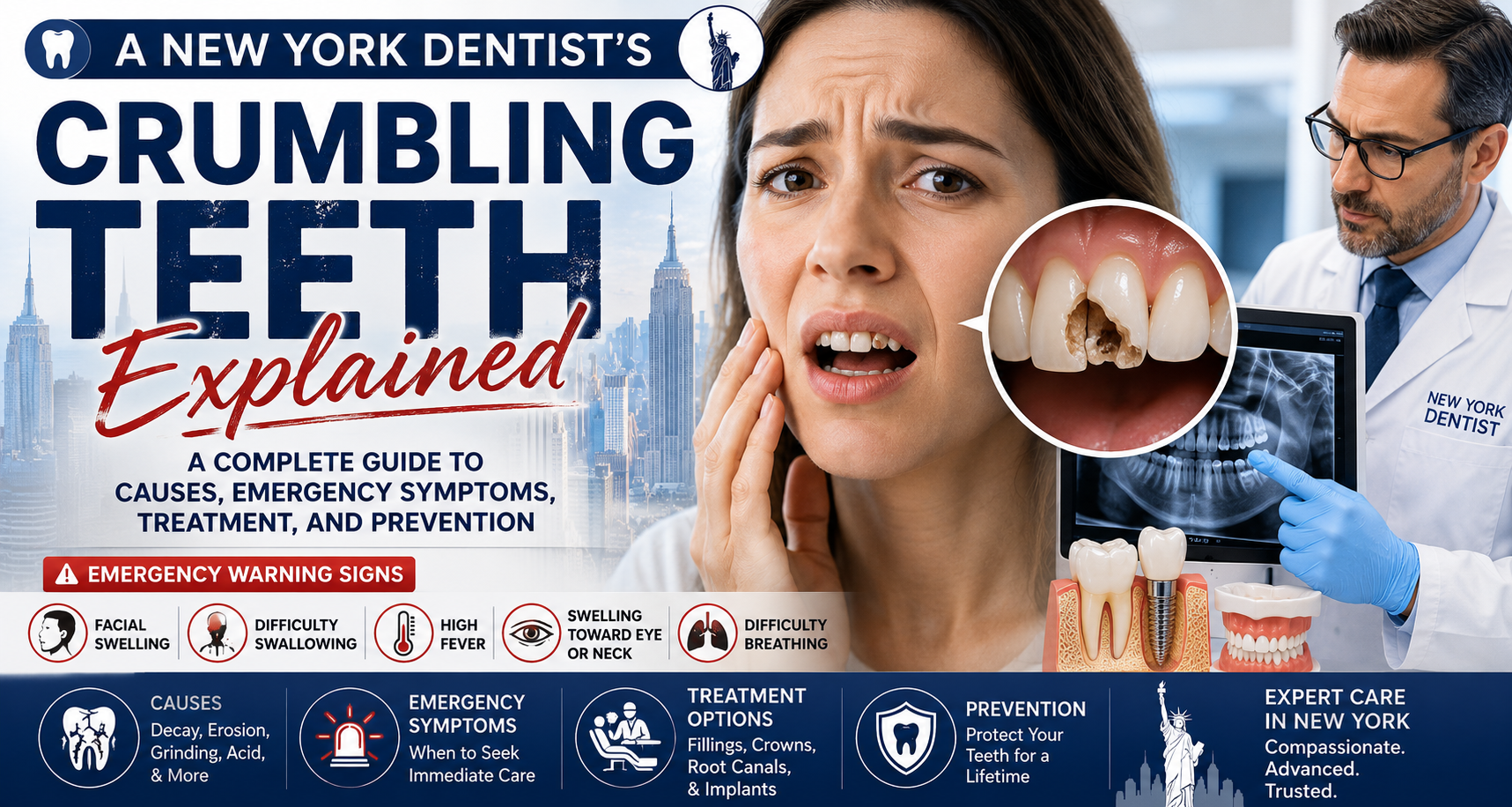
Seek Emergency Care Immediately If You Experience:
- Difficulty breathing
- Tightness in your throat
- Difficulty swallowing
- Excessive drooling
- Rapidly increasing facial swelling
- Swelling spreading toward your eye
- Swelling extending into your neck
- Swelling moving downward toward your chest
- High fever
- Chills
- Extreme fatigue
- Confusion
- Disorientation
- Severe headache
- Stiff neck
These symptoms require immediate evaluation in an emergency department or emergency dental facility.
Do not attempt to manage these symptoms at home.
What Causes Teeth to Crumble?
Many patients assume that crumbling teeth happen suddenly.
In reality, the process usually develops over years.
1. Advanced Tooth Decay
This is by far the most common cause.
Cavities begin as small areas where bacteria dissolve enamel.
Without treatment:
- Enamel weakens
- Dentin softens
- The tooth loses structural support
- Large sections begin breaking apart
Sometimes patients are surprised because they never experienced pain.
Unfortunately, decay can destroy most of the tooth before symptoms appear.
2. Acid Erosion
Unlike cavities caused by bacteria, acid erosion dissolves enamel directly.
Common sources include:
- Soft drinks
- Energy drinks
- Sports drinks
- Citrus beverages
- Gastric acid from acid reflux
- Frequent vomiting associated with eating disorders
As enamel becomes thinner, teeth become brittle and fragile.
3. Teeth Grinding (Bruxism)
Millions of adults grind their teeth while sleeping.
Over years, this constant pressure causes microscopic cracks.
Eventually:
- Corners chip
- Cusps fracture
- Entire sections collapse
Many patients have no idea they grind until the damage becomes severe.
4. Old Dental Fillings
Large fillings weaken remaining tooth structure.
After years of chewing:
- Fillings leak
- Bacteria enter
- Decay develops underneath
- The surrounding tooth fractures
5. Dry Mouth
Saliva protects teeth by:
- Neutralizing acids
- Washing away bacteria
- Replacing lost minerals
Without enough saliva, cavities develop much faster.
Common causes include:
- Medications
- Diabetes
- Radiation therapy
- Autoimmune disorders
- Aging
6. Nutritional Deficiencies
Poor nutrition affects the body's ability to maintain healthy enamel.
Low levels of:
- Calcium
- Vitamin D
- Phosphorus
may contribute to weakened tooth structure over time.
7. Trauma
Even an old sports injury may leave hidden cracks.
Years later, those weakened teeth may suddenly crumble while eating something relatively soft.
Early Warning Signs Before Teeth Crumble
Patients often tell me they had warning signs they ignored.
Watch for:
- Increased tooth sensitivity
- Small chips
- Rough edges
- Dark discoloration
- Food getting trapped
- Pain while chewing
- Loose fillings
- Tiny cracks
- Persistent bad breath
- Swollen gums
These symptoms often indicate the tooth can still be saved.
What Should You Do If Your Tooth Starts Crumbling?
Stay calm.
Follow these steps.
Step 1: Save Any Broken Pieces
Bring fragments to your dental appointment.
Occasionally they help determine the best restoration.
Step 2: Rinse Your Mouth
Use warm salt water.
This helps reduce bacteria and removes debris.
Step 3: Avoid Chewing on That Side
Continue chewing with the opposite side to prevent additional fractures.
Step 4: Keep the Area Clean
Brush gently around the damaged tooth.
Food trapped inside increases bacterial growth.
Step 5: Call Your Dentist Immediately
Even if there is little or no pain.
Pain does not accurately reflect the severity of dental disease.
Managing Discomfort While Waiting
If you have swelling or soreness before your appointment:
Apply a cold compress wrapped in a cloth to the outside of your cheek.
Use it for:
- 10–20 minutes
- Remove
- Repeat as necessary
Cold helps reduce inflammation and discomfort.
Important: Never Apply Heat
Many people mistakenly place a warm towel over facial swelling.
This is dangerous.
Heat increases blood flow and may accelerate the spread of an active infection.
If infection is present:
Cold is safer. Heat should be avoided until your dentist advises otherwise.
How Dentists Diagnose Crumbling Teeth
Your examination typically includes:
Visual Examination
The dentist evaluates:
- Missing enamel
- Cracks
- Existing restorations
- Gum condition
Digital X-Rays
These reveal:
- Hidden decay
- Bone infection
- Root fractures
- Abscesses
Bite Evaluation
High biting forces may be causing repeated fractures.
Pulp Vitality Testing
Determines whether the nerve remains healthy or has died.
Treatment Depends on the Amount of Remaining Tooth
No two crumbling teeth require identical treatment.
Small Areas of Decay
Treatment:
- Composite filling
Ideal when sufficient healthy enamel remains.
Moderate Structural Damage
Treatment:
- Dental crown
Crowns completely surround weakened teeth, restoring strength.
Nerve Infection
Treatment:
- Root canal therapy
- Followed by a crown
This removes infected tissue while preserving the tooth.
Extensive Destruction
If insufficient healthy structure remains:
Extraction may be necessary.
Replacement options include:
- Dental implants
- Bridges
- Partial dentures
Can Crumbling Teeth Be Saved?
Often, yes.
Success depends on:
- Remaining healthy tooth structure
- Presence of infection
- Gum health
- Bone support
- Speed of treatment
Many teeth that appear hopeless can still be restored.
However, delaying treatment greatly reduces those chances.
What Happens If You Ignore Crumbling Teeth?
Unfortunately, dental disease does not stop on its own.
Without treatment:
- Cavities enlarge
- Cracks spread
- Teeth fracture completely
- Nerves die
- Abscesses form
- Infection spreads
- Teeth become non-restorable
Eventually, multiple teeth may require extraction.
Ignoring one damaged tooth often leads to significantly higher treatment costs later.
Can Crumbling Teeth Affect Overall Health?
Yes.
Research increasingly shows associations between chronic oral infections and systemic health.
Untreated dental infections may contribute to increased inflammation throughout the body and may complicate management of certain medical conditions, particularly in individuals with diabetes or weakened immune systems.
While oral disease does not directly cause every systemic illness, maintaining good oral health is an important part of overall wellness.
How to Prevent Teeth From Crumbling
Daily habits make an enormous difference.
Brush Twice Daily
Use fluoride toothpaste.
Brush gently for two minutes.
Clean Between Teeth
Floss or use interdental brushes daily.
Limit Sugary Foods
Bacteria thrive on sugar.
Reducing sugar intake lowers cavity risk.
Reduce Acidic Drinks
Avoid sipping soda or sports drinks throughout the day.
Drink water afterward if you consume acidic beverages.
Wear a Night Guard
If you grind your teeth, a professionally fitted night guard helps protect enamel from excessive forces.
Visit Your Dentist Regularly
Routine examinations detect problems before teeth begin breaking apart.
Early intervention is almost always simpler, less invasive, and more affordable.
Frequently Asked Questions
Can a crumbling tooth heal itself?
No. Tooth enamel cannot regenerate. Professional dental treatment is necessary to repair the damage and address the underlying cause.
Why doesn't my crumbling tooth hurt?
The nerve may not yet be affected, or it may already have died. Lack of pain does not mean the problem is minor.
Should I pull a loose piece off?
No. Removing fragments yourself may expose the nerve or worsen the fracture. Let your dentist evaluate the tooth.
Can antibiotics fix a crumbling tooth?
No. Antibiotics may help control certain bacterial infections temporarily, but they do not remove decay or repair damaged tooth structure. Definitive dental treatment is still required.
Is extraction always necessary?
No. Many damaged teeth can be restored with fillings, crowns, or root canal therapy, depending on the extent of the damage.
Final Thoughts from a New York Dentist
As a dentist practicing in New York, I've treated countless patients who delayed care because their tooth "wasn't hurting yet." Unfortunately, by the time a tooth begins to crumble, the underlying damage is often advanced.
The encouraging news is that modern dentistry offers excellent solutions—from conservative fillings to crowns, root canal therapy, and dental implants—that can restore both function and appearance. The key is acting before the damage progresses beyond repair.
Most importantly, never ignore the warning signs of a spreading dental infection. If you develop facial swelling with difficulty breathing, difficulty swallowing, rapidly expanding swelling, high fever, chills, confusion, severe headache, or a stiff neck, seek emergency medical care immediately. Those symptoms may indicate a serious infection that requires urgent treatment.
For everyone else, don't wait for pain to become unbearable. Schedule a dental examination as soon as you notice a tooth chipping, cracking, or crumbling. Early diagnosis not only improves the chances of saving your natural tooth but can also reduce treatment complexity, cost, and the risk of future complications.
Your teeth are designed to last a lifetime—with timely professional care, many crumbling teeth still can.
Can tooth extraction cause infection? Mild inflammation is normal, but increasing swelling, fever, or severe pain may indicate infection. Learn more about post-extraction infection warning signs in this detailed guide.
Book a consultation with our Cebu dental specialists for proper evaluation and care.
Ready to get expert guidance?
If you’re experiencing severe pain or delayed healing, book a consultation with our Cebu dental specialists to get proper evaluation and care.
Consultation or contact page .
Book a Consultation
For severe discomfort or delayed healing, book a consultation with our Cebu dental specialists today.
Looking for a dentist? Browse our Cebu dental directory to find trusted clinics near you.
Medical Review and Clinical Basis
This article is based on clinical dental guidelines and real patient recovery patterns observed after tooth extraction procedures. The information reflects common post-extraction healing stages, including normal clot formation, gum tissue repair, and signs of possible complications such as dry socket or infection.
While mild discomfort is expected after a dental extraction, worsening pain after Day 3, bad odor, exposed bone, or spreading pain may require professional evaluation. These symptoms are consistent with known post-extraction complications described in standard dental practice.
About Cebu Dental Implants
Cebu Dental Implants provides comprehensive tooth extraction, surgical procedures, and dental implant services in the Philippines. Our team evaluates post-extraction healing, manages complications such as dry socket, and advises patients on proper aftercare to prevent infection and delayed healing.
If you experience severe pain or unusual symptoms after extraction, early professional assessment is recommended to prevent further complications.
Important Medical Disclaimer
This content is for educational purposes only and does not replace professional dental diagnosis. Every patient heals differently. If symptoms worsen or do not improve within a few days, consult a licensed dentist for proper evaluation and treatment.
Author
This article was prepared by the Cebu Dental Implants content team in consultation with licensed dental professionals experienced in tooth extraction and implant procedures.
Related Clinical Cases
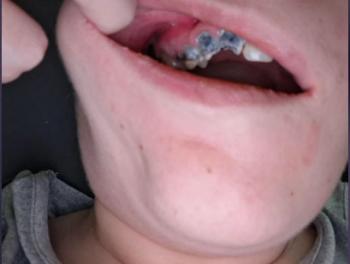
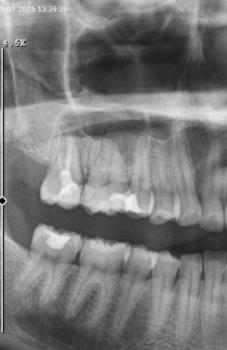
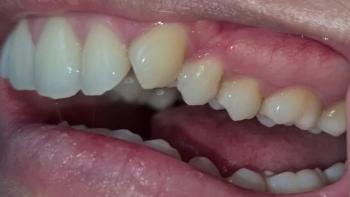
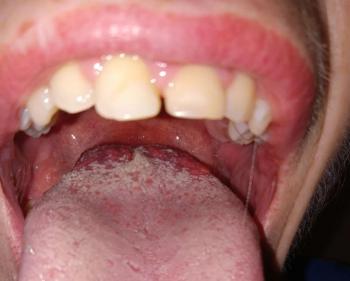
Patients with lower front gum inflammation may also experience tartar buildup, periodontal disease, gum abscesses, or tooth decay. Explore these related clinical case studies.



Other topics:
Other Dental Clinic