Building Confidence One Smile at a Time.

Prevention Topics (Good for Authority Building): Protecting Your Oral Health Before Problems Start
Language :
Topics:
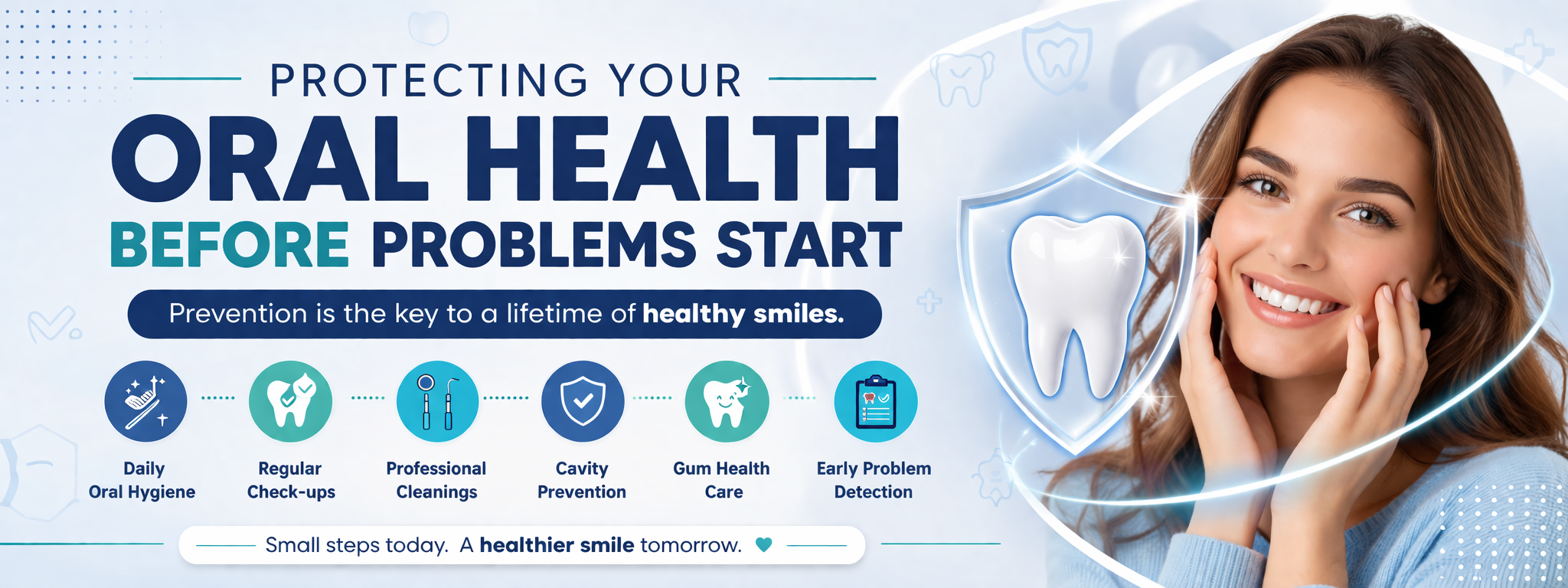
Prevention is the foundation of long-term oral health. Instead of waiting for pain or infection, focusing on preventive dental care helps patients avoid costly treatments like extractions, root canals, or implants. This approach not only protects your teeth but also builds strong authority and trust for any dental website or clinic.
Dental experts consistently emphasize that early care is easier, cheaper, and more effective than treatment after damage occurs.
Why Prevention Matters in Dentistry
Preventive care reduces the risk of common dental problems such as cavities, gum disease, and tooth loss. According to dental professionals, most serious oral conditions develop slowly and can be stopped early.
Expert insight:
Dentists often highlight that patients who follow preventive routines rarely need major procedures. Prevention is not just about brushing—it’s about consistent habits and early intervention.
Key benefits:
- Lower dental costs over time
- Reduced risk of tooth loss
- Better overall health (linked to heart and systemic health)
- Less pain and emergency visits
Core Prevention Strategies Recommended by Experts
Dental professionals agree on a few essential habits that provide the highest level of protection.
1. Daily Oral Hygiene
Brushing twice a day and flossing daily remain the most effective defense against plaque buildup.
Expert tip:
Use fluoride toothpaste and brush for at least 2 minutes. Flossing removes bacteria between teeth where brushing cannot reach.
2. Regular Dental Checkups
Routine dental visits every 6 months help detect problems early.
Expert insight:
Many conditions like cavities or gum disease show no pain in early stages. Dentists can identify and treat these before they worsen.
3. Diet and Nutrition Control
What you eat directly affects your oral health.
Avoid:
- Sugary snacks and drinks
- Frequent snacking
Choose:
- Calcium-rich foods
- Water instead of sugary beverages
Expert advice:
Limiting sugar frequency is more important than total sugar intake.
4. Avoid Harmful Habits
Certain habits increase the risk of complications after dental procedures and in daily oral health.
- Smoking delays healing and increases risk of Dry Socket
- Teeth grinding damages enamel
- Poor oral hygiene leads to Gum Disease
Experts strongly recommend lifestyle changes as part of preventive care.
5. Early Treatment and Monitoring
Ignoring small issues can lead to bigger problems.
Expert insight:
A minor cavity today can become a root canal tomorrow. Early treatment prevents pain, infection, and higher costs.
Prevention After Tooth Extraction
Preventive care is especially important after procedures.
To avoid complications:
- Protect the blood clot
- Follow aftercare instructions
- Avoid smoking and straws
- Maintain gentle oral hygiene
These steps reduce the risk of Dry Socket and infection.
Building Authority Through Prevention Content
For dental websites or clinics, prevention topics build trust and long-term traffic.
Why it works:
- Patients search for solutions before problems worsen
- Educational content positions you as an expert
- Preventive topics have high search volume and evergreen value
Examples of strong prevention topics:
- How to avoid dry socket after extraction
- Daily oral care routine for healthy gums
- Foods that protect your teeth
Conclusion
Prevention is the most powerful tool in dentistry. By following expert-recommended habits—daily hygiene, regular checkups, proper diet, and early treatment—you can avoid most serious dental problems.
For patients, prevention means fewer procedures and better health. For dental websites, it builds authority, trust, and consistent traffic.
FAQ
Why is prevention better than treatment?
Prevention stops problems early, reducing cost, pain, and risk of complications.
How often should I visit the dentist?
Every 6 months, or as recommended by your dentist.
Can good hygiene prevent all dental problems?
It significantly reduces risk, but regular checkups are still necessary.
What is the biggest cause of dental issues?
Poor oral hygiene and frequent sugar intake.
Related Topics
- Tooth Extraction Healing Stages Day by Day
- Swelling After Tooth Removal: When Is It Dangerous?
- Dry Socket Symptoms: 7 Warning Signs You Should Not Ignore
Can tooth extraction cause infection? Mild inflammation is normal, but increasing swelling, fever, or severe pain may indicate infection. Learn more about post-extraction infection warning signs in this detailed guide.
Book a consultation with our Cebu dental specialists for proper evaluation and care.
Ready to get expert guidance?
If you’re experiencing severe pain or delayed healing, book a consultation with our Cebu dental specialists to get proper evaluation and care.
Consultation or contact page .
Book a Consultation
For severe discomfort or delayed healing, book a consultation with our Cebu dental specialists today.
Looking for a dentist? Browse our Cebu dental directory to find trusted clinics near you.
Medical Review and Clinical Basis
This article is based on clinical dental guidelines and real patient recovery patterns observed after tooth extraction procedures. The information reflects common post-extraction healing stages, including normal clot formation, gum tissue repair, and signs of possible complications such as dry socket or infection.
While mild discomfort is expected after a dental extraction, worsening pain after Day 3, bad odor, exposed bone, or spreading pain may require professional evaluation. These symptoms are consistent with known post-extraction complications described in standard dental practice.
About Cebu Dental Implants
Cebu Dental Implants provides comprehensive tooth extraction, surgical procedures, and dental implant services in the Philippines. Our team evaluates post-extraction healing, manages complications such as dry socket, and advises patients on proper aftercare to prevent infection and delayed healing.
If you experience severe pain or unusual symptoms after extraction, early professional assessment is recommended to prevent further complications.
Important Medical Disclaimer
This content is for educational purposes only and does not replace professional dental diagnosis. Every patient heals differently. If symptoms worsen or do not improve within a few days, consult a licensed dentist for proper evaluation and treatment.
Author
This article was prepared by the Cebu Dental Implants content team in consultation with licensed dental professionals experienced in tooth extraction and implant procedures.
Related Clinical Cases
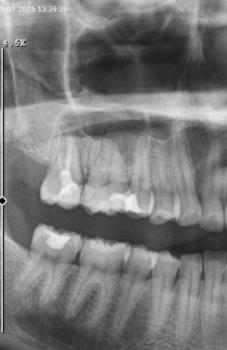
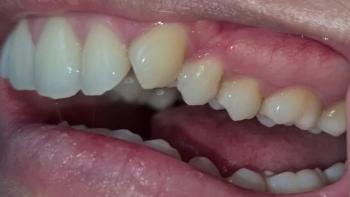
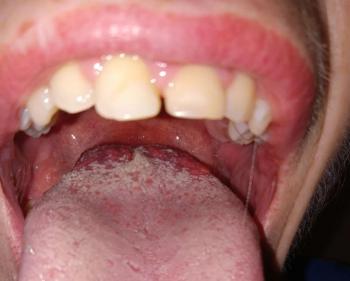
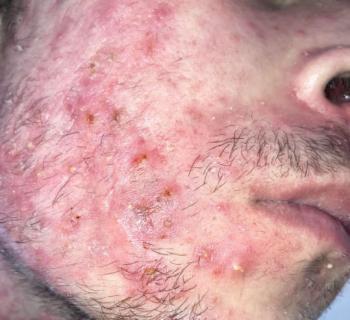
Patients with lower front gum inflammation may also experience tartar buildup, periodontal disease, gum abscesses, or tooth decay. Explore these related clinical case studies.



Other topics:
Other Dental Clinic