Modern Dentistry, Timeless Smiles.

From Labs to Smiles: How New York's Next Dental Revolution is Being Built in a Gel
Language :

Topics:
For decades, a fundamental truth has shaped every trip to the dentist: once your tooth enamel is gone, it's gone for good. This has locked dentistry into a cycle of repair and replacement. Now, a groundbreaking scientific discovery promises to rewrite that reality, shifting the focus from managing damage to actively regenerating our teeth.
Researchers at the University of Nottingham have developed a protein-based gel that can repair and regrow human tooth enamel—a feat long considered the "Holy Grail" of dental science. This innovation doesn't just patch problems; it aims to solve them at their source by mimicking the body's own biological processes.
The Science of Regrowth: Mimicking Nature's Blueprint
The new gel's power lies in its biomimetic design—it imitates the natural proteins that guide enamel formation in infancy.
The process works through a few key steps:
-
Application & Scaffolding: The gel is applied directly to the tooth, where it forms a thin, robust layer that seeps into microscopic cracks and holes
-
Mineral Recruitment: This layer acts as a scaffold, capturing calcium and phosphate ions naturally present in saliva
-
Crystal Growth: It then guides these minerals to grow in an organized, crystalline structure through a process called epitaxial mineralization. This new mineral integrates seamlessly with the existing tooth, restoring both its structure and protective properties.
Crucially, tests simulating real-life conditions like brushing, chewing, and exposure to acidic foods have shown that this regenerated enamel performs just like natural, healthy enamel.
A Multi-Purpose Solution for Widespread Problems
The potential applications of this technology are vast, addressing some of the most common dental issues:
-
Treating Early Erosion and Decay: For early-stage cavities or enamel worn down by acidic foods and drinks, the gel could facilitate natural repair, potentially avoiding the need for drilling and traditional fillings
-
Reducing Tooth Sensitivity: By creating a new enamel-like layer over exposed dentin (the sensitive layer beneath enamel), the gel could offer lasting relief from sensitivity
-
Enhancing Dental Procedures: The gel could be used to improve the bond and longevity of other restorations, like fillings or veneers, by strengthening the underlying tooth structure
The need for such a solution is global. Enamel degradation is a major factor in oral diseases, which affect nearly half of the world's population and are linked to broader health conditions like diabetes and cardiovascular disease.
Beyond the Gel: A Regenerative Future for Daily Care
The Nottingham research is part of a broader wave of innovation in regenerative dentistry. Scientists are exploring various pathways to help teeth heal themselves:
-
Keratin-Based Biomaterials: Researchers at King's College London have developed a treatment using keratin—a protein from hair and wool—that forms a protective, enamel-like coating when applied to teeth and exposed to saliva
-
Enamel-Rebuilding Lozenges: A team at the University of Washington is conducting clinical trials on a lozenge containing an engineered peptide derived from the key enamel-forming protein. Used daily, it aims to deposit a new layer of enamel while also whitening teeth
These parallel developments suggest a future where repairing enamel could become part of routine, non-invasive care—possibly even through over-the-counter products like specialized toothpaste or daily lozenges
.
From Laboratory Breakthrough to Dental Chair
The University of Nottingham team has founded a start-up company, Mintech-Bio, to bring this technology to market. The researchers express clear optimism, stating they "hope to have a first product out by next year"
However, it's important to view this timeline with informed patience. As with all medical breakthroughs, the path from a successful lab study to a product in your dentist's office involves crucial steps: further testing, regulatory approvals, and clinical trials to ensure safety and efficacy in humans. Independent experts, like Professor Paul Hatton of the British Dental Association, acknowledge this as an "exciting breakthrough," but its widespread clinical use is still on the horizon
What This Means for Your Dental Health Today
While regenerative dentistry is advancing rapidly, the core principles of maintaining enamel health remain unchanged and critical:
-
Continue with Proven Care: Use fluoride toothpaste, maintain a consistent brushing and flossing routine, and see your dentist for regular check-ups and cleanings.
-
Protect Your Enamel: Limit your intake of sugary and acidic foods and drinks. If you have a habit of grinding your teeth (bruxism), discuss a protective night guard with your dentist.
-
Stay Informed: Ask your dentist about the latest preventive treatments and keep an eye on developments in regenerative care.
The development of enamel-regrowing gels and biomaterials represents more than a new product; it's a fundamental shift towards minimally invasive, biologically-based healing. It promises a future where dentistry is defined not by the drill, but by the body's own remarkable capacity for repair.
Looking for dentist : Visit directory list
Related Clinical Cases
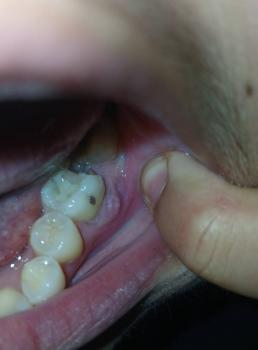
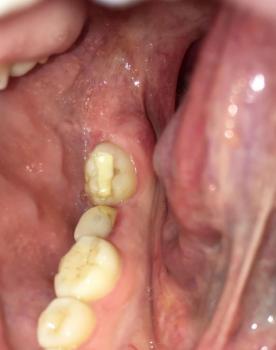
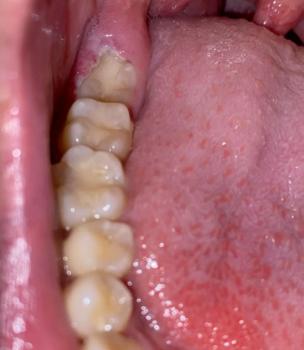
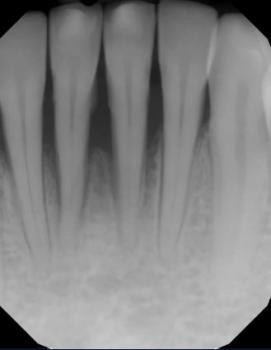
Patients with lower front gum inflammation may also experience tartar buildup, periodontal disease, gum abscesses, or tooth decay. Explore these related clinical case studies.