Modern Dentistry, Timeless Smiles.

The Grinding Truth: How Anger at Work is Wearing Down Your Teeth in Japan
Language :

The Silent Destruction in a Tokyo Factory
Thomas's life in Osaka was a study in quiet desperation. For twelve hours a day, six days a week, he stood at the same spot on a deafening automotive factory line, performing a repetitive task that required intense focus but offered no satisfaction. The relentless pace, the pressure from foremen, and the crushing monotony brewed a constant, simmering anger within him. He hated his job, but with a wife and two young children relying on his income, quitting was an impossible fantasy. His only release was the long train ride home, where his jaw would be clenched so tight his temples throbbed.
This unrelenting stress didn't just poison his mood; it began to dismantle his health in a place he never expected: his mouth. He woke up with a sore jaw and a dull headache. His teeth, once strong, started to feel sensitive. A routine check-up at the local dental clinic revealed the shocking truth: Thomas was severely grinding his teeth at night, a condition known as sleep bruxism. The enamel on his molars was visibly worn flat, and he had developed multiple hairline cracks. His dentist explained that his body, flooded with the stress hormones of a long, angry day, was literally taking it out on his own teeth while he slept.
The Science: How 60 Seconds of Anger Triggers Hours of Damage
Thomas's story is a powerful illustration of a critical scientific finding: our emotional and dental health are inextricably linked. A landmark study revealed that just sixty seconds of intense anger can suppress the immune system for up to five hours. This happens because anger triggers a "fight-or-flight" response, releasing a surge of stress hormones like cortisol and adrenaline.
Here’s how this directly damages your teeth:
-
The Immediate Physical Response: When you're angry or chronically stressed, your body tenses. The jaw and facial muscles are primary targets, leading to unconscious clenching and grinding (bruxism). This can happen during the day or, more destructively, during sleep when you have no control.
-
The Chemical Attack: Elevated cortisol doesn't just weaken your immune system's ability to fight gum disease; it also increases inflammation throughout the body, including in the gums (gingivitis). Furthermore, a stressed body often produces less saliva, leading to a dry mouth. Saliva is crucial for neutralizing acids and remineralizing teeth; without it, the risk of cavities skyrockets.
-
The Cycle of Destruction: Nighttime grinding applies immense, uncontrolled force to the teeth—far more than chewing. Over time, this leads to:
-
Worn-down enamel (causing sensitivity and changing bite)
-
Cracked or chipped teeth
-
Loosened teeth
-
Damage to dental work (fillings, crowns)
-
Painful disorders of the jaw joint (TMJ), leading to headaches, earaches, and difficulty opening the mouth.
-
For Thomas, his daily anger wasn't just an emotion; it was a physiological event that set a destructive process in motion every single day.
Breaking the Cycle: Practical Advice for Thomas and Anyone Grinding Under Pressure
If you see yourself in Thomas's story, the solution requires addressing both the emotional source and the physical damage.
Step 1: Protect Your Teeth (The Immediate Fix)
-
See a Dentist Immediately: A dental professional can assess the damage. The first line of defense is often a custom-fitted night guard. This acrylic appliance, worn while sleeping, creates a protective barrier between your upper and lower teeth, absorbing the destructive forces of grinding and allowing your jaw muscles to relax.
-
Address the Damage: Depending on the severity, you may need restorative work like dental bonding, crowns, or treatments for TMJ pain.
Step 2: Manage the Anger (The Long-Term Solution)
You cannot dentist your way out of a stress problem. Emotional regulation is now a critical part of preventative dental care.
-
Interrupt the Stress Response: Practice the "60-second pause." When you feel anger rising, consciously step away. Focus on taking slow, deep breaths to signal to your body that the "threat" has passed.
-
Find a Physical Release: Channel the nervous energy of anger into a non-destructive physical activity. Even 20 minutes of brisk walking, cycling, or shadowboxing can metabolize stress hormones.
-
Create a Pre-Sleep Ritual: Your goal is to not go to bed angry. Spend 30-60 minutes before bed away from screens. Try light stretching, listening to calm music, or reading to help your nervous system downshift from "fight" mode to "rest" mode.
-
Seek Support: Talk to someone. Whether it's a trusted friend, a family member, or a professional counselor, verbalizing your frustration is a powerful way to diffuse it. In Japan, services like the Telephone of Life (Inochi no Denwa) or employee assistance programs can offer confidential support.
A Final Word: Your Health is an Ecosystem
Thomas learned a hard lesson: the mind and body are one system. Anger in the mind creates cortisol in the blood, which leads to clenching in the jaw and damage to the teeth. You cannot compartmentalize chronic stress.
Caring for your teeth is no longer just about brushing and flossing; it's about managing your emotional landscape. By taking steps to regulate anger and protect your teeth from its physical effects, you are investing in a foundation of health that supports your entire well-being—allowing you to be present and healthy for the family you work so hard to support. Start today by booking that dental check-up and taking one deep breath the next time frustration boils over.
Looking for dentist : Visit directory list
Related Clinical Cases
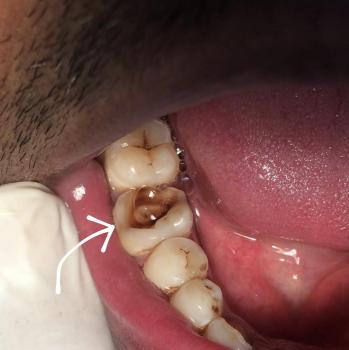
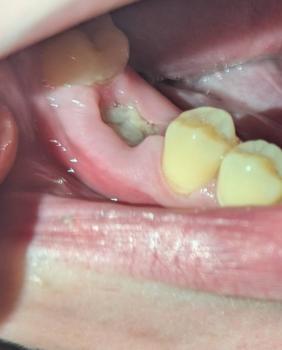
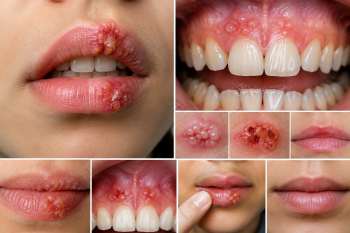
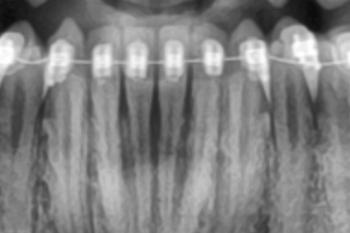
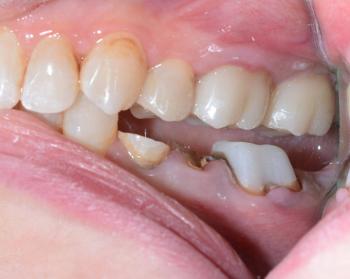
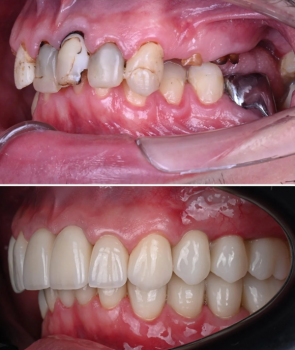
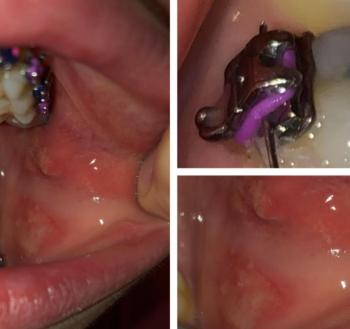
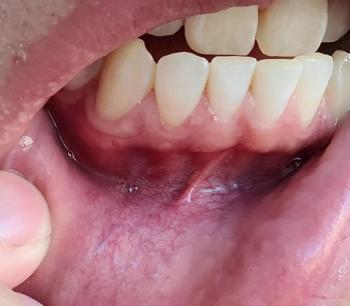
Patients with lower front gum inflammation may also experience tartar buildup, periodontal disease, gum abscesses, or tooth decay. Explore these related clinical case studies.
Other topics:
Other Dental Clinic