Strong Teeth, Fresh Breath, Brighter You.

Best Countries for Dental Tourism from Denmark: Costs, Risks, and How to Choose the Right Clinic (2026 Guide)
Language :
Topics:
Dental tourism has become increasingly popular among Danish residents seeking affordable alternatives to the high cost of private dental treatment at home. Denmark consistently ranks among the world's most expensive countries for healthcare-related services, and while Danish dentistry is known for its excellent standards, advanced technology, and highly trained professionals, many adult patients still face significant out-of-pocket expenses for major dental procedures.
Treatments such as dental implants, crowns, bridges, veneers, orthodontics, and full-mouth restorations can cost thousands—or even tens of thousands—of Danish kroner. As a result, many Danes explore treatment options abroad where similar procedures may be available at substantially lower prices.
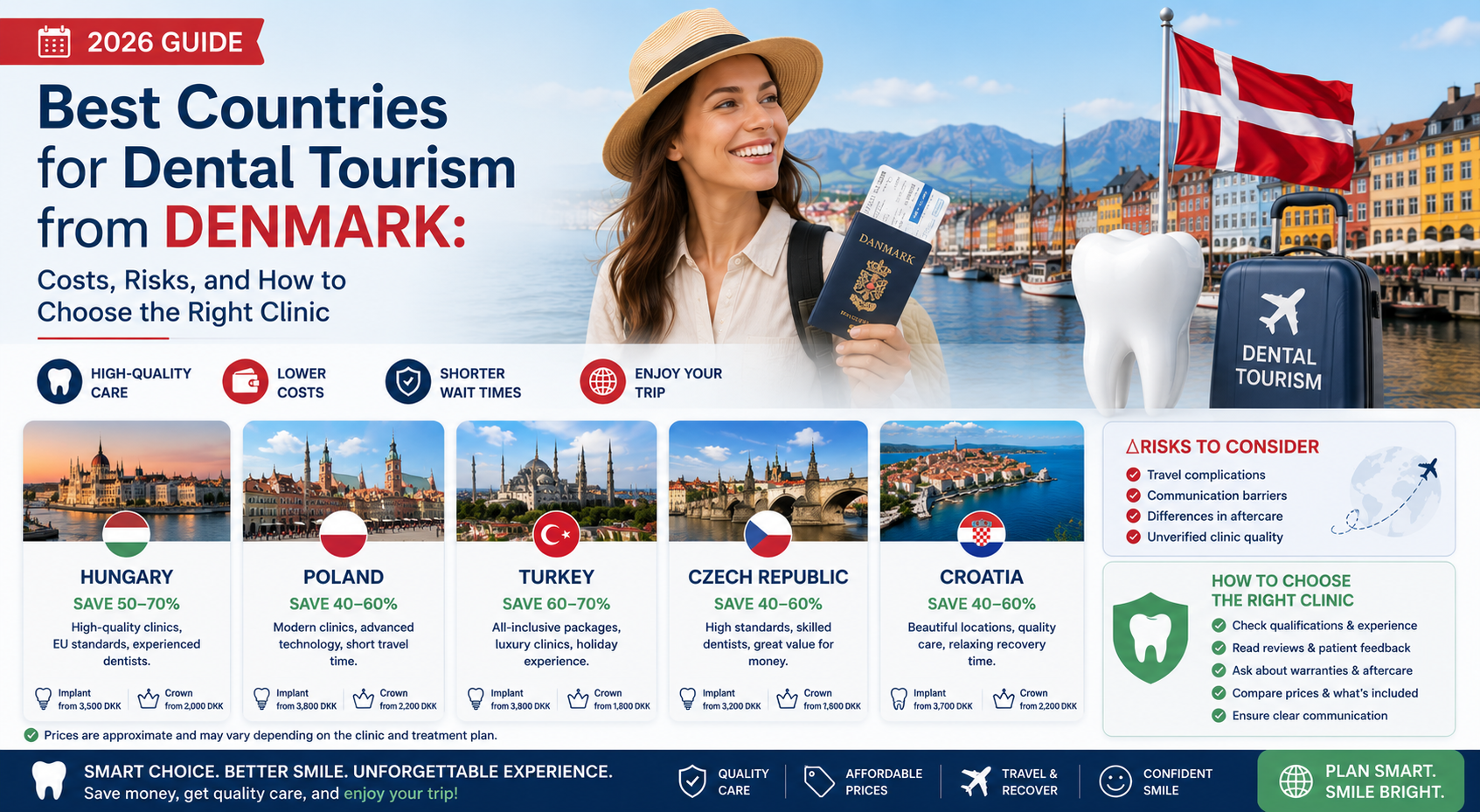
The appeal is understandable. Depending on the destination and procedure, patients may save between 40% and 70% compared with prices commonly charged in Denmark. In some cases, even after accounting for flights, hotels, and transportation, the overall cost remains considerably lower than receiving treatment locally.
However, dental tourism involves much more than simply finding the cheapest clinic. Treatment quality, clinician experience, patient safety, follow-up care, legal protections, communication, and long-term outcomes all deserve careful consideration.
This guide examines why Danish patients seek dental care abroad, the most popular destinations, expected cost savings, advantages and disadvantages, and practical recommendations for choosing a reputable clinic.
What Is Dental Tourism?
Dental tourism refers to traveling to another country specifically to receive dental treatment.
Patients may travel for:
- Dental implants
- Cosmetic dentistry
- Crowns and bridges
- Orthodontics
- Full-mouth rehabilitation
- Oral surgery
- Smile makeovers
Many combine treatment with leisure travel, turning necessary dental work into an opportunity for a short vacation.
The practice has grown significantly during the past two decades due to:
- Affordable air travel
- Increased internet access
- Online reviews
- International accreditation programs
- Growing awareness of global healthcare options
Today, dental tourism represents a major international industry serving millions of patients annually.
Why Danes Travel Abroad for Dental Care
Several factors contribute to the growing popularity of dental tourism among Danish residents.
High Domestic Dental Costs
The most significant factor is cost.
Although Denmark offers excellent dental care, many procedures remain expensive because of:
- High labor costs
- Strict regulations
- Premium materials
- Advanced technology
- High operating expenses
Examples of typical Danish private-sector costs include:
Single Dental Implant
10,000–25,000 DKK or more
Zirconia Crown
5,000–10,000 DKK
Bridge Treatment
10,000–30,000 DKK+
Full-Mouth Implant Rehabilitation
100,000–300,000 DKK+
For many patients, these costs create strong incentives to seek alternatives abroad.
Limited Subsidies for Major Procedures
While Denmark provides subsidies for examinations, preventive care, and some restorative treatments, advanced procedures often receive limited support.
Examples include:
- Dental implants
- Cosmetic dentistry
- Veneers
- Adult orthodontics
- Extensive restorative treatment
As a result, patients frequently pay most of these expenses themselves.
Vacation and Treatment Combined
Many patients appreciate the opportunity to combine dental treatment with travel.
Instead of viewing treatment as an inconvenience, they may spend recovery time:
- Exploring a new city
- Relaxing on a beach
- Enjoying local culture
- Taking a short holiday
This combination makes dental tourism particularly appealing.
Potentially Shorter Waiting Times
Some patients choose overseas clinics because appointments are available more quickly.
This may be especially attractive for:
- Cosmetic treatment
- Implant consultations
- Full-mouth rehabilitation
Faster scheduling can reduce delays and improve convenience.
Hungary: Europe's Dental Tourism Leader
Among all destinations available to Danish patients, Hungary remains one of the most established and respected.
For decades, Hungary has marketed itself as Europe's premier dental tourism destination.
Why Hungary Is So Popular
Several factors explain Hungary's strong reputation.
Long History of International Dentistry
Hungarian clinics have extensive experience treating patients from:
- Denmark
- Germany
- Austria
- Switzerland
- United Kingdom
This experience has helped clinics develop efficient systems for managing international visitors.
Significant Cost Savings
Patients often report savings of:
- 50%–70% compared with Western European prices
Common procedures frequently cost substantially less than in Denmark.
Modern Technology
Many Hungarian clinics utilize:
- CBCT imaging
- Digital scanners
- CAD/CAM systems
- Guided implant surgery
These technologies support high-quality outcomes.
EU Membership
Hungary's membership in the European Union provides additional reassurance regarding:
- Professional licensing
- Healthcare regulations
- Consumer protections
- Clinical standards
Many Danish patients value these safeguards.
Budapest: The Dental Capital of Europe
Budapest has earned an international reputation as a major dental tourism hub.
The city offers:
- Modern clinics
- Experienced implantologists
- Competitive pricing
- Strong infrastructure
Thousands of international patients visit annually.
Turkey: A Global Dental Tourism Powerhouse
Turkey has rapidly become one of the world's most recognized destinations for dental tourism.
Cities such as Istanbul and Antalya attract patients from across Europe, North America, and the Middle East.
Why Turkey Is Popular
Turkey offers an attractive combination of:
- Low treatment costs
- Modern facilities
- Comprehensive packages
- Tourism opportunities
Many clinics are designed specifically for international patients.
Cosmetic Dentistry in Turkey
Turkey is especially known for:
Hollywood Smile Makeovers
These often include:
- Veneers
- Crowns
- Whitening
- Smile redesign
Such procedures frequently cost far less than comparable treatment in Denmark.
Dental Implants
Turkey has also become a major destination for implant treatment.
Patients requiring:
- Single implants
- Multiple implants
- All-on-4 systems
- Full-mouth reconstruction
often find substantial savings.
All-Inclusive Treatment Packages
Many Turkish clinics offer packages that include:
- Airport transfers
- Hotel accommodation
- Transportation
- Treatment coordination
- Translation services
These arrangements simplify travel planning.
Important Considerations in Turkey
While many Turkish clinics maintain excellent standards, quality can vary significantly.
Patients should carefully evaluate:
- Dentist qualifications
- Clinic reputation
- Treatment planning
- Materials used
The lowest price is not always the best value.
Poland: High Standards and Strong Value
Poland has become increasingly attractive to Scandinavian dental tourists.
The country combines:
- Modern healthcare infrastructure
- Competitive pricing
- EU regulatory oversight
with strong professional education systems.
Advantages of Poland
Many clinics offer:
- Advanced implantology
- Digital dentistry
- Multilingual staff
- Modern facilities
while maintaining lower operating costs than Denmark.
Cost Savings
Compared with Denmark, patients frequently save:
- 40–60% on implants
- 40–70% on crowns
- Significant amounts on extensive rehabilitation
These savings make Poland a strong contender.
Spain: Dentistry and Lifestyle Combined
Spain occupies a unique position in dental tourism.
While not always the cheapest option, it offers:
- High-quality healthcare
- Pleasant climate
- Strong tourism infrastructure
Many patients appreciate combining treatment with a Mediterranean holiday.
Popular Spanish Cities
Dental tourists frequently visit:
- Madrid
- Barcelona
- Valencia
- Málaga
These cities offer numerous internationally focused clinics.
Why Scandinavians Choose Spain
Many Scandinavian patients are already familiar with Spain as a vacation destination.
This familiarity can make treatment abroad feel less intimidating.
Understanding the True Cost of Dental Tourism
One common mistake is focusing exclusively on treatment prices.
The real cost includes much more.
Travel Expenses
Patients should account for:
- Flights
- Trains
- Fuel
- Local transportation
These expenses can significantly affect overall savings.
Accommodation Costs
Hotel expenses may be substantial, particularly during peak tourist seasons.
Even when discounted packages are available, accommodation remains part of the total investment.
Time Away From Work
Recovery and travel may require:
- Vacation days
- Unpaid leave
- Reduced productivity
These indirect costs deserve consideration.
Multiple Visits May Be Necessary
Many dental procedures cannot be completed in a single trip.
Dental implants often require:
- Surgical placement
- Healing period
- Final restoration
This may involve multiple journeys.
The Importance of Treatment Planning
A detailed treatment plan is essential before committing to care abroad.
Patients should request:
- Diagnosis
- Procedure descriptions
- Timeline
- Materials
- Total costs
Everything should be documented clearly.
Verify Dentist Qualifications
Never select a clinic solely based on marketing materials.
Instead, research:
- Education
- Certifications
- Specialization
- Continuing education
- Clinical experience
The treating dentist matters more than the destination itself.
Research Patient Reviews Carefully
Online reviews can provide valuable insight.
Focus on recurring themes regarding:
- Communication
- Professionalism
- Treatment outcomes
- Follow-up care
Independent review platforms often provide more balanced information than clinic websites alone.
Understanding Regulatory Differences
One of the most important considerations involves regulation.
Danish Protections
Treatment performed in Denmark benefits from:
- Danish healthcare oversight
- Patient insurance protections
- Complaint mechanisms
- Regulatory supervision
These safeguards can provide peace of mind.
Treatment Abroad
When treatment occurs overseas, protections may differ.
Patients should understand:
- Complaint procedures
- Legal rights
- Regulatory frameworks
before proceeding.
Why EU Destinations Often Offer Greater Security
Countries within the European Union generally operate under similar regulatory principles.
Examples include:
- Hungary
- Poland
- Spain
These destinations may provide more familiar frameworks than non-EU alternatives.
The Challenge of Aftercare
One of the most overlooked aspects of dental tourism is aftercare.
What Happens if Complications Occur?
Potential complications may include:
- Infection
- Implant failure
- Crown fracture
- Bite problems
- Aesthetic concerns
Managing these issues can become challenging after returning home.
Local Dentists May Be Reluctant to Intervene
Some Danish dentists may hesitate to modify work performed elsewhere.
Reasons may include:
- Lack of documentation
- Unknown materials
- Liability concerns
Patients should anticipate this possibility.
Warranty Limitations
Many overseas clinics offer warranties.
However, these warranties often require treatment at the original clinic.
This may necessitate additional travel.
Patients should clarify warranty terms before beginning treatment.
Communication Matters
Language barriers can affect treatment outcomes.
Patients should confirm that:
- Dentists speak English fluently.
- Written documents are translated clearly.
- Treatment explanations are understood.
Effective communication remains essential.
Questions to Ask Before Traveling
Before selecting a clinic, consider asking:
- Who will perform my treatment?
- What qualifications does the dentist have?
- Which implant system will be used?
- What materials are included?
- How many visits are required?
- What complications are possible?
- What warranty is provided?
- What happens if treatment fails?
- Are all fees included?
- How is aftercare managed?
Clear answers help reduce uncertainty.
Is Dental Tourism Right for Everyone?
Not every patient is an ideal candidate.
Patients Who May Benefit
Dental tourism often works best for:
- Implant patients
- Full-mouth reconstruction patients
- Cosmetic dentistry patients
- Individuals requiring extensive restorative work
Large treatment plans typically generate the greatest savings.
Patients Who May Prefer Local Care
Receiving treatment in Denmark may be preferable for:
- Medically complex patients
- Individuals requiring extensive follow-up
- High-risk surgical cases
- Patients uncomfortable with travel
Continuity of care remains a significant advantage.
The Importance of Consulting Your Danish Dentist First
Before making any decisions, patients should discuss plans with their local dentist.
Benefits include:
- Understanding treatment alternatives
- Reviewing risks
- Assessing suitability
- Obtaining diagnostic records
This consultation provides valuable context.
Final Thoughts
Dental tourism continues to grow in popularity among Danish residents seeking affordable alternatives for implants, crowns, bridges, cosmetic dentistry, and full-mouth rehabilitation. Hungary remains one of Europe's most established destinations, while Turkey, Poland, and Spain attract increasing numbers of Scandinavian patients through competitive pricing, modern facilities, and internationally focused services.
The primary motivation for traveling abroad is financial. Depending on the destination and procedure, patients may save 40% to 70% compared with treatment costs in Denmark. Many also appreciate the opportunity to combine dental treatment with travel, shorter waiting times, and access to specialized clinics.
However, lower prices should never be the sole deciding factor. Patients must carefully evaluate dentist qualifications, clinic reputation, treatment planning standards, regulatory protections, communication quality, warranty policies, and long-term aftercare arrangements. Travel expenses, accommodation costs, and the possibility of multiple visits should also be included when calculating overall value.
For many patients, dental tourism can provide substantial savings and excellent clinical outcomes when approached thoughtfully and responsibly. The key is balancing affordability with quality, safety, and long-term oral health. By conducting thorough research and consulting with a local Danish dentist before traveling, patients can make informed decisions that protect both their smile and their investment.
Can tooth extraction cause infection? Mild inflammation is normal, but increasing swelling, fever, or severe pain may indicate infection. Learn more about post-extraction infection warning signs in this detailed guide.
Book a consultation with our Cebu dental specialists for proper evaluation and care.
Ready to get expert guidance?
If you’re experiencing severe pain or delayed healing, book a consultation with our Cebu dental specialists to get proper evaluation and care.
Consultation or contact page .
Book a Consultation
For severe discomfort or delayed healing, book a consultation with our Cebu dental specialists today.
Looking for a dentist? Browse our Cebu dental directory to find trusted clinics near you.
Medical Review and Clinical Basis
This article is based on clinical dental guidelines and real patient recovery patterns observed after tooth extraction procedures. The information reflects common post-extraction healing stages, including normal clot formation, gum tissue repair, and signs of possible complications such as dry socket or infection.
While mild discomfort is expected after a dental extraction, worsening pain after Day 3, bad odor, exposed bone, or spreading pain may require professional evaluation. These symptoms are consistent with known post-extraction complications described in standard dental practice.
About Cebu Dental Implants
Cebu Dental Implants provides comprehensive tooth extraction, surgical procedures, and dental implant services in the Philippines. Our team evaluates post-extraction healing, manages complications such as dry socket, and advises patients on proper aftercare to prevent infection and delayed healing.
If you experience severe pain or unusual symptoms after extraction, early professional assessment is recommended to prevent further complications.
Important Medical Disclaimer
This content is for educational purposes only and does not replace professional dental diagnosis. Every patient heals differently. If symptoms worsen or do not improve within a few days, consult a licensed dentist for proper evaluation and treatment.
Author
This article was prepared by the Cebu Dental Implants content team in consultation with licensed dental professionals experienced in tooth extraction and implant procedures.
Related Clinical Cases
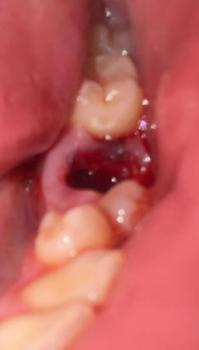
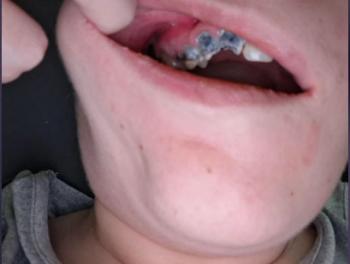
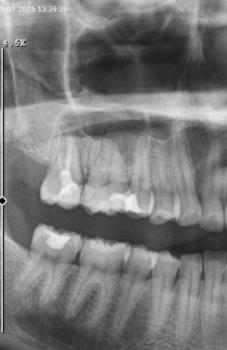
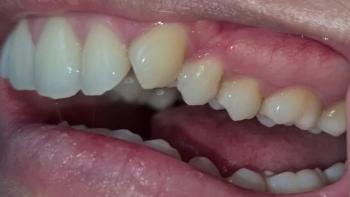
Patients with lower front gum inflammation may also experience tartar buildup, periodontal disease, gum abscesses, or tooth decay. Explore these related clinical case studies.



Other topics:
Other Dental Clinic