Building Confidence One Smile at a Time.

Emergency Root Canal Treatment in New Jersey: How Dave Edwards Avoided Tooth Loss and Regained His Smile
Language :
For many people, hearing the words "root canal treatment" creates immediate anxiety. Stories from decades ago have left some patients believing that root canals are painful, complicated, and something to avoid at all costs. Modern dentistry, however, tells a very different story.
Across New Jersey, highly trained dental professionals save thousands of teeth every year through advanced root canal procedures. What was once considered a hopeless tooth can now often be preserved, restored, and returned to full function.
The mission of the USA Dental Expert Community Group is simple: save natural teeth whenever possible. A natural tooth is almost always better than extraction when the tooth can be successfully treated and restored.
One patient who experienced this firsthand was Dave Edwards, a New Jersey resident whose severe dental infection nearly cost him a molar. Thanks to timely diagnosis, modern endodontic treatment, and expert dental care, his tooth was successfully rescued.
His story highlights why root canal treatment remains one of the most important procedures in modern dentistry.
Understanding Root Canal Treatment
A root canal treatment is a procedure designed to remove infected or damaged tissue from inside a tooth.
Inside every tooth is a soft tissue called the dental pulp. This pulp contains:
-
Blood vessels
-
Nerves
-
Connective tissue
The pulp helps a tooth develop during childhood. Once the tooth is fully mature, however, it can survive without the pulp because surrounding tissues continue to nourish it.
When bacteria invade the pulp through:
-
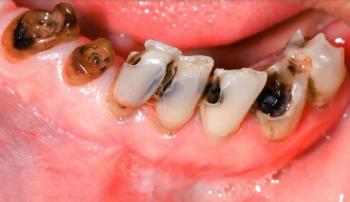
Deep decay
-
Cracks
-
Trauma
-
Large fillings
-
Repeated dental procedures
the tissue can become inflamed or infected.
Without treatment, the infection may spread beyond the tooth and affect surrounding bone and tissues.
A root canal removes the infected tissue while preserving the outer structure of the tooth.
Why Saving Natural Teeth Matters
Dental experts throughout New Jersey strongly advocate preserving natural teeth whenever possible.
A natural tooth offers advantages that no replacement can perfectly duplicate.
Benefits include:
Better Chewing Efficiency
Natural teeth provide optimal bite force and chewing function.
Preservation of Jawbone
Retaining a natural tooth helps maintain healthy bone structure.
Better Appearance
Keeping the original tooth maintains a natural smile.
Cost Effectiveness
Saving a tooth may be less expensive than extraction followed by implants or bridges.
Long-Term Function
A properly treated root canal tooth can last decades.
Modern dentistry focuses on conservation rather than removal.
Common Signs You May Need a Root Canal
Many patients delay treatment because they do not recognize early symptoms.
Common warning signs include:
Persistent Toothache
Pain that lingers for days or weeks.
Sensitivity to Hot and Cold
Discomfort that continues after the stimulus is removed.
Swelling Around the Gums
Inflammation near the affected tooth.
Tooth Discoloration
Darkening caused by pulp damage.
Pain While Chewing
Pressure sensitivity may indicate infection.
Dental Abscess
A pus-filled pocket near the tooth root.
In some cases, patients experience no symptoms at all.
Regular dental examinations remain essential.
The Story of Dave Edwards
Dave Edwards was a 46-year-old project manager living in northern New Jersey.
Like many busy professionals, he postponed routine dental appointments.
Several years earlier, a deep cavity had been treated with a filling.
For a while, everything seemed normal.
Then subtle symptoms began appearing.
At first, Dave noticed mild sensitivity when drinking coffee.
He ignored it.
Weeks later, chewing steak caused discomfort.
He ignored that too.
Soon the pain intensified.
One evening while eating dinner, a sharp pain shot through the side of his jaw.
The discomfort became impossible to ignore.
Pain That Would Not Go Away
Over the following days, Dave experienced:
-
Throbbing tooth pain
-
Nighttime discomfort
-
Sensitivity to hot foods
-
Difficulty chewing
Pain medication provided only temporary relief.
Then something alarming happened.
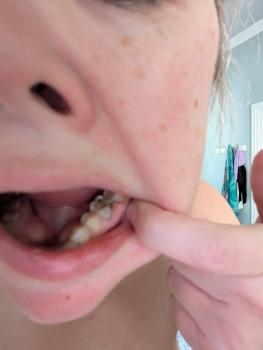
He noticed swelling around the gum near the affected molar.
The pressure continued increasing.
Concerned, Dave scheduled an emergency dental appointment.
That decision ultimately saved his tooth.
The Emergency Examination
At the dental office, the clinical team conducted a comprehensive evaluation.
The examination included:
-
Visual assessment
-
Digital X-rays
-
Bite testing
-
Temperature testing
-
Percussion examination
Results revealed a significant infection deep within the tooth.
The nerve tissue had become infected.
An abscess was beginning to form near the root tip.
Without treatment, the infection could spread into surrounding bone.
The diagnosis was clear:
Dave needed root canal treatment.
Understanding the Cause
Dental experts explained that bacteria had likely entered through a microscopic pathway beneath the old filling.
Over time:
-
Bacteria invaded the pulp.
-
Inflammation developed.
-
The pulp tissue died.
-
Infection spread toward the root tip.
This process can take months or years.
Patients often don't realize an infection is developing until symptoms become severe.
Dave's situation was serious but still treatable.
Most importantly, the tooth could be saved.
The Decision to Save the Tooth
Many patients assume extraction is the fastest solution.
However, extraction creates additional challenges:
-
Missing tooth space
-
Shifting teeth
-
Bone loss
-
Additional restorative costs
The dental team recommended preserving the tooth.
Dave agreed.
Treatment was scheduled immediately.
What Happens During a Root Canal Procedure?
Modern root canal therapy is far different from outdated stereotypes.
The procedure generally involves:
Step 1: Local Anesthesia
The area is thoroughly numbed.
Most patients report little to no discomfort.
Step 2: Access Opening
A small opening is created in the tooth.
Step 3: Removal of Infected Tissue
Special instruments remove diseased pulp.
Step 4: Cleaning and Disinfection
The canals are disinfected.
Step 5: Shaping the Canals
The internal space is carefully prepared.
Step 6: Filling the Canals
Biocompatible materials seal the canals.
Step 7: Restoration
A crown often protects the tooth.
This process eliminates infection while preserving the natural tooth.
Dave's Procedure
Dave arrived nervous.
He had heard frightening stories from friends.
Within minutes, however, he realized modern dentistry had changed dramatically.
The local anesthesia worked effectively.
Throughout the procedure, he felt pressure but no significant pain.
Using advanced magnification and digital imaging, the dentist located and cleaned the infected canals.
The infection was removed.
The canals were disinfected and sealed.
A temporary restoration protected the tooth.
The entire procedure took less time than Dave expected.
Recovery After Treatment
Recovery was straightforward.
Dave experienced mild tenderness for several days.
This is normal because surrounding tissues need time to heal.
His dentist recommended:
-
Soft foods initially
-
Avoiding chewing on the treated side
-
Taking prescribed medications if necessary
-
Maintaining oral hygiene
Within a week, symptoms dramatically improved.
The severe throbbing pain was gone.
The swelling disappeared.
Normal function returned.
The Final Crown
Several weeks later, Dave received a permanent crown.
The crown served several purposes:
-
Restored strength
-
Improved appearance
-
Protected against fractures
-
Extended longevity
Once the crown was placed, the tooth looked and functioned normally.
Friends and family could not tell which tooth had been treated.
Why Modern Root Canal Treatment Is Highly Successful
Advances in dental technology have transformed endodontic care.
Today's procedures benefit from:
Digital Radiography
Provides highly detailed imaging.
Rotary Instrumentation
Improves cleaning efficiency.
Dental Microscopes
Enhances precision.
Electronic Apex Locators
Accurately measure root length.
Advanced Sealers
Improve long-term outcomes.
Success rates frequently exceed 90% when treatment is performed properly and restored appropriately.
Root Canal Versus Extraction
Dental experts generally recommend saving teeth whenever possible.
Root Canal Benefits
-
Preserves natural tooth
-
Maintains chewing ability
-
Protects jawbone
-
Avoids tooth movement
Extraction Challenges
-
Bone loss
-
Cosmetic concerns
-
Need for replacement
-
Additional procedures
Whenever a tooth can be predictably restored, preservation is often the preferred choice.
Preventing Future Root Canal Problems
Many root canals can be prevented through proactive dental care.
Recommended strategies include:
Routine Checkups
Regular examinations identify problems early.
Professional Cleanings
Reduce bacterial buildup.
Early Cavity Treatment
Prevent deep decay.
Wearing Mouthguards
Protect teeth during sports.
Managing Teeth Grinding
Night guards reduce excessive stress.
Good Oral Hygiene
Daily brushing and flossing remain essential.
Prevention remains the most effective dental treatment.
Frequently Asked Questions
Is a Root Canal Painful?
Modern root canals are typically no more uncomfortable than receiving a filling.
How Long Does Treatment Take?
Many cases can be completed in one or two visits.
Will the Tooth Last?
With proper restoration and maintenance, a treated tooth may last decades.
Is Extraction Cheaper?
Initial extraction may appear less expensive, but replacement options often increase total costs.
Can Infection Return?
Although uncommon, reinfection can occur if bacteria re-enter the tooth. Regular dental care helps minimize risk.
Lessons from Dave Edwards' Experience
Dave's story illustrates an important reality.
The greatest threat was not the root canal itself.
The real danger was delaying treatment.
Had he waited longer:
-
The infection could have expanded.
-
Bone loss could have increased.
-
The tooth might have become unsalvageable.
-
More complex procedures might have been required.
Instead, prompt care preserved his natural tooth.
Today, Dave enjoys normal eating, speaking, and smiling without pain.
His experience serves as a reminder that modern dentistry can often save teeth that once would have been extracted.
The Future of Root Canal Treatment in New Jersey
Dental practices throughout New Jersey continue adopting advanced technologies designed to improve patient outcomes.
Emerging innovations include:
-
Artificial intelligence-assisted imaging
-
Enhanced 3D diagnostics
-
Improved biomaterials
-
Advanced disinfection systems
-
Regenerative endodontic therapies
These developments are making treatment more predictable and comfortable than ever before.
The future of tooth preservation is bright.
Conclusion
Root canal treatment remains one of dentistry's most valuable procedures because it allows patients to keep their natural teeth while eliminating infection and pain.
Dave Edwards' successful outcome demonstrates what modern dental care can accomplish. A tooth that once appeared destined for extraction was preserved through expert diagnosis, advanced treatment, and timely intervention.
Across New Jersey, dental professionals continue helping patients save teeth every day. The message from the USA Dental Expert Community Group is clear: when infection threatens a tooth, seeking treatment early can make the difference between losing a tooth and preserving a healthy smile for years to come.
Modern root canal therapy is not something to fear. It is often the procedure that rescues a tooth, relieves pain, and restores quality of life.
Can tooth extraction cause infection? Mild inflammation is normal, but increasing swelling, fever, or severe pain may indicate infection. Learn more about post-extraction infection warning signs in this detailed guide.
Book a consultation with our Cebu dental specialists for proper evaluation and care.
Ready to get expert guidance?
If you’re experiencing severe pain or delayed healing, book a consultation with our Cebu dental specialists to get proper evaluation and care.
Consultation or contact page .
Book a Consultation
For severe discomfort or delayed healing, book a consultation with our Cebu dental specialists today.
Looking for a dentist? Browse our Cebu dental directory to find trusted clinics near you.
Medical Review and Clinical Basis
This article is based on clinical dental guidelines and real patient recovery patterns observed after tooth extraction procedures. The information reflects common post-extraction healing stages, including normal clot formation, gum tissue repair, and signs of possible complications such as dry socket or infection.
While mild discomfort is expected after a dental extraction, worsening pain after Day 3, bad odor, exposed bone, or spreading pain may require professional evaluation. These symptoms are consistent with known post-extraction complications described in standard dental practice.
About Cebu Dental Implants
Cebu Dental Implants provides comprehensive tooth extraction, surgical procedures, and dental implant services in the Philippines. Our team evaluates post-extraction healing, manages complications such as dry socket, and advises patients on proper aftercare to prevent infection and delayed healing.
If you experience severe pain or unusual symptoms after extraction, early professional assessment is recommended to prevent further complications.
Important Medical Disclaimer
This content is for educational purposes only and does not replace professional dental diagnosis. Every patient heals differently. If symptoms worsen or do not improve within a few days, consult a licensed dentist for proper evaluation and treatment.
Author
This article was prepared by the Cebu Dental Implants content team in consultation with licensed dental professionals experienced in tooth extraction and implant procedures.
Related Clinical Cases
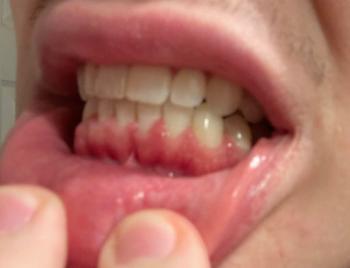
Patients with lower front gum inflammation may also experience tartar buildup, periodontal disease, gum abscesses, or tooth decay. Explore these related clinical case studies.