Strong Teeth, Fresh Breath, Brighter You.

5 Common Myths About Day 3 After a Tooth Extraction
Language :
Topics:
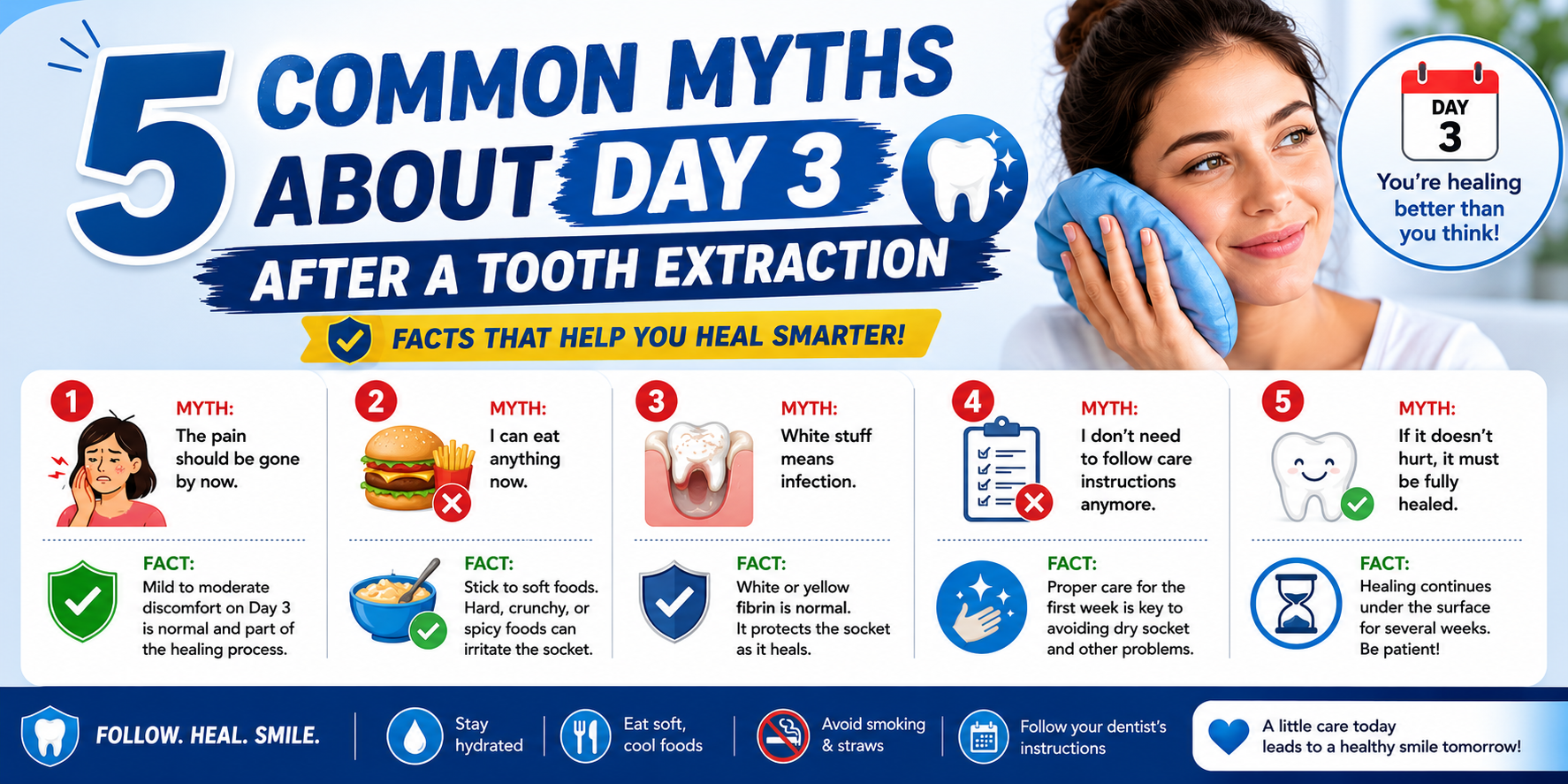
Myth #1: If It Still Hurts on Day 3, Something Is Wrong
Reality: Mild discomfort, tenderness, and soreness are completely normal on day 3. What matters is that your symptoms are gradually improving rather than becoming more severe.
Myth #2: A White or Yellow Layer Means Infection
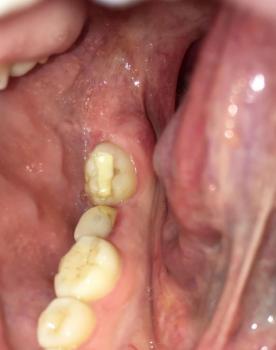
Reality: In most cases, this is normal healing tissue called fibrin or granulation tissue. It helps protect the extraction site while new tissue forms.
Myth #3: You Should Feel Completely Normal by Day 3
Reality: Healing takes time. Most patients still experience some swelling, jaw stiffness, and tenderness during the first week.
Myth #4: If the Blood Clot Falls Out, You'll Always Know Immediately
Reality: Sometimes patients don't realize the clot has been disrupted until they develop increasing pain several days later, which may indicate dry socket.
Myth #5: The Less You Clean Your Mouth, the Better
Reality: Good oral hygiene is essential. Gentle saltwater rinses and brushing away from the extraction site help reduce bacteria and support healing.
5 Frequently Asked Patient Questions
1. Is pain on Day 3 normal after a tooth extraction?
Yes. Mild to moderate discomfort is expected. However, pain should be gradually improving, not worsening.
2. Why does my extraction site look white?
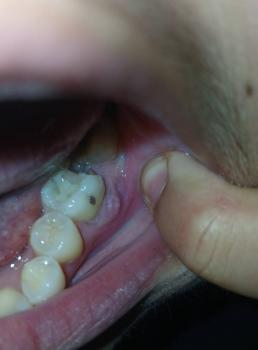
The white appearance is often healing tissue known as fibrin or granulation tissue. This is usually a positive sign.
3. Can I eat normally on Day 3?
You can begin introducing softer solid foods if comfortable, but avoid hard, crunchy, spicy, or sticky foods that could irritate the site.
4. How do I know if I have dry socket?
Dry socket typically causes severe throbbing pain, a bad taste or odor, and pain that radiates toward the ear, temple, or jaw.
5. When should I call my dentist?
Contact your dentist if you experience worsening pain, increasing swelling, fever, pus, or symptoms that seem to be getting worse rather than better.
3 Real-World Patient Examples
Example 1: Normal Healing
Maria called our office on Day 3 because she still had soreness and mild swelling. After reviewing her symptoms, we reassured her that her recovery was progressing normally. By Day 7, she was feeling significantly better.
Example 2: Dry Socket Development
James felt improvement during the first two days, but on Day 3 he developed severe throbbing pain that spread toward his ear. An examination confirmed dry socket. After treatment, his pain improved quickly.
Example 3: Infection Warning Signs
Linda noticed increasing swelling, fever, and a foul taste in her mouth on Day 4. She contacted our office immediately and was treated for a developing infection before it became more serious.
Practical Recovery Tips Most Articles Miss
Sleep Slightly Elevated
Even on Day 3, sleeping with your head slightly elevated can help reduce lingering swelling and pressure.
Stay Hydrated Throughout the Day
Many patients unintentionally become dehydrated because eating and drinking feel uncomfortable. Proper hydration supports healing and reduces fatigue.
Avoid Constantly Checking the Socket
Repeatedly pulling your cheek back to inspect the extraction site can increase anxiety and may irritate healing tissues. Remember: healing tissue often looks unusual but is completely normal.
Don't Compare Your Recovery to Others
Every extraction is different. Wisdom tooth removal, surgical extractions, smoking status, age, and overall health can all affect healing speed.
Keep Taking Photos If You're Concerned
Taking one photo each day can help you objectively monitor healing progress and provide useful information if you need to contact your dentist.
Watch for Trends, Not Individual Symptoms
A little discomfort is normal. What matters most is the overall trend. Recovery should move forward—not backward.
Continue Eating Nutrient-Rich Soft Foods
Protein, vitamins, and adequate calories help your body repair tissues. Eggs, yogurt, smoothies (without a straw), fish, and soft vegetables are excellent choices.
Key Message
On Day 3 after a tooth extraction, some discomfort is normal. The most important question isn't "Do I still have pain?" but rather "Am I improving?"
If your symptoms are gradually getting better, your body is likely healing exactly as it should. If pain, swelling, or other symptoms are worsening, contact your dental provider for guidance.
Can tooth extraction cause infection? Mild inflammation is normal, but increasing swelling, fever, or severe pain may indicate infection. Learn more about post-extraction infection warning signs in this detailed guide.
Book a consultation with our Cebu dental specialists for proper evaluation and care.
Ready to get expert guidance?
If you’re experiencing severe pain or delayed healing, book a consultation with our Cebu dental specialists to get proper evaluation and care.
Consultation or contact page .
Book a Consultation
For severe discomfort or delayed healing, book a consultation with our Cebu dental specialists today.
Looking for a dentist? Browse our Cebu dental directory to find trusted clinics near you.
Medical Review and Clinical Basis
This article is based on clinical dental guidelines and real patient recovery patterns observed after tooth extraction procedures. The information reflects common post-extraction healing stages, including normal clot formation, gum tissue repair, and signs of possible complications such as dry socket or infection.
While mild discomfort is expected after a dental extraction, worsening pain after Day 3, bad odor, exposed bone, or spreading pain may require professional evaluation. These symptoms are consistent with known post-extraction complications described in standard dental practice.
About Cebu Dental Implants
Cebu Dental Implants provides comprehensive tooth extraction, surgical procedures, and dental implant services in the Philippines. Our team evaluates post-extraction healing, manages complications such as dry socket, and advises patients on proper aftercare to prevent infection and delayed healing.
If you experience severe pain or unusual symptoms after extraction, early professional assessment is recommended to prevent further complications.
Important Medical Disclaimer
This content is for educational purposes only and does not replace professional dental diagnosis. Every patient heals differently. If symptoms worsen or do not improve within a few days, consult a licensed dentist for proper evaluation and treatment.
Author
This article was prepared by the Cebu Dental Implants content team in consultation with licensed dental professionals experienced in tooth extraction and implant procedures.
Related Clinical Cases
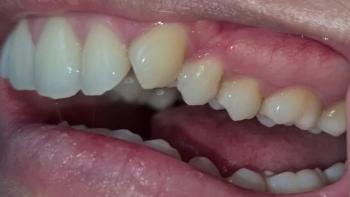
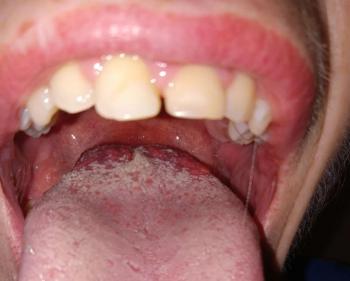
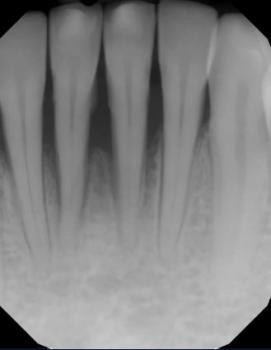
Patients with lower front gum inflammation may also experience tartar buildup, periodontal disease, gum abscesses, or tooth decay. Explore these related clinical case studies.

Other topics:
Other Dental Clinic