Missing Teeth? Find Your Smile Again.

Why Are My Teeth Crumbling? A Severe Dental Decay Case Analysis
Image:
Severity:
Teeth Problems:
Additional Clinical Guide: Why Severely Decayed Teeth Become Brittle, Break, and Crumble
What Causes Teeth to Crumble From the Inside Out?
When a tooth begins to crumble, the damage often extends beyond what can be seen on its surface. Dental caries, commonly called tooth decay, develops when acids produced by plaque bacteria dissolve minerals from the enamel and dentin.
Enamel is the hard outer protective layer. Dentin lies underneath and is softer. When decay destroys enough of these tissues, the tooth loses structural support. Its remaining walls can become thin and fracture during ordinary chewing.
In advanced cases, a tooth may break into several pieces, leaving a deep cavity or a small amount of tooth structure above the gumline.
However, not every crumbling tooth is caused by decay alone. Other possible contributors include acid erosion, teeth grinding, repeated mechanical stress, old or failing fillings, developmental enamel defects, and dry mouth. A dentist must examine the teeth to determine which processes are responsible.
Clinical Interpretation of This Severe Dental Decay Case
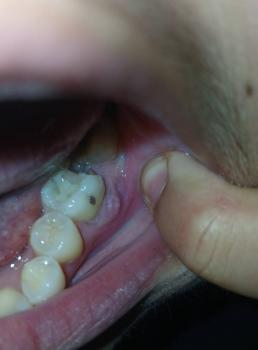
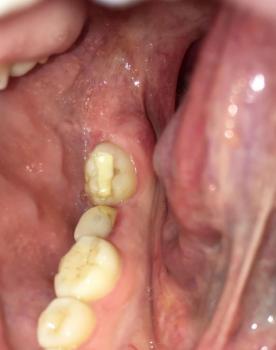
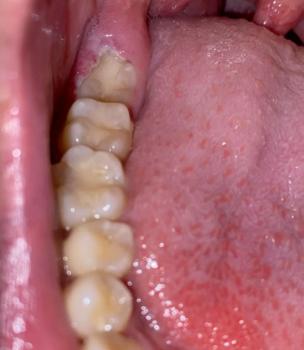
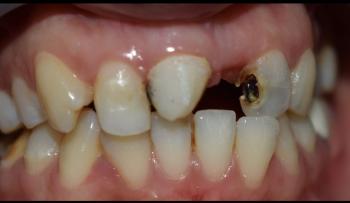
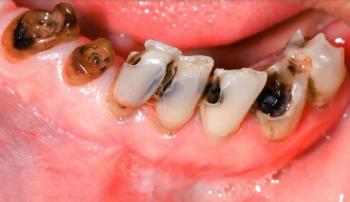
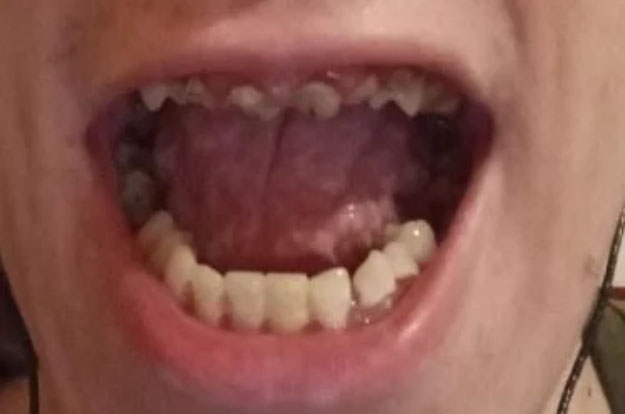
The source case describes multiple teeth with extensive structural loss, dark discoloration, and irregular or fractured surfaces. These findings are concerning for advanced dental caries.
From a restorative dentistry perspective, the key clinical questions are:
-
How much healthy tooth structure remains?
-
Has decay reached the pulp, which contains the tooth's nerves and blood vessels?
-
Is there an infection around the root?
-
Does the tooth have enough sound structure to support a filling or crown?
-
Is the tooth restorable, or would extraction provide a safer long-term outcome?
Dark discoloration alone cannot establish whether a tooth is actively decaying, dead, or infected. Likewise, a photograph cannot confirm pulp involvement, root fracture, or an abscess. Dental radiographs, examination, and appropriate pulp tests help establish the diagnosis.
The goal is not automatically to remove every damaged tooth. It is to identify which teeth can predictably be saved and which require removal.
Why Do Severely Decayed Teeth Break So Easily?
1. Loss of protective enamel
As decay removes enamel, the underlying dentin becomes more exposed. Cavities weaken the tooth's natural structure, particularly when they extend across several surfaces.
2. Undermined tooth walls
A cavity can extend beneath apparently intact enamel. The unsupported enamel may eventually collapse during chewing, making the tooth appear to crumble suddenly.
3. Deep decay and pulp involvement
When decay approaches or enters the pulp, inflammation or infection may develop. The tooth may become painful, but a tooth with a dead pulp can sometimes remain painless. Absence of pain does not mean the tooth is healthy.
4. Cracks and repeated chewing pressure
A weakened tooth may crack under normal biting forces. Grinding or clenching can increase the mechanical load and worsen existing structural damage.
5. Acid erosion and dry mouth
Frequent acidic drinks, reflux-related acid exposure, or vomiting can contribute to enamel erosion. Reduced saliva also increases cavity risk because saliva helps neutralize acids and protect tooth surfaces.
Can a Crumbling Tooth Still Be Saved?
Yes, in some cases. Treatment depends on the amount of remaining healthy tooth structure, the condition of the pulp and roots, gum health, and whether the tooth can be restored with a predictable outcome.
-
Fluoride treatment: May help remineralize early, non-cavitated enamel lesions. It cannot rebuild a large missing section of tooth.
-
Dental filling: Suitable when decay can be removed and enough sound tooth structure remains to support a restoration.
-
Onlay or crown: May protect a structurally weakened tooth when sufficient healthy structure remains. A crown is not appropriate for every damaged tooth.
-
Root canal treatment and restoration: May preserve a tooth when the pulp is irreversibly inflamed or infected, provided the tooth is otherwise restorable.
-
Extraction: May be necessary if decay extends too far below the gumline, a fracture makes restoration impossible, or too little healthy structure remains for a predictable result.
A root canal does not restore missing tooth structure by itself. The tooth generally also needs an appropriate permanent restoration, and some teeth require a crown for protection.
What Should You Do If Your Teeth Are Crumbling?
Arrange a dental examination promptly, especially if several teeth are breaking or cavities are visibly deep. Early assessment can help prevent additional structural loss and identify infection before it becomes more serious.
Until you can be examined:
-
Brush gently twice daily with fluoride toothpaste and spit out the excess rather than rinsing thoroughly with water immediately afterward.
-
Clean between the teeth carefully, provided doing so does not cause significant pain or injury.
-
Choose softer foods and chew on the unaffected side if comfortable.
-
Avoid hard, sticky, sugary, and highly acidic foods or drinks. Reduce frequent sipping of soda and sweetened beverages.
-
Do not place aspirin, alcohol, household chemicals, or unprescribed antibiotics directly on a tooth or gum.
-
Do not attempt to drill, scrape, glue, or pull out the damaged tooth yourself.
If a piece breaks off, keep it in a clean container and bring it to the dentist if practical. A dentist can determine whether it has any clinical use.
When Is Crumbling Tooth Decay an Emergency?
Seek urgent dental assessment for severe or persistent toothache, pain that interferes with sleep, pus, a bad taste associated with swelling, or increasing gum or facial swelling.
Go to an emergency department immediately if you develop difficulty breathing or swallowing, rapidly spreading swelling of the face or neck, swelling around the eye with visual symptoms, or marked difficulty opening your mouth accompanied by worsening swelling or illness. These can indicate a potentially dangerous spreading infection.
Antibiotics are not a substitute for treating the source of a dental infection. Dentists may need to drain an abscess, perform root canal treatment, or extract the affected tooth. Antibiotics are used when clinically indicated, particularly when infection is spreading or there are systemic signs.
Expert Dental Takeaway
Crumbling teeth are a warning sign of significant structural damage, but the appearance alone cannot determine whether a tooth is beyond saving. The most useful next step is a complete dental examination with appropriate X-rays and pulp assessment.
The sooner the cause is identified, the more opportunity there may be to preserve healthy tooth structure, control infection, and avoid more extensive treatment.
Dental decay remains one of the most common chronic diseases worldwide, affecting millions of adults every year. While many cavities begin as small areas of enamel damage, untreated decay can progress into severe destruction of multiple teeth, leading to pain, infection, tooth loss, and significant impacts on quality of life.
In this dental case, the clinical image reveals extensive tooth structure loss affecting multiple teeth. The visible dark discoloration, fractured tooth surfaces, and widespread breakdown of enamel strongly suggest advanced dental caries with possible pulpal involvement.
Although a definitive diagnosis requires a clinical examination and dental radiographs, this case demonstrates the devastating consequences of untreated dental disease and highlights the importance of early intervention.
What Does the Clinical Image Show?
The photograph reveals several concerning findings:
-
Multiple teeth affected by extensive decay
-
Significant loss of enamel structure
-
Dark brown and black discoloration
-
Possible dentin exposure
-
Irregular and fractured tooth surfaces
-
Generalized deterioration affecting several teeth
The severity suggests that the disease process has likely been present for a prolonged period.
Diagnosis: Severe Generalized Dental Caries
What Is Dental Caries?
Dental caries is a bacterial disease that destroys tooth structure through acid production.
Bacteria naturally present in the mouth feed on dietary sugars and carbohydrates. As these bacteria metabolize food particles, they produce acids that gradually dissolve tooth enamel.
Over time, the damage progresses deeper into the tooth.
Why This Case Is Considered Severe
This case demonstrates several characteristics associated with advanced dental caries:
-
Multiple teeth involved
-
Extensive structural damage
-
Large cavitated lesions
-
Potential pulpal involvement
-
High risk of infection
Such widespread destruction rarely develops quickly and often reflects years of ongoing disease progression.
Common Causes of Severe Dental Decay
Frequent Sugar Consumption
One of the most significant risk factors is repeated exposure to:
-
Soft drinks
-
Candy
-
Sweetened coffee
-
Energy drinks
-
Sugary snacks
-
Processed foods
Every sugar exposure fuels acid-producing bacteria.
Poor Oral Hygiene
Without effective brushing and flossing:
-
Plaque accumulates
-
Bacterial populations increase
-
Acid attacks become more frequent
Dry Mouth
Saliva helps neutralize acids and repair early enamel damage.
Reduced saliva production can dramatically increase cavity risk.
Common causes include:
-
Medications
-
Smoking
-
Medical conditions
-
Dehydration
Delayed Dental Care
Many patients postpone treatment due to:
-
Fear
-
Cost concerns
-
Busy schedules
-
Lack of symptoms
Unfortunately, dental decay rarely stops progressing on its own.
Clinical Signs and Symptoms
Early Stage
Patients may notice:
-
White spots
-
Mild sensitivity
-
Food retention
Moderate Stage
As decay progresses:
-
Visible cavities
-
Brown discoloration
-
Temperature sensitivity
-
Mild pain
Advanced Stage
In severe cases:
-
Tooth fractures
-
Constant pain
-
Difficulty chewing
-
Bad breath
-
Gum inflammation
-
Infection
The current case appears consistent with advanced-stage disease.
Potential Complications
Severe Dental Pain
As decay approaches the pulp chamber, pain often becomes more intense.
Symptoms may include:
-
Throbbing pain
-
Night pain
-
Sensitivity to hot and cold
-
Pain while chewing
Pulpitis
Pulpitis occurs when bacteria invade the dental pulp.
The pulp contains:
-
Blood vessels
-
Nerves
-
Connective tissue
Once infected, inflammation develops and pain may become severe.
Dental Abscess
A dental abscess forms when infection extends beyond the tooth.
Warning signs include:
-
Facial swelling
-
Pus drainage
-
Fever
-
Enlarged lymph nodes
-
Severe pain
Bone Loss
Untreated infections can spread into the surrounding jawbone.
Chronic infection may result in:
-
Bone destruction
-
Tooth mobility
-
Increased risk of tooth loss
Tooth Loss
When structural damage becomes extensive, restoration may no longer be possible.
Extraction may become the only option.
How Dentists Evaluate Severe Decay
Clinical Examination
The dentist evaluates:
-
Remaining tooth structure
-
Gum health
-
Bite relationship
-
Signs of infection
Dental X-Rays
Radiographs help identify:
-
Hidden cavities
-
Root infections
-
Bone loss
-
Abscess formation
Pulp Testing
Vitality testing determines whether the nerve remains healthy.
Treatment Options
Dental Fillings
Small to moderate cavities may be restored using:
-
Composite fillings
-
Glass ionomer materials
Dental Crowns
Teeth with extensive damage often require crowns.
Crowns restore:
-
Strength
-
Function
-
Appearance
Root Canal Therapy
If infection reaches the pulp:
Root canal treatment may save the tooth.
The procedure involves:
-
Removing infected tissue
-
Cleaning root canals
-
Sealing the tooth
Tooth Extraction
Extraction becomes necessary when:
-
Damage is beyond repair
-
Infection is severe
-
Fractures extend below the gumline
Dental Implants
After extraction, implants may be considered to replace missing teeth.
Benefits include:
-
Improved chewing
-
Bone preservation
-
Natural appearance
Recovery Timeline
Fillings
Recovery is typically immediate.
Minor sensitivity may persist for several days.
Crowns
Most patients adjust within one week.
Root Canal Treatment
Discomfort generally improves within several days.
Extractions
First 24 Hours
-
Mild bleeding
-
Soreness
-
Swelling
Days 2–7
-
Progressive healing
-
Reduced discomfort
Weeks 1–2
-
Soft tissue closure
The Important 14-Day Healing Milestone
By two weeks, healing should show measurable improvement.
Seek immediate dental care if you experience:
-
Persistent swelling
-
Fever
-
Foul taste
-
Severe pain
-
Difficulty swallowing
These may indicate ongoing infection.
What Happens If Treatment Is Delayed?
The disease process typically accelerates.
Potential outcomes include:
Increased Tooth Destruction
More enamel and dentin are lost over time.
Deeper Infection
Bacteria continue progressing toward the pulp.
More Expensive Treatment
Advanced cases often require:
-
Root canals
-
Crowns
-
Extractions
-
Implants
Greater Risk of Tooth Loss
Delays reduce the likelihood of saving affected teeth.
Prevention Strategies
Brush Twice Daily
Use fluoride toothpaste.
Floss Daily
Flossing removes plaque between teeth.
Limit Sugary Foods
Reduce the frequency of sugar exposure.
Drink More Water
Water helps neutralize acids and rinse away debris.
Routine Dental Visits
Regular examinations allow early detection before major damage occurs.
Prognosis
The long-term outlook depends on:
-
Amount of remaining tooth structure
-
Presence of infection
-
Bone support
-
Patient compliance
Many severely damaged teeth can still be restored when treated promptly.
However, delaying treatment increases the likelihood of extraction.
Final Assessment
Based on the clinical image, this case appears consistent with severe generalized dental caries involving multiple teeth with extensive structural breakdown. The visible destruction suggests advanced disease that may involve dentin, pulp tissue, and potentially periapical structures.
A comprehensive dental examination and radiographic evaluation are essential to determine whether the affected teeth can be restored through fillings, crowns, or root canal treatment, or whether extraction is necessary.
Without timely intervention, the risk of pain, infection, abscess formation, bone loss, and tooth loss increases substantially. Early professional treatment remains the most effective way to preserve oral health and prevent further complications.
Find a Dental Clinic Near You
Need professional dental care?
Visit:
https://cebudentalimplants.com/map-dental-clinic
to locate dental providers and learn more about available treatment options.
Related Clinical Cases
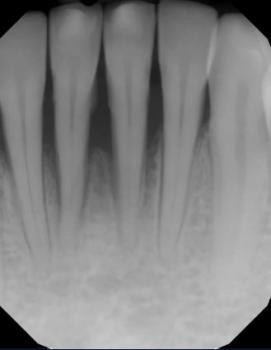
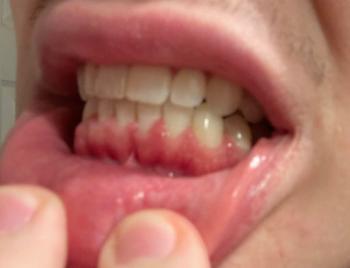
Patients with lower front gum inflammation may also experience tartar buildup, periodontal disease, gum abscesses, or tooth decay. Explore these related clinical case studies.