Building Confidence One Smile at a Time.

The Truth About Teeth Discoloration: Causes, Concerns, and Solutions
Language :
Topics:
A bright, white smile is often seen as a sign of health and confidence. But over time, most people notice their teeth losing their luster. From morning coffee to certain medications, discoloration can creep in slowly and once it is there, it is hard to ignore. In this post, we will explore why tooth staining is so easy to spot, whether white teeth are more prone to discoloration, the surprising role of bacteria, and practical advice to keep your smile bright. A detailed FAQ section answers the most common questions.
Why Discoloration Is Easily Spotted
Teeth are front and center in your daily interactions. Every time you smile, talk, or laugh, your teeth are on display. Discoloration stands out for several simple reasons.
High Contrast
Even a slight yellow or brown shade becomes obvious against the natural pink of your gums and lips.
Uniform Surface
Healthy teeth have a smooth, glossy enamel. Stains disrupt that uniformity, creating patches or streaks that catch the eye.
Light Reflection
White enamel reflects light evenly. Discolored areas absorb more light, making them appear dull and darker compared to surrounding teeth.
Social Awareness
People are naturally attuned to smiles. Subtle changes in tooth color are often noticed by others before you even see them in the mirror.
In short, your teeth are one of the first things people notice, so any change in color is immediately visible.
Can White Teeth Easily Become Discolored?
This is a common concern: If I whiten my teeth, will they stain faster? The answer is a little nuanced.
Natural White vs. Artificially Whitened Teeth
Natural white teeth, your original enamel color, have a protective layer that resists some staining. However, artificially whitened teeth can be more susceptible to picking up new stains right after treatment. That is because whitening opens the pores of your enamel temporarily, allowing pigments from coffee, tea, or red wine to seep in more easily.
Long-Term Comparison
White teeth do not discolor faster than darker teeth over the long term. Once the enamel pores close, usually within 48 hours after whitening, the staining rate returns to normal. The real difference is visibility: stains show up more dramatically on a white background.
Key takeaway: White teeth are not inherently weaker or more stain-prone, but they require extra care immediately after whitening.
What Causes Teeth Discoloration?
Discoloration falls into two categories: extrinsic (surface stains) and intrinsic (deep internal stains). Below are the most common culprits.
Extrinsic Stains (On the Enamel)
-
Food and drink: Coffee, tea, red wine, cola, soy sauce, berries, and tomato-based sauces.
-
Tobacco: Tar and nicotine leave stubborn yellow-brown deposits.
-
Poor oral hygiene: Plaque buildup absorbs pigments like a sponge.
Intrinsic Stains (Inside the Tooth)
-
Certain medications: Tetracycline antibiotics (especially in childhood), high-dose fluoride, and some antihistamines.
-
Trauma: A fall or injury can cause internal bleeding that darkens the tooth.
-
Aging: Enamel naturally wears down over time, revealing the yellowish dentin underneath.
-
Genetics: Some people naturally have thicker, whiter enamel; others have thinner, more translucent enamel.
Can Bacteria Color Your Teeth?
Absolutely, and it is more common than you might think. Your mouth is home to hundreds of bacterial species. While most are harmless, some can directly stain your teeth.
Chromogenic Bacteria
Certain bacteria, such as Actinomyces species, produce colored byproducts like green, orange, or black pigments. These are most often seen along the gumline in children or people with poor oral hygiene.
Plaque as a Stain Magnet
Even non-pigmented bacteria create a sticky biofilm called plaque. This rough surface traps pigments from food and drink, leading to yellow or brown stains.
Sulfur-Producing Bacteria
These can cause a greenish-gray discoloration in deep grooves or around dental work.
Black Stain
A distinct, dark line near the gums is linked to specific bacteria, often Corynebacterium or Prevotella. It is stubborn but not harmful to tooth health.
Bottom line: Bacteria do not just cause cavities and bad breath; they can directly paint your teeth in unwanted colors.
Practical Advice to Prevent and Reduce Discoloration
You do not have to accept stained teeth as inevitable. Follow these daily habits, smart eating strategies, and professional options.
Daily Oral Hygiene
-
Brush twice a day with a fluoride toothpaste. For stain removal, look for silica or baking soda-based formulas.
-
Floss daily to remove plaque between teeth where stains start.
-
Rinse with water after consuming coffee, tea, or red wine.
Smart Eating and Drinking
-
Use a straw for dark beverages to bypass front teeth.
-
Chew sugar-free gum with xylitol. It increases saliva, which naturally cleanses stains.
-
Limit acidic foods like citrus and soda. Acid softens enamel, making it easier for pigments to stick.
Professional and At-Home Treatments
-
Dental cleanings every 6 months remove surface stains and plaque.
-
Whitening toothpaste can remove mild extrinsic stains but will not change intrinsic color.
-
Over-the-counter strips or gels with hydrogen peroxide or carbamide peroxide work for most extrinsic and mild intrinsic stains.
-
In-office bleaching is the fastest and most effective for deep or stubborn discoloration.
-
Avoid charcoal or abrasive DIY pastes; they can erode enamel permanently.
When to See a Dentist
-
Stains that do not respond to whitening products.
-
A single dark tooth, which could indicate decay or trauma.
-
Discoloration accompanied by pain or sensitivity.
Frequently Asked Questions (FAQ)
Why are my teeth turning yellow even though I brush every day?
Brushing removes surface plaque but cannot prevent natural enamel thinning. As you age, enamel wears down, revealing the yellower dentin layer underneath. Also, some stains from coffee, tea, or tobacco are too deep for regular brushing alone.
Do electric toothbrushes prevent staining better than manual ones?
Yes, generally. Electric toothbrushes, especially sonic or oscillating-rotating models, remove more plaque and surface stains than manual brushing, provided you use them correctly.
Can whitening damage my enamel?
No, when used as directed. Professional and reputable over-the-counter whiteners use peroxide gels that temporarily dehydrate teeth but do not erode enamel. Overuse or abrasive products like charcoal can damage enamel.
How long does teeth whitening last?
Typically 6 months to 3 years, depending on your diet and habits. Smoking, coffee, tea, and red wine will shorten the results. Touch-up treatments every few months help maintain brightness.
Are some people more prone to bacterial staining?
Yes. People with braces, poor oral hygiene, dry mouth (xerostomia), or irregular tooth surfaces such as deep grooves or crowded teeth have higher risk. Children are also more susceptible to chromogenic bacterial stains.
Can I remove black stain caused by bacteria at home?
Mild cases may improve with diligent brushing and flossing, but black stain often requires a professional dental cleaning (scaling and polishing). Your dentist can remove it completely in one visit.
Do natural remedies like oil pulling or baking soda work?
Oil pulling (swishing coconut oil) may help reduce plaque bacteria slightly, but it is not proven to whiten teeth. Baking soda is mildly abrasive and can remove surface stains, but overuse can wear down enamel. Use with caution, no more than once or twice a week.
Is it true that some antibiotics permanently discolor teeth?
Yes. Tetracycline and doxycycline taken during childhood, when teeth are still forming, can cause intrinsic gray or brown banding that whitening products cannot fix. This is why these antibiotics are avoided in children under 8 and pregnant women.
Final Summary
Teeth discoloration is common, highly visible, and often preventable. While white teeth may show stains more obviously, they are not inherently weaker. The biggest surprises for most people are that bacteria can directly color your teeth and some stains are inside the tooth, beyond the reach of any toothpaste.
The good news: consistent oral hygiene, smart dietary choices, and regular dental visits can keep most staining at bay. And if discoloration has already set in, modern whitening options, from toothpaste to professional treatments, offer safe, effective solutions.
Your smile tells a story. Make sure it is a bright one.
Related Clinical Cases
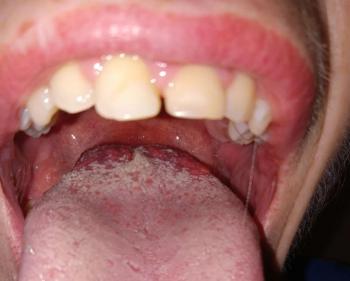
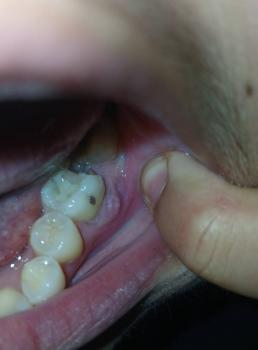
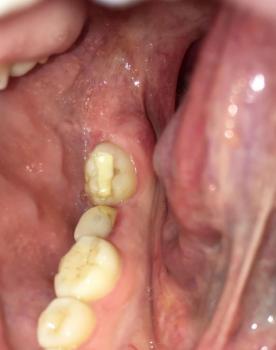
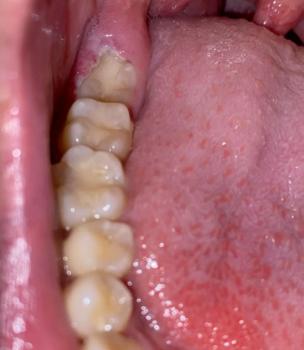
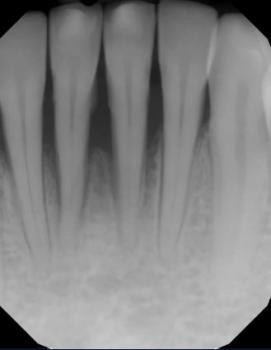
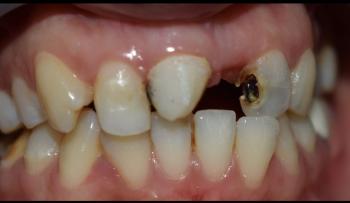
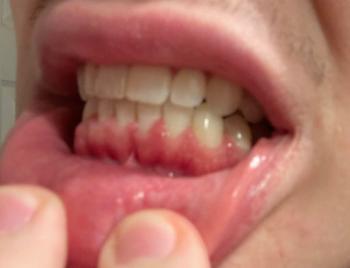
Patients with lower front gum inflammation may also experience tartar buildup, periodontal disease, gum abscesses, or tooth decay. Explore these related clinical case studies.
Other topics:
Other Dental Clinic