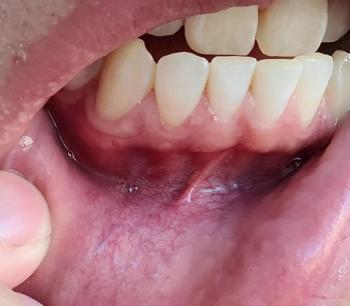
Swelling after extraction

Tooth Extraction Aftercare: What to Do in the First 24 Hours for Faster Healing

Tooth Extraction Aftercare: What to Do in the First 24 Hours

The first 24 hours after a tooth extraction are crucial for proper healing. During this time, a blood clot forms inside the socket where the tooth was removed. This clot protects the underlying bone and nerves and serves as the foundation for new tissue growth. If the clot becomes dislodged, complications such as dry socket can occur, causing severe pain and delayed healing.

Post-Extraction Healing Check: Is This Normal After a Back Lower Tooth Removal?

Severity: 

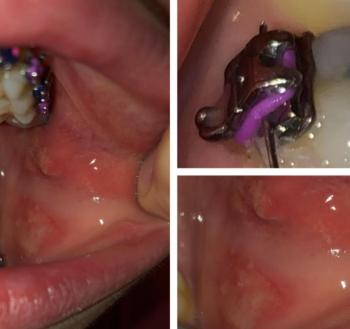
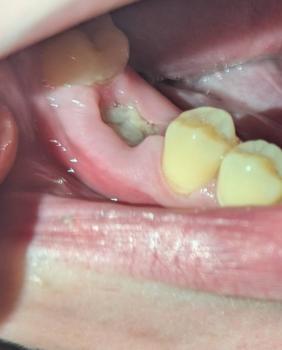
Client concern: “I had my back left bottom tooth removed on Friday. Is this normal, or am I just paranoid?”

Zoom 100% Visual Assessment (Based on the Image Provided)

At full zoom, the area shown appears to be a recent extraction socket on the lower left posterior (back) jaw, behind the last standing molar. The socket contains a gray-white to yellowish material with surrounding pink tissue.

Recovering After Tooth Extraction: Warning Signs You Shouldn’t Ignore
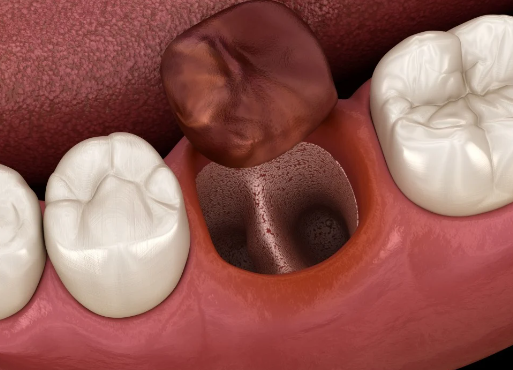
Dry Socket or Normal Healing? What to Expect After Tooth Extraction 

After a tooth extraction, it’s normal to experience some pain, swelling, and discomfort — but how can you tell if your healing is on track or if something’s wrong?
One of the most common post-extraction complications is called dry socket, a condition that can cause intense pain and delay healing.

Understanding the signs, healing stages, and when to see your dentist can help you recover faster and avoid complications.
Pages