Your Smile, Our Passion.

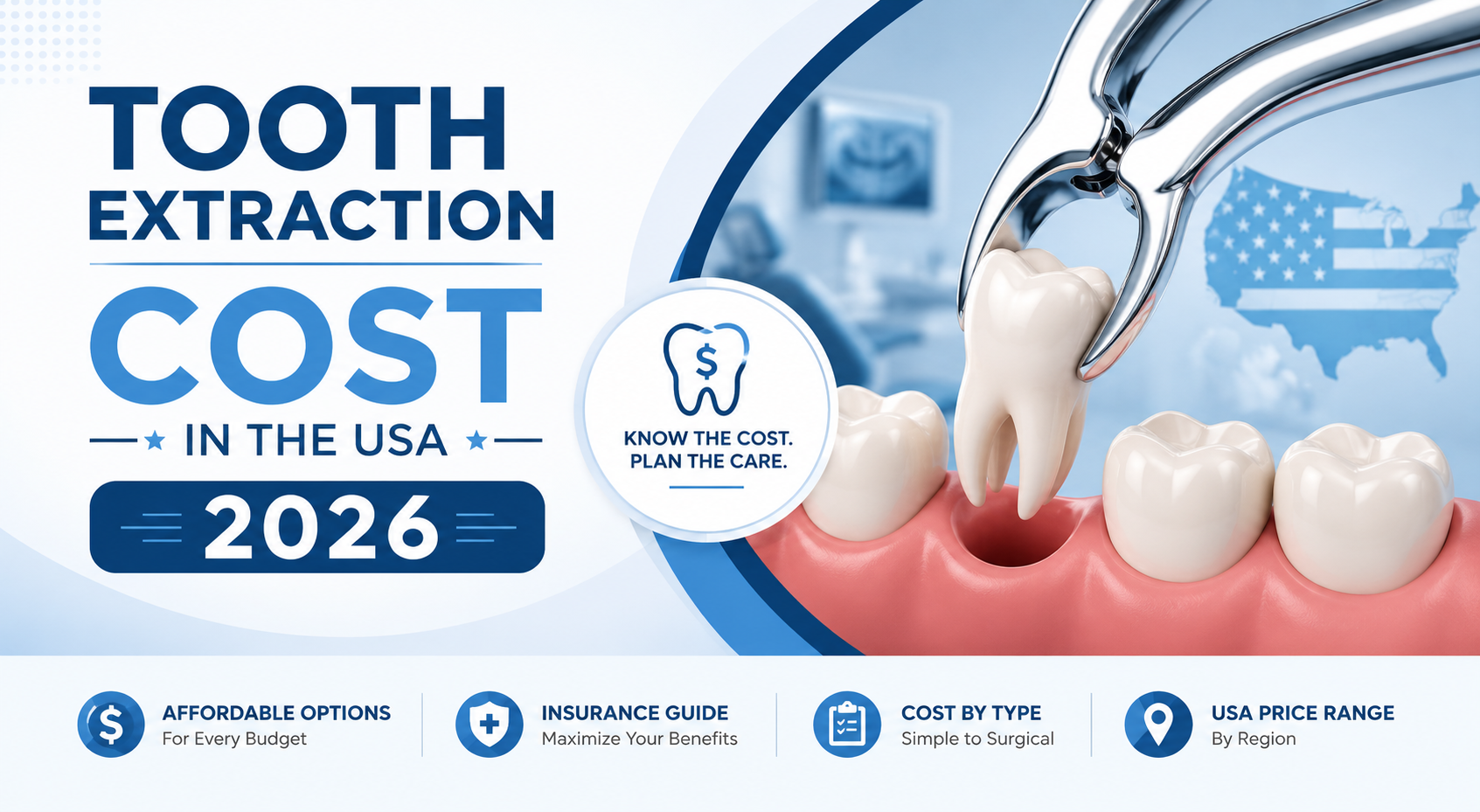
Tooth Extraction Cost in the USA (2026): Complete Guide to Prices, Insurance Coverage, and Finding the Right Dental Provider
Language :
Topics:
Many thoughts that all American can afford dental care that fact remain not all can afford due to financial issues.
Table of Contents
- Introduction
- Average Tooth Extraction Costs in the USA (2026)
- Types of Tooth Extractions and Their Costs
- Why Tooth Extraction Costs Vary
- Additional Fees You Should Expect
- How Dental Insurance Affects Extraction Costs
- Understanding Dental Insurance Terminology
- How to Verify Your Dental Benefits Before Treatment
- Can Medical Insurance Cover Tooth Extractions?
- Dental Savings Plans vs Traditional Insurance
- Financing Options for Tooth Extractions
- Cash Discounts and Negotiating Costs
- How to Find a Trusted Dental Clinic
- Questions to Ask Before Scheduling Treatment
- Tooth Extraction Cost by Region
- Wisdom Tooth Removal Costs Explained
- Oral Surgeon vs General Dentist: Cost Differences
- What Happens During a Tooth Extraction?
- Recovery and Aftercare Costs
- Final Thoughts
Tooth Extraction Cost in the USA (2026): Complete Guide to Prices, Insurance Coverage, and Finding the Right Dental Provider
Tooth extraction remains one of the most common dental procedures performed in the United States. Whether you need a damaged tooth removed, an infected tooth extracted, or impacted wisdom teeth taken out, understanding the potential costs beforehand can help you avoid unexpected financial surprises.
In 2026, the cost of a tooth extraction varies significantly depending on several factors, including the complexity of the procedure, geographic location, provider experience, anesthesia requirements, and insurance coverage.
This comprehensive guide explains everything you need to know about tooth extraction costs in America, how insurance affects pricing, ways to reduce expenses, and how to find a trustworthy dental provider.
Average Tooth Extraction Costs in the USA (2026)
The national average cost of a tooth extraction can range from under $100 for a simple procedure to over $1,100 for a complicated wisdom tooth extraction.
Estimated Costs Per Tooth
| Procedure Type | Estimated Out-of-Pocket Cost |
|---|---|
| Simple Extraction | $75 – $400 |
| Surgical Extraction | $180 – $650 |
| Impacted Molar (Full-Bony) | $400 – $800 |
| Wisdom Tooth Removal | $200 – $1,100+ |
These estimates generally represent the extraction procedure itself and often do not include additional services such as X-rays, sedation, consultations, medications, or follow-up appointments.
Types of Tooth Extractions and Their Costs
Understanding the type of extraction you need is essential because it has the greatest influence on overall cost.
Simple Extraction
A simple extraction involves removing a tooth that is fully visible above the gumline.
Common reasons include:
- Severe decay
- Loose teeth from gum disease
- Broken teeth that remain accessible
- Orthodontic treatment requirements
The dentist typically loosens the tooth using specialized instruments and removes it with forceps.
Average Cost
$75 to $400 per tooth
Most general dentists perform simple extractions in-office using local anesthesia.
Surgical Extraction
A surgical extraction is more complicated and often requires an incision in the gums.
Reasons include:
- Broken teeth below the gumline
- Severely damaged teeth
- Difficult root structures
- Teeth that cannot be removed conventionally
Average Cost
$180 to $650 per tooth
Surgical procedures often require additional imaging and longer treatment times.
Impacted Tooth Extraction
An impacted tooth remains trapped partially or completely beneath the gum tissue or jawbone.
Impacted teeth commonly occur with wisdom teeth but can affect other teeth as well.
Average Cost
$400 to $800 per tooth
Full-bony impactions generally cost more than soft tissue impactions due to the increased surgical complexity.
Wisdom Tooth Removal
Wisdom teeth are the third molars located at the back of the mouth.
Many patients require extraction because wisdom teeth may:
- Grow at improper angles
- Damage neighboring teeth
- Cause infections
- Lead to cyst formation
- Create crowding
Average Cost
$200 to $1,100+ per tooth
Removing all four wisdom teeth can cost several thousand dollars, especially when sedation is required.
Why Tooth Extraction Costs Vary
Many patients are surprised to discover that two dental offices may quote very different prices for seemingly similar procedures.
Several factors influence pricing.
1. Complexity of the Procedure
The more difficult the extraction, the higher the cost.
For example:
A simple visible tooth can often be removed in minutes.
An impacted wisdom tooth may require:
- Surgical incisions
- Bone removal
- Tooth sectioning
- Sutures
- Additional surgical time
These factors increase professional fees.
2. Geographic Location
Dental costs vary dramatically across the United States.
Generally, fees are higher in:
- New York City
- Los Angeles
- San Francisco
- Seattle
- Boston
- Washington, D.C.
Lower fees are often found in:
- Rural communities
- Small towns
- Lower-cost regions of the Midwest and South
Higher rent, labor costs, and operating expenses contribute to elevated prices in metropolitan areas.
3. Provider Experience
General dentists and oral surgeons often charge different fees.
General Dentist
Usually performs:
- Routine extractions
- Basic surgical cases
Often charges less.
Oral Surgeon
Specializes in:
- Impacted wisdom teeth
- Complex surgical extractions
- Sedation dentistry
- Bone-related procedures
Often charges more but may provide expertise for difficult cases.
4. Sedation Requirements
Local anesthesia is generally included in extraction fees.
However, many patients require additional sedation.
Typical Sedation Costs
| Sedation Type | Additional Cost |
|---|---|
| Nitrous Oxide | $50 – $250 |
| Oral Sedation | $100 – $500 |
| IV Sedation | $250 – $1,000 |
| General Anesthesia | $500 – $2,000+ |
These costs are often billed separately.
Additional Fees You Should Expect
Many treatment estimates exclude ancillary services.
Common additional costs include:
Diagnostic X-Rays
- Bitewing X-rays: $25–$75
- Panoramic X-ray: $80–$200
- CBCT Scan: $150–$600
Consultation Fees
Some specialists charge:
- $50–$250 for an evaluation
Many offices waive this fee when treatment proceeds.
Prescription Medications
Post-extraction medications may include:
- Antibiotics
- Anti-inflammatory medications
- Prescription pain relievers
Costs generally range from:
$10–$100
Bone Grafting
If a future dental implant is planned, bone grafting may be recommended immediately after extraction.
Average cost:
$300–$3,000+
depending on graft type and complexity.
How Dental Insurance Affects Extraction Costs
Dental insurance can significantly reduce your out-of-pocket expenses.
Most plans classify extractions as basic or major restorative procedures.
Coverage commonly ranges from:
Basic Extractions
50%–80% coverage
Surgical Extractions
50%–80% coverage
Wisdom Tooth Surgery
Coverage varies by plan
Patients remain responsible for deductibles, co-insurance, and annual maximum limitations.
Understanding Dental Insurance Terminology
Insurance documents often contain unfamiliar terms.
Understanding these terms helps estimate your costs accurately.
Annual Maximum
The maximum amount your insurance company pays during a calendar year.
Example:
Annual Maximum = $1,500
If your insurer has already paid $1,300 this year, only $200 remains available.
Deductible
The amount you must pay before insurance contributes.
Example:
Deductible = $50
You pay the first $50 of treatment costs.
Coinsurance
The percentage of treatment costs you share.
Example:
Insurance pays 80%
You pay 20%
For a $500 extraction:
- Insurance pays $400
- You pay $100
Waiting Period
Some plans require waiting periods before major procedures become eligible.
Waiting periods often range from:
- 6 months
- 12 months
Always verify this before scheduling treatment.
How to Verify Your Dental Benefits Before Treatment
One of the best ways to avoid unexpected bills is verifying benefits before treatment begins.
Request a Pre-Treatment Estimate
Ask your dental office to submit a pre-treatment estimate to your insurance company.
This document provides:
- Estimated insurance payment
- Patient responsibility
- Deductible information
- Remaining annual maximum
A pre-treatment estimate is one of the most valuable financial planning tools available.
Review Previous EOB Statements
Your Explanation of Benefits (EOB) shows:
- Previous claims
- Coverage percentages
- Deductible status
- Annual maximum usage
Reviewing these documents helps predict future costs.
Verify Network Participation
Ask the office:
"Are you in-network with my insurance plan?"
In-network providers generally offer:
- Lower fees
- Reduced out-of-pocket costs
- Simplified billing
Out-of-network providers may charge substantially more.
Can Medical Insurance Cover Tooth Extractions?
Many patients overlook the possibility of medical insurance assistance.
While routine dental extractions are typically excluded, medical insurance may provide benefits when treatment involves:
- Facial trauma
- Accidents
- Severe infections
- Impacted wisdom teeth with medical complications
- Hospital-based oral surgery
Ask the oral surgeon's office whether they have experience submitting medical claims.
Their billing team may identify benefits you were unaware existed.
Dental Savings Plans vs Traditional Insurance
Dental savings plans are becoming increasingly popular.
Unlike insurance, these plans provide discounted rates in exchange for an annual membership fee.
Typical Benefits
Members may receive discounts of:
- 15%
- 20%
- 30%
- Up to 50%
on dental procedures.
Advantages
- No deductibles
- No waiting periods
- Immediate activation
- Lower annual costs
These plans may benefit patients who lack traditional dental insurance.
Financing Options for Tooth Extractions
Many dental practices offer financing solutions.
In-House Payment Plans
Some clinics allow monthly payments directly through the office.
Benefits include:
- No credit check in some cases
- Flexible arrangements
- Easier budgeting
Third-Party Financing
Popular healthcare financing programs often offer:
- Extended payment terms
- Promotional interest rates
- Online applications
Patients can spread costs over several months or years.
Cash Discounts and Negotiating Costs
Many private dental practices appreciate immediate payment.
You may qualify for:
- Cash discounts
- Prepayment discounts
- Same-day payment discounts
Savings often range from:
5% to 15%
depending on the office policy.
Always ask whether discounts are available.
How to Find a Trusted Dental Clinic
Finding the right provider involves more than comparing prices.
Quality, experience, and transparency matter.
Use Your Insurance Provider Directory
Most insurance companies maintain online provider directories.
Popular insurers include:
- Delta Dental
- Cigna
- MetLife
Searching within your insurance network can dramatically reduce costs.
Search Professional Directories
The most reliable professional resources include:
- American Dental Association Find-a-Dentist directory
- American Association of Oral and Maxillofacial Surgeons surgeon directory
These resources help identify qualified providers.
Read Online Reviews Carefully
Look beyond star ratings.
Pay attention to comments about:
- Cost transparency
- Billing practices
- Insurance assistance
- Staff communication
- Surgical outcomes
Patterns often reveal more than individual reviews.
Questions to Ask Before Scheduling Treatment
Before committing to treatment, ask:
Question #1
"Do you accept my insurance plan?"
Question #2
"Do you offer payment plans or financing options?"
Question #3
"Are cash discounts available?"
Question #4
"Can you provide a written treatment plan with costs?"
Question #5
"Will I need additional procedures such as bone grafting or sedation?"
These questions can prevent unexpected expenses.
Tooth Extraction Cost by Region
Although individual fees vary, regional trends are common.
Northeast
Typically among the highest costs in the country.
Examples:
- New York
- Massachusetts
- Connecticut
West Coast
Often above national averages.
Examples:
- California
- Washington
- Oregon
Midwest
Generally closer to national averages.
Examples:
- Ohio
- Indiana
- Missouri
Southern States
Many regions offer comparatively affordable dental care.
Examples:
- Alabama
- Mississippi
- Arkansas
Wisdom Tooth Removal Costs Explained
Wisdom teeth deserve special attention because they are among the most frequently extracted teeth.
Costs increase based on:
- Number of teeth removed
- Level of impaction
- Sedation requirements
- Surgeon experience
- Geographic location
Patients removing all four wisdom teeth often spend:
$1,000 to $4,500+
depending on complexity.
Oral Surgeon vs General Dentist: Cost Differences
Many patients wonder whether specialist care is worth the additional cost.
General Dentist
Best for:
- Routine extractions
- Simple procedures
- Lower overall fees
Oral Surgeon
Best for:
- Impacted teeth
- Complex extractions
- Sedation cases
- High-risk surgical situations
While fees may be higher, specialist expertise often reduces surgical complications.
What Happens During a Tooth Extraction?
Understanding the process helps reduce anxiety.
Typical steps include:
- Examination and X-rays
- Local anesthesia administration
- Tooth loosening
- Tooth removal
- Cleaning the extraction site
- Placement of gauze
- Post-operative instructions
Surgical cases may require sutures and follow-up visits.
Recovery and Aftercare Costs
Most patients recover within several days.
Additional expenses may include:
- Pain medication
- Ice packs
- Soft foods
- Follow-up visits
Potential complications such as dry socket may require additional treatment.
Fortunately, complications remain relatively uncommon when aftercare instructions are followed carefully.
Final Thoughts
Tooth extraction costs in the United States in 2026 range from approximately $75 for a simple extraction to more than $1,100 for complex wisdom tooth removal procedures. Factors such as surgical difficulty, geographic location, provider expertise, sedation requirements, and insurance coverage all influence final pricing.
The best way to avoid unexpected expenses is to request a pre-treatment estimate, verify insurance benefits before treatment, ask about financing options, and obtain a written treatment plan. Patients without insurance should explore dental savings plans, payment arrangements, and available cash discounts.
By researching providers carefully and understanding your insurance coverage, you can receive the treatment you need while minimizing financial stress and making informed decisions about your oral health.
Can tooth extraction cause infection? Mild inflammation is normal, but increasing swelling, fever, or severe pain may indicate infection. Learn more about post-extraction infection warning signs in this detailed guide.
Book a consultation with our Cebu dental specialists for proper evaluation and care.
Ready to get expert guidance?
If you’re experiencing severe pain or delayed healing, book a consultation with our Cebu dental specialists to get proper evaluation and care.
Consultation or contact page .
Book a Consultation
For severe discomfort or delayed healing, book a consultation with our Cebu dental specialists today.
Looking for a dentist? Browse our Cebu dental directory to find trusted clinics near you.
Medical Review and Clinical Basis
This article is based on clinical dental guidelines and real patient recovery patterns observed after tooth extraction procedures. The information reflects common post-extraction healing stages, including normal clot formation, gum tissue repair, and signs of possible complications such as dry socket or infection.
While mild discomfort is expected after a dental extraction, worsening pain after Day 3, bad odor, exposed bone, or spreading pain may require professional evaluation. These symptoms are consistent with known post-extraction complications described in standard dental practice.
About Cebu Dental Implants
Cebu Dental Implants provides comprehensive tooth extraction, surgical procedures, and dental implant services in the Philippines. Our team evaluates post-extraction healing, manages complications such as dry socket, and advises patients on proper aftercare to prevent infection and delayed healing.
If you experience severe pain or unusual symptoms after extraction, early professional assessment is recommended to prevent further complications.
Important Medical Disclaimer
This content is for educational purposes only and does not replace professional dental diagnosis. Every patient heals differently. If symptoms worsen or do not improve within a few days, consult a licensed dentist for proper evaluation and treatment.
Author
This article was prepared by the Cebu Dental Implants content team in consultation with licensed dental professionals experienced in tooth extraction and implant procedures.
Related Clinical Cases
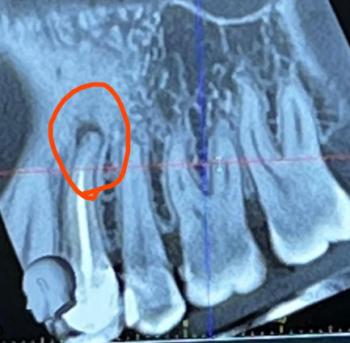
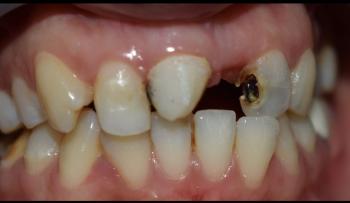
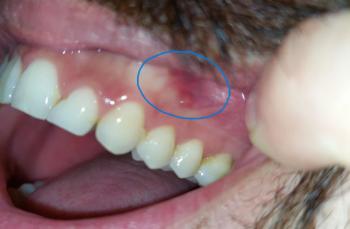
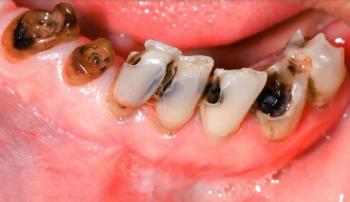
Patients with lower front gum inflammation may also experience tartar buildup, periodontal disease, gum abscesses, or tooth decay. Explore these related clinical case studies.

Other topics:
Other Dental Clinic
 |
 |
 |
 |