Transforming Smiles, Restoring Confidence.

Swelling After Tooth Extraction Timeline
Image:
Severity:
Teeth Problems:
A Complete Healing Guide from a Connecticut Dental Bone Graft Expert
Swelling after a tooth extraction is one of the most common—and most misunderstood—parts of recovery. Patients often ask:
“Is this swelling normal… or is something wrong?”
As a dental bone graft specialist practicinge in Connecticut, I can tell you this:
Swelling follows a very predictable timeline.
If you understand that timeline, you can avoid unnecessary worry—and quickly recognize when something isn’t right.
This detailed guide walks you through swelling day by day, explains what’s normal, what’s not, and how to manage it properly—especially if you’re preparing for dental implants or bone grafting.
Why Swelling Happens After Tooth Extraction
Swelling is not a problem—it’s part of healing.
After extraction, your body triggers:
- Increased blood flowe
- Immune response
- Tissue repair
This leads to inflammation, which appears as swelling.
Swelling Timeline: Day-by-Day Breakdown
Day 1 (First 24 Hours): Swelling Begins
What Happens
- Blood clot forms
- Inflammation starts
What You’ll Notice
- Mild swelling
- Slight puffiness around the extraction site
- Tenderness
Expert Advice
Start using cold compress immediately:
- 15 minutes on
- 15 minutes off
Day 2: Swelling Increases
What Happens
- Inflammatory response intensifies
What You’ll Notice
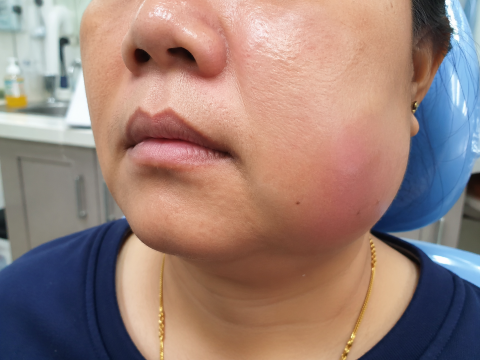
- Visible swelling in cheek or jaw
- Tight feeling in the area
- Mild stiffness
Clinical Insight
This is a normal progression—not a complication.
Day 3: Peak Swelling
What Happens
- Inflammation reaches its highest point
What You’ll Notice
- Maximum swelling
- Possible bruising
- Limited mouth opening
Important Note
This is the peak phase.
If swelling continues increasing after this point, it may need evaluation.
Day 4–5: Swelling Starts to Decrease
What Happens
- Healing begins to outweigh inflammation
What You’ll Notice
- Reduced swelling
- Less tightness
- Improved comfort
What to Do
Switch from cold compress to warm compress:
- Promotes circulation
- Speeds healing
Day 6–7: Significant Improvement
What Happens
- Tissue healing progresses
What You’ll Notice
- Mild residual swelling
- Nearly normal appearance
Week 2: Swelling Mostly Gone
What Happens
- Soft tissue stabilizes
What You’ll Notice
- Minimal or no swelling
- Normal facial appearance
Week 3–4: Internal Healing Continues
Even if swelling is gone externally, internal healing continues.
Normal vs Abnormal Swelling
Normal Swelling
- Peaks at Day 2–3
- Gradually decreases
- Mild to moderate
Abnormal Swelling
Contact your dentist if you notice:
- Swelling increasing after Day 3
- Severe pain with swelling
- Fever
- Pus or discharge
- Difficulty swallowing
Real Case from My Connecticut Practice
Patient: Emily, 38 years old
Day 1:
- Mild swelling
Day 2:
- Noticeable cheek swelling
Day 3:
- Peak swelling
Day 5:
- Significant reduction
Outcome:
- Normal healing
Contrast Case
Another patient delayed care:
- Swelling worsened after Day 4
- Developed infection
Lesson:
Swelling timing is diagnostic.
What Affects Swelling Severity?
1. Type of Extraction
- Simple extraction → less swelling
- Surgical extraction → more swelling
2. Bone Density
Denser bone can increase inflammation.
3. Number of Teeth Removed
Multiple extractions increase swelling.
4. Bone Grafting
Swelling is usually greater with grafting procedures.
5. Patient Health
Conditions like diabetes can affect healing.
6. Smoking
Smoking increases swelling and delays recovery.
How to Reduce Swelling Effectively
1. Use Cold Compress (First 48 Hours)
- Reduces inflammation
- Limits swelling
2. Switch to Warm Compress (After 48 Hours)
- Improves circulation
- Speeds healing
3. Keep Your Head Elevated
- Reduces fluid accumulation
4. Stay Hydrated
- Supports tissue repair
5. Follow Medication Instructions
Anti-inflammatory medication helps control swelling.
Foods That Help Reduce Swelling
Recommended
- Yogurt
- Smooth soups
- Eggs
- Soft fruits
Avoid
- Hard foods
- Spicy foods
- Alcohol
Swelling and Dental Implant Preparation
If you’re planning implants, swelling matters.
Proper healing ensures:
- Better bone stability
- Lower complication risk
- Higher implant success
Expert Advice
Never rush implant placement if swelling and healing are not complete.
Common Mistakes That Worsen Swelling
- Skipping ice application
- Sleeping flat
- Smoking
- Eating hard foods too early
- Ignoring instructions
Swelling vs Infection: Key Differences
Normal Swelling
- Improves after Day 3
- Mild discomfort
Infection
- Worsening swelling
- Severe pain
- Fever
- Discharge
When to Call Your Dentist
Contact your dentist immediately if:
- Swelling worsens after Day 3
- You develop fever
- Pain becomes severe
- You notice discharge
Long-Term Healing Timeline
Soft Tissue Healing:
1–2 weeks
Bone Healing:
2–4 months
FAQ: Swelling After Tooth Extraction
1. When does swelling peak?
Usually Day 2–3.
2. How long does swelling last?
Most swelling resolves within 5–7 days.
3. Is swelling normal after extraction?
Yes—it’s part of healing.
4. When should I worry about swelling?
If it worsens after Day 3 or is accompanied by fever.
5. Can I prevent swelling completely?
No—but you can minimize it.
6. Does swelling affect implants?
Yes—proper healing is essential before implant placement.
Related Topics
1. Tooth Extraction Healing Stages Day-by-Day
Understand the full recovery timeline.
2. Dry Socket vs Normal Healing
Learn how to identify complications early.
3. Dental Implant Recovery Guide
Prepare for post-implant healing.
Final Thoughts from a Connecticut Bone Graft Expert
Swelling after tooth extraction is not something to fear—it’s something to understand.
The key takeaway:
Swelling should peak early and then improve.
If it doesn’t follow that pattern, it deserves attention.
By understanding the timeline and following proper care, you can:
- Reduce discomfort
- Avoid complications
- Ensure successful healing
And most importantly—you create the best possible foundation for future dental implants.
Can tooth extraction cause infection? Mild inflammation is normal, but increasing swelling, fever, or severe pain may indicate infection. Learn more about post-extraction infection warning signs in this detailed guide.
Book a consultation with our Cebu dental specialists for proper evaluation and care.
Ready to get expert guidance?
If you’re experiencing severe pain or delayed healing, book a consultation with our Cebu dental specialists to get proper evaluation and care.
Consultation or contact page .
Book a Consultation
For severe discomfort or delayed healing, book a consultation with our Cebu dental specialists today.
Looking for a dentist? Browse our Cebu dental directory to find trusted clinics near you.
Medical Review and Clinical Basis
This article is based on clinical dental guidelines and real patient recovery patterns observed after tooth extraction procedures. The information reflects common post-extraction healing stages, including normal clot formation, gum tissue repair, and signs of possible complications such as dry socket or infection.
While mild discomfort is expected after a dental extraction, worsening pain after Day 3, bad odor, exposed bone, or spreading pain may require professional evaluation. These symptoms are consistent with known post-extraction complications described in standard dental practice.
About Cebu Dental Implants
Cebu Dental Implants provides comprehensive tooth extraction, surgical procedures, and dental implant services in the Philippines. Our team evaluates post-extraction healing, manages complications such as dry socket, and advises patients on proper aftercare to prevent infection and delayed healing.
If you experience severe pain or unusual symptoms after extraction, early professional assessment is recommended to prevent further complications.
Important Medical Disclaimer
This content is for educational purposes only and does not replace professional dental diagnosis. Every patient heals differently. If symptoms worsen or do not improve within a few days, consult a licensed dentist for proper evaluation and treatment.
Author
This article was prepared by the Cebu Dental Implants content team in consultation with licensed dental professionals experienced in tooth extraction and implant procedures.
Teeth Case
 |
 |
 |
 |
 |
 |