Dentures That Feel Natural, Look Beautiful.

Swelling After Tooth Extraction Timeline: What's Normal Day by Day?
Image:
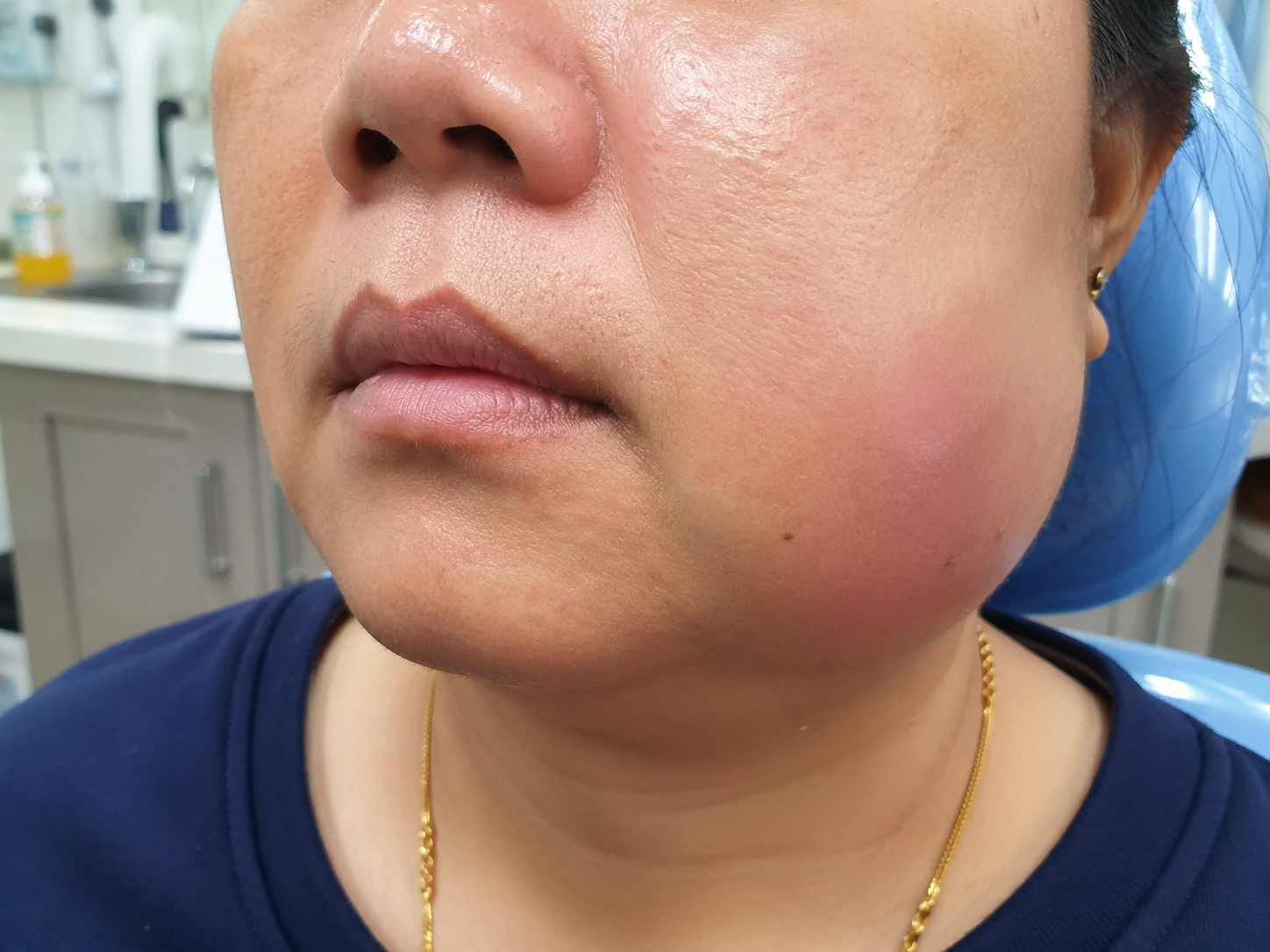
Severity:
Teeth Problems:
A Complete Healing Guide from a Connecticut Dental Bone Graft Expert
Swelling after a tooth extraction is one of the most common—and most misunderstood—parts of recovery. Patients often ask:
“Is this swelling normal… or is something wrong?”
As a dental bone graft specialist practicinge in Connecticut, I can tell you this:
Swelling follows a very predictable timeline.
If you understand that timeline, you can avoid unnecessary worry—and quickly recognize when something isn’t right.
This detailed guide walks you through swelling day by day, explains what’s normal, what’s not, and how to manage it properly—especially if you’re preparing for dental implants or bone grafting.
Additional Guide: Swelling After Tooth Extraction — What Your Symptoms May Mean
How to Tell Whether Your Extraction Site Is Healing Normally
Swelling after tooth extraction is a normal response to tissue injury, but the pattern of recovery matters. From a clinical perspective, dentists evaluate the timing of swelling, its severity, the level of pain, and whether symptoms are improving or deteriorating.
A patient whose cheek becomes puffy during the first two or three days and then gradually improves may be experiencing expected postoperative inflammation. However, swelling that continues to expand, returns after initially improving, or occurs with fever or pus requires professional assessment.
The most important principle is this: normal postoperative swelling should generally begin improving after its early peak. Increasing symptoms should not automatically be dismissed as part of healing.
Why Can Swelling Increase Even When the Tooth Has Already Been Removed?
Patients sometimes expect swelling to disappear immediately after an infected or damaged tooth is removed. In reality, the body needs time to repair the tissues affected by the extraction.
Three processes help explain this:
-
Inflammation: The body increases blood flow and sends healing cells to the injured area.
-
Tissue trauma: Pressure on the gums, manipulation of the tooth roots, and surgical work on the surrounding bone can cause additional swelling.
-
Healing and fluid clearance: The body gradually removes excess fluid as the inflammatory response settles.
This explains why swelling can become more noticeable during the first 48–72 hours, even when the extraction itself was successful.
However, swelling that worsens beyond the expected early recovery period may indicate a complication. The timing alone cannot establish whether an infection is present.
Swelling After Extraction: When Should You Be Concerned?
1. Swelling that is improving
If swelling reaches its maximum during the first two or three days and then gradually decreases, with pain becoming more manageable, the pattern is generally reassuring.
Continue following your dentist's postoperative instructions. Some bruising, tenderness, and mild jaw stiffness can persist for several days, especially after surgical extraction.
2. Swelling that gets worse after Day 3
Swelling that continues to increase after approximately 72 hours deserves closer attention, particularly when accompanied by worsening pain, fever, redness, pus, or increasing difficulty opening the mouth.
A dental infection can become apparent several days after extraction. Arrange a prompt dental examination rather than waiting for the swelling to disappear on its own.
3. Swelling that improves and then returns
A second increase in swelling after initial improvement is not a typical recovery pattern to ignore. It can occur with infection or another healing complication.
Contact your dentist promptly for an examination. Depending on the findings, treatment may involve cleaning the area, draining an abscess, addressing retained debris or another local problem, or prescribing medication when indicated.
4. Swelling that spreads toward the neck or affects swallowing
Rapidly spreading facial swelling, swelling under the tongue or along the floor of the mouth, difficulty swallowing, or difficulty breathing can indicate a serious spreading infection.
Seek emergency medical care immediately if breathing or swallowing is affected. Do not wait for a routine dental appointment or attempt to manage these symptoms with home remedies.
How to Reduce Swelling Safely After Tooth Extraction
Appropriate aftercare protects the blood clot and supports normal healing.
During the first 24 hours
-
Apply a cold pack to the outside of the cheek intermittently, using a cloth between the pack and skin.
-
Rest and avoid strenuous activity.
-
Eat soft foods at a comfortable temperature.
-
Avoid vigorous rinsing, forceful spitting, drinking through a straw, and smoking.
-
Follow your dentist's instructions for controlling bleeding and taking prescribed medication.
After the first 24 hours
-
Gently rinse with warm salt water if recommended by your dentist. Avoid vigorous swishing.
-
Brush your other teeth carefully while protecting the extraction site.
-
Keep your head slightly elevated when resting if this improves comfort.
-
Continue eating soft foods and gradually return to your usual diet as healing allows.
-
Avoid smoking and vaping while the socket heals.
Cold compresses are generally most useful early in recovery. Follow your treating dentist's advice about any later use of warm compresses, particularly if swelling is persistent or worsening.
Do You Need Antibiotics for Swelling After Tooth Extraction?
Not every swollen extraction site requires antibiotics. Early swelling is often caused by the body's normal inflammatory response rather than a bacterial infection.
When an infection is suspected, the dentist must identify its source and determine the appropriate treatment. Some infections require local treatment, such as drainage, rather than antibiotics alone. Antibiotics may be indicated in selected cases depending on the examination and whether infection is spreading or causing systemic symptoms.
Do not take leftover antibiotics, start a new antibiotic, or change a prescribed dose without professional guidance. Antibiotics do not treat dry socket itself and should not be used automatically for normal postoperative swelling.
Can Swelling Affect Future Dental Implants?
Patients considering dental implants should allow the extraction site to heal and have it assessed by a dentist before implant placement.
The appropriate timing depends on factors such as the reason for extraction, the presence of infection, the amount of remaining bone, gum condition, and whether bone grafting is needed. There is no single waiting period that is suitable for every patient.
Persistent swelling, drainage, or suspected infection should be evaluated before proceeding with implant surgery. Your dentist can determine whether the site is ready for the next stage of treatment.
Expert Dental Summary
Most extraction-related swelling increases during the first two to three days and then begins to settle. Many patients experience substantial improvement within five to seven days, although complex surgical extractions may take longer.
Patients should pay attention to the overall direction of recovery rather than judging healing by appearance alone. Worsening pain, increasing swelling, fever, pus, or a return of symptoms after initial improvement warrants dental assessment.
Breathing or swallowing difficulties and rapidly spreading swelling require emergency care.
Medical disclaimer: This article provides general dental education and does not replace an examination by a licensed dentist. Individual recovery varies, and the treating dentist's instructions take priority.
Frequently Asked Questions: Swelling After Tooth Extraction
1. Is it normal for swelling to be worse on Day 3 after tooth extraction?
Yes. Swelling commonly peaks approximately 48–72 hours after extraction. It should generally begin to settle afterward. Rapidly worsening swelling, fever, pus, or increasing pain should be evaluated by a dentist.
2. Why is my cheek still swollen four days after tooth extraction?
Some swelling can remain on Day 4, particularly after wisdom tooth removal or a difficult surgical extraction. The important question is whether it is improving. If the swelling is increasing or accompanied by worsening pain, fever, or discharge, arrange a prompt dental examination.
3. How long does swelling last after wisdom tooth removal?
Swelling commonly peaks during the first two or three days and improves over the following several days. Some patients have residual swelling or bruising beyond one week, depending on the complexity of surgery. Worsening symptoms should not be assumed to be normal.
4. Can an extraction site become infected after several days?
Yes. Infection can become apparent several days after extraction. Warning signs include increasing swelling, worsening pain, fever, pus, spreading redness, or feeling unwell. Contact your dentist promptly if these occur.
5. Does a swollen cheek always mean I have an infection?
No. Swelling is a normal inflammatory response to extraction. Infection becomes more concerning when swelling progressively worsens or occurs with other warning signs. A dental examination is needed to determine the cause.
6. Should I use ice or a warm compress for swelling?
A cold pack applied intermittently to the outside of the cheek is commonly recommended during the first 24 hours. Later care depends on the procedure and your symptoms. Ask your dentist before using heat to manage persistent or worsening swelling.
7. Can I rinse with salt water after tooth extraction?
Gentle warm salt-water rinsing is commonly recommended after the first 24 hours, unless your dentist advises otherwise. Avoid vigorous rinsing because it may disturb the blood clot and delay healing.
8. Can I exercise while my cheek is swollen?
Avoid strenuous exercise during the initial recovery period, generally for at least the first 24–48 hours or longer if instructed by your dentist. Resume activity gradually when you feel well and bleeding and swelling are under control.
9. Is swelling with bad breath a sign of infection or dry socket?
It can have several causes. Dry socket commonly produces significant pain that starts or worsens a few days after extraction, sometimes with an unpleasant taste or bad breath. Infection may cause progressive swelling, fever, pus, or spreading inflammation. Because symptoms can overlap, a dentist should examine the site.
10. When should I go to the emergency room for swelling after tooth extraction?
Seek emergency medical care immediately if you have difficulty breathing or swallowing, rapidly spreading swelling involving the neck or floor of the mouth, or other signs that your airway may be threatened. For worsening swelling, fever, pus, or severe pain without airway symptoms, obtain urgent dental care.
11. Can I take antibiotics to make the swelling go down faster?
Do not start antibiotics without professional advice. Normal inflammatory swelling does not require antibiotics, and the correct treatment depends on the cause. If infection is suspected, a dentist can determine whether local treatment, antibiotics, or both are needed.
12. What if swelling has not disappeared after seven days?
Some residual swelling can last longer after complex surgery, but the overall trend should be toward improvement. If swelling remains substantial, stops improving, worsens, or returns after settling, arrange a dental review.
13. Can I get a dental implant while my extraction site is swollen?
The implant decision depends on the clinical condition of the site, the presence of infection, bone availability, and the treatment plan. Persistent or unexplained swelling should be assessed before implant placement. Your dentist will determine the appropriate timing.
14. What is the fastest safe way to reduce swelling after extraction?
Use the recommended early cold-pack routine, rest, follow your dentist's aftercare instructions, and take only appropriate pain medication as directed. Do not squeeze the area, attempt to drain it yourself, or use unprescribed antibiotics. Worsening swelling needs professional assessment rather than stronger home treatment.
15. Can swelling return after it has already gone down?
Yes, but a return or renewed increase in swelling deserves attention, especially if accompanied by pain, fever, pus, or a bad taste. Contact your dentist promptly to check for infection or another complication.
Related Dental Topics
Readers may also benefit from learning about:
-
Dry socket after tooth extraction: symptoms and treatment.
-
Why gums remain swollen after dental treatment.
-
Dental abscess symptoms and when drainage may be needed.
-
Healing after wisdom tooth removal.
-
Preparing for dental implants after tooth extraction.
Editorial note: Have a licensed dentist review this educational content before publication, particularly any treatment recommendations. The content is general guidance, not an individual diagnosis.
Understanding Swelling After Tooth Extraction: What Dentists Want Patients to Know
Swelling after tooth extraction is a common part of the body's natural healing response. When a tooth is removed, the surrounding gum tissue, small blood vessels, and sometimes the supporting bone are affected. The immune system responds by sending fluid and healing cells to the injured area, which can cause temporary inflammation.
From an expert dental perspective, the most important factor is not simply how swollen the area looks, but how the swelling changes over time. Mild to moderate swelling that peaks during the first two to three days and then gradually improves is generally consistent with normal healing. Swelling that continues to increase, returns after improving, or occurs with fever or spreading redness needs professional assessment.
The amount of swelling varies according to the type of extraction, the duration of the procedure, the degree of tissue manipulation, and the patient's general health. A simple extraction may cause little swelling, while surgical removal of an impacted wisdom tooth can produce more noticeable facial swelling and bruising.
Day-by-Day Swelling Timeline After Tooth Extraction
Day 1: The First 24 Hours
Mild swelling, tenderness, and slight blood-stained saliva may occur after extraction. The area may feel sore once the local anesthetic wears off.
Recommended care:
-
Apply a cold pack to the outside of the cheek intermittently, such as for 15–20 minutes at a time, with a cloth protecting the skin.
-
Rest and avoid strenuous exercise.
-
Eat soft, cool or lukewarm foods when it is safe to do so.
-
Avoid forceful spitting, vigorous rinsing, drinking through a straw, and smoking, which can interfere with blood-clot formation.
-
Follow the specific postoperative instructions provided by your dentist.
The blood clot that forms inside the socket protects the underlying tissues and is essential for healing.
Day 2: Swelling May Increase
Swelling often becomes more noticeable during the second day. The cheek may appear puffy, and the jaw may feel stiff or uncomfortable when opening the mouth.
This increase does not automatically indicate infection. Inflammatory swelling commonly reaches its maximum approximately 48–72 hours after surgery.
What patients should monitor: Swelling should be assessed alongside pain, temperature, mouth opening, and general well-being. A dentist should evaluate severe or rapidly increasing swelling, especially if pain is worsening rather than stabilizing.
Day 3: Swelling May Reach Its Peak
For many patients, the third day is when swelling is most pronounced. Bruising may also become visible, particularly after surgical or wisdom tooth extraction.
At this stage, some discomfort and restricted jaw movement can still be expected. However, swelling should not be assumed to be harmless simply because it occurs on day three.
Contact your dentist promptly if swelling is rapidly expanding, pain is intensifying, pus develops, fever occurs, or you feel increasingly unwell.
Days 4–5: Look for Improvement
Swelling should generally begin to decrease after its early peak. The cheek may remain puffy, and bruising can become more visible before gradually fading.
Patients should continue gentle oral hygiene and follow their dentist's instructions. After the first 24 hours, gentle warm salt-water rinses are commonly recommended, unless the treating dentist has advised otherwise.
If swelling continues to worsen instead of improving, a dental examination is important to investigate possible infection or another complication.
Days 6–7: Recovery Should Be Progressing
Many patients notice substantial improvement by the end of the first week, although some residual swelling or bruising may remain.
Recovery can take longer after difficult surgical extractions, impacted wisdom tooth removal, or procedures involving substantial tissue manipulation.
If significant swelling remains unchanged, worsens, or is accompanied by persistent pain or fever, arrange a dental review rather than relying on home treatment alone.
After One Week: When Is Persistent Swelling Concerning?
Some patients need more than seven days for swelling to resolve completely. The important question is whether symptoms are steadily improving.
Persistent or recurrent swelling may be associated with infection, an abscess, delayed healing, or another problem that requires examination. Do not wait for a specific number of days if symptoms are becoming more severe.
Emergency warning: Difficulty breathing or swallowing, swelling that is spreading rapidly into the neck or floor of the mouth, or swelling that threatens the airway requires immediate emergency medical care.
Normal Healing Swelling Versus Possible Infection
Not every swollen cheek after extraction is infected. Dentists evaluate the pattern of symptoms and examine the extraction site to distinguish expected postoperative inflammation from complications.
Findings more consistent with normal healing
-
Swelling begins during the first day or two.
-
Swelling peaks around 48–72 hours.
-
Mild tenderness and bruising occur near the extraction site.
-
Symptoms gradually improve after the early peak.
-
There is no progressive systemic illness.
Findings that warrant prompt dental assessment
-
Swelling continues to increase after the expected early peak.
-
Pain becomes more severe rather than gradually improving.
-
Fever, pus, or spreading redness develops.
-
There is a persistent foul taste or discharge.
-
Jaw opening becomes increasingly restricted.
-
Swelling improves initially but then returns or becomes worse.
These patterns are not definitive diagnoses. A dental examination is needed to identify the cause.
Why Does Swelling Occur After Tooth Extraction?
1. Normal Inflammatory Response
The body responds to tissue injury by increasing local blood flow and allowing fluid and immune cells to enter the affected area. This is a normal part of wound healing.
2. Surgical Trauma
Removing an impacted tooth, separating tooth roots, or working with the surrounding bone can cause more inflammation than a straightforward extraction. Greater surgical manipulation may mean more swelling and a longer recovery.
3. Postoperative Infection
Bacteria can sometimes cause an infection in the tissues around the extraction site. Worsening swelling, fever, pus, and increasing pain are warning signs, although an infection may not cause every symptom.
A dentist may need to examine the site, drain an abscess when indicated, or provide other treatment. Antibiotics are not automatically necessary for every case of swelling.
4. Dry Socket
Dry socket occurs when the blood clot is lost or breaks down prematurely, exposing sensitive underlying tissue. It commonly causes significant pain that begins or worsens a few days after extraction, sometimes with an unpleasant taste or bad breath.
Dry socket is not the same as a spreading bacterial infection, and visible facial swelling is not its defining feature. A dentist can examine the socket and provide appropriate treatment.
Evidence-Based Ways to Manage Swelling
Cold compresses: During the first 24 hours, intermittent cold packs may help with discomfort and swelling. Do not place ice directly on the skin.
Rest: Avoid strenuous activity during the initial recovery period, especially during the first 24–48 hours or for as long as your dentist recommends.
Head elevation: Keeping the head slightly elevated while resting may help with comfort.
Gentle oral hygiene: Brush carefully around the extraction site without disturbing the clot. After the first 24 hours, gentle warm salt-water rinsing is often recommended.
Pain medication: Use medication recommended by your dentist or pharmacist. Nonsteroidal anti-inflammatory drugs, such as ibuprofen, can help some patients, but they are not suitable for everyone. Medical history, kidney disease, stomach ulcers, pregnancy, allergies, blood-thinning medication, and other factors can affect the choice. Acetaminophen (paracetamol) may be an alternative for some patients. Follow the label and professional advice.
Antibiotics: Do not self-prescribe antibiotics or use leftover medication. Antibiotics do not treat normal postoperative inflammation or dry socket itself, and they are not routinely required after every extraction.
Smoking and vaping: Avoid these during recovery because they can interfere with healing and increase the risk of complications.
Expert Dental Takeaway
The usual pattern is early swelling, a peak during the first 48–72 hours, and gradual improvement over the following several days. More complex extractions can take longer to recover from.
Patients should judge recovery by the overall trend rather than a single day's appearance. If swelling is worsening, pain is increasing, fever or pus develops, or recovery is not progressing, contact a dentist. Breathing or swallowing difficulties require emergency care.
Medical disclaimer: This educational material is intended to support patient understanding and does not replace an examination by a licensed dentist. Individual recovery varies, and the treating clinician's postoperative instructions take priority.
Frequently Asked Questions About Swelling After Tooth Extraction
1. How many days does swelling last after tooth extraction?
Swelling commonly peaks within 48–72 hours and begins to decrease afterward. Many patients improve substantially within five to seven days, but more complex surgical extractions can take longer.
2. Is swelling on the third day after tooth extraction normal?
Yes, it can be. Swelling often reaches its maximum around the third day. However, rapidly increasing swelling, fever, pus, or worsening pain should prompt a dental assessment.
3. Why is my cheek more swollen on the second day?
The inflammatory response continues after the extraction, so fluid accumulation may increase during the first two to three days. This can be normal if the symptoms subsequently begin improving.
4. When should swelling start to go down?
Swelling generally starts to decrease after its peak at approximately 48–72 hours. The exact timing depends on the procedure and individual healing. Worsening symptoms require evaluation.
5. Does swelling always mean infection?
No. Swelling is a normal response to dental surgery. Infection becomes more concerning when swelling progresses or is accompanied by fever, pus, spreading redness, worsening pain, or feeling unwell.
6. Can I use an ice pack after tooth extraction?
A cold pack applied to the outside of the cheek intermittently during the first 24 hours may help reduce discomfort and swelling. Protect the skin with a cloth and follow your dentist's instructions.
7. Should I use a warm compress or a cold compress?
Cold packs are commonly used during the first 24 hours. After that, your dentist may recommend other measures for comfort, depending on the procedure and your recovery. Do not use heat to self-treat unexplained or worsening swelling without dental advice.
8. Is swelling after wisdom tooth removal worse than after a normal extraction?
It can be. Impacted wisdom teeth often require more surgical manipulation, which can produce greater swelling, bruising, and jaw stiffness than a simple extraction.
9. Can a dental infection develop several days after extraction?
Yes. An infection can become apparent after the initial postoperative period. Increasing swelling, fever, pus, worsening pain, or spreading redness should be assessed promptly by a dentist.
10. What is the difference between infection and dry socket?
Dry socket typically causes significant pain that starts or worsens a few days after extraction because the protective blood clot has broken down. Infection may cause progressive swelling, fever, pus, or spreading inflammation. Symptoms can overlap, so a dentist should assess suspected complications.
11. Should I take antibiotics for swelling after tooth extraction?
Not necessarily. Normal inflammatory swelling does not require antibiotics. A dentist determines whether antibiotics are indicated based on the examination, suspected infection, and the patient's medical circumstances.
12. Can I eat normally when my cheek is swollen?
Choose soft foods and chew away from the extraction site when possible. Gradually return to your usual diet as comfort and healing improve. Avoid hard, crunchy, or very hot foods while the area is vulnerable.
13. When should I seek emergency care?
Seek emergency medical care immediately for difficulty breathing or swallowing, rapidly spreading swelling involving the neck or floor of the mouth, or other signs that the airway may be compromised. Contact a dentist urgently for worsening swelling, fever, pus, or severe pain.
14. Is it normal to have a small amount of bruising after tooth extraction?
Yes. Bruising may occur around the cheek or jaw, especially after surgical extraction, and can take several days or longer to fade. Expanding bruising with uncontrolled bleeding or significant worsening symptoms needs medical assessment.
15. When can I return to work or exercise?
This depends on the complexity of the extraction and your symptoms. Light daily activity may be possible relatively soon, while strenuous exercise should generally be avoided during the initial recovery period. Follow your dentist's advice and return gradually as you feel better.
References for Further Reading
-
Guy's and St Thomas' NHS Foundation Trust: Dental surgery and recovery.
-
Royal Cornwall Hospitals NHS Trust: Dental extractions patient information.
-
American Dental Association: Acute pain management following tooth extraction.
These resources provide further information about expected swelling, postoperative care, dry socket, and pain management.
Why Swelling Happens After Tooth Extraction
Swelling is not a problem—it’s part of healing.
After extraction, your body triggers:
- Increased blood flowe
- Immune response
- Tissue repair
This leads to inflammation, which appears as swelling.
Swelling Timeline: Day-by-Day Breakdown
Day 1 (First 24 Hours): Swelling Begins
What Happens
- Blood clot forms
- Inflammation starts
What You’ll Notice
- Mild swelling
- Slight puffiness around the extraction site
- Tenderness
Expert Advice
Start using cold compress immediately:
- 15 minutes on
- 15 minutes off
Day 2: Swelling Increases
What Happens
- Inflammatory response intensifies
What You’ll Notice
- Visible swelling in cheek or jaw
- Tight feeling in the area
- Mild stiffness
Clinical Insight
This is a normal progression—not a complication.
Day 3: Peak Swelling
What Happens
- Inflammation reaches its highest point
What You’ll Notice
- Maximum swelling
- Possible bruising
- Limited mouth opening
Important Note
This is the peak phase.
If swelling continues increasing after this point, it may need evaluation.
Day 4–5: Swelling Starts to Decrease
What Happens
- Healing begins to outweigh inflammation
What You’ll Notice
- Reduced swelling
- Less tightness
- Improved comfort
What to Do
Switch from cold compress to warm compress:
- Promotes circulation
- Speeds healing
Day 6–7: Significant Improvement
What Happens
- Tissue healing progresses
What You’ll Notice
- Mild residual swelling
- Nearly normal appearance
Week 2: Swelling Mostly Gone
What Happens
- Soft tissue stabilizes
What You’ll Notice
- Minimal or no swelling
- Normal facial appearance
Week 3–4: Internal Healing Continues
Even if swelling is gone externally, internal healing continues.
Normal vs Abnormal Swelling
Normal Swelling
- Peaks at Day 2–3
- Gradually decreases
- Mild to moderate
Abnormal Swelling
Contact your dentist if you notice:
- Swelling increasing after Day 3
- Severe pain with swelling
- Fever
- Pus or discharge
- Difficulty swallowing
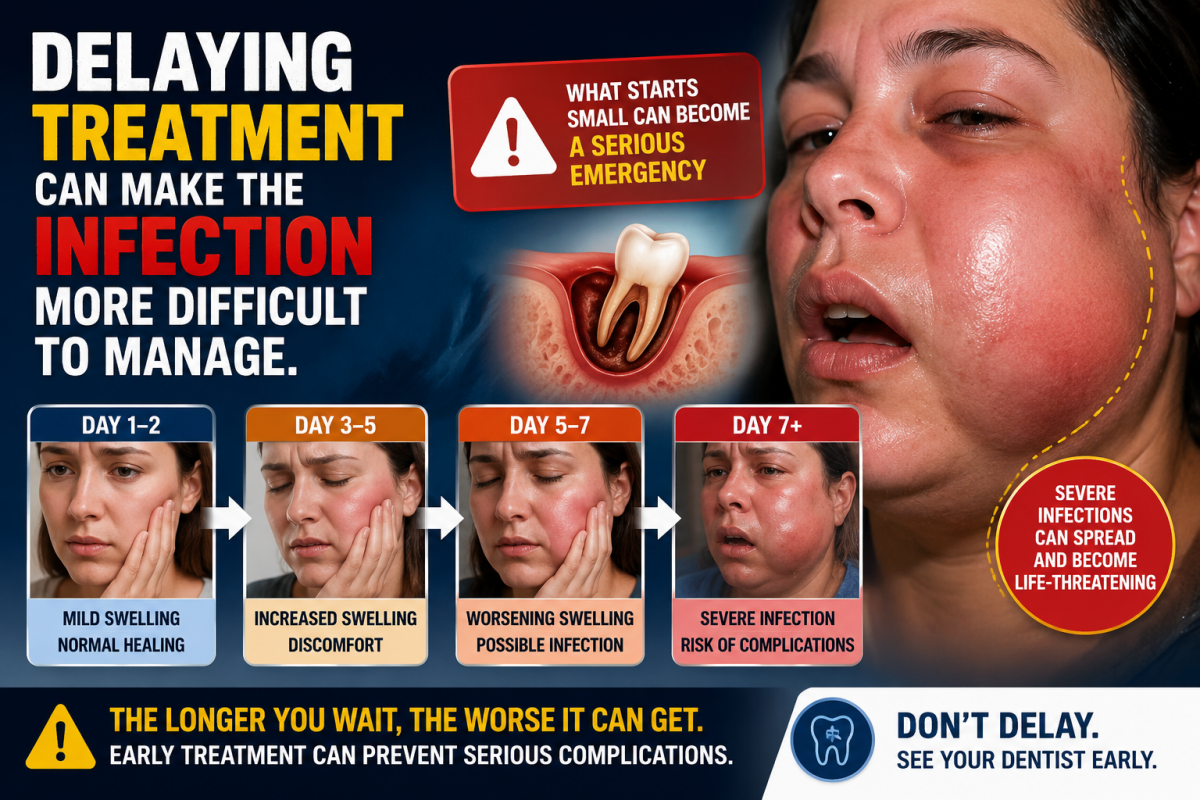
Early treatment makes a significant difference. If swelling after a tooth extraction is caused by a developing bacterial infection, seeking dental care as soon as symptoms appear often allows the infection to be controlled with prompt treatment, such as cleaning the extraction site, draining any accumulated pus if necessary, and prescribing an appropriate antibiotic when indicated. Treating an infection early can help prevent it from spreading into deeper tissues.
Delaying treatment can make the infection more difficult to manage. As bacteria multiply and spread, the infection may become more severe, sometimes requiring stronger or intravenous (IV) antibiotics, surgical drainage, hospitalization, or additional procedures. The choice and dose of antibiotics are based on the type and severity of the infection, the patient's medical history, and other clinical factors—not simply because the infection has existed longer.
In rare but serious cases, untreated dental infections can become life-threatening. If the infection spreads to the deep spaces of the face or neck, it can interfere with breathing or enter the bloodstream, leading to a severe condition called sepsis. These complications are medical emergencies that require immediate treatment in a hospital.
Key Takeaway
The sooner swelling caused by an infection is evaluated and treated, the greater the chance of controlling it before it becomes severe. If swelling is rapidly increasing, is accompanied by fever, difficulty swallowing, difficulty breathing, or swelling under the jaw or around the eye, seek emergency medical care immediately rather than waiting for it to improve on its own.
Real Case from My Connecticut Practice
Patient: Emily, 38 years old
Day 1:
- Mild swelling
Day 2:
- Noticeable cheek swelling
Day 3:
- Peak swelling
Day 5:
- Significant reduction
Outcome:
- Normal healing
Contrast Case
Another patient delayed care:
- Swelling worsened after Day 4
- Developed infection
Lesson:
Swelling timing is diagnostic.
What Affects Swelling Severity?
1. Type of Extraction
- Simple extraction → less swelling
- Surgical extraction → more swelling
2. Bone Density
Denser bone can increase inflammation.
3. Number of Teeth Removed
Multiple extractions increase swelling.
4. Bone Grafting
Swelling is usually greater with grafting procedures.
5. Patient Health
Conditions like diabetes can affect healing.
6. Smoking
Smoking increases swelling and delays recovery.
How to Reduce Swelling Effectively
1. Use Cold Compress (First 48 Hours)
- Reduces inflammation
- Limits swelling
2. Switch to Warm Compress (After 48 Hours)
- Improves circulation
- Speeds healing
3. Keep Your Head Elevated
- Reduces fluid accumulation
4. Stay Hydrated
- Supports tissue repair
5. Follow Medication Instructions
Anti-inflammatory medication helps control swelling.
Foods That Help Reduce Swelling
Recommended
- Yogurt
- Smooth soups
- Eggs
- Soft fruits
Avoid
- Hard foods
- Spicy foods
- Alcohol
Swelling and Dental Implant Preparation
If you’re planning implants, swelling matters.
Proper healing ensures:
- Better bone stability
- Lower complication risk
- Higher implant success
Expert Advice
Never rush implant placement if swelling and healing are not complete.
Common Mistakes That Worsen Swelling
- Skipping ice application
- Sleeping flat
- Smoking
- Eating hard foods too early
- Ignoring instructions
Swelling vs Infection: Key Differences
Normal Swelling
- Improves after Day 3
- Mild discomfort
Infection
- Worsening swelling
- Severe pain
- Fever
- Discharge
When to Call Your Dentist
Contact your dentist immediately if:
- Swelling worsens after Day 3
- You develop fever
- Pain becomes severe
- You notice discharge
Long-Term Healing Timeline
Soft Tissue Healing:
1–2 weeks
Bone Healing:
2–4 months
FAQ: Swelling After Tooth Extraction
1. When does swelling peak?
Usually Day 2–3.
2. How long does swelling last?
Most swelling resolves within 5–7 days.
3. Is swelling normal after extraction?
Yes—it’s part of healing.
4. When should I worry about swelling?
If it worsens after Day 3 or is accompanied by fever.
5. Can I prevent swelling completely?
No—but you can minimize it.
6. Does swelling affect implants?
Yes—proper healing is essential before implant placement.
Related Topics
1. Tooth Extraction Healing Stages Day-by-Day
Understand the full recovery timeline.
2. Dry Socket vs Normal Healing
Learn how to identify complications early.
3. Dental Implant Recovery Guide
Prepare for post-implant healing.
FAQ: Severe Complications of Swelling After a Tooth Extraction
1. Can swelling after a tooth extraction become life-threatening?
Yes, although it is uncommon, a severe dental infection can spread beyond the extraction site into the face, jaw, neck, or bloodstream. Without prompt treatment, it can become a medical emergency.
2. What is the worst complication that can happen?
In rare cases, an untreated infection can lead to:
- Deep facial or neck infections
- Airway obstruction (difficulty breathing)
- Sepsis (a life-threatening bloodstream infection)
- Infection spreading to nearby tissues or bones
- Hospitalization requiring IV antibiotics and surgery
3. When should I go to the emergency room instead of waiting for my dentist?
Seek emergency medical care immediately if you experience:
- Difficulty breathing
- Difficulty swallowing saliva or liquids
- Rapidly increasing facial or neck swelling
- High fever (over 101°F / 38.3°C)
- Swelling under the jaw or around the eyes
- Severe weakness, confusion, or dizziness
- Pus draining with worsening pain and swelling
- Inability to open your mouth (trismus)
4. Can an infection spread to my brain?
It is extremely rare, but severe upper jaw infections can spread into nearby spaces and, in exceptional cases, contribute to serious infections involving the brain. Prompt treatment greatly reduces this risk.
5. Can a tooth infection spread to my heart?
People with certain heart conditions may be at increased risk of bacteria entering the bloodstream and causing a heart infection called infective endocarditis. This is uncommon but can be very serious.
6. What is sepsis, and why is it dangerous?
Sepsis is the body's overwhelming response to an infection that has entered the bloodstream. It can damage vital organs and become life-threatening without immediate hospital treatment.
7. Can swelling close my airway?
Yes. If an infection spreads into the tissues under the tongue or neck, swelling can narrow or block the airway. Difficulty breathing or swallowing is a medical emergency.
8. Can antibiotics alone cure a severe dental infection?
Not always. Many severe dental infections require:
- Drainage of pus
- Removal of the source of infection
- IV antibiotics
- Hospital observation
Simply taking antibiotics without addressing the source may not resolve the infection.
9. Why does delaying treatment make the infection harder to treat?
As bacteria continue to multiply, the infection can spread into deeper tissues. This may require more extensive treatment, stronger or intravenous antibiotics when appropriate, surgery, and a longer recovery compared with early treatment.
10. How can I reduce my risk of serious complications?
- Follow all post-extraction instructions.
- Keep the extraction site clean.
- Take prescribed medications exactly as directed.
- Avoid smoking and tobacco products.
- Attend your follow-up appointment.
- Contact your dentist promptly if swelling continues to worsen after the first few days or if you develop fever, pus, or increasing pain.
Rare but Serious Complications
- Deep facial space infection
- Neck infection
- Bone infection (osteomyelitis)
- Airway obstruction
- Sepsis
- Infection spreading to the tissues around the eye
- Permanent tissue damage from untreated infection
- Hospitalization for IV antibiotics and surgery
Important: Mild swelling is a normal part of healing after a tooth extraction and usually peaks within 48–72 hours before improving. However, swelling that continues to worsen, especially when accompanied by fever, pus, difficulty swallowing, or breathing problems, should be evaluated immediately by a dentist or emergency physician.
Final Thoughts from a Connecticut Bone Graft Expert
Swelling after tooth extraction is not something to fear—it’s something to understand.
The key takeaway:
Swelling should peak early and then improve.
If it doesn’t follow that pattern, it deserves attention.
By understanding the timeline and following proper care, you can:
- Reduce discomfort
- Avoid complications
- Ensure successful healing
And most importantly—you create the best possible foundation for future dental implants.
Can tooth extraction cause infection? Mild inflammation is normal, but increasing swelling, fever, or severe pain may indicate infection. Learn more about post-extraction infection warning signs in this detailed guide.
Book a consultation with our Cebu dental specialists for proper evaluation and care.
Ready to get expert guidance?
If you’re experiencing severe pain or delayed healing, book a consultation with our Cebu dental specialists to get proper evaluation and care.
Consultation or contact page .
Book a Consultation
For severe discomfort or delayed healing, book a consultation with our Cebu dental specialists today.
Looking for a dentist? Browse our Cebu dental directory to find trusted clinics near you.
Medical Review and Clinical Basis
This article is based on clinical dental guidelines and real patient recovery patterns observed after tooth extraction procedures. The information reflects common post-extraction healing stages, including normal clot formation, gum tissue repair, and signs of possible complications such as dry socket or infection.
While mild discomfort is expected after a dental extraction, worsening pain after Day 3, bad odor, exposed bone, or spreading pain may require professional evaluation. These symptoms are consistent with known post-extraction complications described in standard dental practice.
About Cebu Dental Implants
Cebu Dental Implants provides comprehensive tooth extraction, surgical procedures, and dental implant services in the Philippines. Our team evaluates post-extraction healing, manages complications such as dry socket, and advises patients on proper aftercare to prevent infection and delayed healing.
If you experience severe pain or unusual symptoms after extraction, early professional assessment is recommended to prevent further complications.
Important Medical Disclaimer
This content is for educational purposes only and does not replace professional dental diagnosis. Every patient heals differently. If symptoms worsen or do not improve within a few days, consult a licensed dentist for proper evaluation and treatment.
Author
This article was prepared by the Cebu Dental Implants content team in consultation with licensed dental professionals experienced in tooth extraction and implant procedures.
Video :
Related Clinical Cases
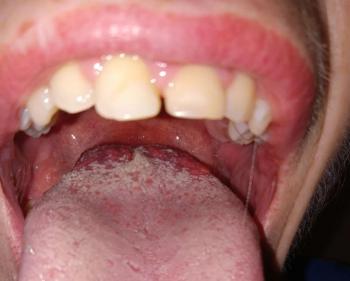
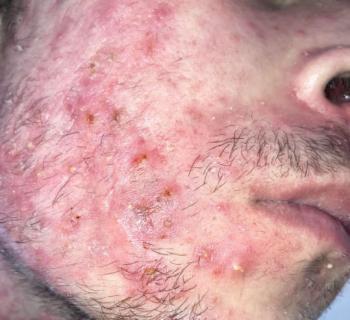
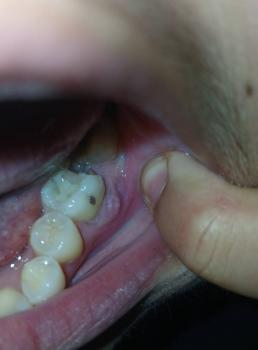
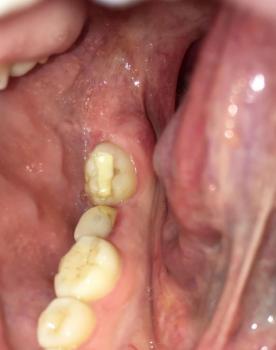
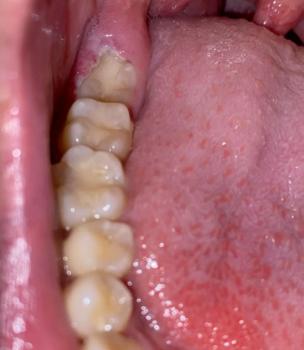
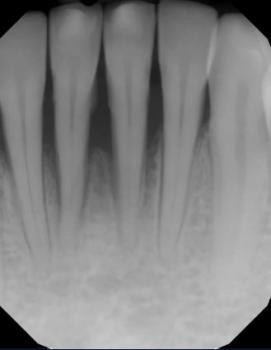
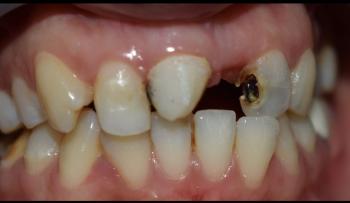
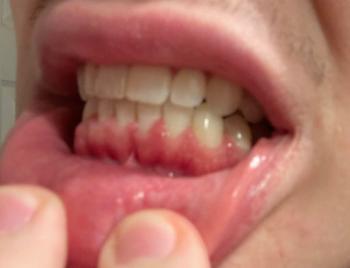
Patients with lower front gum inflammation may also experience tartar buildup, periodontal disease, gum abscesses, or tooth decay. Explore these related clinical case studies.
Other topics:
Other Dental Clinic