Strong Teeth, Fresh Breath, Brighter You.

Cracked Tooth: Causes, Symptoms & Treatment in the Philippines
Cracked Tooth
A cracked tooth can happen suddenly, especially when biting down on hard foods. In the Philippines, many people may also have teeth weakened by untreated tooth decay, poor nutrition, smoking, or other unhealthy habits. A tooth that looks fine from the outside can sometimes have a crack that becomes painful over time.
What Is a Cracked Tooth?
A cracked tooth is a tooth with a fracture or crack in the enamel and sometimes deeper into the tooth. Cracks can range from very small lines to fractures that extend toward the root.
A cracked tooth should not be ignored. Even a small crack can allow bacteria to enter deeper parts of the tooth and potentially lead to infection.
Common Causes of a Cracked Tooth
Several things can increase the risk of cracking a tooth:
- Biting hard foods such as ice, hard candy, or bones
- Chewing very hard or brittle foods
- Previous large fillings that have weakened the tooth
- Untreated tooth decay
- Teeth weakened by poor nutrition or inadequate dental care
- Grinding or clenching the teeth
- Injuries or accidents
- Normal wear and aging
Eating hard food does not automatically mean a tooth will crack, but teeth that are already weakened are more vulnerable.
Symptoms of a Cracked Tooth
A cracked tooth may cause:
- Sharp pain when biting or chewing
- Pain when releasing your bite
- Sensitivity to cold or hot foods
- Pain that comes and goes
- Discomfort around one particular tooth
- Swelling or tenderness around the gum
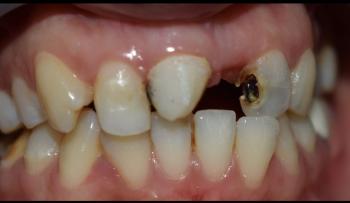
- A visible crack or broken portion of the tooth
Some cracks cause very little pain at first. This is one reason people may delay getting dental treatment.
Can a Cracked Tooth Get Worse?
Yes. A crack can potentially extend deeper as you continue chewing. If bacteria reach the inner part of the tooth, an infection or dental abscess may develop.
A tooth that could potentially have been treated early may become much more difficult to save if treatment is delayed.
What Should You Do?
If you suspect that you have a cracked tooth:
- Avoid chewing hard foods on that side.
- Keep the area clean with gentle brushing and flossing.
- Avoid extremely hot or cold foods if they trigger pain.
- Arrange a dental examination as soon as possible.
- Do not attempt to repair or glue the tooth yourself.
A dentist may examine the tooth and use dental X-rays or other diagnostic methods to determine the extent of the damage.
Cracked Tooth and Dental Treatment
Treatment depends on where the crack is located and how severe it is. Possible treatments may include a dental filling, crown, root canal treatment, or extraction when the tooth cannot be saved.
The sooner a cracked tooth is evaluated, the better the chance of preventing the problem from becoming more serious.
Prevention
You can reduce the risk of cracked teeth by avoiding habits such as chewing ice or extremely hard objects. Maintaining a balanced diet, good oral hygiene, regular dental checkups, and healthy lifestyle habits can also help protect your teeth.
For people in the Philippines, delaying dental care because a problem seems small can allow damage to become more complicated. Early attention is often easier than waiting until the tooth becomes severely painful or infected.
When to See a Dentist Urgently
Seek prompt dental care if a cracked tooth is accompanied by significant swelling, severe pain, fever, pus, facial swelling, or difficulty swallowing or breathing. These can be signs of a dental infection requiring urgent attention.
Important: A cracked tooth cannot reliably heal itself like a broken bone. Professional examination is needed to determine whether the tooth can be restored and what treatment is appropriate.
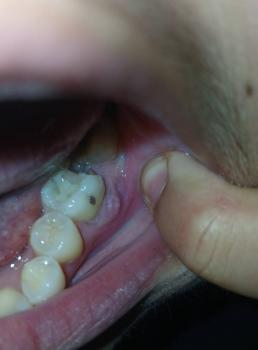
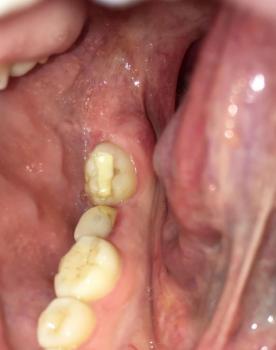
Related Clinical Cases
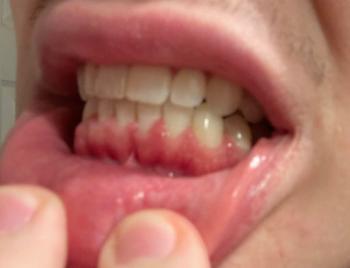
Patients with lower front gum inflammation may also experience tartar buildup, periodontal disease, gum abscesses, or tooth decay. Explore these related clinical case studies.