Where Bright Smiles Begin.

Tooth Abscess: Causes, Symptoms & Treatment in the Philippines
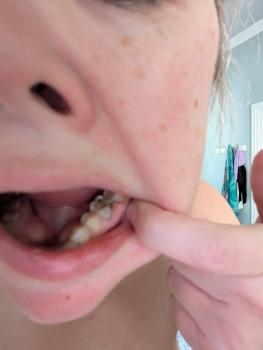
A tooth abscess is a serious dental infection that can develop when bacteria enter the tooth or surrounding gum tissue. It can cause severe pain, swelling, pus, bad taste, fever, and difficulty eating.
In the Philippines, some men and women delay dental treatment because of cost, fear, work responsibilities, or simply hoping the pain will disappear. Smoking can also contribute to poor oral health and may make it harder for the mouth to heal.
What Is a Tooth Abscess?
A tooth abscess is a collection of pus caused by a bacterial infection. It may develop:
- At the tip of a tooth root
- Inside or around the gum
- Around a partially erupted tooth
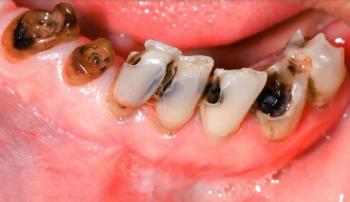
- From untreated tooth decay
- After a cracked or damaged tooth
A small cavity that is ignored can eventually become a much more serious infection.
Smoking and Tooth Abscess
Smoking is an important risk factor for poor oral health. Tobacco use can affect the gums, reduce the mouth's ability to heal, and increase the risk of gum disease and other dental problems.
Some smokers continue the habit even after experiencing tooth pain or gum swelling. Cigarettes may be affordable enough to purchase regularly, while dental treatment can feel expensive or inconvenient. However, continuing to smoke while ignoring an infected tooth can allow a dental problem to become more complicated.
Quitting smoking is one of the positive steps a person can take to improve overall oral and general health.
Common Symptoms of a Tooth Abscess
Symptoms may include:
- Severe or throbbing toothache
- Swollen gums
- Swelling of the face or jaw
- Pain when chewing
- Sensitivity to hot or cold
- Pus around the tooth or gums
- Bad taste or bad breath
- Fever
- Difficulty opening the mouth
- Swollen lymph nodes
Sometimes the pain suddenly becomes less severe when an abscess drains. This does not necessarily mean the infection is gone. The infection may still be present and needs professional dental assessment.
What Causes a Tooth Abscess?
Common causes include:
- Untreated tooth decay
Deep decay can allow bacteria to reach the nerve inside the tooth. - Cracked or broken teeth
A crack can provide a pathway for bacteria. - Gum disease
Severe gum infection can contribute to abscess formation. - Dental trauma
An injured tooth can become infected later. - Poor oral hygiene
Plaque and bacteria can contribute to decay and gum disease. - Smoking
Tobacco use can negatively affect gum health and healing.
Don't Wait Until the Tooth Is Completely Damaged
One of the biggest mistakes is waiting until a tooth becomes severely painful, badly broken, or impossible to save.
Early dental treatment may sometimes allow a dentist to treat the problem before it becomes more complicated. Depending on the condition of the tooth, treatment may include:
- Dental filling
- Root canal treatment
- Drainage of an abscess
- Gum treatment
- Tooth extraction when the tooth cannot be saved
The appropriate treatment depends on examination and dental X-rays or other diagnostic imaging when needed.
Can You Treat a Tooth Abscess at Home?
Home care may temporarily reduce discomfort, but it does not remove the source of a dental infection.
Do not attempt to cut, squeeze, or puncture an abscess yourself. See a dentist as soon as possible.
A dentist can determine whether the tooth can be saved and what treatment is appropriate.
When Is a Tooth Abscess an Emergency?
Seek urgent medical or dental care if you have:
- Rapidly increasing facial swelling
- Swelling around the eye
- Difficulty breathing
- Difficulty swallowing
- High fever
- Severe weakness or feeling very ill
- Significant swelling of the jaw or neck
A spreading dental infection can become a serious medical problem.
Prevention: Protect Your Teeth Before the Problem Gets Worse
You can reduce your risk by:
- Brushing twice a day with fluoride toothpaste
- Cleaning between your teeth
- Limiting frequent sugary foods and drinks
- Having regular dental checkups
- Treating cavities early
- Getting broken or painful teeth examined
- Avoiding tobacco and working toward quitting smoking
A Simple Message for Filipino Patients
Don't wait for a small dental problem to become a major infection.
Spending money regularly on cigarettes while postponing dental care can eventually lead to a much more expensive and complicated dental problem. If you have persistent tooth pain, swelling, pus, or a damaged tooth, consider having it checked early.
Your natural teeth are worth protecting. The earlier a dental problem is treated, the more options you may have.
Related Clinical Cases
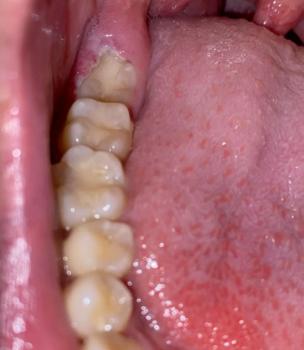
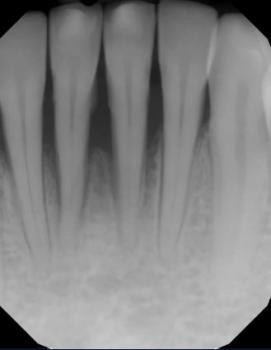
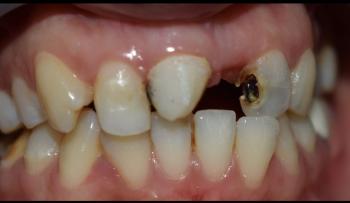
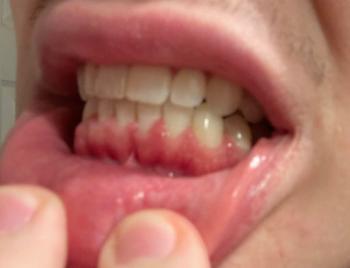
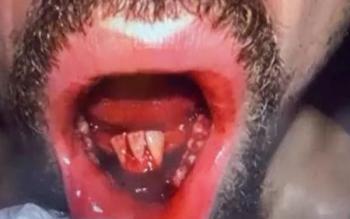
Patients with lower front gum inflammation may also experience tartar buildup, periodontal disease, gum abscesses, or tooth decay. Explore these related clinical case studies.