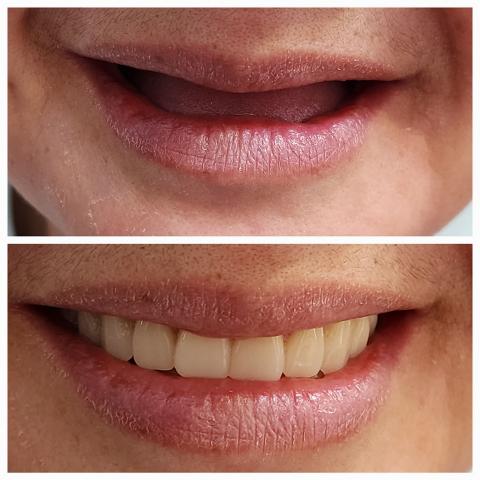
Transforming Smiles, Restoring Confidence.

Alex Eala and the Austronesian Connection: Why Her Smile Reminds Us of a Much Bigger Island World
Language :

Topics:
Alexandra “Alex” Eala has become one of the most recognizable young Filipino athletes in international tennis. Her powerful game, confidence, determination, and naturally warm smile have made her especially popular with Filipino fans around the world.
But her appearance can also inspire an interesting question: Why do some people see familiar facial features and smiles among Filipinos and other peoples across Island Southeast Asia and the Pacific?
The answer takes us deep into the fascinating history of the Austronesian peoples.
Alex Eala Is Filipino—and the Philippines Has a Deep Austronesian History
Alex Eala was born in Quezon City and represents the Philippines internationally. She is now a major figure in Philippine tennis, having become the first Filipino player to win a WTA Tour-level singles title in August 2026.
It would be inaccurate, however, to claim that Alex Eala's individual DNA proves she has a particular ancient Austronesian ancestor. Her personal ancestry would require documented genealogical or genetic evidence.
What we can say is that the Philippines occupies a central place in the history of Austronesian-speaking populations.
Genetic research involving more than 1,000 individuals from 115 indigenous Philippine populations has demonstrated that the Philippines has a remarkably complex population history, with multiple waves of migration and ancestry contributing to today's populations.
What Are the Austronesian Peoples?
Austronesian refers broadly to populations connected by a vast family of languages and a remarkable history of seafaring migration.
Their historical expansion reached enormous distances across the Indo-Pacific—from Taiwan and the Philippines through Indonesia and into the Pacific, with related populations eventually reaching places such as Hawaii, New Zealand and Madagascar.
23andMe describes this shared Filipino-Austronesian genetic history as the result of an ancient seafaring expansion that began thousands of years ago and spread across a huge portion of the globe.
This means that the Philippines is not an isolated part of human history. It sits within one of the world's most remarkable maritime migration stories.
Why Do People Notice Similar Smiles?
When people look at Alex Eala and then see photographs of people from other Austronesian-speaking communities, they may sometimes notice familiar characteristics—such as complexion, hair, facial proportions, or expressions.
But we should be careful here.
A smile is not a genetic marker of Austronesian ancestry.
People from the Philippines, Indonesia, Malaysia, Taiwan, Micronesia, Polynesia and Madagascar have enormous diversity in appearance. Similar-looking smiles can occur among unrelated people, and facial characteristics are influenced by many genes, environment, culture and individual expression.
So rather than saying that everyone with a similar smile is related to Alex Eala, it is more accurate to say that Alex's appearance can remind us of the extraordinary diversity and interconnected history of the Austronesian world.
From the Philippines to the Pacific
One of the most fascinating aspects of Austronesian history is its geographic scale.
Imagine traveling thousands of years into the past and following ancient maritime routes:
Taiwan → Philippines → Indonesia → Pacific Islands → Polynesia
Other branches of Austronesian expansion also reached the western Indian Ocean, including Madagascar.
Modern populations in these regions are not identical. Thousands of years of migration, intermarriage and local population history created tremendous diversity.
Yet linguistic, archaeological and genetic research reveals connections across this enormous region.
Alex Eala as a Modern Filipino Symbol
Alex Eala's story adds a modern chapter to this much older history.
She represents the Philippines on the international tennis stage, while her success has generated enormous enthusiasm among Filipino fans. Her recent WTA breakthrough has made her a particularly important figure in Philippine sport.
Her smile is part of her public image—but so are her determination, athletic ability and personality.
That may be the most interesting connection of all.
The Austronesian story is ultimately a story of movement, exploration, adaptation and resilience.
Alex Eala's tennis journey carries some of those same themes into the modern world.
A Smile That Opens a Conversation About History
If you are searching for people with a similar warm smile or appearance to Alex Eala, you may notice individuals across many Austronesian-speaking communities who share certain broad physical characteristics.
But the fascinating story isn't that they all necessarily look alike.
The fascinating story is that millions of people across thousands of islands share connections reaching back through one of the greatest maritime expansions in human history.
Alex Eala is one modern Filipino face among millions.
Her smile can therefore become more than a discussion about beauty—it can be a starting point for discovering the remarkable history of the Philippines, Island Southeast Asia and the wider Austronesian world.
The Bigger Picture
Alex Eala's success reminds the world that the Philippines has extraordinary sporting talent.
Her heritage also places her within a country whose population history is extraordinarily diverse and deeply connected to the wider Austronesian region.
So when you see Alex Eala's smile, you don't need to claim that it proves a particular ancient ancestry.
Instead, you can appreciate something much more interesting:
One smile can lead us into a story thousands of years old—a story of islands, oceans, migration, culture and people who crossed enormous distances to build communities across the Indo-Pacific.
Can tooth extraction cause infection? Mild inflammation is normal, but increasing swelling, fever, or severe pain may indicate infection. Learn more about post-extraction infection warning signs in this detailed guide.
Book a consultation with our Cebu dental specialists for proper evaluation and care.
Ready to get expert guidance?
If you’re experiencing severe pain or delayed healing, book a consultation with our Cebu dental specialists to get proper evaluation and care.
Consultation or contact page .
Book a Consultation
For severe discomfort or delayed healing, book a consultation with our Cebu dental specialists today.
Looking for a dentist? Browse our Cebu dental directory to find trusted clinics near you.
Medical Review and Clinical Basis
This article is based on clinical dental guidelines and real patient recovery patterns observed after tooth extraction procedures. The information reflects common post-extraction healing stages, including normal clot formation, gum tissue repair, and signs of possible complications such as dry socket or infection.
While mild discomfort is expected after a dental extraction, worsening pain after Day 3, bad odor, exposed bone, or spreading pain may require professional evaluation. These symptoms are consistent with known post-extraction complications described in standard dental practice.
About Cebu Dental Implants
Cebu Dental Implants provides comprehensive tooth extraction, surgical procedures, and dental implant services in the Philippines. Our team evaluates post-extraction healing, manages complications such as dry socket, and advises patients on proper aftercare to prevent infection and delayed healing.
If you experience severe pain or unusual symptoms after extraction, early professional assessment is recommended to prevent further complications.
Important Medical Disclaimer
This content is for educational purposes only and does not replace professional dental diagnosis. Every patient heals differently. If symptoms worsen or do not improve within a few days, consult a licensed dentist for proper evaluation and treatment.
Author
This article was prepared by the Cebu Dental Implants content team in consultation with licensed dental professionals experienced in tooth extraction and implant procedures.
Video:
Related Clinical Cases
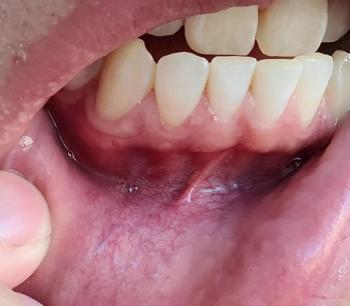
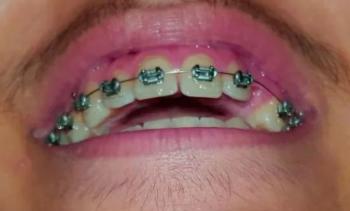
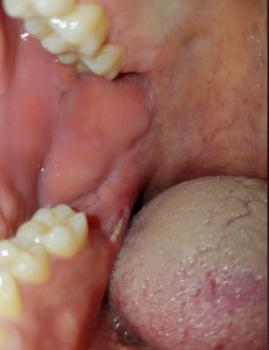
Patients with lower front gum inflammation may also experience tartar buildup, periodontal disease, gum abscesses, or tooth decay. Explore these related clinical case studies.




Other topics:
Other Dental Clinic