Strong Teeth, Fresh Breath, Brighter You.

A USA Dentist Explains Why Your Teeth Hurt with Cold and Heat
Language :
Topics:
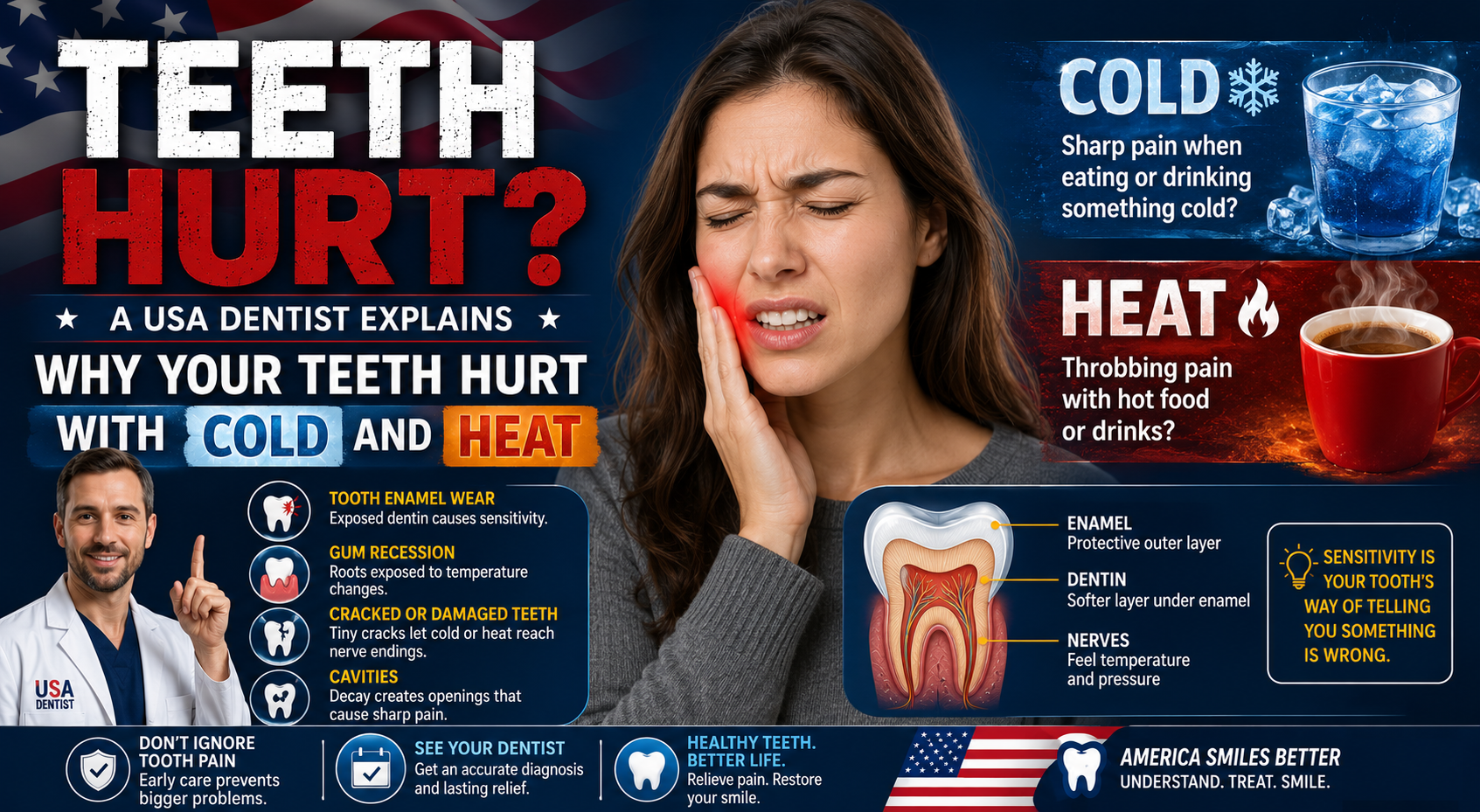
My Teeth Hurt Every Time I Drink Cold or Hot Water: A USA Dentist with 20 Years of Experience Explains Tooth Sensitivity, Its Causes, and How to Find Relief
Introduction: “Doctor, I’m Exhausted Because My Teeth Hurt All the Time”
As a dentist with more than 20 years of clinical experience, I have heard many patients describe tooth pain in similar ways.
One patient recently sat down in my chair and said:
"Doctor, I feel exhausted. Every time I drink cold water, my teeth hurt. When I drink hot coffee, they hurt. When I brush my teeth, I feel pain. Even when I eat food, I feel discomfort. It feels like my teeth are constantly reacting to everything."
This type of complaint is extremely common.
Many people assume they simply have "sensitive teeth," buy a toothpaste marketed for sensitivity, and hope the problem goes away.
Sometimes that works.
But many times, tooth sensitivity is actually a warning sign that something deeper is happening.
The discomfort may indicate enamel loss, gum recession, teeth grinding, cavities, cracked teeth, gum disease, or even nerve damage.
The good news is that tooth sensitivity is treatable once the underlying cause is identified.
Let's explore why teeth become sensitive, what causes the pain, and what can be done to protect your oral health.
Understanding Tooth Sensitivity
Tooth sensitivity is medically known as dentin hypersensitivity.
It occurs when the protective outer layers of the tooth become compromised.
A healthy tooth contains several layers:
Enamel
The outermost layer.
Enamel is the hardest substance in the human body.
Its purpose is to shield the inner structures of the tooth from temperature changes, chewing forces, and chemical attacks.
Dentin
Located beneath the enamel.
Dentin is softer and contains thousands of microscopic tubules.
These tiny channels connect directly to the tooth's nerve.
Pulp
The center of the tooth.
This area contains nerves and blood vessels.
When dentin becomes exposed, external stimuli can travel through these tubules and reach the nerve, creating sudden pain.
This is why cold water, hot coffee, ice cream, sweet foods, or even brushing can trigger discomfort.
Why Does Cold Water Cause Sharp Pain?
One of the most common complaints I hear involves cold drinks.
Patients often describe:
-
Sharp pain
-
Sudden zapping sensations
-
Brief but intense discomfort
Cold temperatures cause fluid movement within exposed dentin tubules.
This movement stimulates nerve endings.
The result is a quick burst of pain.
The more exposed the dentin becomes, the more intense the sensation.
Why Hot Drinks Also Hurt
Hot beverages such as:
-
Coffee
-
Tea
-
Soup
can produce a similar response.
In some cases, sensitivity to heat may indicate deeper problems.
While mild dentin exposure commonly reacts to cold, strong heat sensitivity sometimes suggests:
-
Advanced decay
-
Inflamed pulp tissue
-
Nerve irritation
-
Cracked teeth
This is one reason persistent heat sensitivity should never be ignored.
Why Brushing Can Become Painful
Many patients become frustrated when routine brushing hurts.
Instead of feeling clean, they experience discomfort every morning and evening.
Pain while brushing may occur because:
-
Toothbrush bristles touch exposed dentin
-
Receding gums expose root surfaces
-
Gum inflammation increases sensitivity
-
Aggressive brushing causes further irritation
The discomfort often causes patients to brush less effectively.
Unfortunately, this can create additional oral health problems.
Why Eating Becomes Difficult
Food should be enjoyable.
When sensitivity becomes severe, eating can become stressful.
Patients may avoid:
-
Ice cream
-
Hot soup
-
Fresh fruit
-
Cold beverages
-
Sweet desserts
In advanced cases, simply biting into food can trigger pain.
The emotional impact should not be underestimated.
Constant sensitivity can reduce quality of life and create daily frustration.
The Most Common Cause: Enamel Erosion
One of the leading causes of sensitivity is enamel erosion.
Enamel serves as the tooth's protective armor.
Once it begins wearing away, dentin becomes exposed.
Common causes include:
-
Soda consumption
-
Energy drinks
-
Sports drinks
-
Citrus fruits
-
Wine
-
Acid reflux
Repeated acid exposure gradually softens and dissolves enamel.
Unfortunately, enamel does not grow back.
This makes prevention extremely important.
Acidic Drinks and Their Impact
Many people underestimate the damage acidic beverages can cause.
Some of the biggest offenders include:
Soft Drinks
Regular and diet sodas contain acids capable of weakening enamel.
Sports Drinks
Many sports beverages are highly acidic despite their healthy image.
Energy Drinks
These products often combine acidity with high sugar content.
Fruit Juices
Orange juice, lemonade, and similar beverages can erode enamel over time.
Frequent exposure increases risk significantly.
Gum Recession: A Hidden Cause of Sensitivity
The root surface of a tooth lacks the thick enamel found on the crown.
When gums recede, the root becomes exposed.
Because root surfaces are naturally more sensitive, even mild temperature changes can become painful.
Common causes of recession include:
-
Gum disease
-
Aggressive brushing
-
Aging
-
Teeth grinding
-
Genetic factors
Many adults begin noticing increased sensitivity as gum recession progresses.
The Role of Gum Disease
Healthy gums protect and support teeth.
When gum disease develops, inflammation damages the supporting tissues.
Early symptoms may include:
-
Bleeding gums
-
Swelling
-
Bad breath
-
Tenderness
As disease advances, gum recession often occurs.
The newly exposed root surfaces become highly sensitive.
This explains why many patients with periodontal disease complain about sensitivity.
Aggressive Brushing Can Damage Teeth
Many patients believe brushing harder equals better cleaning.
Unfortunately, this is not true.
Excessive pressure can:
-
Wear enamel away
-
Damage gum tissue
-
Cause recession
-
Increase sensitivity
I often recommend using a soft-bristled toothbrush.
Gentle circular motions clean effectively while protecting tooth structure.
Teeth Grinding and Sensitivity
Bruxism, or teeth grinding, is another major contributor.
Many people grind their teeth while sleeping.
Others clench their jaws during stressful situations.
Over time, grinding causes:
-
Enamel wear
-
Micro-cracks
-
Tooth fractures
-
Gumline damage
As enamel thins, sensitivity increases.
Patients often report waking up with:
-
Jaw soreness
-
Headaches
-
Sensitive teeth
Stress and Tooth Sensitivity
Stress plays a surprisingly important role in oral health.
Periods of prolonged anxiety can trigger:
-
Jaw clenching
-
Teeth grinding
-
Muscle tension
The resulting forces gradually damage enamel.
Many patients experience worsening sensitivity during particularly stressful periods of life.
Cracked Teeth
A cracked tooth can create intense sensitivity.
Tiny fractures allow temperature changes to reach the inner nerve.
Symptoms may include:
-
Pain when chewing
-
Sensitivity to cold
-
Sharp discomfort when biting
Cracks are often difficult for patients to see.
Professional examination is usually necessary.
Cavities and Decay
Tooth decay remains one of the most common causes of sensitivity.
As bacteria dissolve tooth structure, pathways develop toward the nerve.
Early cavities may cause:
-
Mild sensitivity
-
Sweet sensitivity
-
Occasional discomfort
Advanced cavities can produce severe pain.
Prompt treatment helps prevent complications.
Old Fillings and Crowns
Dental restorations do not last forever.
Over time:
-
Fillings can leak
-
Crowns can loosen
-
Margins can break down
These defects allow stimuli to reach sensitive areas.
Patients frequently notice increasing sensitivity around older dental work.
Sensitivity After Dental Procedures
Some sensitivity following treatment is normal.
Common examples include:
-
Professional cleanings
-
Fillings
-
Crowns
-
Teeth whitening
The discomfort usually improves within days or weeks.
Persistent pain should be evaluated by a dentist.
Why Some Cases Require Immediate Attention
Not all sensitivity is harmless.
Warning signs include:
-
Severe pain
-
Lingering sensitivity
-
Spontaneous toothaches
-
Swelling
-
Fever
-
Pain that wakes you at night
These symptoms may indicate infection or nerve involvement.
Prompt dental care is essential.
At-Home Solutions for Mild Sensitivity
Fortunately, many patients experience relief with simple changes.
Desensitizing Toothpaste
Specialized toothpastes contain ingredients such as:
-
Potassium nitrate
-
Stannous fluoride
These compounds help block nerve signals.
Regular use often reduces discomfort within several weeks.
Use a Soft Toothbrush
Soft bristles protect enamel and gums.
Avoid scrubbing aggressively.
Improve Brushing Technique
Use gentle circular motions.
Let the toothbrush do the work.
Limit Acidic Foods
Reducing acid exposure protects remaining enamel.
Rinse After Acidic Drinks
Water helps neutralize acids and reduce damage.
Night Guards for Teeth Grinding
If grinding is contributing to sensitivity, a custom night guard can help.
Benefits include:
-
Reduced enamel wear
-
Lower fracture risk
-
Less jaw strain
-
Improved comfort
Many patients notice significant improvement after consistent use.
Professional Treatments That Work
When home remedies are insufficient, professional care may be necessary.
Fluoride Varnish
Dentists can apply concentrated fluoride directly to sensitive areas.
Benefits include:
-
Stronger enamel
-
Reduced sensitivity
-
Improved protection
Desensitizing Agents
Professional products may seal exposed dentin tubules.
Dental Bonding
Tooth-colored materials can cover exposed root surfaces.
This protects sensitive areas and improves comfort.
Sealants
Protective coatings may be applied to vulnerable surfaces.
When Fillings Are Necessary
If decay is responsible, removing the cavity and restoring the tooth is essential.
Modern tooth-colored fillings restore:
-
Function
-
Strength
-
Comfort
Early treatment usually prevents more extensive procedures.
When Crowns Become Necessary
Crowns may be recommended when:
-
Teeth are severely worn
-
Large cracks exist
-
Significant structure is missing
A crown acts like a protective helmet for the tooth.
Root Canal Treatment
Some patients fear root canals.
However, modern root canal therapy often provides tremendous relief.
It may be necessary when:
-
The nerve becomes infected
-
Severe inflammation develops
-
Pain becomes persistent
Root canal treatment eliminates the source of pain while preserving the tooth.
A Patient's Story
A 46-year-old patient visited my office after months of discomfort.
She told me:
"I can't drink cold water. I can't enjoy coffee. Even brushing hurts."
After examination, we discovered multiple contributing factors:
-
Gum recession
-
Teeth grinding
-
Enamel erosion
A customized treatment plan included:
-
Desensitizing toothpaste
-
Fluoride treatments
-
Night guard therapy
-
Improved brushing techniques
Within several months, her symptoms improved dramatically.
She could once again enjoy meals without constant discomfort.
Why Early Diagnosis Matters
Many people assume sensitivity is normal.
It isn't.
Sensitivity is a symptom.
The sooner the cause is identified, the easier it is to treat.
Ignoring the problem may allow:
-
Cracks to worsen
-
Decay to spread
-
Gum disease to progress
-
Nerve damage to develop
Early intervention often saves time, money, and discomfort.
Final Thoughts from a Dentist with 20 Years of Experience
If your teeth hurt every time you drink cold water, hot coffee, brush your teeth, or eat food, your body is trying to tell you something.
Tooth sensitivity is not merely an inconvenience.
It is often a warning sign of underlying dental problems that deserve attention.
The cause may be something relatively simple, such as enamel wear or gum recession.
Or it may involve more serious conditions like tooth decay, cracks, infection, or advanced grinding damage.
The encouraging news is that effective treatments exist.
With proper diagnosis, gentle oral care, professional guidance, and timely treatment, most patients can significantly reduce or eliminate sensitivity.
You should not have to live with daily tooth pain.
If sensitivity is affecting your quality of life, schedule a dental examination. Identifying the root cause today can help protect your teeth, preserve your smile, and restore comfort for years to come.
Can tooth extraction cause infection? Mild inflammation is normal, but increasing swelling, fever, or severe pain may indicate infection. Learn more about post-extraction infection warning signs in this detailed guide.
Book a consultation with our Cebu dental specialists for proper evaluation and care.
Ready to get expert guidance?
If you’re experiencing severe pain or delayed healing, book a consultation with our Cebu dental specialists to get proper evaluation and care.
Consultation or contact page .
Book a Consultation
For severe discomfort or delayed healing, book a consultation with our Cebu dental specialists today.
Looking for a dentist? Browse our Cebu dental directory to find trusted clinics near you.
Medical Review and Clinical Basis
This article is based on clinical dental guidelines and real patient recovery patterns observed after tooth extraction procedures. The information reflects common post-extraction healing stages, including normal clot formation, gum tissue repair, and signs of possible complications such as dry socket or infection.
While mild discomfort is expected after a dental extraction, worsening pain after Day 3, bad odor, exposed bone, or spreading pain may require professional evaluation. These symptoms are consistent with known post-extraction complications described in standard dental practice.
About Cebu Dental Implants
Cebu Dental Implants provides comprehensive tooth extraction, surgical procedures, and dental implant services in the Philippines. Our team evaluates post-extraction healing, manages complications such as dry socket, and advises patients on proper aftercare to prevent infection and delayed healing.
If you experience severe pain or unusual symptoms after extraction, early professional assessment is recommended to prevent further complications.
Important Medical Disclaimer
This content is for educational purposes only and does not replace professional dental diagnosis. Every patient heals differently. If symptoms worsen or do not improve within a few days, consult a licensed dentist for proper evaluation and treatment.
Author
This article was prepared by the Cebu Dental Implants content team in consultation with licensed dental professionals experienced in tooth extraction and implant procedures.
Related Clinical Cases
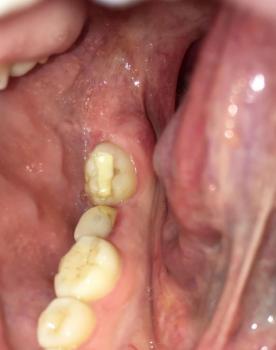
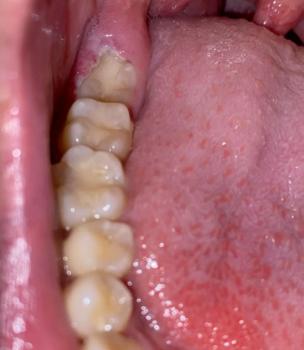
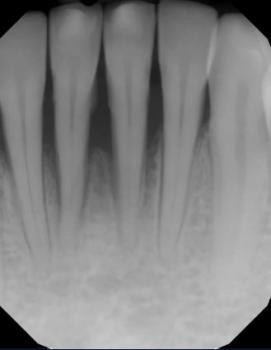
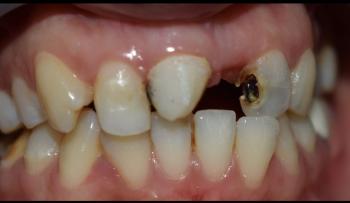
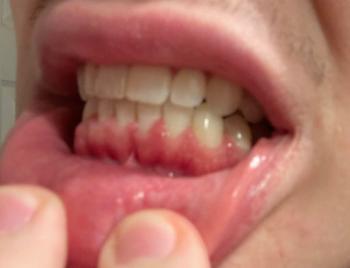
Patients with lower front gum inflammation may also experience tartar buildup, periodontal disease, gum abscesses, or tooth decay. Explore these related clinical case studies.
Other topics:
Other Dental Clinic
 |
 |
 |
 |