Modern Dentistry, Timeless Smiles.

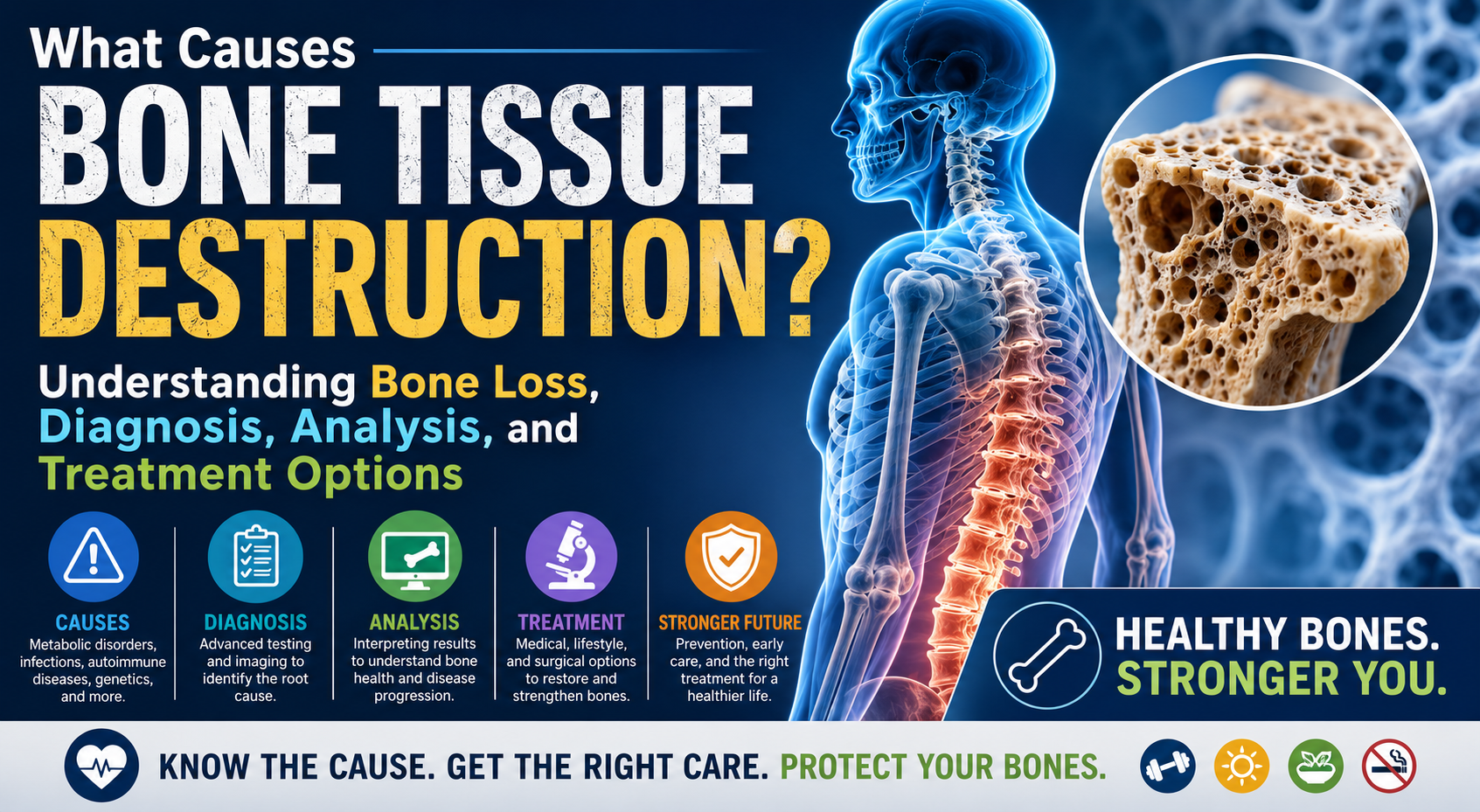
What Causes Bone Tissue Destruction? Understanding Bone Loss, Diagnosis, Analysis, and Treatment Options
Language :
Topics:
Bone tissue is a living structure that constantly changes throughout life. Many people assume bones remain static once they reach adulthood, but the human skeleton is continuously rebuilding itself through a process known as bone remodeling. This process allows old or damaged bone tissue to be removed and replaced with healthy new bone.
Under normal circumstances, bone remodeling maintains a healthy balance between bone breakdown and bone formation. However, when this balance is disrupted, bone destruction can occur. Bone tissue may become weaker, less dense, or even die entirely in certain conditions. Over time, this deterioration can lead to fractures, chronic pain, disability, and significant health complications.
Understanding why bone tissue is destroyed, how doctors diagnose bone loss, and what treatment options are available can help individuals take proactive steps to protect their skeletal health.
Understanding Bone Remodeling
Bone remodeling is the body's natural maintenance system for the skeleton.
Two specialized types of cells work together to maintain healthy bone:
Osteoclasts
Osteoclasts are responsible for breaking down old or damaged bone tissue through a process called bone resorption.
Osteoblasts
Osteoblasts create new bone tissue by depositing minerals and proteins that form strong, healthy bone.
In healthy individuals, these two processes remain balanced. The amount of bone removed is roughly equal to the amount of bone created.
Problems develop when:
- Bone resorption occurs too quickly
- Bone formation slows down
- Blood supply to bone becomes impaired
- Infection damages bone tissue
- Cancer invades bone structures
- Hormonal imbalances interfere with remodeling
When any of these situations occur, bone destruction may gradually or rapidly develop.
Primary Causes of Bone Tissue Destruction
Bone tissue destruction can result from several categories of diseases and conditions.
1. Metabolic Bone Diseases
Metabolic bone diseases affect the body's ability to maintain normal bone density and mineralization.
These conditions are among the most common causes of bone deterioration worldwide.
Osteoporosis
Osteoporosis is the most prevalent metabolic bone disease.
The condition occurs when bone density decreases faster than the body can replace it. Bones become porous, fragile, and more susceptible to fractures.
Risk factors include:
- Aging
- Menopause
- Low calcium intake
- Vitamin D deficiency
- Smoking
- Excessive alcohol consumption
- Lack of physical activity
- Certain medications
Common fracture sites include:
- Hip
- Spine
- Wrist
Many people remain unaware they have osteoporosis until a fracture occurs.
Hyperparathyroidism
The parathyroid glands regulate calcium levels in the body.
When these glands become overactive, they produce excessive amounts of parathyroid hormone (PTH).
Elevated PTH causes:
- Increased calcium release from bones
- Accelerated bone resorption
- Reduced bone density
- Higher fracture risk
Patients may experience:
- Bone pain
- Muscle weakness
- Kidney stones
- Fatigue
Osteomalacia
Osteomalacia refers to softening of the bones due to defective mineralization.
The most common cause is severe vitamin D deficiency.
Without adequate vitamin D:
- Calcium absorption decreases
- Bone mineralization becomes impaired
- Bones become weak and painful
Symptoms often include:
- Bone tenderness
- Muscle weakness
- Difficulty walking
- Increased fracture risk
Rickets
Rickets is the childhood version of osteomalacia.
Children with rickets may develop:
- Bowed legs
- Skeletal deformities
- Delayed growth
- Dental abnormalities
Early treatment can often reverse many effects.
2. Inflammatory and Autoimmune Conditions
Chronic inflammation can significantly contribute to bone destruction.
Inflammatory chemicals released by the immune system stimulate osteoclast activity and suppress bone formation.
Rheumatoid Arthritis
Rheumatoid arthritis is an autoimmune disease that attacks joints.
Persistent inflammation can cause:
- Joint damage
- Cartilage destruction
- Bone erosion
Over time, affected joints may become severely deformed.
Common symptoms include:
- Joint pain
- Swelling
- Morning stiffness
- Fatigue
Lupus
Systemic lupus erythematosus affects multiple organs and tissues.
Bone damage can result from:
- Chronic inflammation
- Long-term corticosteroid use
- Reduced physical activity
Patients may develop osteoporosis at younger ages than the general population.
Ankylosing Spondylitis
Ankylosing spondylitis primarily affects the spine and pelvis.
Although new bone formation occurs in some areas, bone loss can simultaneously develop elsewhere.
Potential complications include:
- Spinal fractures
- Reduced mobility
- Chronic pain
3. Bone Infections
Infections can rapidly destroy healthy bone tissue.
The medical term for bone infection is osteomyelitis.
Osteomyelitis
Osteomyelitis occurs when bacteria or fungi invade bone tissue.
Infections may spread through:
- Bloodstream
- Nearby infected tissue
- Open fractures
- Surgical procedures
Once infection develops, inflammation can damage bone cells and impair blood supply.
Symptoms often include:
- Severe pain
- Swelling
- Fever
- Redness
- Drainage from the affected area
If untreated, osteomyelitis can cause:
- Bone necrosis
- Chronic infection
- Permanent structural damage
Early diagnosis and treatment are critical.
4. Bone Tumors and Cancer
Cancer can severely damage healthy bone structure.
Both primary bone cancers and metastatic cancers may destroy bone tissue.
Primary Bone Tumors
Primary bone cancers originate within the bone itself.
Examples include:
- Osteosarcoma
- Chondrosarcoma
- Ewing sarcoma
These tumors directly invade and destroy healthy bone.
Symptoms may include:
- Persistent pain
- Swelling
- Fractures
- Reduced mobility
Metastatic Bone Disease
More commonly, cancers spread to bone from other organs.
Common sources include:
- Breast cancer
- Prostate cancer
- Lung cancer
- Kidney cancer
- Thyroid cancer
Cancer cells interfere with normal remodeling and may trigger aggressive bone destruction.
Potential complications include:
- Severe pain
- Pathologic fractures
- Spinal cord compression
- Elevated calcium levels
5. Vascular Causes of Bone Death
Healthy bone requires a constant blood supply.
When circulation becomes interrupted, bone tissue can die.
Osteonecrosis (Avascular Necrosis)
Osteonecrosis develops when blood flow to a bone is reduced or completely blocked.
Without oxygen and nutrients, bone cells begin to die.
Common risk factors include:
- Trauma
- Steroid use
- Excessive alcohol consumption
- Blood clotting disorders
- Autoimmune diseases
Frequently affected areas include:
- Hip
- Shoulder
- Knee
- Ankle
Early symptoms may be mild.
As damage progresses, patients often experience:
- Deep joint pain
- Stiffness
- Reduced range of motion
- Joint collapse
Advanced osteonecrosis may require joint replacement surgery.
6. Genetic Disorders
Certain inherited conditions affect the body's ability to build and maintain healthy bone.
Osteogenesis Imperfecta
Often called brittle bone disease, osteogenesis imperfecta results from defects in collagen production.
Collagen is an essential structural protein found in bone.
Affected individuals may experience:
- Frequent fractures
- Bone deformities
- Hearing loss
- Dental problems
Severity varies widely between patients.
Some experience only occasional fractures, while others have severe skeletal abnormalities.
Other Factors That Contribute to Bone Destruction
Many lifestyle and medical factors can accelerate bone loss.
Smoking
Smoking reduces blood flow and interferes with bone-forming cells.
It also delays fracture healing and increases osteoporosis risk.
Excessive Alcohol Use
Heavy alcohol consumption can:
- Reduce bone formation
- Interfere with calcium absorption
- Increase fracture risk
Nutritional Deficiencies
Insufficient intake of:
- Calcium
- Vitamin D
- Protein
- Magnesium
can compromise bone health.
Long-Term Medications
Certain medications increase bone loss, including:
- Corticosteroids
- Anticonvulsants
- Some cancer treatments
- Certain hormone therapies
Symptoms of Bone Tissue Destruction
Symptoms vary depending on the underlying cause.
Common warning signs include:
Persistent Bone Pain
Ongoing pain may indicate:
- Bone infection
- Tumor
- Osteonecrosis
- Severe osteoporosis
Frequent Fractures
Repeated fractures after minor injuries often suggest weakened bone structure.
Height Loss
Compression fractures in the spine can lead to:
- Reduced height
- Stooped posture
- Chronic back pain
Joint Problems
Bone destruction near joints may cause:
- Swelling
- Instability
- Limited mobility
Muscle Weakness
Metabolic bone diseases often affect both muscles and bones.
Diagnosis and Analysis of Bone Tissue Destruction
Doctors use multiple tools to identify the cause and severity of bone loss.
A comprehensive evaluation helps determine the most effective treatment strategy.
Physical Examination and Medical History
The diagnostic process usually begins with a detailed clinical assessment.
Doctors evaluate:
- Symptoms
- Medical history
- Family history
- Medications
- Lifestyle habits
Questions may address:
- Smoking
- Alcohol use
- Diet
- Previous fractures
- Chronic diseases
This information often provides important clues regarding the underlying cause.
Laboratory Testing
Blood and urine tests help identify metabolic abnormalities.
Important laboratory markers include:
Calcium
Abnormal calcium levels may indicate:
- Hyperparathyroidism
- Vitamin D deficiency
- Cancer
Phosphorus
Phosphorus plays a critical role in bone mineralization.
Abnormal levels can suggest metabolic bone disease.
Vitamin D
Low vitamin D is a major contributor to weakened bones.
Parathyroid Hormone (PTH)
Elevated PTH may indicate hyperparathyroidism.
Bone Turnover Markers
These specialized tests measure:
- Bone formation activity
- Bone resorption activity
High resorption markers may indicate accelerated bone loss.
Imaging Studies
Imaging plays a vital role in evaluating bone destruction.
X-Rays
X-rays are often the first imaging study performed.
They can reveal:
- Fractures
- Bone loss
- Tumors
- Structural abnormalities
However, early disease may not always be visible.
Computed Tomography (CT)
CT scans provide detailed cross-sectional images.
Advantages include:
- High-resolution bone visualization
- Three-dimensional reconstruction
- Better evaluation of complex anatomy
CT is particularly useful for:
- Fractures
- Tumors
- Surgical planning
Magnetic Resonance Imaging (MRI)
MRI excels at evaluating soft tissues and bone marrow.
It is highly sensitive for detecting:
- Early osteonecrosis
- Bone marrow disease
- Infection
- Tumor involvement
MRI often identifies abnormalities before they appear on X-rays.
Bone Mineral Density Testing (DEXA)
Dual-energy X-ray absorptiometry (DEXA) is considered the gold standard for measuring bone density.
The test is:
- Quick
- Painless
- Non-invasive
DEXA helps diagnose:
- Osteoporosis
- Osteopenia
- Fracture risk
Results are typically reported as T-scores.
Normal Bone Density
T-score above -1.0
Osteopenia
T-score between -1.0 and -2.5
Osteoporosis
T-score below -2.5
Regular monitoring helps evaluate treatment effectiveness.
Radionuclide Bone Scan
A bone scan involves injecting a small amount of radioactive tracer into the bloodstream.
Areas with increased bone activity absorb more tracer and appear brighter on imaging.
Bone scans help detect:
- Tumors
- Infections
- Stress fractures
- Metastatic disease
They are particularly useful when symptoms are widespread or difficult to localize.
Bone Biopsy
In some cases, a bone biopsy becomes necessary.
During the procedure:
- A small tissue sample is removed
- The sample is examined under a microscope
Bone biopsy can definitively diagnose:
- Cancer
- Infection
- Complex metabolic disorders
It remains one of the most accurate diagnostic tools when uncertainty exists.
Understanding the Clinical Review of Bone Health
Bone health assessment goes beyond simply reviewing imaging results.
Doctors perform a comprehensive analysis that combines multiple sources of information.
This process helps identify why bone loss is occurring rather than merely confirming its presence.
For example:
A DEXA scan may reveal osteoporosis.
However, if blood testing shows elevated parathyroid hormone levels, the underlying cause may be hyperparathyroidism rather than age-related bone loss.
This distinction is important because treatment strategies differ significantly.
Advanced Histological Analysis
When bone tissue is biopsied, pathologists evaluate microscopic characteristics.
They may assess:
- Bone architecture
- Mineralization quality
- Marrow structure
- Cancer cells
- Infection organisms
Histological analysis provides valuable insight into disease processes that cannot be seen through imaging alone.
Treatment Options for Bone Tissue Destruction
Treatment depends on the underlying cause.
Common approaches include:
Medications
Depending on diagnosis, treatment may involve:
- Bisphosphonates
- Hormone therapy
- Vitamin D supplements
- Calcium supplementation
- Anti-inflammatory medications
- Antibiotics
- Cancer therapies
Lifestyle Changes
Healthy habits support bone preservation.
Recommendations often include:
- Regular weight-bearing exercise
- Smoking cessation
- Limiting alcohol intake
- Balanced nutrition
Surgical Treatment
Surgery may be necessary for:
- Severe fractures
- Bone tumors
- Advanced osteonecrosis
- Chronic infections
Procedures may include:
- Bone grafting
- Joint replacement
- Tumor removal
Preventing Bone Loss
Prevention is often easier than treatment.
Important preventive measures include:
Maintain Adequate Calcium Intake
Adults generally require approximately 1,000–1,200 mg of calcium daily.
Ensure Sufficient Vitamin D
Vitamin D supports calcium absorption and bone mineralization.
Stay Physically Active
Weight-bearing exercises stimulate bone formation.
Examples include:
- Walking
- Jogging
- Strength training
- Hiking
Avoid Smoking
Smoking significantly increases bone loss risk.
Moderate Alcohol Consumption
Excessive alcohol use weakens bones and increases fracture risk.
Schedule Regular Medical Checkups
Early detection allows timely intervention before severe damage develops.
Final Thoughts
Bone tissue destruction occurs when the body's normal bone remodeling process becomes disrupted. Whether caused by metabolic diseases, autoimmune disorders, infections, cancer, vascular problems, genetic conditions, or lifestyle factors, bone loss can significantly affect overall health and quality of life.
Fortunately, modern medicine offers numerous diagnostic tools to identify the cause of bone deterioration. Through physical examinations, laboratory testing, advanced imaging, DEXA scans, bone scans, and biopsies, physicians can accurately evaluate bone health and develop personalized treatment plans.
Recognizing early warning signs such as persistent bone pain, frequent fractures, reduced mobility, or unexplained skeletal changes can lead to earlier diagnosis and better outcomes. Maintaining healthy lifestyle habits, ensuring proper nutrition, staying physically active, and seeking medical attention when symptoms arise are among the most effective strategies for preserving bone strength throughout life.
Medical Disclaimer: This article is for educational purposes only and should not be considered medical advice. If you are experiencing bone pain, recurrent fractures, mobility issues, or other symptoms related to bone deterioration, consult a qualified healthcare professional, orthopedic specialist, endocrinologist, or rheumatologist for a comprehensive medical evaluation and personalized treatment recommendations.
Can tooth extraction cause infection? Mild inflammation is normal, but increasing swelling, fever, or severe pain may indicate infection. Learn more about post-extraction infection warning signs in this detailed guide.
Book a consultation with our Cebu dental specialists for proper evaluation and care.
Ready to get expert guidance?
If you’re experiencing severe pain or delayed healing, book a consultation with our Cebu dental specialists to get proper evaluation and care.
Consultation or contact page .
Book a Consultation
For severe discomfort or delayed healing, book a consultation with our Cebu dental specialists today.
Looking for a dentist? Browse our Cebu dental directory to find trusted clinics near you.
Medical Review and Clinical Basis
This article is based on clinical dental guidelines and real patient recovery patterns observed after tooth extraction procedures. The information reflects common post-extraction healing stages, including normal clot formation, gum tissue repair, and signs of possible complications such as dry socket or infection.
While mild discomfort is expected after a dental extraction, worsening pain after Day 3, bad odor, exposed bone, or spreading pain may require professional evaluation. These symptoms are consistent with known post-extraction complications described in standard dental practice.
About Cebu Dental Implants
Cebu Dental Implants provides comprehensive tooth extraction, surgical procedures, and dental implant services in the Philippines. Our team evaluates post-extraction healing, manages complications such as dry socket, and advises patients on proper aftercare to prevent infection and delayed healing.
If you experience severe pain or unusual symptoms after extraction, early professional assessment is recommended to prevent further complications.
Important Medical Disclaimer
This content is for educational purposes only and does not replace professional dental diagnosis. Every patient heals differently. If symptoms worsen or do not improve within a few days, consult a licensed dentist for proper evaluation and treatment.
Author
This article was prepared by the Cebu Dental Implants content team in consultation with licensed dental professionals experienced in tooth extraction and implant procedures.
Video:
Related Clinical Cases
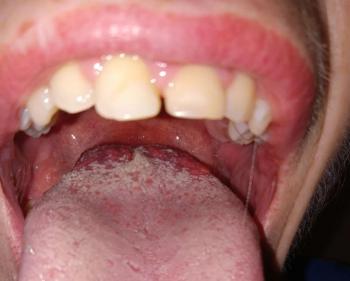
Patients with lower front gum inflammation may also experience tartar buildup, periodontal disease, gum abscesses, or tooth decay. Explore these related clinical case studies.




Other topics:
Other Dental Clinic
 |
 |
 |
 |