Your Smile, Our Passion.

Occasional Tooth Swelling in Sacramento, California: A USA Dentist Explains the Causes, Diagnosis, Worst-Case Scenarios, Treatment Options, and How Your Tooth Can Still Be Saved
Language :

If you live in Sacramento, California, and have noticed occasional swelling around a tooth, gum, jaw, or face, it is important not to ignore it. Many patients mistakenly believe that swelling that comes and goes is harmless. Unfortunately, intermittent swelling is often one of the earliest warning signs that an infection is developing beneath the surface.
As a dentist who has treated thousands of patients with dental infections, root canal problems, gum disease, and dental abscesses, I frequently hear the same statement:
"The swelling disappeared, so I thought the problem was gone."
In reality, the disappearance of swelling does not necessarily mean the infection has healed. In many cases, the infection is simply draining temporarily, reducing pressure and making symptoms less noticeable.
Whether the swelling occurs once a month, every few weeks, or only after chewing, understanding the cause is critical. Early diagnosis can mean the difference between saving a tooth with root canal therapy and losing it to extraction.
This guide explains why occasional swelling happens, how dentists diagnose the problem, the most serious complications that can develop, and how modern dental treatment can often save your natural tooth.
What Does Occasional Swelling Mean?
Occasional swelling usually indicates that inflammation or infection exists somewhere around the tooth, root, gums, or surrounding bone.
The swelling may appear as:
- A puffy gum near one tooth
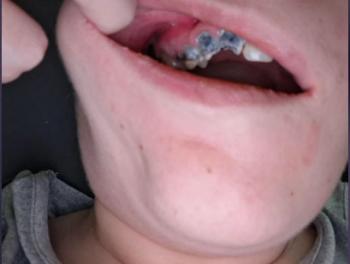
- A bump that comes and goes
- Tenderness near a crown
- Swelling around a root canal tooth
- Facial swelling near the jaw
- Pressure sensation in the cheek
- Gum enlargement after chewing
The body's immune system continuously battles bacteria inside the mouth. Sometimes the immune system temporarily controls the infection, causing swelling to decrease. When bacteria multiply again, the swelling returns.
This cycle often continues until professional treatment is performed.
Common Causes of Occasional Tooth Swelling
1. Tooth Infection
One of the most common causes is a tooth infection affecting the pulp inside the tooth.
The pulp contains:
- Nerves
- Blood vessels
- Connective tissue
When bacteria enter through deep decay, fractures, or trauma, infection develops inside the tooth.
Symptoms may include:
- Occasional swelling
- Tooth sensitivity
- Pain when chewing
- Bad taste in the mouth
- Pressure sensation
The infection may remain hidden for months before becoming severe.
2. Dental Abscess
A dental abscess is a collection of pus caused by bacterial infection.
Common signs include:
- Swelling that appears suddenly
- Gum boil
- Pus drainage
- Bad breath
- Facial tenderness
Many patients report:
"The swelling comes and goes every few weeks."
This is a classic symptom of a chronic dental abscess.
3. Failed Root Canal Treatment
A previous root canal can occasionally become reinfected.
Reasons include:
- Missed canals
- New decay
- Crown leakage
- Root fractures
- Persistent bacteria
A failed root canal often causes:
- Intermittent swelling
- Mild discomfort
- Gum tenderness
- Pressure sensation
Retreatment may be necessary to save the tooth.
4. Cracked Tooth Syndrome
Small cracks can allow bacteria to enter the tooth.
The crack may not be visible on X-rays.
Symptoms include:
- Pain when biting
- Swelling around the tooth
- Sensitivity
- Discomfort when chewing
If untreated, cracks can spread deeper and threaten the tooth's survival.
5. Advanced Gum Disease
Periodontal disease destroys:
- Gum tissue
- Bone support
- Periodontal ligaments
When bacteria accumulate below the gums, swelling can occur periodically.
Patients may notice:
- Bleeding gums
- Bad breath
- Loose teeth
- Recurrent swelling
6. Food Impaction
Food trapped between teeth can irritate gum tissue.
Common culprits include:
- Meat fibers
- Popcorn husks
- Seeds
- Nuts
Repeated food impaction causes:
- Localized swelling
- Gum soreness
- Bleeding
Fortunately, this condition is usually easier to treat.
Why Does the Swelling Come and Go?
Many patients become confused when swelling disappears.
The explanation often involves pressure changes.
When infection builds:
- Pressure increases
- Swelling develops
- Pain may worsen
When drainage occurs:
- Pressure decreases
- Swelling shrinks
- Pain temporarily improves
However, bacteria usually remain active.
Think of it as a warning light that turns off temporarily while the underlying engine problem remains.
How Dentists Diagnose Occasional Swelling
Proper diagnosis is essential.
A Sacramento dentist may perform several tests.
Comprehensive Examination
The dentist evaluates:
- Swelling location
- Gum health
- Existing restorations
- Bite function
- Tooth mobility
Digital X-Rays
X-rays reveal:
- Bone loss
- Abscesses
- Deep decay
- Root problems
Some infections become clearly visible on radiographs.
CBCT 3D Imaging
Three-dimensional imaging provides superior detail.
CBCT scans can identify:
- Hidden infections
- Root fractures
- Missed canals
- Bone destruction
Many difficult cases become easier to diagnose using CBCT technology.
Pulp Vitality Testing
These tests determine whether the nerve inside the tooth remains alive.
Methods include:
- Cold testing
- Electric pulp testing
- Heat testing
Bite Analysis
Cracked teeth and traumatic bites often cause inflammation.
Evaluating bite pressure helps identify hidden causes.
Symptoms That Should Never Be Ignored
Seek immediate dental evaluation if you experience:
- Facial swelling
- Difficulty swallowing
- Fever
- Pus drainage
- Severe tooth pain
- Jaw swelling
- Difficulty opening the mouth
- Swollen lymph nodes
These symptoms may indicate a progressing infection.
Worst-Case Scenarios That Can Happen
Patients often underestimate the seriousness of dental swelling.
Here are the complications dentists worry about most.
Scenario 1: Large Dental Abscess
A small infection can gradually enlarge.
The infection may destroy:
- Bone
- Gum tissue
- Supporting structures
Eventually the tooth may become unsalvageable.
Scenario 2: Tooth Loss
Untreated infection can lead to:
- Severe bone loss
- Root damage
- Structural failure
At that point extraction becomes the only option.
Scenario 3: Jawbone Infection
Bacteria may spread into surrounding bone.
This condition can cause:
- Chronic pain
- Bone destruction
- Extensive treatment needs
Recovery becomes more difficult.
Scenario 4: Facial Space Infection
This is one of the most serious dental emergencies.
Infection can spread into:
- Cheeks
- Jaw spaces
- Neck tissues
Patients may develop:
- Significant facial swelling
- Fever
- Severe pain
Hospital treatment may become necessary.
Scenario 5: Airway Compromise
Although rare, advanced dental infections can spread into the neck.
This can affect breathing.
Warning signs include:
- Difficulty swallowing
- Difficulty breathing
- Rapidly increasing swelling
Emergency medical treatment is required immediately.
Scenario 6: Systemic Infection
In severe situations, bacteria may enter the bloodstream.
Potential consequences include:
- Hospitalization
- Serious illness
- Life-threatening complications
Fortunately, early dental treatment greatly reduces these risks.
Treatment Options for Occasional Swelling
Treatment depends entirely on the diagnosis.
Root Canal Therapy
If infection exists inside the tooth, root canal treatment is often the best solution.
The procedure:
- Removes infected tissue
- Cleans root canals
- Disinfects bacteria
- Seals the canals
- Preserves the natural tooth
Modern root canal treatment is highly successful.
Root Canal Retreatment
If a previous root canal fails, retreatment may save the tooth.
The dentist:
- Removes old filling material
- Re-cleans canals
- Eliminates infection
- Reseals the system
Many previously failing teeth can be saved.
Dental Crown Placement
After root canal therapy, crowns protect weakened teeth.
Benefits include:
- Improved strength
- Better function
- Reduced fracture risk
- Long-term durability
Periodontal Therapy
If gum disease causes swelling, treatment may involve:
- Deep cleaning
- Scaling and root planing
- Periodontal maintenance
- Improved oral hygiene
Extraction
Sometimes the damage is too extensive.
Reasons for extraction include:
- Vertical root fractures
- Severe bone loss
- Non-restorable decay
- Advanced infection
After extraction, replacement options include implants and bridges.
Can Antibiotics Solve the Problem?
This is one of the most common questions patients ask.
The answer is:
Not usually.
Antibiotics may temporarily reduce symptoms.
However, antibiotics often cannot eliminate infection trapped inside a dead tooth.
Without treating the source:
- Swelling frequently returns
- Infection persists
- Damage continues
Antibiotics should not replace definitive dental treatment.
How Sacramento Patients Can Reduce Risk
Preventive care remains the best strategy.
Recommendations include:
Maintain Excellent Oral Hygiene
Brush twice daily.
Use fluoride toothpaste.
Clean between teeth every day.
Attend Regular Dental Checkups
Routine examinations help identify problems before symptoms appear.
Early treatment often prevents expensive emergencies.
Address Cavities Promptly
Small cavities are easier and less expensive to repair than infected teeth.
Protect Teeth from Grinding
Night guards can reduce stress on teeth.
Grinding often contributes to cracks and fractures.
Do Not Ignore Minor Symptoms
Small swelling today may become a major infection later.
Early intervention improves outcomes.
How Long Can You Wait?
Every case is different.
However, swelling indicates inflammation or infection.
Even if symptoms disappear temporarily, evaluation should not be delayed.
The longer infection remains untreated:
- The more bone may be lost
- The greater the risk of complications
- The lower the chance of saving the tooth
Prompt diagnosis generally produces the best prognosis.
A Realistic Tooth-Saving Success Story
A Sacramento patient in his early forties visited our office after experiencing occasional swelling near a lower molar for nearly six months.
The swelling appeared every few weeks and then disappeared.
Because the discomfort was mild, he assumed it was not serious.
One morning he noticed a small bump on the gum that released a salty-tasting fluid.
Concerned, he finally scheduled an examination.
Digital X-rays revealed a large infection around the root tip.
The nerve inside the tooth had died months earlier.
Fortunately, the tooth structure remained strong enough to save.
We performed root canal treatment, thoroughly disinfected the canals, and placed a protective crown several weeks later.
At his follow-up visit, the swelling had completely disappeared.
Six months later, new X-rays showed healthy bone regeneration around the roots.
One year later, the tooth remained comfortable, functional, and infection-free.
Had he waited another year, significant bone destruction could have forced extraction.
Instead, prompt treatment preserved his natural tooth and avoided more extensive procedures.
Final Thoughts from a USA Dentist
Occasional swelling around a tooth is never something to ignore. Even when symptoms come and go, the underlying cause may be a chronic infection, failing root canal, cracked tooth, gum disease, or dental abscess.
The good news is that many teeth can still be saved when treatment occurs early. Modern diagnostic tools, root canal therapy, periodontal treatment, and restorative dentistry allow dentists to eliminate infection and preserve natural teeth in situations that once required extraction.
If you live in Sacramento, California, and notice recurring swelling, gum bumps, facial puffiness, pressure sensations, or unexplained tenderness, schedule a professional dental examination as soon as possible. Early diagnosis provides the greatest opportunity to save your tooth, protect your oral health, and prevent serious complications.
Your natural tooth is often worth saving—and occasional swelling may be the warning sign that gives you the chance to do exactly that.
Can tooth extraction cause infection? Mild inflammation is normal, but increasing swelling, fever, or severe pain may indicate infection. Learn more about post-extraction infection warning signs in this detailed guide.
Book a consultation with our Cebu dental specialists for proper evaluation and care.
Ready to get expert guidance?
If you’re experiencing severe pain or delayed healing, book a consultation with our Cebu dental specialists to get proper evaluation and care.
Consultation or contact page .
Book a Consultation
For severe discomfort or delayed healing, book a consultation with our Cebu dental specialists today.
Looking for a dentist? Browse our Cebu dental directory to find trusted clinics near you.
Medical Review and Clinical Basis
This article is based on clinical dental guidelines and real patient recovery patterns observed after tooth extraction procedures. The information reflects common post-extraction healing stages, including normal clot formation, gum tissue repair, and signs of possible complications such as dry socket or infection.
While mild discomfort is expected after a dental extraction, worsening pain after Day 3, bad odor, exposed bone, or spreading pain may require professional evaluation. These symptoms are consistent with known post-extraction complications described in standard dental practice.
About Cebu Dental Implants
Cebu Dental Implants provides comprehensive tooth extraction, surgical procedures, and dental implant services in the Philippines. Our team evaluates post-extraction healing, manages complications such as dry socket, and advises patients on proper aftercare to prevent infection and delayed healing.
If you experience severe pain or unusual symptoms after extraction, early professional assessment is recommended to prevent further complications.
Important Medical Disclaimer
This content is for educational purposes only and does not replace professional dental diagnosis. Every patient heals differently. If symptoms worsen or do not improve within a few days, consult a licensed dentist for proper evaluation and treatment.
Author
This article was prepared by the Cebu Dental Implants content team in consultation with licensed dental professionals experienced in tooth extraction and implant procedures.
Related Clinical Cases
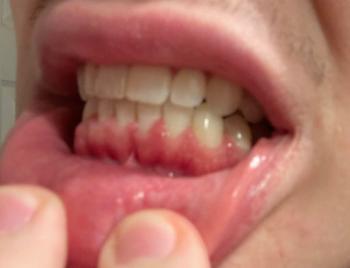
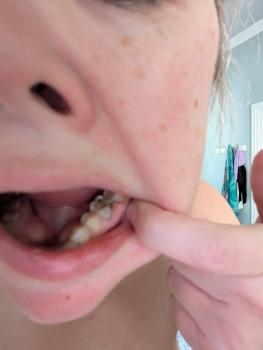
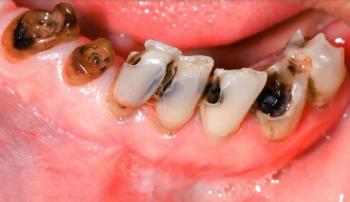
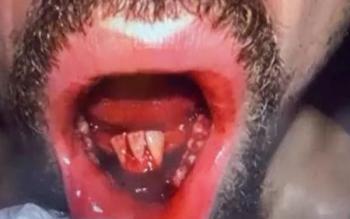
Patients with lower front gum inflammation may also experience tartar buildup, periodontal disease, gum abscesses, or tooth decay. Explore these related clinical case studies.



Other topics:
Other Dental Clinic
 |
 |
 |
 |