Transforming Smiles, Restoring Confidence.

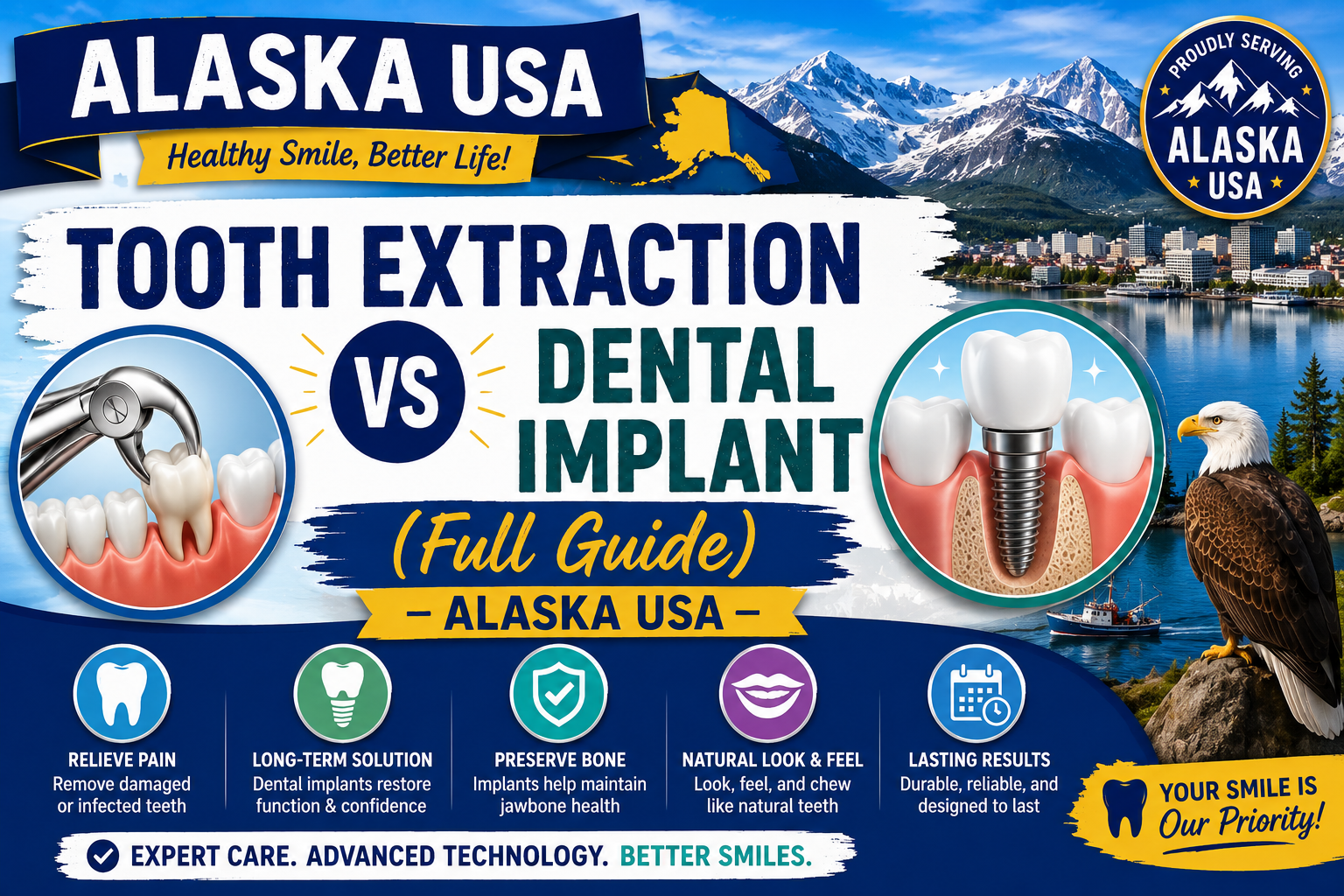
Tooth Extraction vs Dental Implant (Full Guide) – Alaska USA
Language :
Topics:
When a tooth becomes severely damaged, infected, or impossible to save, many patients in Alaska face an important dental decision: should the tooth simply be extracted, or should it be replaced with a dental implant afterward?
This is one of the most common questions in modern dentistry. While tooth extraction removes the immediate problem, dental implants help restore long-term oral health, chewing function, and smile appearance. Understanding the differences between tooth extraction and dental implants can help patients make informed decisions that protect their future dental health.
Many people assume extraction alone solves everything. However, losing a tooth without replacement may eventually cause bone loss, shifting teeth, bite problems, and even facial structure changes over time. On the other hand, dental implants involve additional procedures, healing time, and costs.
This complete beginner-friendly Alaska dental guide explains everything you need to know about tooth extraction vs dental implants, including healing timelines, costs, risks, recovery, long-term benefits, practical advice, and how dentists determine the best treatment option for each patient.
What Is a Tooth Extraction?
A tooth extraction is the removal of a tooth from the jawbone.
Dentists may recommend extraction when a tooth cannot be safely repaired or restored.
Common reasons for extraction include:
- Severe tooth decay
- Broken teeth
- Advanced gum disease
- Dental infections
- Failed root canals
- Impacted wisdom teeth
- Severe fractures below the gumline
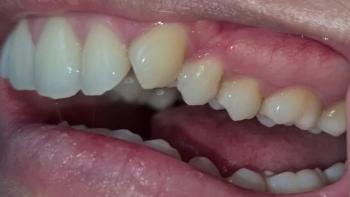
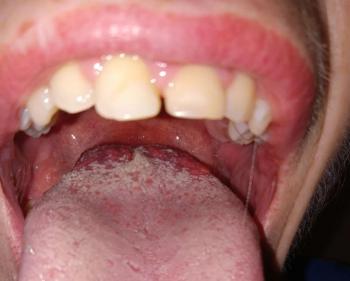
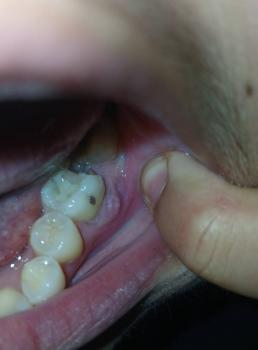
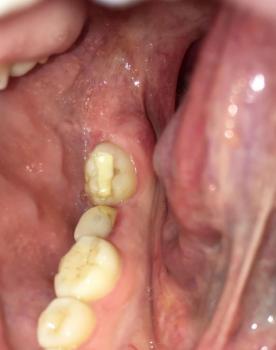
Tooth extraction removes pain and infection, but it also leaves an empty space in the mouth.
What Is a Dental Implant?
A dental implant is a titanium post surgically placed into the jawbone to replace the root of a missing tooth.
The complete implant system usually includes:
- Implant post
- Abutment connector
- Dental crown
Dental implants are designed to function similarly to natural teeth and help preserve jawbone health.
Unlike removable dentures, implants remain fixed securely in the jaw.
Tooth Extraction vs Dental Implant: Main Difference
The biggest difference is simple:
- Tooth extraction removes the damaged tooth
- Dental implants replace the missing tooth afterward
Extraction alone solves the immediate dental problem, while implants focus on long-term restoration and oral stability.
Why Missing Teeth Can Become a Bigger Problem Later
Many patients feel relieved after extraction because the pain disappears. However, problems can slowly develop after the tooth is gone.
Possible long-term complications include:
- Bone loss
- Teeth shifting
- Bite imbalance
- Difficulty chewing
- Jaw weakness
- Facial sagging
- Speech changes
This is why dentists often discuss replacement options shortly after extraction.
Why Dental Implants Are Popular in Alaska USA
Dental implants have become increasingly popular because they offer:
- Natural appearance
- Strong chewing ability
- Long-term durability
- Jawbone preservation
- Better comfort than dentures
Many Alaska patients prefer implants because they provide stability during eating and speaking.
When Tooth Extraction Alone May Be Enough
In some situations, extraction without replacement may be acceptable.
Examples include:
- Certain wisdom teeth
- Teeth in low-function areas
- Medical conditions limiting surgery
- Financial limitations
- Patients planning future treatment later
However, even when replacement is delayed, dentists often recommend monitoring bone health carefully.
When Dental Implants Are Strongly Recommended
Dental implants are commonly recommended when:
- A visible front tooth is missing
- Chewing becomes difficult
- Bone preservation is important
- Multiple teeth are missing
- Dentures feel uncomfortable
- Long-term stability is desired
Implants are especially useful for patients seeking a permanent replacement solution.
Tooth Extraction Procedure Explained
A typical extraction procedure may include:
- Local anesthesia
- Loosening the tooth
- Removing the tooth carefully
- Cleaning the socket
- Possible stitches if needed
Simple extractions are usually quick and straightforward.
Surgical extractions may require:
- Gum incisions
- Bone removal
- Tooth sectioning
Dental Implant Procedure Explained
Dental implant treatment occurs in stages.
Typical steps include:
- Tooth extraction if necessary
- Bone grafting if needed
- Implant placement surgery
- Healing period
- Crown attachment
Healing and bone integration are essential before the final tooth is attached.
Tooth Extraction vs Implant Recovery Comparison
| Tooth Extraction | Dental Implant |
|---|---|
| Faster short-term recovery | Longer total treatment timeline |
| Less initial cost | Higher initial investment |
| Empty space remains | Missing tooth replaced |
| Bone loss may continue | Helps preserve bone |
| May require future treatment | Long-term restoration solution |
Healing Timeline After Tooth Extraction
Healing after extraction happens gradually.
Typical Timeline
| Healing Stage | Average Time |
|---|---|
| Blood clot formation | 24 hours |
| Initial gum healing | 1–2 weeks |
| Significant gum closure | 2–4 weeks |
| Bone healing | Several months |
Complete healing may take longer after surgical extraction.
Healing Timeline After Dental Implant Surgery
Implant healing involves both gum healing and bone integration.
Typical Timeline
| Implant Stage | Average Time |
|---|---|
| Initial healing | 1–2 weeks |
| Early bone healing | Several weeks |
| Osseointegration | 3–6 months |
| Final crown placement | After full integration |
Healing varies depending on bone condition and overall health.
What Is Osseointegration?
Osseointegration is the process where the jawbone bonds directly with the implant surface.
This creates:
- Implant stability
- Strong bite force
- Long-term durability
- Natural chewing function
Successful osseointegration is critical for implant success.
Why Bone Loss Happens After Extraction
Natural tooth roots stimulate the jawbone whenever you chew.
Once the tooth is removed:
- Bone stimulation decreases
- The body starts reabsorbing bone
- Jawbone shrinkage begins
Bone loss may affect future implant placement if treatment is delayed too long.
How Dental Implants Help Preserve Bone
Dental implants mimic natural tooth roots by stimulating the jawbone.
Benefits include:
- Reduced bone shrinkage
- Better jaw support
- Improved facial structure
- Greater long-term stability
This is one reason implants are considered the gold standard for tooth replacement.
Immediate Implants vs Delayed Implants
Immediate Implants
Placed the same day as extraction.
Benefits:
- Faster overall treatment
- Earlier bone preservation
- Fewer surgeries
Limitations:
- Not ideal for severe infection
- Requires healthy bone support
Delayed Implants
Placed weeks or months later.
Benefits:
- Better healing after infection
- More flexibility in complex cases
Limitations:
- Longer treatment timeline
- Possible additional bone loss during waiting period
Immediate vs Delayed Implant Comparison
| Immediate Implant | Delayed Implant |
|---|---|
| Faster treatment | Longer healing time |
| Fewer procedures | Better for severe infection |
| Earlier cosmetic results | More healing flexibility |
| Requires stronger bone | Helpful for complex cases |
Tooth Extraction Pain vs Implant Pain
Many patients fear implant surgery more than extraction.
However, modern dentistry has improved comfort greatly.
Tooth Extraction Recovery
Common symptoms:
- Bleeding
- Swelling
- Tenderness
- Jaw soreness
Implant Recovery
Common symptoms:
- Mild swelling
- Gum tenderness
- Temporary discomfort
- Minor bleeding
Most patients report implant surgery is easier than expected.
Tooth Extraction Risks
Possible complications include:
- Dry socket
- Infection
- Excessive bleeding
- Delayed healing
- Bone loss
Smoking increases complication risks significantly.
Dental Implant Risks
Possible implant complications include:
- Infection
- Implant failure
- Bone integration problems
- Nerve irritation
- Gum inflammation
Proper planning greatly improves implant success rates.
Who Is a Good Candidate for Dental Implants?
Most healthy adults qualify for implants.
Ideal candidates usually have:
- Healthy gums
- Adequate bone support
- Good oral hygiene
- Stable medical health
- Limited smoking habits
Age alone rarely prevents treatment.
Conditions That May Affect Implant Success
Certain conditions increase complication risks.
These include:
- Uncontrolled diabetes
- Heavy smoking
- Severe gum disease
- Osteoporosis
- Immune disorders
A dentist can evaluate whether additional precautions are needed.
Dental Implant vs Bridge Comparison
| Dental Implant | Dental Bridge |
|---|---|
| Independent tooth replacement | Uses nearby teeth for support |
| Preserves bone | Bone loss continues |
| Longer lifespan | May need replacement sooner |
| No damage to neighboring teeth | Healthy teeth reshaped |
Implants are often preferred for long-term oral health.
Dental Implant vs Denture Comparison
| Dental Implant | Denture |
|---|---|
| Fixed permanently | Removable |
| More stable while eating | May shift |
| Strong bite force | Reduced chewing ability |
| Natural feel | Bulkier sensation |
Many Alaska patients prefer implants for greater comfort and confidence.
Practical Advice Before Choosing Treatment
Save the Tooth If Possible
Dentists usually try to preserve natural teeth whenever safely possible.
Extraction should generally be the last option.
Discuss Long-Term Goals
Ask yourself:
- Do you want permanent replacement?
- Is chewing comfort important?
- Are appearance concerns significant?
- Do you want to avoid future bone loss?
Your answers help guide treatment planning.
Stop Smoking
Smoking increases both extraction complications and implant failure risks.
Quitting improves healing dramatically.
Ask About Bone Density
Bone quality strongly affects implant success.
3D imaging helps evaluate whether grafting may be needed.
Best Foods After Extraction or Implant Surgery
Soft foods support healing.
Recommended foods include:
- Yogurt
- Soup
- Mashed potatoes
- Oatmeal
- Scrambled eggs
- Protein shakes
- Soft fish
Hydration is also important during recovery.
Foods to Avoid During Healing
Avoid:
- Chips
- Nuts
- Sticky candy
- Popcorn
- Crunchy bread
- Extremely hot foods
These foods may disturb healing tissue.
How Long Do Dental Implants Last?
With proper care, implants may last decades.
Longevity depends on:
- Oral hygiene
- Gum health
- Smoking habits
- Bite pressure
- Regular dental visits
Many implants remain successful for 20 years or longer.
Are Dental Implants Worth the Cost?
Although implants cost more initially, many patients consider them an excellent long-term investment.
Benefits include:
- Natural appearance
- Better chewing strength
- Bone preservation
- Improved confidence
- Long-lasting results
Compared to repeated bridge or denture repairs, implants often provide better long-term value.
Frequently Asked Questions
Is extraction always necessary before an implant?
Usually yes, unless the tooth is already missing.
Can implants be placed immediately after extraction?
Yes. Some patients qualify for same-day implant placement.
Are dental implants painful?
Most patients report mild discomfort that improves within several days.
Is bone loss serious after extraction?
Yes. Bone shrinkage can affect appearance and future treatment options.
Can I delay implants for years?
Yes, but additional procedures like bone grafting may become necessary later.
Are implants better than dentures?
Many patients prefer implants because they feel more stable and natural.
How successful are dental implants?
Dental implants have a high long-term success rate when properly maintained.
Final Thoughts
Understanding the difference between tooth extraction and dental implants is essential for making informed dental decisions. While extraction removes the damaged tooth and relieves pain, implants help restore long-term oral health, chewing ability, jawbone support, and smile confidence.
Many Alaska patients initially focus only on removing the painful tooth. However, replacing the missing tooth early often prevents future complications like bone loss, shifting teeth, and bite problems.
Dental implants remain one of the most advanced and reliable tooth replacement solutions available in modern USA dentistry. They offer natural appearance, strong function, long-term durability, and better jawbone preservation compared to many traditional alternatives.
The best treatment plan depends on your individual oral health, bone condition, healing ability, and long-term goals. Consulting an experienced dentist early after extraction helps ensure you understand all available options before major bone loss occurs.
With proper care, healthy habits, and regular dental visits, dental implants can provide decades of comfortable and natural-looking results.
Can tooth extraction cause infection? Mild inflammation is normal, but increasing swelling, fever, or severe pain may indicate infection. Learn more about post-extraction infection warning signs in this detailed guide.
Book a consultation with our Cebu dental specialists for proper evaluation and care.
Ready to get expert guidance?
If you’re experiencing severe pain or delayed healing, book a consultation with our Cebu dental specialists to get proper evaluation and care.
Consultation or contact page .
Book a Consultation
For severe discomfort or delayed healing, book a consultation with our Cebu dental specialists today.
Looking for a dentist? Browse our Cebu dental directory to find trusted clinics near you.
Medical Review and Clinical Basis
This article is based on clinical dental guidelines and real patient recovery patterns observed after tooth extraction procedures. The information reflects common post-extraction healing stages, including normal clot formation, gum tissue repair, and signs of possible complications such as dry socket or infection.
While mild discomfort is expected after a dental extraction, worsening pain after Day 3, bad odor, exposed bone, or spreading pain may require professional evaluation. These symptoms are consistent with known post-extraction complications described in standard dental practice.
About Cebu Dental Implants
Cebu Dental Implants provides comprehensive tooth extraction, surgical procedures, and dental implant services in the Philippines. Our team evaluates post-extraction healing, manages complications such as dry socket, and advises patients on proper aftercare to prevent infection and delayed healing.
If you experience severe pain or unusual symptoms after extraction, early professional assessment is recommended to prevent further complications.
Important Medical Disclaimer
This content is for educational purposes only and does not replace professional dental diagnosis. Every patient heals differently. If symptoms worsen or do not improve within a few days, consult a licensed dentist for proper evaluation and treatment.
Author
This article was prepared by the Cebu Dental Implants content team in consultation with licensed dental professionals experienced in tooth extraction and implant procedures.
Related Clinical Cases
Patients with lower front gum inflammation may also experience tartar buildup, periodontal disease, gum abscesses, or tooth decay. Explore these related clinical case studies.