Building Confidence One Smile at a Time.

Why Does My Tooth Extraction Hurt More at Night?
Language :
Topics:
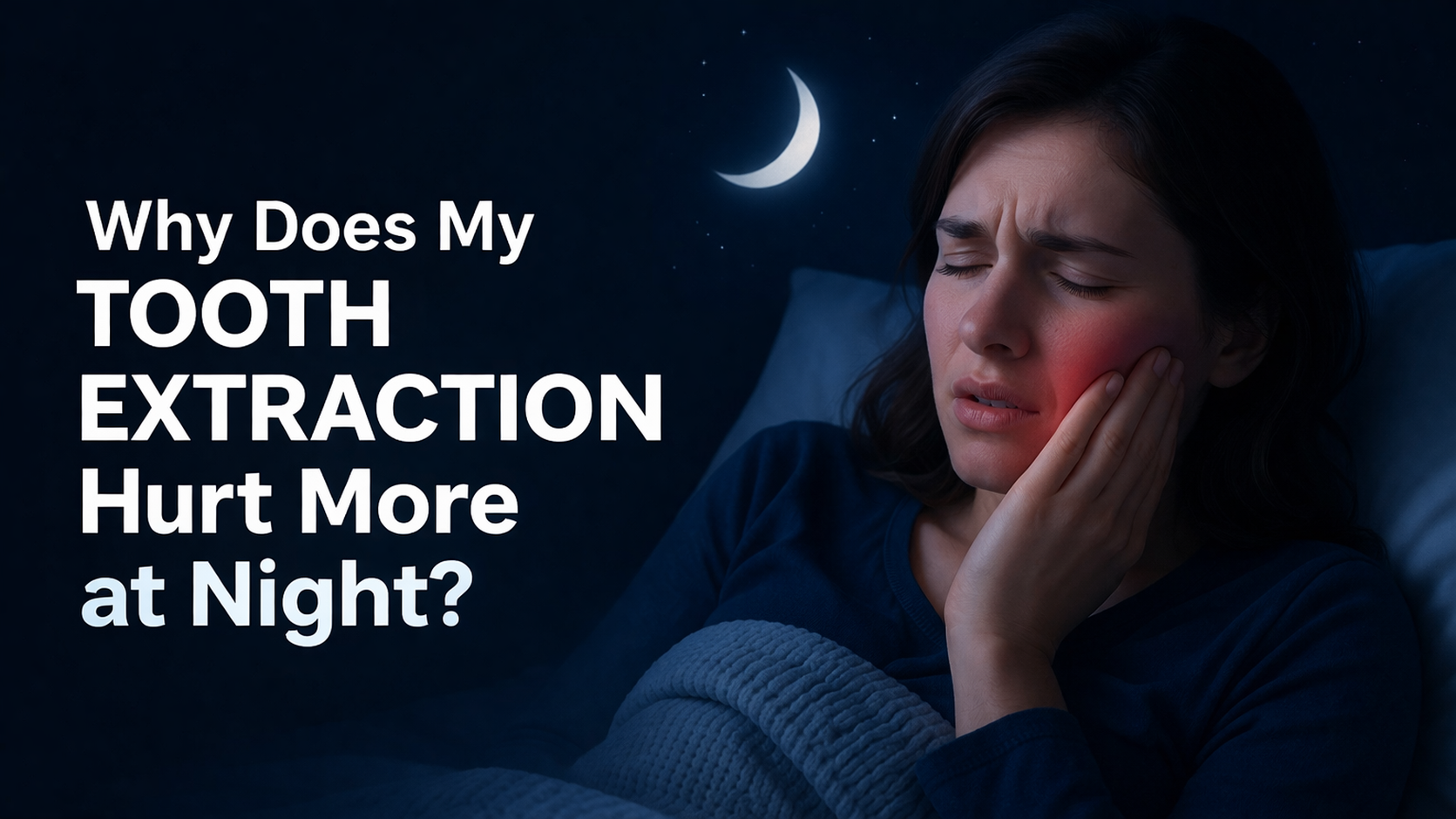
Many patients notice that pain after a tooth extraction seems worse at night. Even if the procedure went smoothly during the day, discomfort can suddenly feel stronger when you’re trying to rest. This is a common experience—and there are clear reasons why it happens.
1. Increased Blood Flow When Lying Down
When you lie down, your head is at the same level as your heart. This position increases blood flow to the extraction site, which can:
- Put pressure on sensitive nerves
- Cause throbbing sensations
- Make the area feel more inflamed
That extra pressure is one of the main reasons pain feels stronger at night.
2. Fewer Distractions at Night
During the day, your brain is busy—work, conversations, movement, and daily activities help distract you from pain. At night:
- Your environment becomes quiet
- You focus more on physical sensations
- Pain becomes more noticeable
This doesn’t mean the pain is actually worse—it just feels more intense.
3. Natural Body Rhythm (Circadian Cycle)
Your body follows a natural cycle called the circadian rhythm. At night:
- Inflammation levels can increase
- Pain tolerance may decrease
- Healing hormones fluctuate
This combination can make discomfort feel stronger after sunset.
4. Medication Wearing Off
Pain relief medications—like Ibuprofen or Paracetamol—may start to wear off by evening.
If you took medication earlier in the day, its effect may reduce at night, leading to:
- Sudden return of pain
- Increased throbbing
- Difficulty sleeping
5. Dry Socket Risk
If pain becomes severe, sharp, and persistent—especially 2–4 days after extraction—it could be Dry socket.
Signs include:
- Intense pain that radiates to the ear or jaw
- Bad taste or odor
- Visible empty socket (missing blood clot)
Night pain is often worse with dry socket because of increased sensitivity and inflammation.
How to Reduce Nighttime Pain
Here are simple ways to manage discomfort and sleep better:
✔ Elevate Your Head
Use extra pillows to keep your head slightly raised. This reduces blood pressure in the extraction area.
✔ Take Medication on Schedule
Don’t wait for pain to start. Take prescribed or recommended medication before bedtime.
✔ Apply Cold Compress
Place an ice pack on your cheek for 10–15 minutes to reduce swelling.
✔ Avoid These Before Bed
- Smoking
- Drinking through a straw
- Hot or spicy foods
These can irritate the extraction site and delay healing.
✔ Maintain Gentle Oral Care
Keep the area clean, but avoid aggressive rinsing. Follow your dentist’s instructions carefully.
When to See a Dentist
Contact your dentist if you experience:
- Severe pain that doesn’t improve
- Swelling that worsens after 2–3 days
- Fever or pus discharge
- Signs of dry socket
Early treatment can prevent complications and speed up healing.
Final Thoughts
Nighttime pain after a tooth extraction is normal and usually temporary. It happens due to increased blood flow, reduced distractions, and natural body rhythms. With proper care and a few adjustments, you can manage the discomfort and rest more comfortably.
Related Topics
- Tooth Extraction Healing Stages Day by Day
- Dry Socket Treatment and Prevention
- Dental Implant Healing Timeline
- Wisdom Tooth Removal Recovery
- Tooth Extraction Aftercare Guide
Can tooth extraction cause infection? Mild inflammation is normal, but increasing swelling, fever, or severe pain may indicate infection. Learn more about post-extraction infection warning signs in this detailed guide.
Book a consultation with our Cebu dental specialists for proper evaluation and care.
Ready to get expert guidance?
If you’re experiencing severe pain or delayed healing, book a consultation with our Cebu dental specialists to get proper evaluation and care.
Consultation or contact page .
Book a Consultation
For severe discomfort or delayed healing, book a consultation with our Cebu dental specialists today.
Looking for a dentist? Browse our Cebu dental directory to find trusted clinics near you.
Medical Review and Clinical Basis
This article is based on clinical dental guidelines and real patient recovery patterns observed after tooth extraction procedures. The information reflects common post-extraction healing stages, including normal clot formation, gum tissue repair, and signs of possible complications such as dry socket or infection.
While mild discomfort is expected after a dental extraction, worsening pain after Day 3, bad odor, exposed bone, or spreading pain may require professional evaluation. These symptoms are consistent with known post-extraction complications described in standard dental practice.
About Cebu Dental Implants
Cebu Dental Implants provides comprehensive tooth extraction, surgical procedures, and dental implant services in the Philippines. Our team evaluates post-extraction healing, manages complications such as dry socket, and advises patients on proper aftercare to prevent infection and delayed healing.
If you experience severe pain or unusual symptoms after extraction, early professional assessment is recommended to prevent further complications.
Important Medical Disclaimer
This content is for educational purposes only and does not replace professional dental diagnosis. Every patient heals differently. If symptoms worsen or do not improve within a few days, consult a licensed dentist for proper evaluation and treatment.
Author
This article was prepared by the Cebu Dental Implants content team in consultation with licensed dental professionals experienced in tooth extraction and implant procedures.
Related Clinical Cases
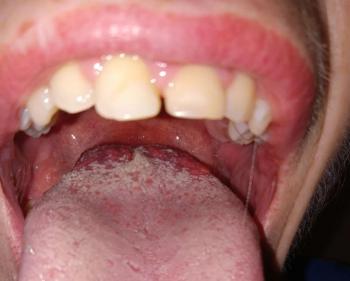
Patients with lower front gum inflammation may also experience tartar buildup, periodontal disease, gum abscesses, or tooth decay. Explore these related clinical case studies.



Other topics:
Other Dental Clinic